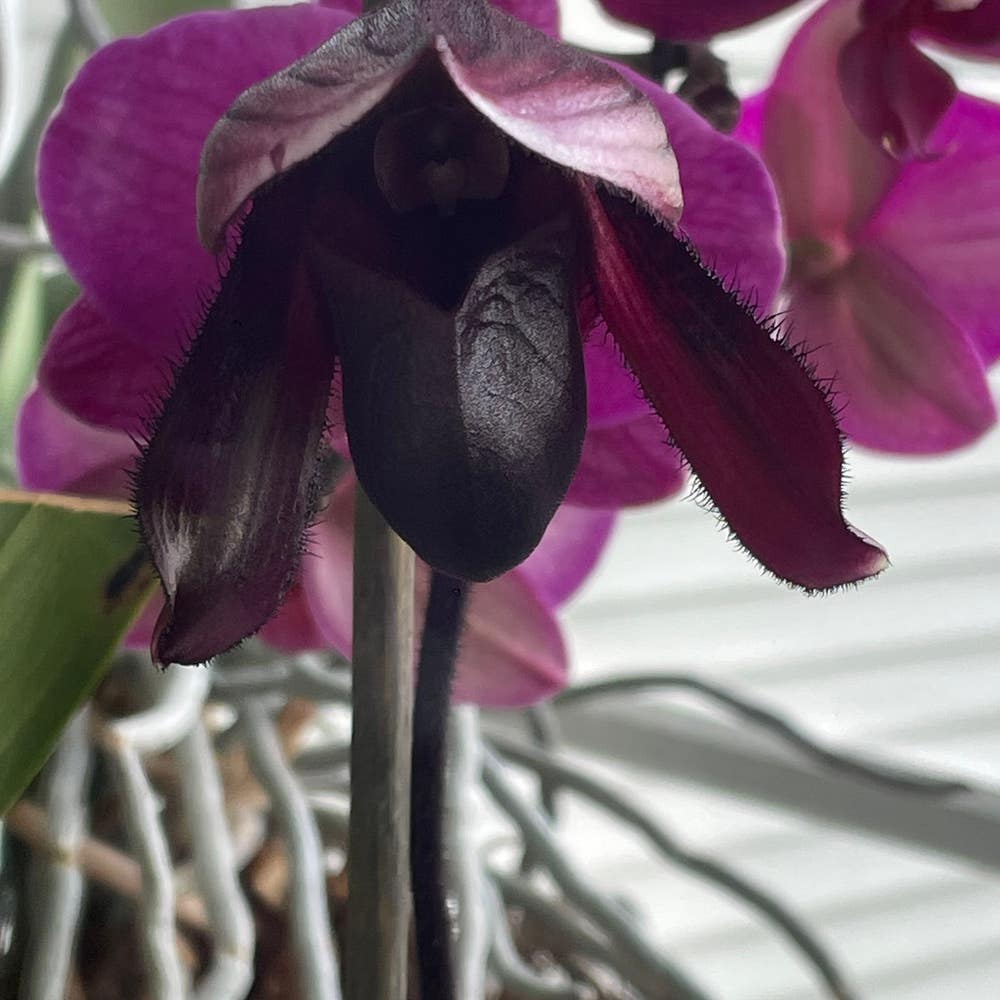
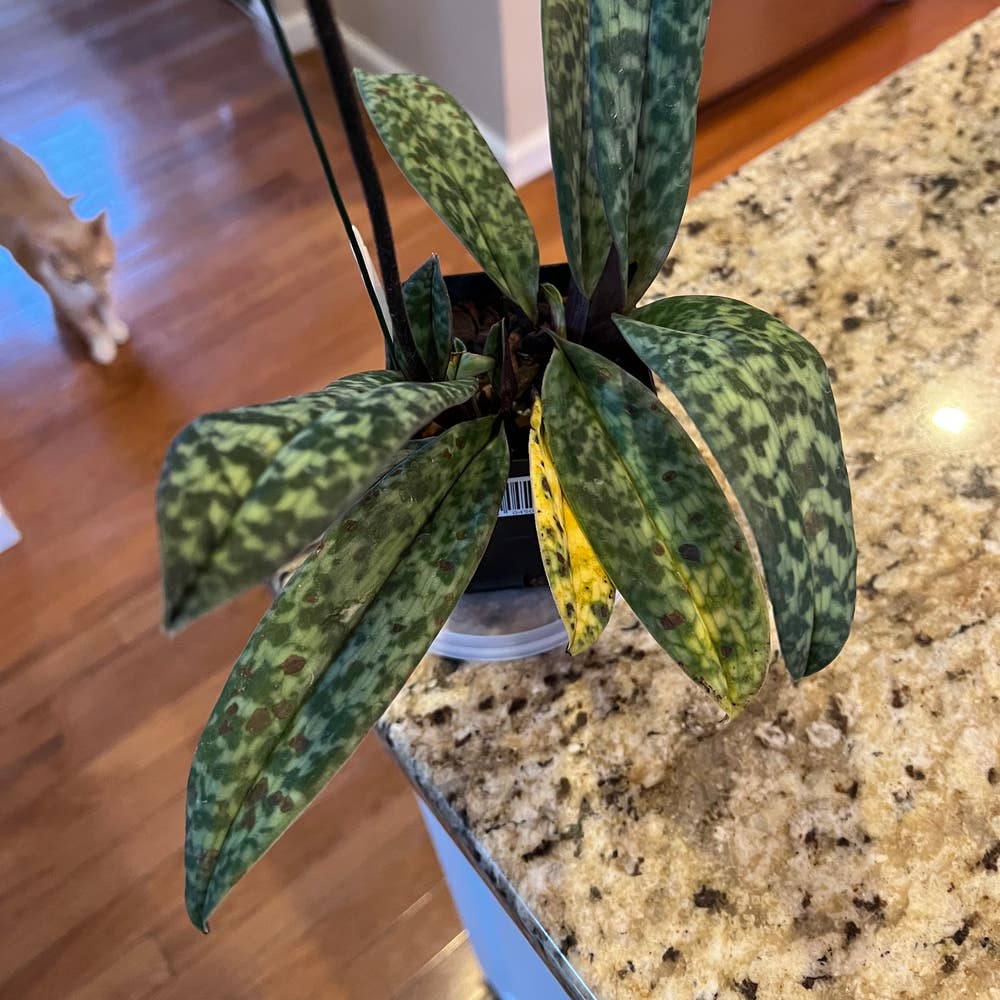
Understanding Laotian Paphiopedilum: The Basics 🌸
Paphiopedilum papilio-laoticus
By the Greg Editorial Team
Feb 11, 2025•11 min read
This article was created with the help of AI so we can cover more plants for you. May contain errors. See one? Report it here.
Discover how to cultivate the stunning Laotian Paphiopedilum orchid 🌺 and bring beauty and joy to your home!
- 🌞 Laotian Paphiopedilum needs bright, indirect sunlight and careful humidity management for thriving.
- 🌱 Use well-draining, organic-rich potting mix with a pH of 5.5 to 6.5 for healthy roots.
- 💧 Water when the top inch of soil is dry, using distilled or rainwater for best results.
How to Grow
🌞 Choosing a Location
To thrive, Laotian Paphiopedilum needs bright, indirect sunlight. Direct sun exposure can scorch its delicate leaves, so find a spot that offers filtered light.
Temperature is also crucial. Aim for a range between 20°C to 30°C (68°F to 86°F) to keep your plant happy. Additionally, maintain humidity levels between 50-70% for optimal growth.
🌱 Soil Preparation
Selecting the right soil is vital for your orchid's health. A well-draining, organic-rich potting mix is recommended to prevent waterlogging.
The ideal pH level for the soil should be between 5.5 and 6.5. This slightly acidic environment supports healthy root development.
🌿 Planting Techniques
When it comes to planting, choose pots with drainage holes, typically 4-6 inches in diameter. This size allows for adequate growth without overwhelming the plant.
Ensure that the crown of the plant is above the soil line when planting. This positioning helps prevent rot and encourages healthy growth.
💧 Watering Requirements
Water your Laotian Paphiopedilum when the top inch of soil feels dry. This approach prevents overwatering, which can lead to root rot.
For the best results, use distilled or rainwater. Tap water may contain minerals that can build up and harm your plant over time.
🌼 Fertilizing Schedule
A balanced orchid fertilizer, such as a 30-10-10 formula, is ideal. Dilute it to half strength to avoid overwhelming the plant.
Fertilize every 2-4 weeks during the growing season to provide essential nutrients for growth and flowering.
✂️ Pruning Methods
Pruning is essential for encouraging new growth. The best time to prune is after flowering.
Focus on removing dead or yellowing leaves and spent flower spikes. This practice keeps your plant healthy and promotes future blooms.
🔍 Ongoing Care Tips
Regularly monitor humidity levels and adjust as needed to maintain a suitable environment.
Additionally, keep an eye out for pests and diseases. Early detection can save your plant from significant damage.
With these care tips, your Laotian Paphiopedilum will flourish, bringing beauty and joy to your space. Next, let’s explore how to propagate this stunning orchid!
Propagation
Division Method (difficulty: moderate) 🌱
Propagation through division is a straightforward way to expand your Laotian Paphiopedilum collection. The best time to divide your plant is in spring, right after it has finished flowering.
To get started, gather your tools. A sterilized, sharp knife or scissors will ensure you don’t introduce any harmful bacteria.
Next, carefully separate the plant into sections, making sure each division has roots attached. This method not only rejuvenates the parent plant but also gives you new ones to nurture.
Seed Propagation (difficulty: hard) 🌾
If you're feeling adventurous, seed propagation offers a more challenging yet rewarding experience. Start by harvesting seeds from mature pods when they are ready.
For germination, use a sterile medium like sphagnum moss or a specialized orchid mix. This helps create the ideal environment for your seeds to thrive.
Maintaining high humidity and warmth is crucial for successful germination. With patience and care, you’ll witness the magic of new life sprouting from tiny seeds.
In both methods, whether dividing or sowing seeds, you’ll find joy in watching your Laotian Paphiopedilum flourish. Ready to dive deeper into the lifecycle of these fascinating orchids? Let's explore that next!
Lifecycle
Lifecycle Stages 🌱
The lifecycle of Laotian Paphiopedilum unfolds through several distinct stages. It begins with seed or cutting, followed by germination, seedling stage, vegetative growth, flowering, and finally, seed production.
Germination Timeframe ⏳
Under optimal conditions, germination takes about 2-3 weeks. This is a crucial phase where the seeds develop into viable seedlings.
Time to Maturity 🌼
From seed to maturity, expect approximately 2-3 years. This timeframe allows the plant to grow and flourish, eventually showcasing its stunning blooms.
Understanding these stages is essential for successful cultivation. Each phase requires specific care to ensure your Laotian Paphiopedilum thrives, setting the stage for a rewarding gardening experience.
Size
Mature Dimensions 🌱
Laotian Paphiopedilum orchids typically reach a height of 12 to 18 inches (30 to 45 cm). Their spread ranges from 8 to 12 inches (20 to 30 cm), making them a manageable size for both indoor and outdoor settings.
Growth Rate 📈
These orchids exhibit a moderate growth rate, which can vary based on care conditions. Factors like light, humidity, and nutrient availability play a significant role in determining how quickly your Laotian Paphiopedilum will thrive.
Understanding these dimensions and growth characteristics is essential for planning your space and ensuring your plant has room to flourish. As you cultivate your orchid, keep in mind that optimal care will lead to a more robust and vibrant plant.
Next, let’s explore the fascinating lifecycle of Laotian Paphiopedilum and how it develops from seed to stunning flower.
Roots
🌱 Root System Characteristics
Laotian Paphiopedilum features a fibrous root system, perfectly adapted for moisture absorption. This design allows the plant to thrive in its natural habitat, where water retention is crucial.
📏 Depth and Spread
The roots are generally shallow, spreading horizontally rather than deep. This characteristic helps the plant efficiently gather moisture and nutrients from the surface layer of the soil.
⚠️ Common Root Issues
Root rot is a common problem for Laotian Paphiopedilum, primarily caused by overwatering. Symptoms include mushy roots that can lead to serious plant health issues if not addressed promptly.
👀 Identifying Healthy vs. Unhealthy Roots
Healthy roots are firm and white, indicating good moisture levels and nutrient uptake. In contrast, unhealthy roots appear brown and mushy, signaling potential rot and the need for immediate intervention.
🚫 Signs of Rootbound
If you notice roots growing out of the drainage holes, your plant may be rootbound. This condition can stunt growth and hinder overall health, so it's essential to repot into a larger container with fresh soil to give your plant room to thrive.
Understanding the root system and its common issues is vital for the health of your Laotian Paphiopedilum. With proper care, you can ensure your plant remains vibrant and flourishing.
Next, let’s explore the benefits of growing this beautiful orchid.
Benefits
Top 5 Benefits of Laotian Paphiopedilum 🌺
Aesthetic Appeal
Laotian Paphiopedilum orchids are stunning, with unique flowers that can elevate the beauty of any indoor or outdoor space. Their exotic appearance draws admiration and can be a conversation starter.
Air Purification
These orchids contribute to improved indoor air quality. They help filter toxins, making your living environment healthier and more pleasant.
Cultural Significance
In Southeast Asian cultures, Laotian Paphiopedilum is associated with good luck and prosperity. Having these orchids can symbolize positive energy and fortune in your home.
Symbolism in Gardening
These orchids represent elegance and resilience in gardening. Their ability to thrive in various conditions makes them a favorite among plant enthusiasts.
Therapeutic Benefits
Gardening with Laotian Paphiopedilum can be a stress-reliever. Engaging with plants promotes relaxation and can enhance your overall well-being.
Incorporating these orchids into your life not only beautifies your surroundings but also enriches your spirit. With their myriad benefits, Laotian Paphiopedilum is a fantastic choice for any plant lover.
Next, let’s explore the best companion plants that thrive alongside these beautiful orchids.
Companion Plants
Best Companions 🌿
When growing Laotian Paphiopedilum, consider pairing it with other orchids, ferns, and shade-loving plants. These companions thrive in similar humidity levels and care requirements, creating a harmonious environment.
Plants to Avoid 🚫
On the flip side, steer clear of plants that demand full sun or dry conditions. Such plants can compete for resources and create an unsuitable habitat for your Laotian Paphiopedilum, leading to stress and poor growth.
By choosing the right companions, you can enhance the beauty of your orchid collection while ensuring optimal growth conditions. This thoughtful selection not only benefits your plants but also creates a stunning display in your home or garden.
Toxicity to Humans
Laotian Paphiopedilum is generally safe and is not listed as toxic by major poison control centers. This means you can enjoy its beauty without worrying about severe health risks.
However, there are potential minor issues to keep in mind. Ingesting large quantities may lead to mild skin irritation or digestive discomfort.
It's always wise to exercise caution with any plant. If you experience unusual symptoms after contact or ingestion, seeking medical advice is a smart move.
By being informed, you can appreciate the elegance of Laotian Paphiopedilum while ensuring a safe environment for yourself and your loved ones.
Next, let’s explore how this stunning orchid interacts with our furry friends.
Toxicity to Dogs
Laotian Paphiopedilum is generally safe for dogs, as it is not listed as toxic by major pet poison control centers. This means you can enjoy your beautiful orchids without worrying too much about your furry friends.
However, it's important to note that excessive consumption could lead to mild gastrointestinal upset. To keep your dog safe, consider placing your orchids out of reach and monitoring their behavior around the plants.
If you notice any unusual symptoms after your dog has been near the plant, consult your veterinarian for guidance. Keeping a watchful eye ensures both your plants and pets thrive harmoniously.
With the right precautions, you can enjoy the elegance of Laotian Paphiopedilum while ensuring your dog's well-being. Now, let's explore how to tackle common issues that may arise with these stunning orchids.
Toxicity to Cats
Laotian Paphiopedilum is considered safe for cats, as it is not listed as toxic by major pet poison control centers. This means you can enjoy these beautiful orchids without worrying about your feline friends getting harmed.
However, it's important to note that excessive consumption of any plant can lead to mild gastrointestinal upset. To keep your cat safe, it's best to keep the plant out of reach and monitor their behavior around it.
By ensuring your Laotian Paphiopedilum is placed in a secure location, you can enjoy its stunning blooms while keeping your curious cat safe. If you notice any unusual symptoms in your pet, don't hesitate to consult a veterinarian for advice.
With the right precautions, you can cultivate a vibrant indoor garden that both you and your pets can appreciate!
Problems
🌱 Common Issues with Laotian Paphiopedilum
Growing Laotian Paphiopedilum can be rewarding, but it's not without its challenges. Understanding common issues can help you maintain a healthy plant.
💧 Incorrect Watering
Watering is crucial for your orchid's health. Overwatering can lead to root rot, while underwatering may cause wilting and stress.
☀️ Incorrect Light Conditions
Light plays a vital role in growth. Too much direct sunlight can scorch leaves, while too little light can cause stretching as the plant reaches for brightness.
🦠 Diseases
Fungal diseases can plague your Paphiopedilum. Watch for signs of powdery mildew, rust, black rot, and blight, which can all hinder growth.
🍃 Leaf Issues
Leaf health is a good indicator of overall plant condition. Scorching and yellowing leaves often signal environmental stress or nutrient deficiencies.
📉 Growth Problems
If your plant is not thriving, it may be etiolated due to insufficient light. This elongated growth can weaken the plant, making it more susceptible to other issues.
By being aware of these common problems, you can take proactive steps to ensure your Laotian Paphiopedilum flourishes. Next, let's explore the pests that might threaten your beautiful orchid.
Bugs
Common Pests 🐛
Laotian Paphiopedilum can attract a few pesky bugs that may disrupt their growth.
- Spider Mites: These tiny pests create fine webbing and cause stippling on leaves, making them look unhealthy.
- Scale Insects: Recognizable by their hard, shell-like bumps, scale insects can be found on stems and leaves, sucking the life out of your plant.
- Mealybugs: These critters appear as cotton-like masses on plant surfaces and can quickly multiply if not addressed.
Treatment Options 🧪
Dealing with pests doesn’t have to be a nightmare.
- Organic Methods: Neem oil is a fantastic option; it’s effective and safe for your plants.
- Insecticidal Soap: This can help eliminate pests without harming your Laotian Paphiopedilum.
- Beneficial Insects: Introducing natural predators like ladybugs can keep pest populations in check.
By staying vigilant and using these treatment options, you can keep your Laotian Paphiopedilum thriving and beautiful. Next, let’s explore what animals might be munching on your precious plants.
What Eats Laotian Paphiopedilum
🦌 Common Animals
Laotian Paphiopedilum can attract a few hungry visitors.
- Deer: Look for signs like chewed leaves and stems, which indicate their presence.
- Rabbits: These little nibblers often leave evidence of their appetite on the lower leaves.
- Squirrels: You might notice them digging around the base of your plant, searching for tasty roots.
🛠️ Damage Description
When these animals decide to feast, the damage can be quite noticeable.
- Leaf Loss: Chewed leaves can lead to a less vibrant appearance.
- Stem Damage: This can weaken the plant, making it more susceptible to disease.
- Overall Plant Stress: Continuous nibbling can hinder growth and flowering, affecting your plant's health.
🚫 Deterrent Methods
To protect your Laotian Paphiopedilum, consider a few effective deterrent methods.
- Commercial Repellents: These can create an unappealing taste or smell for unwanted diners.
- Organic Solutions: Companion planting with less appetizing plants can help.
- Physical Barriers: Fencing or netting can keep these critters at bay.
By being proactive, you can ensure your Laotian Paphiopedilum thrives despite the occasional hungry visitor. Next, let’s explore the common issues that can affect its growth.
⚠️ Safety First
This content is for general information and may contain errors, omissions, or outdated details. It is not medical, veterinary advice, or an endorsement of therapeutic claims.
Always consult a qualified healthcare professional before using any plant as food, medicine, or supplement.
Never eat any plant (or feed one to pets) without confirming its identity with at least two trusted sources.
If you suspect poisoning, call Poison Control (800) 222-1222, the Pet Poison Helpline (800) 213-6680, or your local emergency service immediately.
Spotted an error? Please report it here.
Grow your Laotian Paphiopedilum flourishing 🌺 with Greg's personalized care tips and watering reminders, ensuring your orchid thrives beautifully while enhancing your space and well-being!