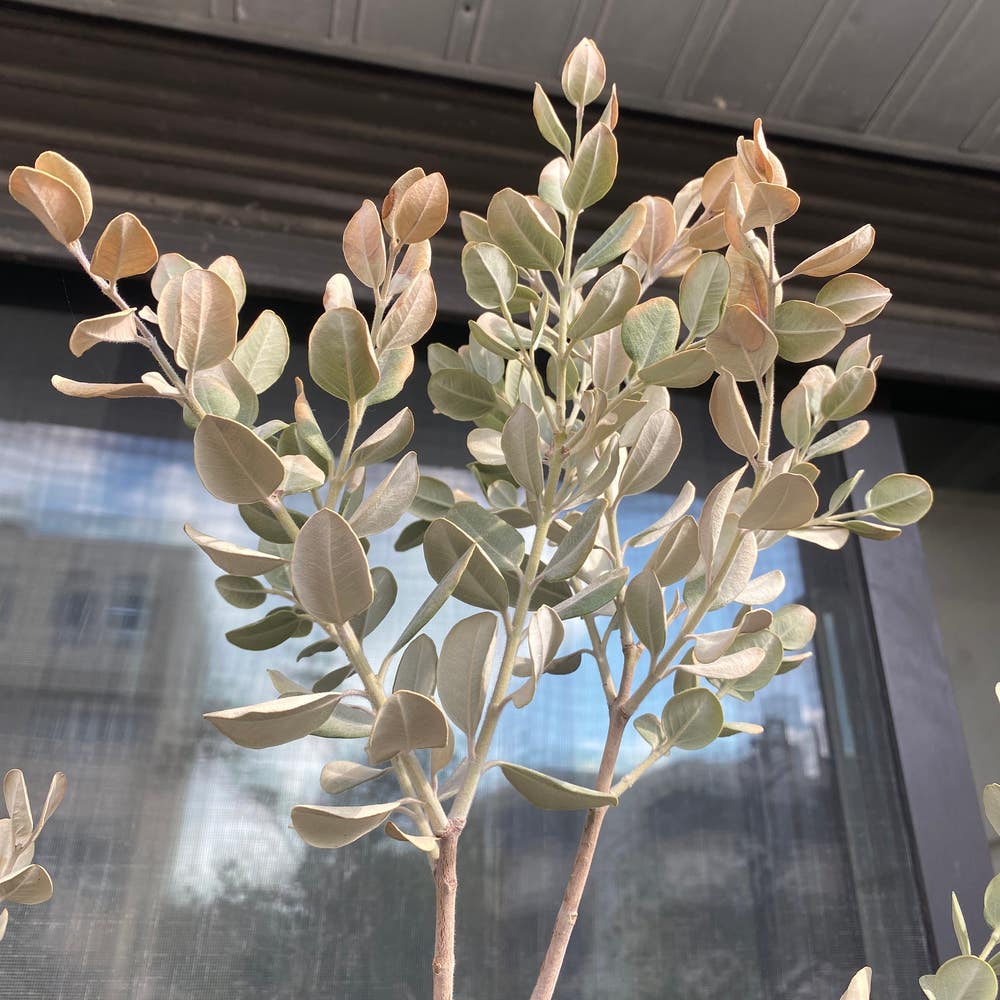
What You Should Know About Kermadec Pohutukawa
Metrosideros kermadecensis
By the Greg Editorial Team
Jan 23, 2025•11 min read
This article was created with the help of AI so we can cover more plants for you. May contain errors. See one? Report it here.
Elevate your garden with the stunning Kermadec Pohutukawa, a resilient tree perfect for coastal landscapes! 🌊🌳
- 🌞 Kermadec Pohutukawa needs 6-8 hours of sunlight for optimal growth.
- 🌱 Well-draining soil with pH 6.0-7.0 is essential for healthy roots.
- 🐾 Safe for pets, but monitor for mild gastrointestinal upset from overconsumption.
How to Grow
🌞 Choosing a Location
To thrive, Kermadec Pohutukawa needs full sun exposure for at least 6-8 hours daily. This tree also flourishes near coastal areas, showcasing its impressive tolerance to salt spray and wind.
🌱 Soil Preparation
For optimal growth, plant it in well-draining sandy or loamy soil. Aim for a pH level between 6.0 to 7.0, and enhance drainage by incorporating organic matter into the soil.
🌳 Planting Techniques
When planting, ensure the root ball is level with the soil surface to promote healthy growth. If you're planting multiple trees, allow for their mature spread of 5-10 meters to avoid overcrowding.
💧 Watering Requirements
After planting, give your Kermadec Pohutukawa a deep watering to help establish its roots. During dry spells, maintain a regular watering schedule, allowing the soil to dry out between sessions.
🌼 Fertilizing Schedule
Feed your tree with a balanced fertilizer every 6-8 weeks during the growing season. Focus on nitrogen for lush foliage and phosphorus to encourage vibrant flowering.
✂️ Pruning Methods
Prune your tree in late winter or early spring, just before new growth begins. This is the perfect time to remove any dead or damaged branches and shape the tree to your desired form.
🌿 Ongoing Care
If you're growing Kermadec Pohutukawa in containers, ensure pots have drainage holes and use a quality potting mix. For outdoor trees, keep an eye out for pests and diseases, adjusting your watering based on rainfall patterns.
With these tips, you’ll be well on your way to nurturing a beautiful Kermadec Pohutukawa that can enhance your landscape and thrive in its environment. Next, let’s explore how to propagate this stunning tree!
Propagation
🌱 Seed Propagation Steps
To start growing Kermadec Pohutukawa from seeds, begin with seed preparation. Soak the seeds in water for 24 hours before planting to enhance germination.
Next, focus on the sowing depth. Plant the seeds about 1/4 inch deep in well-draining soil to ensure they have the right environment to thrive.
✂️ Cutting Propagation Techniques
For those who prefer cutting propagation, selecting the right cuttings is crucial. Choose healthy, semi-hardwood stems that are about 10-15 cm long for the best chance of success.
Once you have your cuttings, prepare a rooting medium. A mix of perlite and peat moss works wonders for encouraging root development.
Finally, consider the rooting time. Keep the cuttings in a humid environment for 4-6 weeks until roots develop, ensuring they have the best conditions to grow strong.
With these propagation techniques, you can easily expand your Kermadec Pohutukawa collection. Next, let’s explore the lifecycle of this remarkable tree and what to expect as it grows.
Lifecycle
Lifecycle Stages 🌱
The lifecycle of the Kermadec Pohutukawa begins with germination, where seeds sprout within 2-4 weeks under optimal conditions. Following this, the seedling stage develops true leaves and establishes roots, setting the foundation for future growth.
Next comes the vegetative growth phase, which lasts about 1-2 years and is characterized by rapid growth. After this, the tree begins to flower, typically after 3-5 years, showcasing its stunning vibrant red flowers.
Finally, seed production occurs after flowering, with seeds maturing in late summer. This cycle not only ensures the continuation of the species but also adds beauty to the landscape.
Lifespan and Growth Timeline ⏳
Kermadec Pohutukawa trees can live for several decades, making them a long-term addition to any garden. Under ideal conditions, they reach maturity in approximately 5-10 years.
Their growth rate can be moderate to fast, influenced by factors such as soil quality, sunlight, and water availability. This adaptability allows them to thrive in various environments, enhancing their appeal for gardeners and landscapers alike.
As you consider planting a Kermadec Pohutukawa, remember that its vibrant lifecycle and longevity contribute to its charm and ecological value. Next, let’s explore the size of these magnificent trees and what to expect as they grow.
Size
Mature Height and Spread 🌳
The Kermadec Pohutukawa typically reaches a mature height of 10 to 20 meters. Its spread can expand impressively, ranging from 5 to 10 meters wide, making it a striking presence in any landscape.
Growth Rate and Size Variability 📈
Growth rates for these trees can vary significantly based on several factors, including soil quality, sunlight, and water availability. In optimal conditions, you might see them grow larger and faster than those in less favorable environments.
Factors Affecting Size 🌍
Several environmental factors play a crucial role in determining the size of your Kermadec Pohutukawa. Soil quality, water availability, and sunlight exposure directly impact growth, while regular pruning practices can help shape the tree and control its overall size.
Understanding these elements can help you cultivate a thriving Kermadec Pohutukawa that not only enhances your garden but also stands resilient against the elements. Next, let’s explore the fascinating root system of this remarkable tree.
Roots
Root System Characteristics 🌱
The Kermadec Pohutukawa features a primarily fibrous root system. This design not only provides stability but also enhances nutrient absorption, allowing the tree to thrive in various soil conditions.
Common Root-Related Issues 🚫
One of the most common problems is root rot, which typically arises from overwatering. To prevent this, ensure proper drainage in the planting area or container.
Identifying healthy roots is crucial for the tree's well-being. Healthy roots are firm and white, while unhealthy roots appear brown and mushy, indicating potential issues.
Recognizing Rootbound Conditions 🔄
Rootbound conditions occur when the roots fill the pot and begin to circle around. This can stunt growth and affect the overall health of the tree.
Signs of rootbound conditions include roots emerging from drainage holes or the potting mix. To remedy this, consider repotting into a larger container or pruning the roots to encourage new growth.
Understanding these root characteristics and issues will help you provide the best care for your Kermadec Pohutukawa. Next, we will explore the numerous benefits this stunning tree offers to your garden and the environment.
Benefits
Top 5 Benefits 🌟
Ornamental Value
The Kermadec Pohutukawa is a showstopper in any garden. Its striking red flowers not only brighten up landscapes but also create a stunning focal point that draws the eye.
Coastal Resilience
This tree is a champion of coastal environments. It thrives in salty, windy conditions, making it an ideal choice for seaside gardens.
Wildlife Attraction
Planting Kermadec Pohutukawa supports local ecosystems. Its flowers provide food and habitat for various birds and insects, fostering biodiversity.
Erosion Control
The robust root system of this tree plays a crucial role in stabilizing soil. This is especially important in coastal areas where erosion can be a significant concern.
Cultural Significance
Beyond its physical attributes, the Kermadec Pohutukawa holds cultural importance. It symbolizes strength and resilience in local traditions, adding a layer of meaning to its presence in gardens.
These benefits make the Kermadec Pohutukawa not just a beautiful addition to your landscape, but also a valuable one for the environment and community. Next, let’s explore the concept of companion planting and how it can enhance your gardening experience.
Companion Plants
🌱 Concept of Companion Planting
Companion planting is all about creating a harmonious garden. It enhances diversity, improves pest management, and boosts overall plant health.
🌼 Best Companion Plants
When choosing companions for Kermadec Pohutukawa, look for native shrubs and flowering plants that thrive in similar conditions. Coastal grasses and other Metrosideros species are excellent choices, as they can coexist beautifully while sharing the same care requirements.
🚫 Plants to Avoid
Be cautious of plants that demand excessive moisture or shade. These incompatible species can hinder the growth of your Kermadec Pohutukawa and lead to unhealthy competition for resources.
Incorporating the right companions can transform your garden into a thriving ecosystem. By selecting suitable plants and avoiding those that clash, you’ll create a vibrant landscape that flourishes together. Next, let’s explore the fascinating topic of toxicity in Kermadec Pohutukawa and its implications for pets and humans.
None
Toxicity to Dogs
Safety Confirmation 🐶
The Kermadec Pohutukawa is confirmed safe for dogs by major pet poison control centers. This means you can enjoy this beautiful tree without worrying about your furry friends getting harmed.
Minor Issues 🐾
While it's not toxic, excessive consumption of any plant material can lead to mild gastrointestinal upset in dogs. It's always best to keep an eye on your pet's behavior around new plants.
Tips for Introducing to Homes 🏡
To ensure a safe environment, keep Kermadec Pohutukawa plants out of your dog's reach. Monitoring their behavior around the plant can help you catch any potential issues early on.
Final Thoughts 🌺
With its vibrant flowers and resilience, the Kermadec Pohutukawa can be a wonderful addition to your garden. Just remember to keep it safe from curious pups, and you'll both enjoy its beauty without worry.
Next, let’s explore how this stunning tree interacts with our feline friends.
Toxicity to Cats
Safety Confirmation 🐱
The Kermadec Pohutukawa is confirmed safe for cats by major pet poison control centers. This means you can enjoy its beauty without worrying about your feline friends.
Potential Minor Issues 🥴
While not toxic, excessive consumption of the plant may lead to mild gastrointestinal upset in cats. It's always good to keep an eye on your pets if they show interest in nibbling on the leaves.
Tips for Introducing to Homes 🏡
When bringing Kermadec Pohutukawa into your home, position the plant where cats cannot easily access it. This simple step helps prevent any potential issues and allows you to enjoy the plant's vibrant presence.
Monitoring Behavior 👀
Keep an eye on your cat's behavior around the plant. If you notice any unusual signs, it's wise to consult with a veterinarian for peace of mind.
As you consider adding this stunning tree to your space, remember that its beauty can coexist harmoniously with your furry companions.
Problems
Common Problems 🌱
Growing Kermadec Pohutukawa can be rewarding, but it's essential to be aware of common issues that may arise.
Incorrect Watering
Watering is crucial for plant health. Underwatering leads to wilting, while overwatering causes yellowing leaves.
Incorrect Light Conditions
Light plays a vital role in growth. Insufficient light results in leggy growth and sparse foliage, indicating the need for more sun.
Incorrect Temperature
Temperature fluctuations can stress your tree. Cold stress manifests as leaf drop and stunted growth, signaling that your plant needs protection from harsh conditions.
Diseases
Fungal diseases can be a significant threat. Watch for powdery mildew and black rot, which can affect foliage and require prompt treatment.
Leaf Issues
Leaf problems often indicate underlying issues. Scorching or yellowing leaves may suggest nutrient deficiencies or environmental stress, requiring immediate attention.
By recognizing these common problems early, you can take action to ensure your Kermadec Pohutukawa thrives. Next, let’s explore the potential pest issues that could affect your tree.
Bugs
Potential Pest Issues 🐜
Kermadec Pohutukawa trees can face several pest challenges that may affect their health. Understanding these pests is crucial for maintaining vibrant and thriving trees.
Spider Mites
Spider mites are tiny pests that can wreak havoc on your Pohutukawa. You can identify them by the fine webbing they create and the stippled appearance of the leaves. If you spot these intruders, treat them promptly with insecticidal soap to keep your tree healthy.
Scale Insects
Scale insects are another common issue. Look for sticky residue on leaves and dark spots, which indicate their presence. Control these pests effectively using horticultural oil, which suffocates them and prevents further damage.
Mealybugs
Mealybugs are easily recognizable by their cotton-like masses on the plant. To remove them, use a cotton swab dipped in alcohol, gently wiping them away. This simple method can help keep your Kermadec Pohutukawa free from these pesky invaders.
By staying vigilant and addressing these pest issues promptly, you can ensure your Kermadec Pohutukawa remains a stunning addition to your landscape. Next, let’s explore what animals might be interested in munching on your beautiful tree.
What Eats Kermadec Pohutukawa
🦌 Common Animals
Kermadec Pohutukawa trees attract a variety of wildlife, some of which can pose challenges for their growth. Understanding these animals helps in managing their impact effectively.
🦌 Deer
Deer are known to munch on the leaves and can break branches while foraging. To protect your trees, consider installing fencing or using repellents to keep these grazers at bay.
🐇 Rabbits
Rabbits can be quite destructive, often leaving behind clipped stems and gnawed bark. Implementing barriers or repellents can help deter these furry intruders.
🐿️ Squirrels
Squirrels may strip the bark from your Kermadec Pohutukawa, causing significant damage. Managing their presence can involve traps or deterrent sprays to keep them from causing harm.
🐦 Birds
While birds may peck at the vibrant flowers, they can also be beneficial by pollinating the tree. To divert their attention, provide alternative food sources nearby.
🐭 Rodents
Rodents can be sneaky, leaving signs of burrowing and nibbling on the tree. Using traps and modifying their habitat can help reduce their impact on your Kermadec Pohutukawa.
By being aware of these common animals and their behaviors, you can take proactive steps to protect your Kermadec Pohutukawa trees. This knowledge not only enhances your gardening experience but also fosters a thriving ecosystem around your plants.
⚠️ Safety First
This content is for general information and may contain errors, omissions, or outdated details. It is not medical, veterinary advice, or an endorsement of therapeutic claims.
Always consult a qualified healthcare professional before using any plant as food, medicine, or supplement.
Never eat any plant (or feed one to pets) without confirming its identity with at least two trusted sources.
If you suspect poisoning, call Poison Control (800) 222-1222, the Pet Poison Helpline (800) 213-6680, or your local emergency service immediately.
Spotted an error? Please report it here.
Grow a thriving Kermadec Pohutukawa 🌳 with Greg's tailored watering alerts and expert care tips that keep your tree healthy and resilient in your garden!