🌸 Introduction to Kellogg's Lewisia
Lewisia kelloggii
By the Greg Editorial Team
Feb 10, 2025•11 min read
This article was created with the help of AI so we can cover more plants for you. May contain errors. See one? Report it here.
Elevate your garden with stunning Kellogg's Lewisia 🌸—a low-maintenance, drought-resistant beauty that attracts pollinators!
- 🌞 Kellogg's Lewisia needs 6-8 hours of sunlight daily for optimal growth.
- 🌱 Well-drained soil with pH 6.0-7.0 is essential for healthy plants.
- 💧 Prevent root rot by allowing soil to dry out between waterings.
How to Grow
🌞 Choosing a Location
To successfully grow Kellogg's Lewisia, start by selecting a location that receives full sun exposure for 6-8 hours daily. This plant thrives in bright light, and well-drained soil is crucial to prevent root rot.
🏗️ Soil Preparation
For optimal growth, use sandy or rocky loam that offers excellent drainage. Aim for a soil pH between 6.0 and 7.0, which is slightly acidic to neutral, ensuring a healthy environment for your plants.
🌱 Planting Techniques
The best time to plant Kellogg's Lewisia is in early spring or fall. Space your plants 12-18 inches apart to allow for their natural growth and expansion.
💧 Watering Requirements
Watering should be done carefully; allow the soil to dry out between waterings. Watch for signs of overwatering, like yellowing leaves, or underwatering, indicated by crispy, dry foliage.
🌼 Fertilizing Tips
During the growing season, provide light feeding with a balanced fertilizer. Avoid high-nitrogen fertilizers, as they can lead to excessive foliage growth at the expense of blooms.
✂️ Pruning and Ongoing Care
To encourage more blooms, deadhead spent flowers regularly. Additionally, remove any dead or damaged leaves to keep your plants healthy and vibrant.
🪴 Outdoor vs. Container Growing
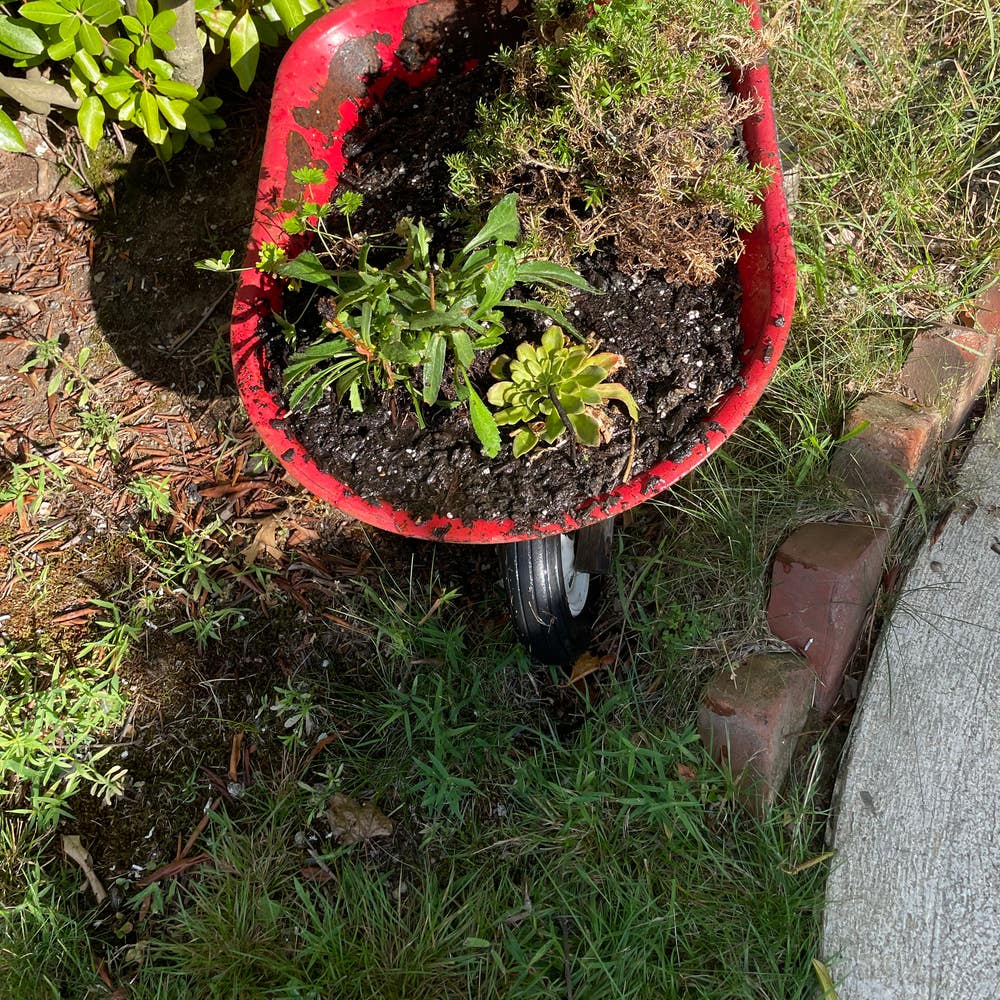
If you choose to grow Kellogg's Lewisia in containers, ensure they have drainage holes and use a suitable potting mix. Container growing offers mobility and better control over soil conditions, making it a great option for many gardeners.
With these tips, you're well on your way to cultivating a thriving Kellogg's Lewisia garden. Next, let's explore the various propagation methods to expand your collection!
Propagation
🌱 Seed Propagation
Sowing seeds is a straightforward process that starts with surface sowing. Lightly cover the seeds with soil, ensuring they receive adequate light, and expect germination in about 2-3 weeks under optimal conditions.
🌿 Division of Established Plants
Dividing established plants is best done in early spring or fall. Carefully separate the clumps and replant them, giving each division enough space to thrive.
✂️ Cuttings Method
For the cuttings method, select healthy stems that are 4-6 inches long. Use a well-draining rooting medium, such as a mix of perlite and peat, to encourage successful rooting.
This propagation knowledge will help you expand your collection of Kellogg's Lewisia, ensuring a vibrant display in your garden. Next, let's explore the lifecycle of this fascinating plant.
Lifecycle
Lifecycle Stages 🌱
Kellogg's Lewisia is a perennial plant that goes through several distinct growth stages. Understanding these stages helps gardeners appreciate the plant's development and care needs.
Germination Process 🌡️
For optimal germination, maintain warm temperatures and consistent moisture levels. This creates the perfect environment for seeds to sprout and thrive.
Seedling Stage 🌿
Once germinated, the seedling stage lasts about 4-6 weeks. During this time, seedlings prepare for transplanting, establishing their initial roots and leaves.
Vegetative Growth 🌳
In the vegetative growth stage, the plant focuses on developing leaves and establishing a robust root system. This is crucial for supporting future flowering and overall health.
Flowering and Seed Production 🌼
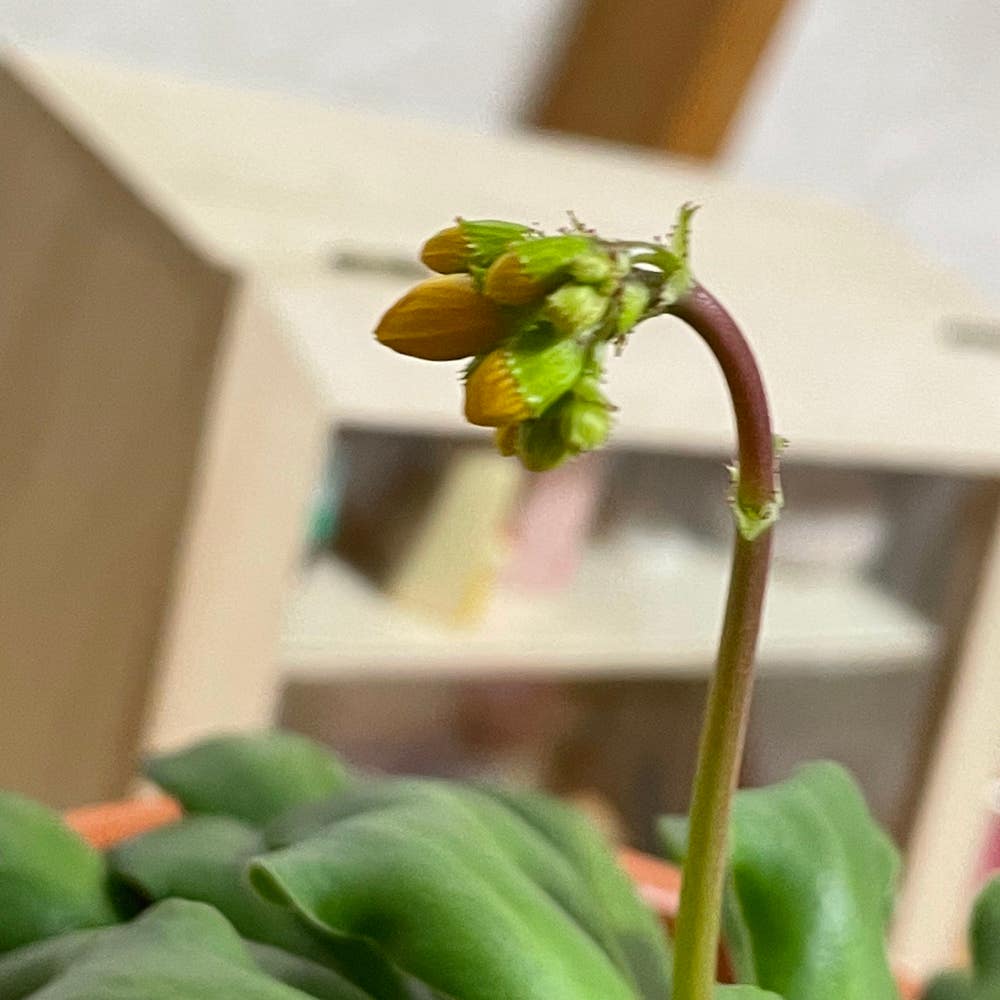
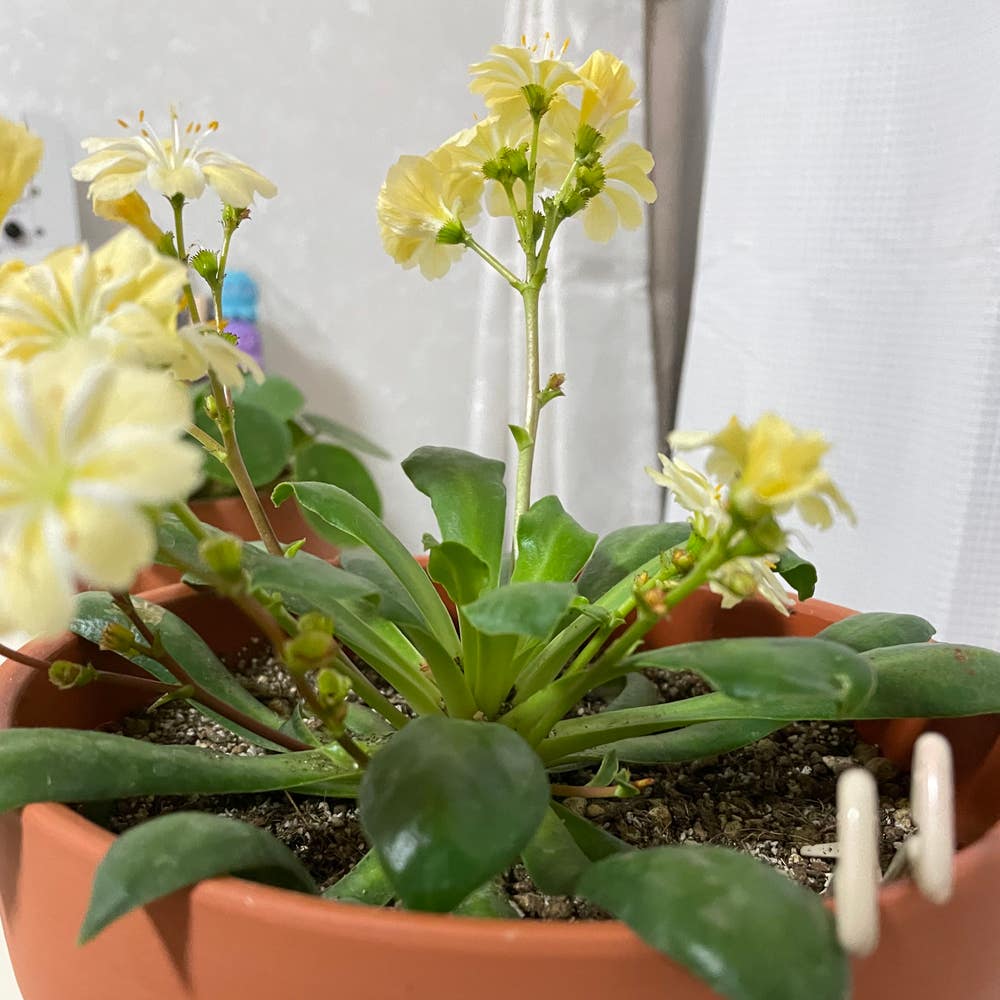
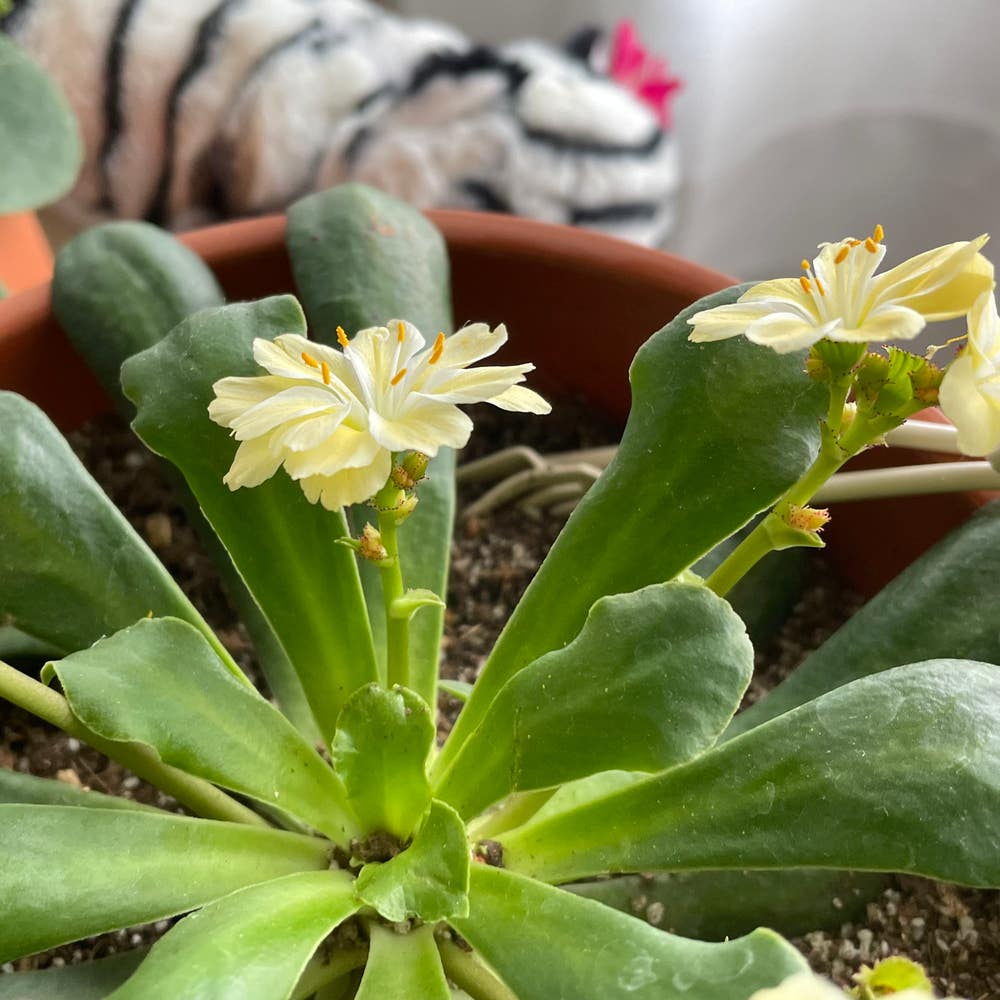
Kellogg's Lewisia typically flowers from late spring to early summer. After blooming, it produces seeds that mature in pods, ensuring the continuation of the species.
Lifespan and Growth Rate ⏳
The average lifespan of Kellogg's Lewisia ranges from 3-5 years. It has a moderate growth rate, reaching maturity in about 1-2 years, making it a rewarding addition to any garden.
This lifecycle knowledge not only enhances your gardening skills but also deepens your connection with this beautiful plant. Next, let’s explore how to maximize its growth potential through proper care and maintenance.
Size
Mature Height and Spread 🌱
Kellogg's Lewisia typically reaches a mature height of 6 to 12 inches. Its spread can extend from 12 to 18 inches, making it a compact yet vibrant addition to any garden.
Growth Rate and Time to Full Size ⏳
This perennial takes about 1 to 2 years to reach its full size. Patience is key, as you watch it flourish and fill out over time.
Size Variability Based on Growing Conditions 🌍
The size of your Lewisia can vary significantly based on several factors. Soil quality, sunlight exposure, and water availability all play crucial roles in determining how robust your plant will grow.
Understanding these elements can help you create the ideal environment for your Lewisia, ensuring it thrives beautifully in your garden.
As we explore the next section on roots, keep in mind how the size and health of your plant are closely linked to its root system.
Roots
🌱 Root System Characteristics
Kellogg's Lewisia features a fibrous root system complemented by a taproot. This combination allows the plant to anchor itself firmly while efficiently absorbing nutrients and water.
📏 Root Depth and Spread
Typically, the roots extend to a depth of 6-12 inches. They also spread laterally, which helps support the plant's structure and stability.
🦠 Common Root-Related Issues
Root rot is a common issue that can plague Kellogg's Lewisia. Signs include mushy roots and a foul odor, indicating that the plant is suffering from excess moisture.
🛠️ Solutions for Root Problems
To combat root rot, improve drainage by amending the soil or adjusting your watering practices. Ensuring that the soil dries out between waterings can significantly enhance root health.
👀 Identifying Healthy vs. Unhealthy Roots
Healthy roots are firm, white, and spread evenly throughout the soil. In contrast, unhealthy roots appear dark, mushy, or shriveled, signaling a need for immediate attention.
🔒 Recognizing Rootbound Plants and Solutions
If you notice stunted growth or roots emerging from drainage holes, your plant may be rootbound. The solution is simple: repot into a larger container or divide the plant to encourage healthy growth.
Understanding the root system of Kellogg's Lewisia is crucial for its overall health. By addressing root-related issues promptly, you can ensure a thriving plant that adds beauty to your garden. Next, let’s explore the benefits of growing this stunning perennial.
Benefits
Aesthetic Appeal 🌸
Kellogg's Lewisia brings a burst of color to any garden with its vibrant flowers. These bright blooms not only enhance beauty but also create a lively atmosphere.
Attracts Pollinators 🐝
The flowers of Lewisia are a magnet for pollinators like bees and butterflies. This attraction promotes biodiversity, making your garden a thriving ecosystem.
Drought-Resistant Qualities 💧
One of the standout features of Lewisia is its low water requirements. This drought-resistant plant is perfect for xeriscaping, allowing you to conserve water while still enjoying a beautiful garden.
Cultural Significance 🪶
Historically, Lewisia has been valued by Native American cultures for its medicinal properties. This cultural significance adds depth to its presence in your garden.
Low Maintenance Requirements 🧑🌾
Once established, Lewisia requires minimal care, making it ideal for busy gardeners. Its resilience means you can enjoy a flourishing garden without constant attention.
Incorporating Kellogg's Lewisia into your landscape not only beautifies your space but also supports the environment and requires little effort. With its many benefits, it's a fantastic choice for any garden enthusiast.
Companion Plants
🌱 Concept of Companion Planting
Companion planting is the practice of growing different plants together for mutual benefits. This technique can enhance garden health by improving pest control, maximizing space, and boosting plant growth.
🌼 Best Companion Plants
When considering companions for Kellogg's Lewisia, look to drought-tolerant plants like Sedum and Echinacea. These plants share similar care needs and create a visually appealing garden with their vibrant colors and textures.
🚫 Plants to Avoid
It's wise to steer clear of heavy feeders or plants that require constant moisture. These plants can compete for resources and create an imbalance in your garden, potentially stressing your Lewisia.
By thoughtfully selecting companion plants, you can create a thriving garden ecosystem that supports the health and beauty of your Kellogg's Lewisia. Next, let's explore the potential toxicity of this plant to pets and humans.
Toxicity to Humans
Kellogg's Lewisia is not listed as toxic by major poison control centers, making it a safe choice for gardens. However, it's wise to be cautious; consuming large quantities may lead to mild skin irritation or digestive discomfort.
If you experience any unusual symptoms after contact, it's best to seek medical advice. Enjoy the beauty of this plant without worry, but always prioritize safety in your gardening adventures.
Toxicity to Dogs
Kellogg's Lewisia is not listed as toxic by major pet poison control centers, making it a safe choice for dog owners. However, if your furry friend munches on a large quantity, they might experience mild gastrointestinal upset.
🌱 Introducing Kellogg's Lewisia to Your Home
When bringing this plant into a home with dogs, consider its placement carefully. Keep it out of reach to prevent any accidental snacking, and monitor your dog's behavior around the plant.
🐶 Observing Your Dog's Reactions
If your dog shows any unusual symptoms after being near the plant, it's wise to consult a veterinarian. Staying vigilant ensures that both your plant and your pet thrive together in harmony.
As you explore the joys of gardening with Kellogg's Lewisia, remember that a little caution goes a long way in keeping your canine companions safe. Next, let’s dive into the potential toxicity of this plant for our feline friends.
Toxicity to Cats
Kellogg's Lewisia is not listed as toxic by major pet poison control centers, making it a safe choice for homes with feline companions. However, if your cat indulges in a bit too much of this plant, you might notice mild gastrointestinal upset.
🏡 Introducing Kellogg's Lewisia to Your Home
When bringing Kellogg's Lewisia into a home with cats, consider proper placement to minimize any nibbling. Keep the plant out of reach or in a location where your cat is less likely to explore.
👀 Monitoring Behavior
It's essential to monitor your cat's behavior around the plant. If you notice any unusual symptoms or changes in their eating habits, consult a veterinarian for advice.
By taking these precautions, you can enjoy the beauty of Kellogg's Lewisia while keeping your feline friends safe and sound.
Problems
🌱 Common Problems
Growing Kellogg's Lewisia can be rewarding, but it’s not without its challenges. Issues often arise from incorrect watering, inadequate light, or unsuitable temperature conditions.
🔍 Identifying Symptoms and Causes
Recognizing the signs of distress is crucial for your plant's health. Overwatering typically manifests as yellowing leaves and wilting, while underwatering leads to crispy, dry leaves that signal your plant is thirsty.
🛠️ Solutions for Each Problem
To remedy overwatering, adjust your watering practices by allowing the soil to dry out between sessions. For underwatering, simply increase the frequency of watering and ensure your plant receives adequate light to thrive.
Bugs
🐞 Potential Pest Issues
Kellogg's Lewisia can face a variety of pest challenges, despite its resilience. Understanding its susceptibility to certain pests is crucial for maintaining its health.
🔍 Identification of Pests
Common pests that may invade your Lewisia include spider mites, aphids, and mealybugs. Each of these pests can cause significant damage if not identified and addressed promptly.
⚠️ Damage Caused by Pests
Infestations often manifest through leaf discoloration and stunted growth. If you notice these symptoms, it’s time to investigate further.
🛠️ Effective Treatment Options
For pest management, both organic and chemical control methods are available. Organic options include insecticidal soaps and neem oil, while chemical treatments may involve targeted pesticides.
Taking proactive steps can help protect your Lewisia from these pesky invaders. By staying vigilant and addressing issues early, you can ensure your plants thrive.
Next, let’s explore what animals might be interested in munching on your beautiful Lewisia.
What Eats
Common Animals 🦌
Kellogg's Lewisia can attract a variety of hungry critters. Common culprits include deer, rabbits, and rodents, all of which may find the plant's vibrant foliage and flowers irresistible.
Signs of Animal Presence 🐾
Identifying animal visitors is crucial for protecting your plants. Look for signs like chewed leaves, tracks around the garden, or even droppings nearby, which can indicate that your Lewisia is being nibbled on.
Types of Damage Caused ⚠️
The damage from these animals can be quite noticeable. You might find stripped foliage, uprooted plants, or even entire sections of your garden decimated, leaving you with a sad sight.
Deterrent Methods 🚫
To keep these pests at bay, consider both chemical and organic control methods. Chemical repellents can be effective, but many gardeners prefer organic options like planting deterrent herbs or using barriers to protect their precious Lewisia.
⚠️ Safety First
This content is for general information and may contain errors, omissions, or outdated details. It is not medical, veterinary advice, or an endorsement of therapeutic claims.
Always consult a qualified healthcare professional before using any plant as food, medicine, or supplement.
Never eat any plant (or feed one to pets) without confirming its identity with at least two trusted sources.
If you suspect poisoning, call Poison Control (800) 222-1222, the Pet Poison Helpline (800) 213-6680, or your local emergency service immediately.
Spotted an error? Please report it here.
Kellogg's Lewisia is a sun-loving beauty 🌞, and with Greg's custom watering alerts and tailored care tips, you'll cultivate a thriving garden display in no time!