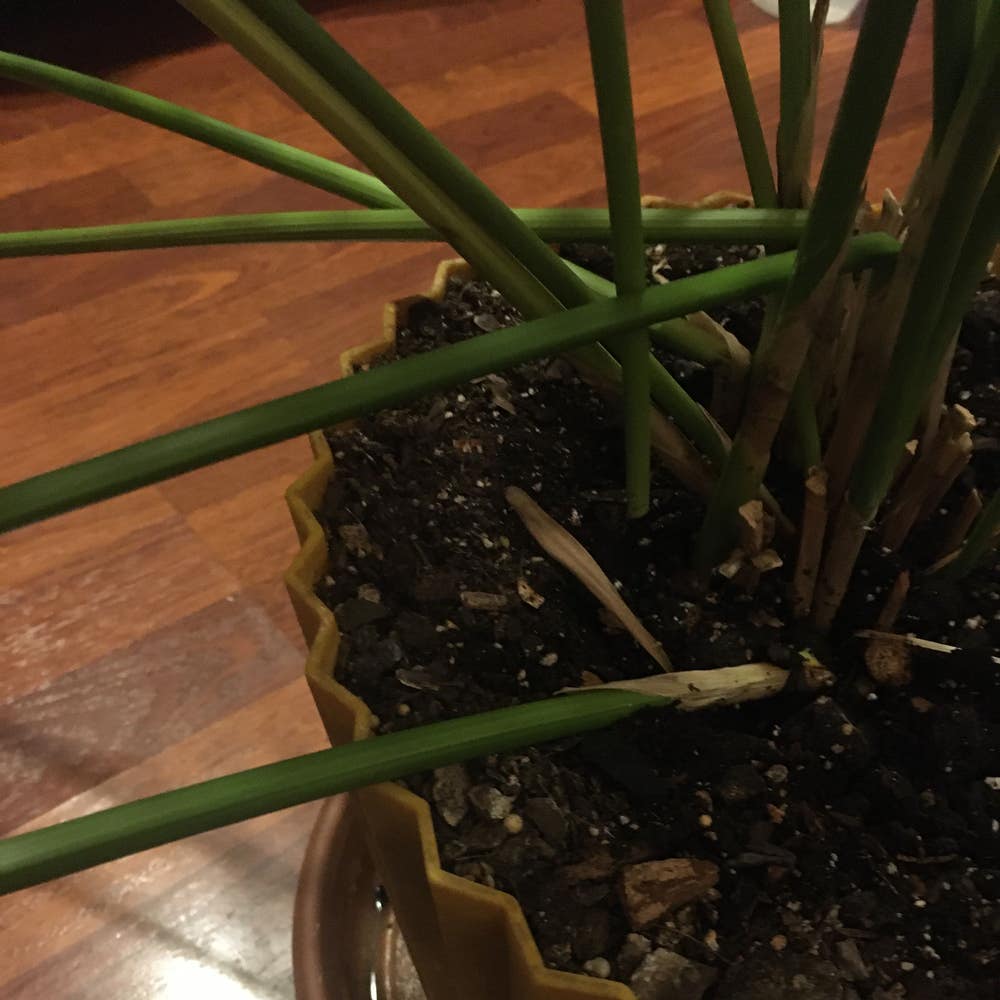
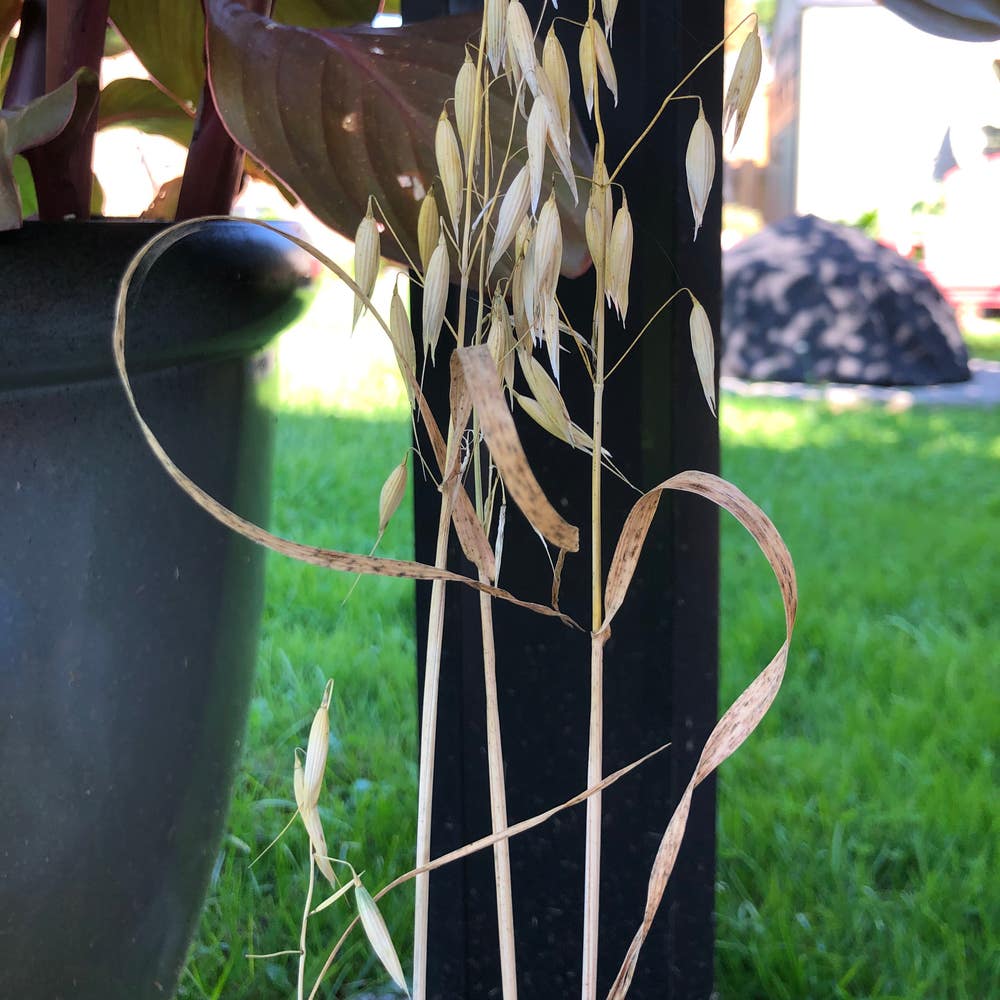
Ultimate Guide to Kaessner's Sedge
Cyperus kaessneri
By the Greg Editorial Team
Feb 28, 2025•8 min read
This article was created with the help of AI so we can cover more plants for you. May contain errors. See one? Report it here.
Enhance your garden's beauty and support wildlife 🌿 with the low-maintenance Kaessner's Sedge!
- 🌱 Kaessner's Sedge thrives in wetlands with partial to full sun for optimal growth.
- 🌿 Ideal soil is loamy with pH 6.0-7.0; keep it consistently moist but not overwatered.
- 🐾 Safe for pets; not toxic but large amounts may cause mild upset.
How to Grow
Choosing a Location 🌍
Kaessner's Sedge thrives in wetland areas, making it a perfect addition to your garden if you have access to such conditions. Aim for partial to full sun exposure to ensure healthy growth.
Soil Preparation 🏞️
For optimal growth, use loamy soil rich in organic matter. The ideal pH level should range from slightly acidic to neutral, specifically between 6.0 and 7.0.
Planting Techniques 🌱
The best time to plant Kaessner's Sedge is in spring or early fall. Space the plants 12-18 inches apart to allow for their natural clumping growth.
Watering Requirements 💧
Keep the soil consistently moist, especially during dry spells, to support the plant's health. Watch for signs of overwatering, such as yellowing leaves and root rot, to avoid damaging your plants.
Fertilizing Tips 🌿
Utilize a balanced, slow-release fertilizer to nourish your Kaessner's Sedge. Apply it in early spring and again in mid-summer for best results.
Pruning and Ongoing Care ✂️
In late winter, cut back any dead foliage to promote new growth. Regularly check for pests and diseases to maintain the health of your plants.
Outdoor vs. Container Growing 🏡
If growing in containers, choose large pots with drainage holes to prevent waterlogging. For outdoor planting, ensure there is adequate space for the sedge to spread and thrive.
With these guidelines, you're well on your way to successfully growing Kaessner's Sedge in your garden. Next, let's explore the various methods of propagation to expand your collection!
Propagation
Seed Propagation 🌱
To propagate Kaessner's Sedge from seeds, timing is crucial. Sow the seeds in spring, right after the last frost, and expect germination to take between 14 to 30 days.
Division of Clumps ✂️
Another effective method is dividing clumps. The best time for this is early spring or fall, where you can carefully separate the clumps and replant them in new locations.
Cutting Propagation 🌿
Cutting propagation is also a viable option. Select cuttings that are 4-6 inches long from healthy plants and use a rooting medium made of a mix of peat and perlite for optimal results.
With these propagation techniques, you can easily expand your Kaessner's Sedge collection. Next, let's explore the size of this remarkable plant and what you can expect as it grows.
Size
Mature Height and Spread 🌱
Kaessner's Sedge typically reaches an average height of 2 to 3 feet. Its spread can range from 1 to 2 feet wide, making it a compact yet impactful addition to your garden.
Growth Rate and Time to Full Size ⏳
This sedge grows steadily, taking approximately 2 to 3 years to reach its full size. Patience is key, as the plant establishes itself and begins to flourish.
Size Variability Based on Growing Conditions 🌦️
Several factors can influence the size of Kaessner's Sedge. Soil quality, moisture levels, and sunlight exposure all play crucial roles in determining how robust your plants will become.
Understanding these variables can help you create the ideal environment for your sedge, ensuring it thrives and adds beauty to your landscape. With the right care, you can enjoy the full potential of this versatile plant.
Benefits
🌍 Environmental Benefits
Kaessner's Sedge plays a crucial role in erosion control, particularly in wetland areas. Its robust root system stabilizes soil, preventing runoff and promoting healthier ecosystems.
🦉 Habitat
This plant also provides essential shelter for various wildlife species. Birds and small mammals find refuge among its dense foliage, making it a valuable addition to any garden.
🌿 Aesthetic Appeal in Landscaping
In terms of landscaping, Kaessner's Sedge adds a unique texture and lush greenery to gardens. Its graceful appearance enhances visual interest, making it a favorite among landscape designers.
🐦 Attracting Wildlife
Beyond aesthetics, this sedge attracts beneficial insects and birds. By incorporating it into your garden, you create a vibrant ecosystem that supports local wildlife.
📜 Cultural Significance
Historically, Kaessner's Sedge has been used in traditional landscaping and restoration projects. Its adaptability and resilience make it a staple in ecological restoration efforts.
🧑🌾 Low Maintenance Requirements
One of the best features of Kaessner's Sedge is its low maintenance needs. It thrives in various conditions, tolerating both flooding and drought, which makes it an excellent choice for busy gardeners.
Incorporating Kaessner's Sedge into your landscape not only enhances its beauty but also contributes positively to the environment. Next, let’s explore the common problems you might face when growing this resilient plant.
Problems
Common Problems Faced When Growing 🌱
Growing Kaessner's Sedge can be rewarding, but it comes with its share of challenges. Understanding these common problems can help you maintain a healthy plant.
Incorrect Watering 🚰
Watering is crucial for Kaessner's Sedge. Overwatering can lead to yellowing leaves and root rot, while underwatering may cause wilting and browning.
Incorrect Light Conditions ☀️
Light plays a significant role in the plant's health. Too much sunlight can scorch the leaves, while insufficient light may result in leggy growth and poor vigor.
Diseases 🦠
Fungal diseases can be a concern for Kaessner's Sedge. Regularly inspect your plants for signs of infection, such as discolored patches or wilting, and treat them promptly to prevent spread.
Root Problems 🌿
Root health is vital for overall plant vitality. Look for signs of root rot, such as mushy roots, which can indicate overwatering or poor drainage.
Leaf Issues 🍃
Leaf problems can manifest in various ways. Scorching, yellowing, or fuzzy growth may signal environmental stress or pest issues, requiring immediate attention to restore plant health.
By being aware of these potential problems, you can take proactive steps to ensure your Kaessner's Sedge thrives. Next, let’s explore how to effectively manage pests that may threaten your plants.
Bugs
Potential Pest Issues 🐜
Kaessner's Sedge is generally resilient, but it can still face pest challenges. Understanding its susceptibility helps you prepare for potential infestations.
Identification of Pests 🔍
Common pests that may target your sedge include spider mites, aphids, and mealybugs. Keeping an eye out for these critters is essential for maintaining plant health.
Damage Caused by Pests ⚠️
Infestations often manifest as yellowing leaves or stunted growth. If you notice these symptoms, it’s time to investigate further.
Treatment Options for Pest Control 💊
For pest control, both organic and chemical treatments can be effective. Consider using insecticidal soap or neem oil for a natural approach, while chemical options are available for more severe cases.
By staying vigilant and addressing pest issues promptly, you can ensure your Kaessner's Sedge thrives. Next, let’s explore what animals might pose a threat to your plants.
What Eats
Common Animals That May Damage 🦌
Kaessner's Sedge can attract a variety of herbivores. Common culprits include deer, rabbits, and squirrels, all of which may find your plants quite appetizing.
Signs of Animal Presence 🐾
To identify if animals are causing trouble, look for tracks and droppings around your plants. Feeding damage, such as chewed leaves or uprooted plants, can also indicate their presence.
Types of Damage Caused 🥴
Herbivores can inflict specific types of damage. They may browse on leaves, leading to unsightly holes, or even uproot the plants entirely, disrupting their growth.
Deterrent Methods 🚧
To protect your Kaessner's Sedge, consider various deterrent methods. Fencing can create a physical barrier, while repellents can discourage animals from approaching. Companion planting with less palatable species can also help keep herbivores at bay.
With these strategies in place, you can enjoy the beauty of Kaessner's Sedge without the worry of unwanted munchers. Next, let’s explore the toxicity of this plant to humans and pets.
Toxicity to Humans
Kaessner's Sedge is not listed as toxic by major poison control centers, making it a safe choice for gardens and landscapes. However, it's important to note that consuming large quantities may lead to mild skin irritation or digestive discomfort.
If you experience any unusual symptoms after contact or consumption, it's wise to exercise caution and seek medical advice. Always prioritize safety and be aware of how your body reacts to new plants in your environment.
Toxicity to Dogs
Kaessner's Sedge is not listed as toxic by major pet poison control centers. This means that, generally speaking, your furry friends can be around it without major concerns.
However, if dogs consume large quantities, they may experience mild gastrointestinal upset. It's always a good idea to keep any plants, including Kaessner's Sedge, out of reach to prevent any potential issues.
Monitoring your dog's behavior around plants is essential. If you notice any unusual symptoms after they’ve been near the sedge, consult your veterinarian for peace of mind.
In summary, while Kaessner's Sedge poses minimal risk to dogs, a little caution goes a long way in ensuring their safety. Now, let’s explore how this plant interacts with our feline friends.
Toxicity to Cats
Kaessner's Sedge is not listed as toxic by major pet poison control centers. This means that, generally speaking, your feline friends can be around this plant without significant risk.
However, if consumed in large quantities, it may cause mild gastrointestinal upset. It's always a good idea to keep an eye on your cat's behavior around plants.
Proper Placement 🐾
To ensure safety, place Kaessner's Sedge out of reach of curious cats. Monitoring their interactions with the plant can help prevent any potential issues.
Conclusion 📝
While Kaessner's Sedge poses minimal risk to cats, it's wise to practice caution. Keeping your plants in safe spots allows you to enjoy your garden while ensuring your pets remain healthy and happy.
⚠️ Safety First
This content is for general information and may contain errors, omissions, or outdated details. It is not medical, veterinary advice, or an endorsement of therapeutic claims.
Always consult a qualified healthcare professional before using any plant as food, medicine, or supplement.
Never eat any plant (or feed one to pets) without confirming its identity with at least two trusted sources.
If you suspect poisoning, call Poison Control (800) 222-1222, the Pet Poison Helpline (800) 213-6680, or your local emergency service immediately.
Spotted an error? Please report it here.
Unlock the full potential of your Kaessner's Sedge garden 🌿 with Greg's tailored care reminders and expert tips, ensuring your plants thrive while enhancing your landscape!