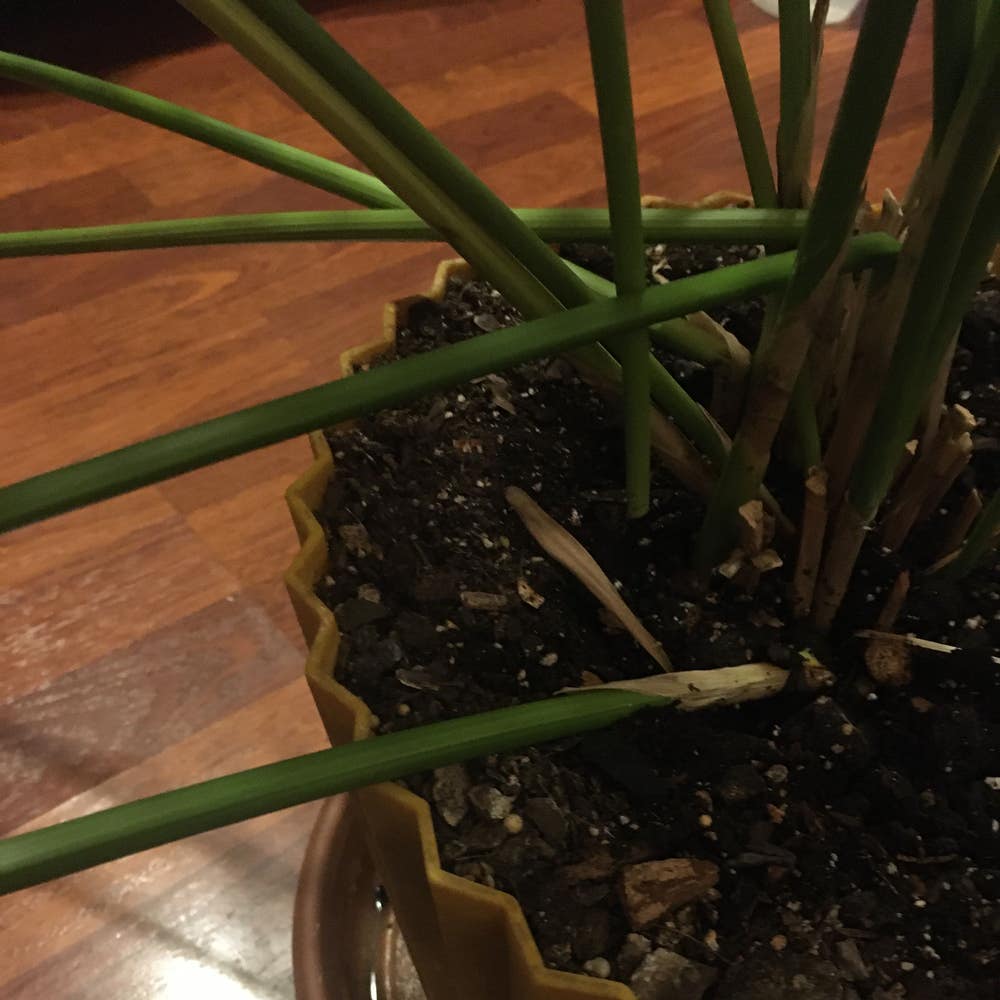
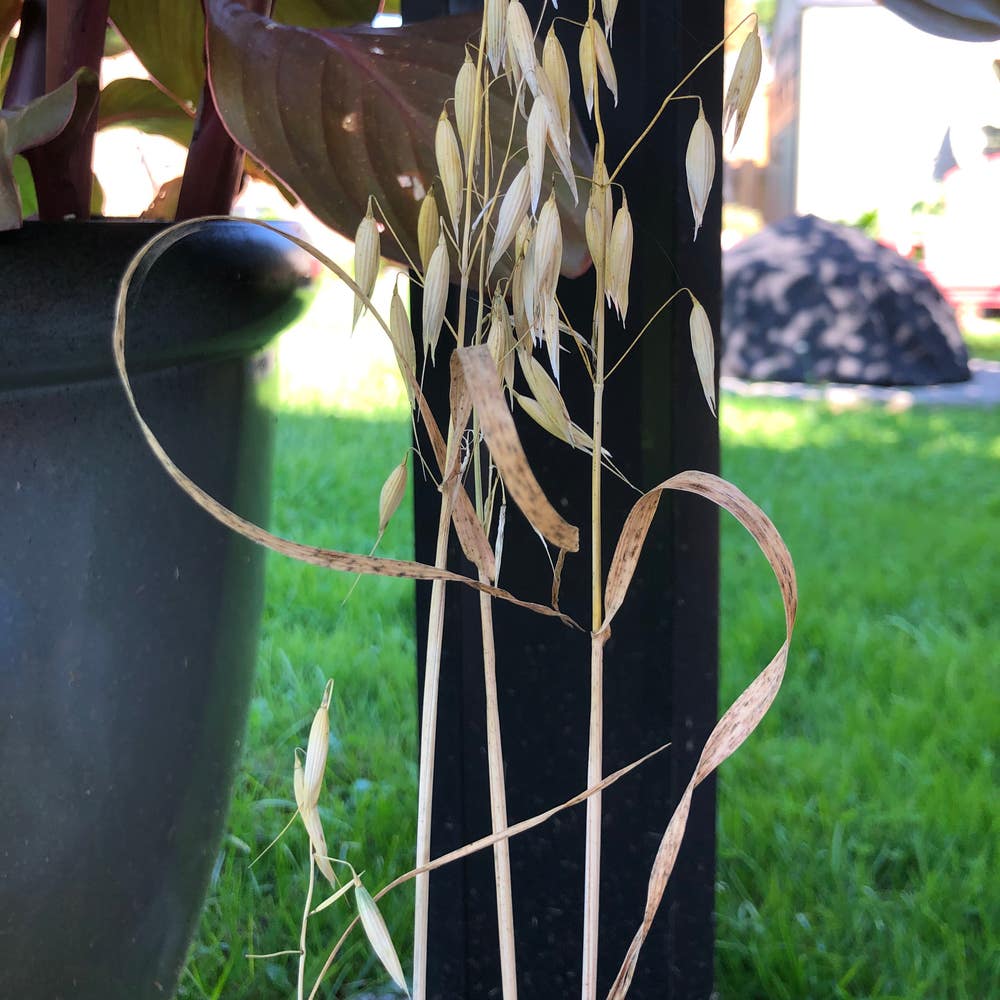
Kabar Sedge: A Comprehensive Overview
Cyperus kabarensis
By the Greg Editorial Team
Feb 28, 2025•11 min read
This article was created with the help of AI so we can cover more plants for you. May contain errors. See one? Report it here.
- 🌞🌱 Kabar Sedge thrives in full sun and well-draining sandy soils for optimal growth.
- 💧❗️ Regular watering is crucial until established; then reduce to prevent root rot.
- 🌿🐦 Kabar Sedge supports wildlife and offers erosion control, enhancing garden aesthetics.
How to Grow
Choosing a Location 🌞
Kabar Sedge thrives in full sun to partial shade, making it versatile for various garden settings. It prefers well-draining sandy soils but can tolerate salt and drought conditions, which is a bonus for coastal or arid areas.
Soil Preparation 🧪
Aim for a soil pH between 6.0 and 7.0 for optimal growth. Good drainage is crucial; it helps prevent root rot, ensuring your plants stay healthy and vibrant.
Planting Techniques 🌱
When planting, space your Kabar Sedge 12-18 inches apart to allow for optimal growth. Be sure to plant at the same depth as it was in the nursery container to promote healthy root development.
Watering Requirements 💧
Water your Kabar Sedge regularly until it is established, then reduce the frequency. Utilizing drip irrigation or soaker hoses can help maintain consistent moisture without overwatering.
Fertilizing 🌿
A balanced NPK fertilizer, such as 10-10-10, is ideal for Kabar Sedge. Fertilize in early spring and mid-summer to support robust growth and flowering.
Pruning and Maintenance ✂️
Prune your Kabar Sedge in late winter or early spring, just before new growth begins. Focus on removing dead or damaged leaves at the base to encourage fresh, healthy growth.
Container Growing Considerations 🪴
If you're growing Kabar Sedge in containers, choose pots that are at least 12 inches in diameter. Ensure that your pots have drainage holes to prevent waterlogging, which can lead to root issues.
With these growing tips, you'll set your Kabar Sedge up for success, creating a lush and resilient addition to your landscape. Next, let’s explore how to propagate this versatile plant effectively.
Propagation
🌱 Seed Propagation
To propagate Kabar Sedge from seeds, start by sowing them in the spring. Keep the soil moist during the germination period, which typically lasts between 2 to 4 weeks.
✂️ Division of Clumps
Another effective method is dividing clumps of established plants. The best time for this is early spring or fall, when the plant is not under stress.
Carefully separate the clumps and replant them immediately to ensure they thrive in their new locations. This method not only helps in propagation but also promotes healthier growth by reducing overcrowding.
With these techniques, you can easily expand your Kabar Sedge collection and enjoy its benefits in various areas of your garden. Now, let’s explore the lifecycle of this resilient plant.
Lifecycle
Overview of Lifecycle Stages 🌱
Kabar sedge undergoes several distinct stages throughout its lifecycle. These include seed or cutting, germination, seedling stage, vegetative growth, flowering, and seed production.
Germination Period and Seedling Stage 🌼
The germination period for Kabar sedge typically lasts between 2 to 4 weeks. Once germinated, the seedling stage continues until the plants reach a height of 4 to 6 inches.
Vegetative Growth and Flowering 🌸
During late spring, Kabar sedge enters a rapid vegetative growth phase. Flowering usually occurs from late spring to early summer, showcasing its vibrant blooms.
Seed Production and Lifespan 🌾
Following flowering, Kabar sedge produces seeds that mature by late summer. Under optimal conditions, this plant can live for several years, contributing to its resilience in various environments.
Growth Timeline ⏳
Kabar sedge takes approximately 1 to 2 years to reach full maturity. Its moderate growth rate allows it to achieve a mature size within 1 to 2 growing seasons, making it a reliable choice for gardeners.
This lifecycle overview highlights the adaptability and longevity of Kabar sedge, setting the stage for understanding its growth requirements and benefits. Next, we will explore the size characteristics of this remarkable plant.
Size
Mature Height and Spread 🌱
Kabar sedge typically reaches a mature height of up to 2 feet. Its clumping habit allows it to spread 1-2 feet wide, making it an attractive addition to any landscape.
Growth Rate and Factors Affecting Size ⏳
This plant has a moderate growth rate, which can be influenced by several factors. Soil quality, water availability, and sunlight exposure all play crucial roles in determining how quickly Kabar sedge grows.
Size Variability Based on Growing Conditions 🌍
The size of Kabar sedge can vary significantly based on its growing conditions. In poor soils or areas with inadequate light, you may notice smaller plants that don't reach their full potential.
Understanding these aspects of size can help you create the ideal environment for Kabar sedge to thrive. Next, let’s explore the root system characteristics that support its growth.
Roots
Root System Characteristics 🌱
Kabar sedge features a fibrous root system that plays a crucial role in its stability and growth. These roots can extend 12 to 18 inches deep, allowing the plant to anchor itself securely in the soil.
Root Depth and Spread 🌍
The roots of Kabar sedge spread horizontally, which helps stabilize the plant and absorb nutrients effectively. This horizontal growth is essential for maintaining the plant's health and resilience.
Common Root-Related Issues ⚠️
One common issue with Kabar sedge is root rot, often caused by overwatering. To prevent this, ensure good drainage in the planting area.
Another problem is becoming rootbound, which occurs when roots grow out of drainage holes. If you notice this, it's time to repot the plant to give it more space.
Visual Cues for Healthy vs. Unhealthy Roots 👀
Healthy roots are typically firm, white, and spread evenly throughout the soil. In contrast, unhealthy roots may appear dark, mushy, or emit a foul smell, indicating a need for immediate attention.
Understanding these root characteristics and issues can significantly enhance your ability to care for Kabar sedge. With proper attention, you can ensure a thriving plant that contributes to your landscape's beauty and health.
Next, let’s explore the benefits of growing Kabar sedge and how it can enhance your garden.
Benefits
Top 5 Benefits 🌟
Kabar Sedge is more than just a pretty plant; it offers a range of benefits that make it a valuable addition to any garden.
Erosion Control
One of the standout features of Kabar Sedge is its ability to stabilize sandy soils. This makes it an excellent choice for preventing erosion, especially in areas prone to soil loss.
Aesthetic Appeal
With its lush green foliage, Kabar Sedge adds texture and greenery to landscapes. It can enhance the visual interest of your garden, creating a vibrant and inviting atmosphere.
Wildlife Habitat
This plant serves as a vital habitat for various species. It provides shelter and food, supporting local wildlife and promoting biodiversity in your garden.
Cultural Significance
In East Asia, Kabar Sedge holds cultural importance and is often used in traditional practices. Its historical relevance adds depth to its presence in modern gardens.
Environmental Benefits
Kabar Sedge plays a role in improving water filtration. By promoting biodiversity, it contributes to a healthier ecosystem, making it a smart choice for environmentally conscious gardeners.
Incorporating Kabar Sedge into your landscape not only beautifies your space but also supports the environment and local wildlife. Its multifaceted benefits make it a plant worth considering for any garden enthusiast.
Companion Plants
🌱 Concept of Companion Planting
Companion planting is a gardening strategy that enhances diversity, promotes plant health, and aids in pest management. By selecting the right companions, you can create a thriving ecosystem in your garden.
🌼 Best Companion Plants
For Kabar Sedge, consider pairing it with native grasses, wildflowers, and other sedges that share similar care requirements. These plants not only complement each other aesthetically but also work together to deter pests and attract beneficial insects.
🚫 Plants to Avoid
Be cautious of plants that require heavy watering or compete for nutrients. Such plants can hinder the growth of Kabar Sedge and disrupt the balance of your garden.
Incorporating companion plants can significantly enhance your gardening experience. By fostering a supportive environment, you’ll not only enjoy a more vibrant landscape but also contribute to a healthier ecosystem. Next, let’s explore the potential toxicity of Kabar Sedge to humans, dogs, and cats.
Toxicity to Humans
Safety Around Humans 🛡️
Kabar sedge is not listed as toxic by major poison control centers, making it a safe choice for gardens and landscapes. You can handle and even ingest it in small amounts without worry.
Potential Minor Issues ⚠️
While generally safe, there may be minor issues such as mild skin irritation or digestive discomfort if consumed in large quantities. It's always wise to be cautious with any plant.
Recommendations for Caution ⚠️
Exercise caution with Kabar sedge, as with any plant. If you experience unusual symptoms after contact or consumption, seek medical advice promptly.
Transitioning to the next topic, it's important to consider how Kabar sedge interacts with pets, especially dogs and cats.
Toxicity to Dogs
Safety Around Dogs 🐶
Kabar sedge is not listed as toxic to dogs by major pet poison control centers. This means it's generally safe for your furry friends, but it's wise to monitor their behavior around the plant.
Potential Minor Issues ⚠️
While Kabar sedge is safe, consuming large quantities might lead to mild gastrointestinal upset. Keep an eye on your dog if they decide to munch on it.
Tips for Introducing in Homes with Dogs 🏡
To ensure a harmonious home, place Kabar sedge out of your dog's reach. Regularly observe your dog's interactions with the plant to prevent any potential issues.
With these precautions, you can enjoy the beauty of Kabar sedge while keeping your canine companions safe. Next, let’s explore its toxicity to cats.
Toxicity to Cats
Safety Around Cats 🐱
Kabar Sedge is not listed as toxic to cats by major pet poison control centers. This means it’s generally safe for your feline friends, but it’s wise to monitor their behavior around the plant.
Potential Minor Issues ⚠️
While Kabar Sedge is safe, consuming large quantities may lead to mild gastrointestinal upset. Keep an eye on your cat to ensure they don’t overindulge.
Tips for Introducing in Homes with Cats 🏡
To ensure a harmonious home, place Kabar Sedge out of your cat's reach. Observing your cat's interactions with the plant can help you gauge their interest and prevent any potential issues.
With these precautions, you can enjoy the beauty of Kabar Sedge while keeping your furry companions safe. Next, let’s explore how to tackle common problems that may arise when growing this versatile plant.
Problems
🌱 Common Problems
Kabar Sedge can face several common issues that affect its health and growth.
- Incorrect watering: Overwatering leads to yellowing leaves, while underwatering causes wilting.
- Incorrect light conditions: Too much sun results in leaf scorch, whereas too little light can cause leggy growth.
- Incorrect temperature: Cold damage may occur in frost-prone areas, impacting overall plant vitality.
- Diseases: Fungal problems like powdery mildew and rust can hinder growth and appearance.
- Root problems: Poor drainage can cause root rot, with squishy roots signaling trouble.
🔍 Symptoms and Causes
Identifying problems early is key to maintaining healthy Kabar Sedge.
Look for visual cues such as yellowing leaves or wilting to determine watering issues. Environmental factors, like light exposure and temperature fluctuations, also play a significant role in plant health.
🛠️ Solutions
Fortunately, many of these issues have straightforward solutions.
- Overwatering: Adjust your watering schedule and improve drainage to keep roots healthy.
- Light conditions: If your plant is struggling, consider relocating it to a spot with more suitable light.
- Diseases: Apply fungicides or enhance air circulation around the plant to combat fungal issues.
By addressing these common problems proactively, you can ensure your Kabar Sedge thrives in your garden. Next, let’s explore the potential pest issues that may arise and how to tackle them effectively.
Bugs
Potential Pest Issues 🐜
Kabar sedge is generally pest-resistant, making it a robust choice for your garden. However, it can still fall victim to a few pesky invaders.
Identification and Damage 🔍
Spider Mites: Look for fine webbing and stippled leaves, which indicate these tiny pests are at work.
Scale Insects: These pests leave a sticky residue and cause yellowing leaves, signaling their presence.
Mealybugs: Identified by cotton-like masses on stems and leaves, mealybugs can weaken your plants.
Treatment Options 💊
To combat these pests effectively, consider using insecticidal soap or neem oil. Both options are gentle yet effective, helping to restore your Kabar sedge's health without harsh chemicals.
With a little vigilance and timely action, you can keep your Kabar sedge thriving and pest-free. Next, let’s explore what animals might be interested in munching on this resilient plant.
What Eats Kabar Sedge
🦌 Common Animals
Kabar sedge attracts a variety of wildlife, making it a popular snack for many animals. Deer, rabbits, squirrels, birds, rodents, and groundhogs are known to nibble on its lush foliage.
🐾 Signs of Damage
If your Kabar sedge is being feasted upon, you'll notice some telltale signs. Look for chewed leaves, trampled plants, and droppings nearby, which indicate that these critters have been enjoying your garden.
🚫 Deterrent Methods
To protect your Kabar sedge, consider implementing a few deterrent methods.
Chemical Methods
Commercial repellents can be effective in keeping hungry animals at bay. These products often contain scents or tastes that animals find unappealing.
Organic Methods
For a more natural approach, you can plant deterrent species nearby or use physical barriers. Consider surrounding your sedge with plants that animals dislike or installing fences to create a protective barrier.
By being proactive, you can enjoy the beauty of Kabar sedge without the worry of it becoming a buffet for local wildlife.
⚠️ Safety First
This content is for general information and may contain errors, omissions, or outdated details. It is not medical, veterinary advice, or an endorsement of therapeutic claims.
Always consult a qualified healthcare professional before using any plant as food, medicine, or supplement.
Never eat any plant (or feed one to pets) without confirming its identity with at least two trusted sources.
If you suspect poisoning, call Poison Control (800) 222-1222, the Pet Poison Helpline (800) 213-6680, or your local emergency service immediately.
Spotted an error? Please report it here.
Nurture your Kabar Sedge to thriving heights 🌿 with Greg's tailored care reminders and expert tips, ensuring it flourishes beautifully in your garden!