🌿 What is a Jersey Cudweed? Complete Guide
Helichrysum luteoalbum
By the Greg Editorial Team
Jan 23, 2025•9 min read
This article was created with the help of AI so we can cover more plants for you. May contain errors. See one? Report it here.
- 🌞 Jersey Cudweed needs 6-8 hours of sunlight daily for optimal growth.
- 🌱 Ideal soil is sandy or loamy with a pH of 6.0 to 7.0.
- 💧 Regular watering and monthly fertilization support healthy Jersey Cudweed development.
How to Grow
🌞 Choosing a Location for Optimal Growth
To ensure your Jersey Cudweed thrives, select a spot with full sun exposure, ideally 6-8 hours daily. The soil should be well-draining, sandy, or loamy to promote healthy root development.
When considering outdoor versus container growing, remember that both methods have their advantages. Outdoor plants benefit from natural conditions, while containers allow for easier management of soil and water.
🏗️ Soil Preparation and Amendments
Aim for a soil pH between 6.0 and 7.0 for optimal growth. Enhance soil fertility by incorporating compost or well-rotted manure before planting.
🌱 Planting Techniques and Spacing
Plant seeds at a depth of 1/4 inch to ensure proper germination. Space your seeds 12-18 inches apart to give each plant room to grow.
Timing is crucial; aim to plant in early spring or fall for the best results. This will align with the natural growth cycles of the Jersey Cudweed.
💧 Watering Requirements and Schedules
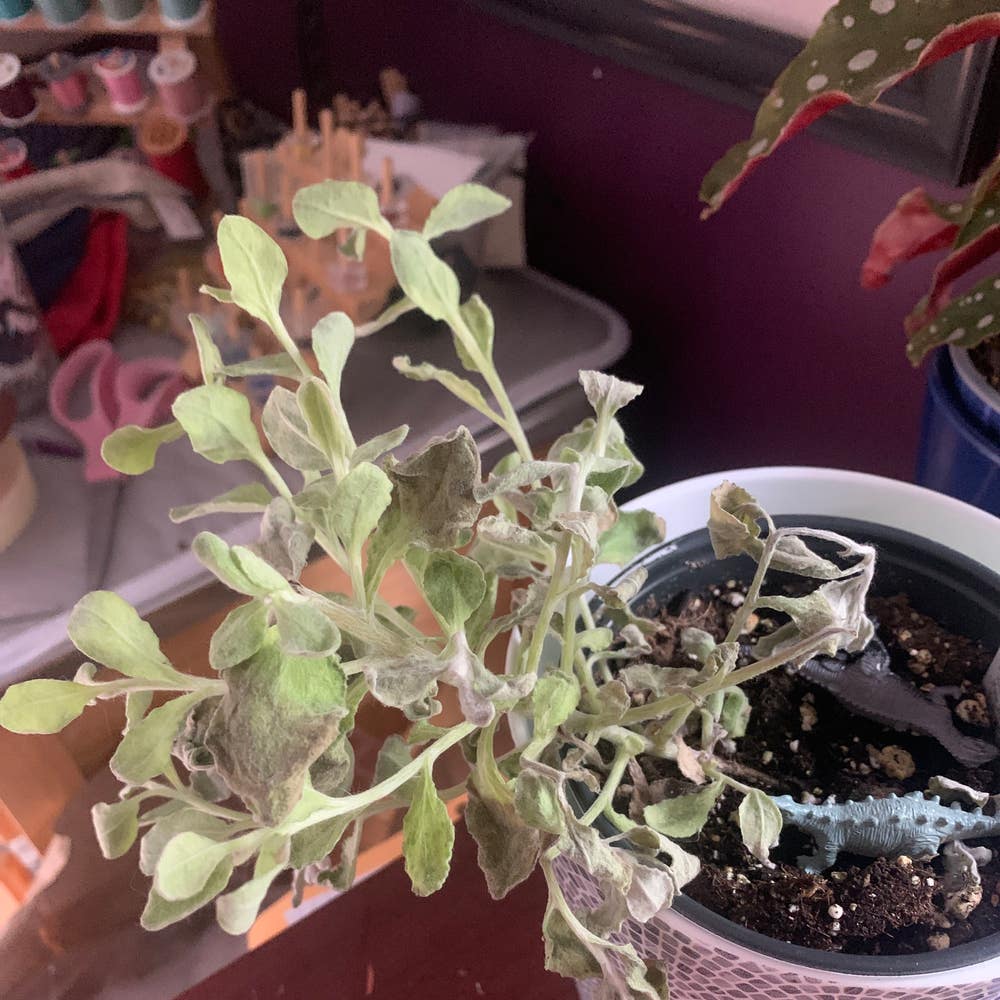
Water your plants regularly until they are established, then moderate your watering schedule. Watch for signs of overwatering, like yellowing leaves, or underwatering, indicated by wilting.
🌿 Fertilizing Strategies for Healthy Growth
Fertilize your Jersey Cudweed monthly during the growing season. A balanced NPK fertilizer will provide the nutrients necessary for robust growth.
✂️ Pruning and Ongoing Care Tips
Regularly prune your plants by removing dead or damaged leaves. This encourages new growth and keeps your plants healthy.
Ongoing care is essential; monitor your plants for pests and diseases to catch any issues early.
🏺 Outdoor vs. Container Growing Considerations
If you're growing in containers, choose pots that are at least 12 inches deep to allow for proper root development. Ensure your pots have drainage holes to prevent root rot, which can be detrimental to your plants' health.
With these guidelines, you're well on your way to successfully growing Jersey Cudweed. Next, let’s explore propagation methods to expand your garden even further.
Propagation
🌱 Seed Propagation Methods
Growing Jersey Cudweed from seeds is straightforward. You can either sow them directly in your garden or start them indoors for an earlier start.
Germination typically takes about 7-14 days under optimal conditions. Ensure you provide warmth and moisture to encourage sprouting.
✂️ Division of Established Plants
Dividing established plants is another effective propagation method. The best time for this is early spring or fall when the plant is not under stress.
To divide, carefully separate the roots and replant them in prepared soil. This method helps rejuvenate the plant and can increase your garden's stock.
🌿 Tips for Successful Cuttings
Taking cuttings is a great way to propagate Jersey Cudweed. Select healthy stems that are about 4-6 inches long for the best chance of success.
For rooting, use a mix of peat and perlite. This combination provides excellent drainage and aeration, promoting healthy root development.
With these propagation techniques, you can easily expand your Jersey Cudweed collection and enjoy its many benefits in your garden. Next, let’s explore the lifecycle of this resilient plant.
Lifecycle
Lifecycle Stages 🌱
The Jersey Cudweed is typically a perennial herb, meaning it can live for several years. Its lifecycle begins with germination, which takes about 7 to 14 days under optimal conditions.
Once germinated, the plant develops true leaves and establishes its root system. This is a crucial phase as strong roots support future growth.
Next, the plant grows rosette leaves and begins to elongate its stem. This stage is vital for the plant to prepare for flowering.
The flowering period occurs from late summer to early fall, showcasing the plant's beautiful blooms.
Finally, Jersey Cudweed reaches full growth approximately 2 to 3 months after planting from seed. This rapid development makes it an attractive option for gardeners looking for quick results.
Understanding these lifecycle stages helps ensure successful cultivation and care of Jersey Cudweed, setting the stage for its many benefits.
Size
Mature Height and Spread 🌱
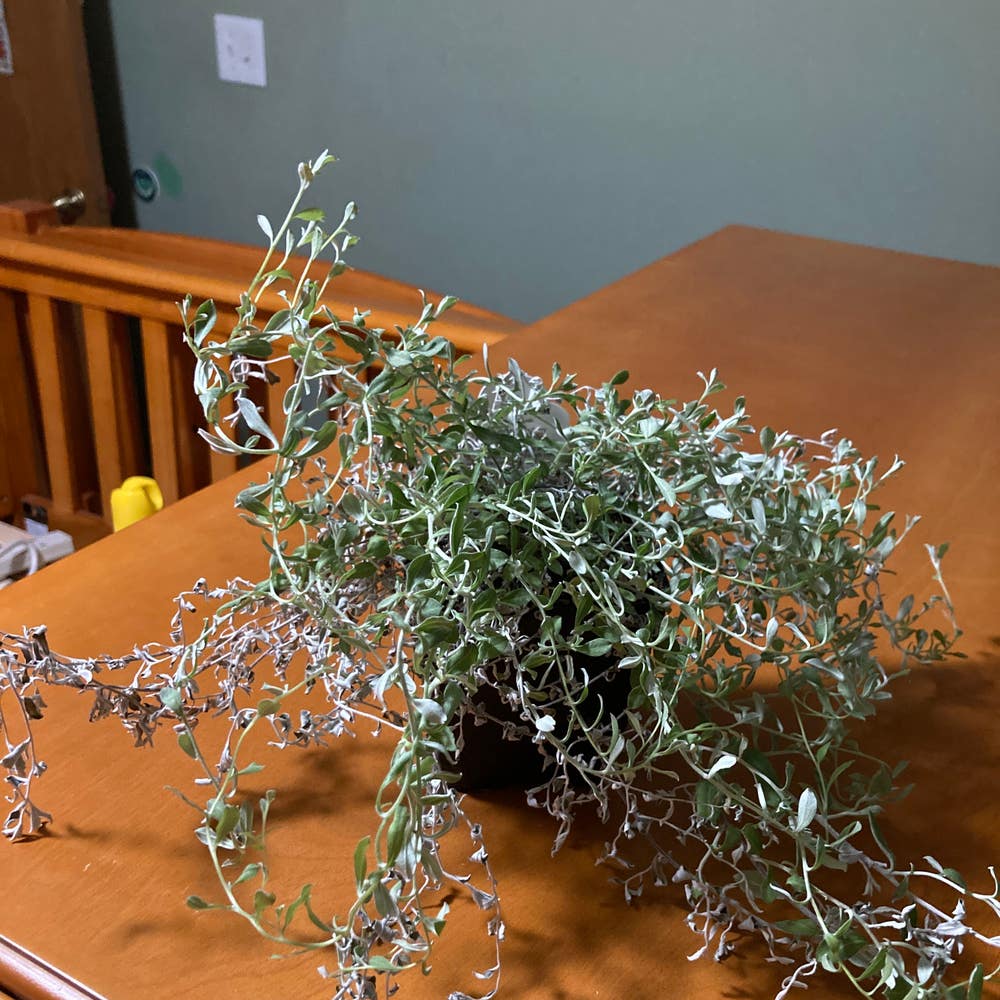
Jersey Cudweed typically reaches a mature height of 12 to 24 inches, making it a versatile addition to your garden. Its spread ranges from 12 to 18 inches, allowing it to fill space without overwhelming neighboring plants.
Time to Reach Full Size ⏳
From seed to full maturity, expect Jersey Cudweed to take about 2 to 3 months. This relatively quick growth makes it an appealing choice for gardeners looking to enjoy results in a short timeframe.
Factors Affecting Size 📏
Several factors influence the size of Jersey Cudweed. Key considerations include soil quality, water availability, and sunlight exposure, all of which play a crucial role in determining how robust your plants will grow.
Understanding these aspects can help you create the ideal environment for your Jersey Cudweed, ensuring it thrives and reaches its full potential. With the right care, you’ll enjoy a lush display of this unique herb in no time.
As we move forward, let’s explore the root system characteristics that support this plant's growth and stability.
Roots
🌱 Root System Characteristics
The Jersey Cudweed features a fibrous root system that is essential for its stability and nutrient uptake. Typically, these roots reach a depth of 12 to 18 inches, allowing the plant to access moisture and nutrients effectively.
🚪 Signs of Rootbound
As the plant grows, it’s crucial to monitor its root development. If you notice roots growing out of the drainage holes, your Jersey Cudweed may be rootbound, indicating it needs more space to thrive.
🛠️ Remedy for Rootbound Plants
To remedy a rootbound situation, repot your Jersey Cudweed into a larger container. This will provide the roots with the room they need to expand and continue supporting healthy growth.
Understanding the root system of your Jersey Cudweed is vital for its overall health. With proper care, you can ensure that these roots contribute to a robust and flourishing plant.
Next, let’s explore the benefits of growing Jersey Cudweed and how it can enhance your garden.
Benefits
Top 5 Benefits 🌟
Jersey Cudweed is not just a pretty face in the garden; it offers a range of benefits that make it a valuable addition to any landscape.
Medicinal Uses: This plant boasts anti-inflammatory and antiseptic properties, making it a natural remedy for various ailments. Whether used in teas or topical applications, its medicinal qualities are worth exploring.
Attracts Beneficial Insects: By planting Jersey Cudweed, you invite pollinators like bees and butterflies into your garden. These beneficial insects play a crucial role in maintaining a healthy ecosystem.
Erosion Control: Its robust root system helps stabilize soil, especially in sandy areas. This makes Jersey Cudweed an excellent choice for preventing soil erosion.
Drought Resistance: Thriving in dry conditions, Jersey Cudweed reduces your garden's water needs. This resilience makes it a smart choice for sustainable gardening practices.
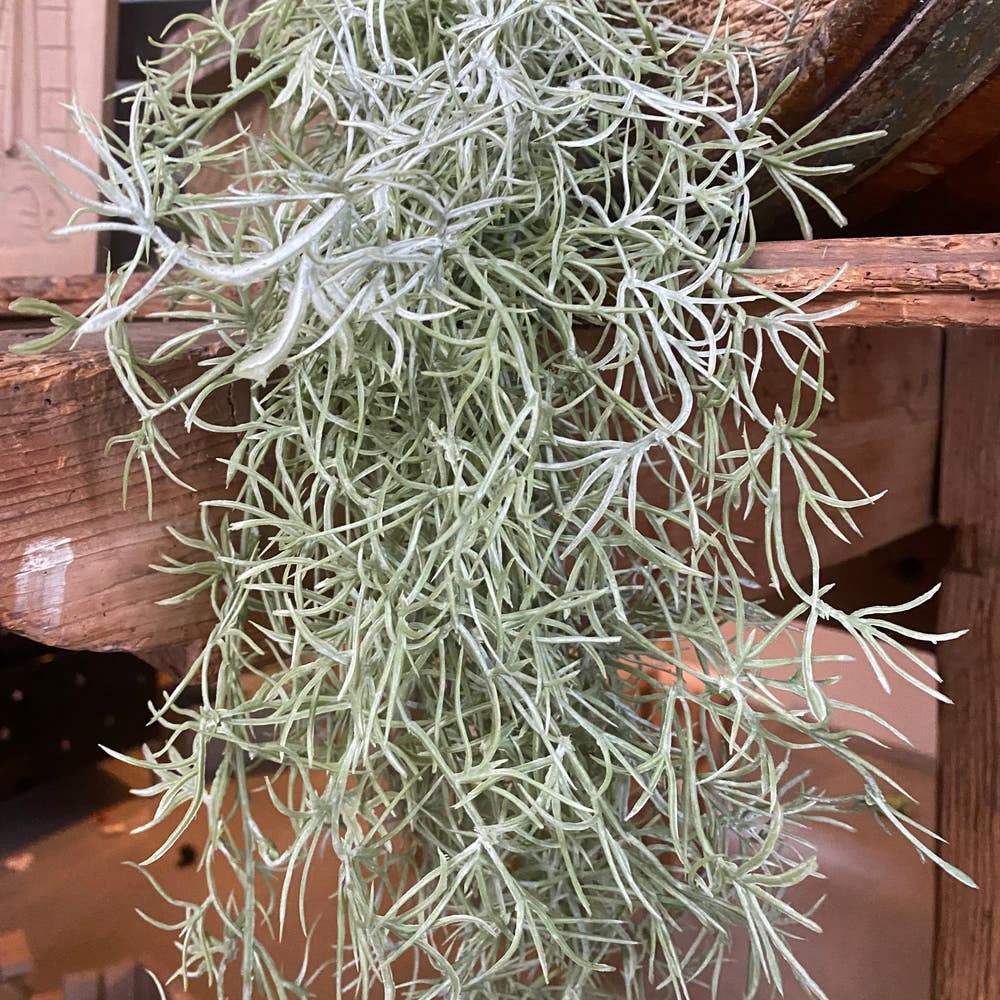
Aesthetic Appeal: With its unique foliage and flowers, Jersey Cudweed enhances garden diversity. Its visual interest can elevate the overall look of your outdoor space.
Incorporating Jersey Cudweed into your garden not only beautifies your space but also supports the environment and promotes sustainability. Ready to learn more about how to grow this remarkable plant? Let's dive into the next section!
Companion Plants
🌱 Companion Planting Benefits
Companion planting is a fantastic strategy for enhancing your garden's health and productivity. It promotes pest management, boosts growth, and increases overall garden diversity.
🌼 Beneficial Companion Plants
When growing Jersey Cudweed, consider pairing it with drought-tolerant herbs like yarrow and lavender. These companions not only thrive in similar conditions but also attract beneficial insects that can help pollinate your plants.
🚫 Plants to Avoid
However, not all plants are good neighbors. Avoid heavy feeders that compete for nutrients, as they can hinder the growth of your Jersey Cudweed.
By choosing the right companions, you can create a thriving garden ecosystem that supports your plants and enhances their beauty.
Problems
Common Problems with Jersey Cudweed 🌱
Growing Jersey Cudweed can be rewarding, but it comes with its share of challenges. Understanding these common problems is key to maintaining a healthy plant.
Incorrect Watering 🚰
Watering is crucial for plant health. Overwatering often leads to yellowing leaves, while underwatering results in wilting.
Incorrect Light Conditions ☀️
Light exposure plays a significant role in growth. Too much sun can cause leaf scorch, damaging your plant’s vitality.
Incorrect Temperature 🌡️
Temperature fluctuations can be detrimental. In frost-prone areas, cold damage can occur, stunting growth and harming the plant.
Fungal Issues 🍄
Fungal diseases like powdery mildew and rust can plague Jersey Cudweed. Regular monitoring and prompt action are essential to prevent these issues.
By staying vigilant and addressing these common problems, you can ensure your Jersey Cudweed thrives. Next, let’s explore the pests that might disrupt your gardening efforts.
Bugs
🛡️ Pest Resistance
Jersey Cudweed is generally pest-resistant, making it a resilient choice for gardeners. However, it can still fall victim to certain pests that may threaten its health.
🐜 Potential Pests
Common pests that may invade include:
- Spider mites: Tiny but troublesome, they can cause significant damage.
- Aphids: These small insects suck sap from the plant, weakening it.
- Mealybugs: Known for their cotton-like appearance, they can also sap the plant's strength.
💧 Treatment Options
When it comes to managing pests, you have options. For spider mites, a strong spray of water can dislodge them, while insecticidal soap works wonders for aphids and mealybugs.
For a more organic approach, consider introducing beneficial insects like ladybugs, which feast on aphids. If you prefer chemical treatments, ensure you follow the instructions carefully to protect your plant and the environment.
By staying vigilant and proactive, you can keep your Jersey Cudweed thriving and pest-free. Next, let’s explore what animals might be interested in munching on your plants.
What Eats
Common Animals 🦌
Jersey cudweed can attract a variety of hungry critters. The most common culprits include deer, rabbits, and squirrels, all of which may find your plants quite appetizing.
Signs of Damage 🐾
Identifying damage from these animals is crucial for effective management. Look for chewed leaves, tracks in the soil, and droppings nearby, which can indicate their presence.
Deterrent Methods 🚧
To protect your precious plants, consider both chemical and organic control methods. Fencing can be an effective barrier, while repellents can help keep these animals at bay, ensuring your Jersey cudweed thrives.
By being proactive, you can enjoy the beauty and benefits of your plants without the worry of them becoming a snack for local wildlife.
⚠️ Safety First
This content is for general information and may contain errors, omissions, or outdated details. It is not medical, veterinary advice, or an endorsement of therapeutic claims.
Always consult a qualified healthcare professional before using any plant as food, medicine, or supplement.
Never eat any plant (or feed one to pets) without confirming its identity with at least two trusted sources.
If you suspect poisoning, call Poison Control (800) 222-1222, the Pet Poison Helpline (800) 213-6680, or your local emergency service immediately.
Spotted an error? Please report it here.
Cultivating Jersey Cudweed can lead to a thriving garden 🌱, and with Greg's tailored watering reminders and expert tips, you'll ensure your plants flourish while attracting beneficial insects and enjoying their medicinal benefits!