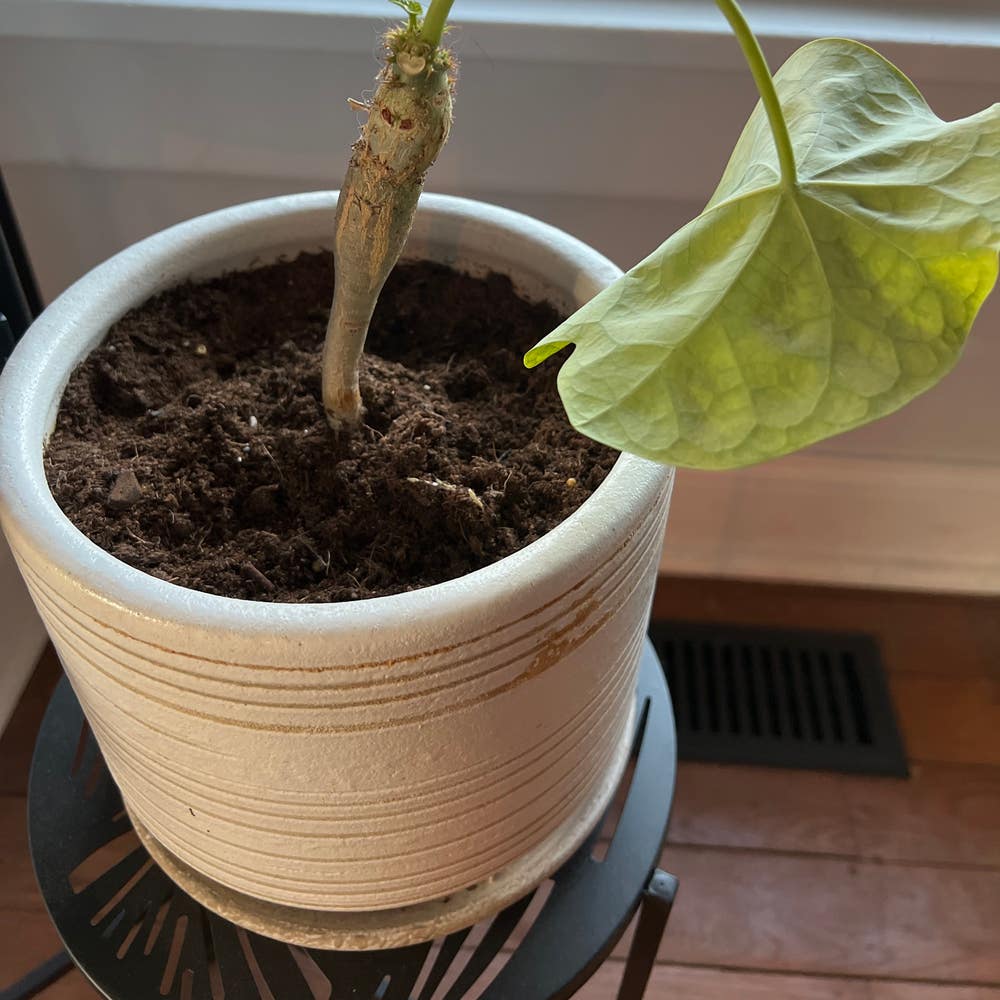
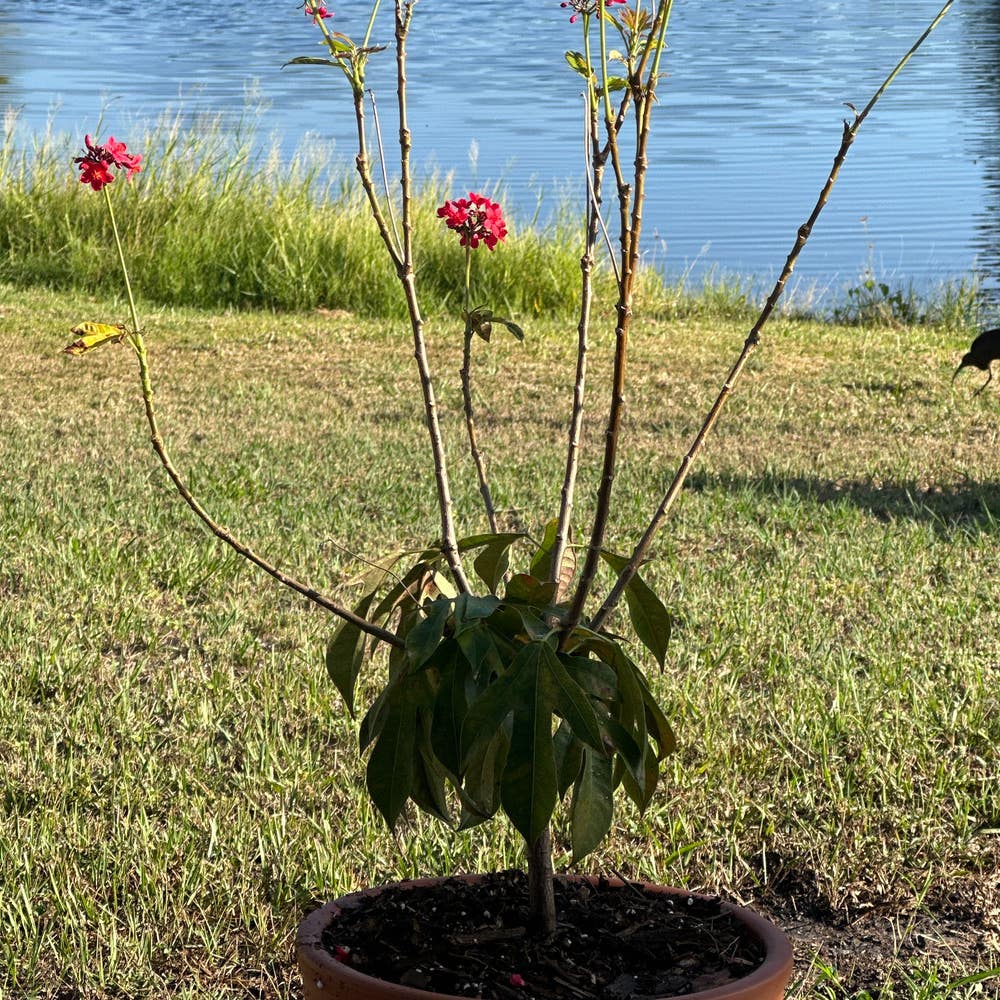
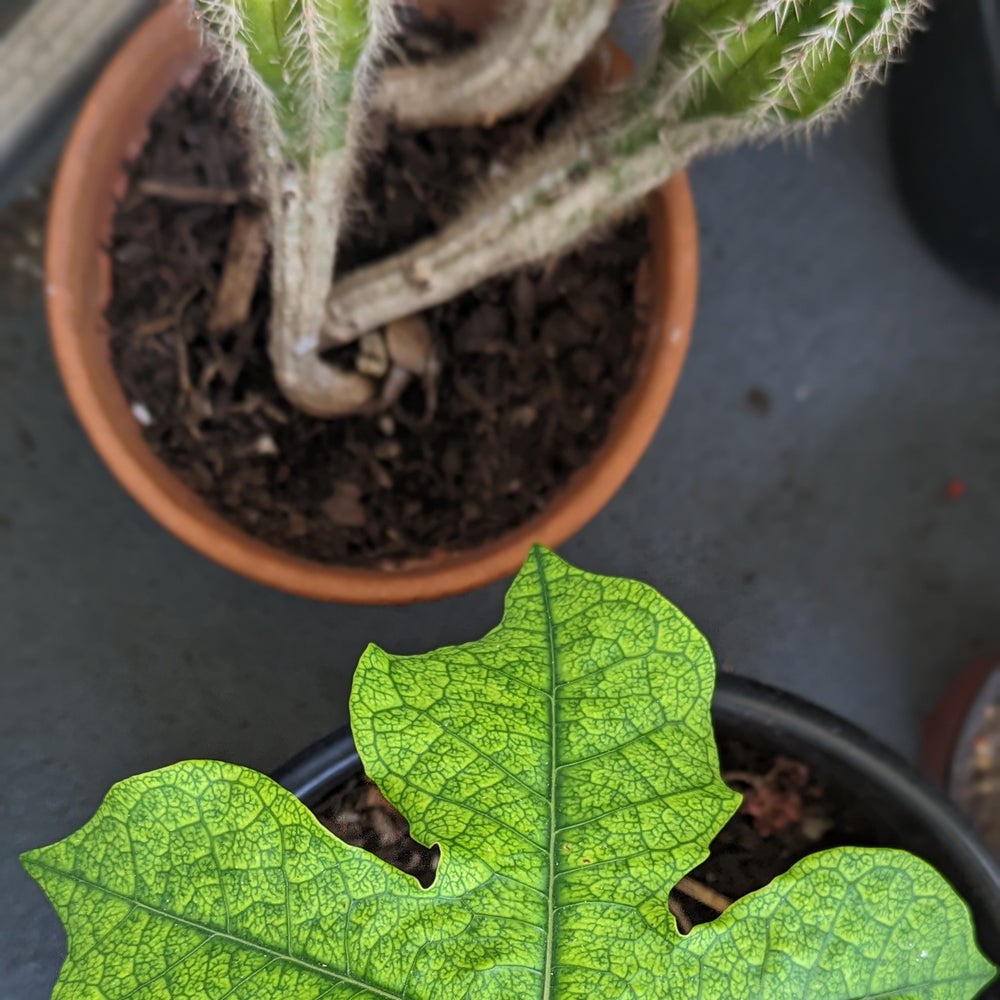
🌼 Overview of Jatropha mirandana
Jatropha mirandana
By the Greg Editorial Team
Feb 26, 2025•11 min read
This article was created with the help of AI so we can cover more plants for you. May contain errors. See one? Report it here.
- 🌞 Jatropha mirandana needs 6-8 hours of sunlight daily for optimal growth.
- 🌱 Well-drained, fertile soil with pH 6.0-7.0 is essential for healthy development.
- ⚠️ Jatropha mirandana is toxic to pets and humans; handle with care!
How to Grow
🌞 Choosing a Location
To thrive, Jatropha mirandana needs full sun, soaking up 6-8 hours of sunlight daily. It flourishes in warm, tropical climates, so pick a spot that mimics these conditions for optimal growth.
🌱 Soil Preparation
This plant prefers well-drained, fertile soil that allows roots to breathe. Aim for a soil pH between 6.0 and 7.0, which is slightly acidic to neutral, to keep your Jatropha happy.
🌿 Planting Techniques
When planting seeds, bury them 1-2 inches deep to encourage strong roots. For outdoor planting, space them 2-3 feet apart to give each plant room to grow.
💧 Watering Requirements
Water your Jatropha when the top inch of soil feels dry to the touch. Be cautious of waterlogging; good drainage is essential to prevent root rot.
🌼 Fertilizing Schedule
Use a balanced NPK fertilizer to nourish your plants. Apply it every 4-6 weeks during the growing season to support healthy growth and flowering.
✂️ Pruning Methods
Prune your Jatropha in early spring, just before new growth begins. Focus on removing any dead or damaged branches to promote a healthier plant structure.
🪴 Ongoing Care
If you're growing Jatropha in containers, choose pots with a minimum diameter of 12 inches. Regularly monitor for pests and diseases to keep your plants thriving and vibrant.
With these tips, you're well on your way to cultivating a flourishing Jatropha mirandana. Next, let’s explore how to propagate this resilient plant effectively.
Propagation
🌱 Seed Propagation
To start your journey with Jatropha mirandana, begin with seed propagation. Soak the seeds in water for 24 hours to enhance germination, which typically takes between 7 to 14 days.
✂️ Cutting Propagation
Alternatively, you can propagate through cuttings. Select healthy cuttings that are 4-6 inches long and place them in a well-draining soil or perlite mixture.
⏳ Rooting Time
Expect the rooting process to take about 2 to 4 weeks. With proper care, your cuttings will establish roots and thrive, giving you new plants to enjoy.
This propagation method is not only effective but also a rewarding way to expand your garden. Now that you know how to propagate Jatropha mirandana, let’s explore its lifecycle next.
Lifecycle
Life Cycle Stages 🌱
The lifecycle of Jatropha mirandana unfolds in several distinct stages: seed or cutting, germination, seedling, vegetative growth, flowering, and seed production. Each phase is crucial for the plant's development and overall health.
Germination Process 🌡️
For successful germination, maintain an optimal temperature between 70°F to 85°F (21°C to 29°C). This warm environment encourages the seeds to sprout effectively.
Seedling Stage 🌿
The seedling stage lasts about 4-6 weeks, during which the plant develops its true leaves. This is a vital period for establishing a strong foundation for future growth.
Vegetative Growth 🌳
Following the seedling stage, Jatropha enters vegetative growth, which typically lasts 3-6 months. During this time, the plant focuses on building its structure and foliage in preparation for flowering.
Flowering and Seed Production 🌸
Flowering and seed production usually begin 6-12 months after planting. This is an exciting phase, as the plant showcases its beautiful blooms and starts to produce seeds.
Growth Timeline and Lifespan ⏳
Jatropha mirandana reaches full maturity in about 1-2 years. Under optimal conditions, it can live for 5-10 years, providing beauty and benefits throughout its lifespan.
This lifecycle overview highlights the importance of each stage in nurturing a healthy Jatropha plant. Understanding these phases can help you provide the best care and maximize its potential. Next, let’s explore the size characteristics of this remarkable plant.
Size
Mature Height and Spread 🌱
Jatropha mirandana typically reaches an average height of 3 to 6 feet. Its spread ranges from 2 to 4 feet, making it a manageable plant for various garden spaces.
Growth Rate and Size Variability 📈
This plant has a moderate growth rate, averaging about 1 to 2 feet per year. However, growth can vary based on environmental factors and care practices.
Impact of Growing Conditions on Size 🌍
The size of Jatropha mirandana is significantly influenced by its growing conditions. Factors such as sunlight exposure, soil quality, and water availability play crucial roles in determining its overall growth and health.
Understanding these aspects can help you optimize your gardening efforts. By providing the right conditions, you can ensure your Jatropha thrives and reaches its full potential.
Ready to learn more about the roots of this fascinating plant? Let's dive into the next section!
Roots
Root System Characteristics 🌱
Jatropha mirandana features a deep taproot system that anchors the plant securely in the soil. This robust root structure allows it to access nutrients and moisture from deeper layers, making it resilient in various conditions.
Depth and Spread of Roots 📏
Typically, the roots can reach depths of up to 3 feet. They can also spread horizontally, extending 2-3 feet, which helps the plant stabilize and thrive.
Common Root-Related Issues ⚠️
One of the most common problems is root rot, often caused by overwatering. Signs of root issues include wilting and yellowing leaves, indicating that the plant is struggling.
Identifying Healthy vs. Unhealthy Roots 🔍
Healthy roots are firm and exhibit a white or light tan color. In contrast, unhealthy roots appear dark, mushy, or may even emit a foul smell, signaling that something is wrong.
Recognizing Rootbound Plants and Solutions 🪴
If you notice roots growing out of the drainage holes, your plant may be rootbound. The best solution is to repot it into a larger container, providing more space for growth and preventing further issues.
Understanding the root system of Jatropha mirandana is crucial for its overall health and vitality. Proper care and attention to these aspects can lead to a flourishing plant that thrives in your garden.
Next, we will explore the benefits of cultivating Jatropha mirandana, highlighting its ornamental appeal and practical uses.
Benefits
Top 5 Benefits 🌟
Jatropha mirandana offers a variety of advantages that make it a valuable addition to any garden or landscape. Here are the top five benefits:
Ornamental Appeal: With its striking flowers and lush foliage, Jatropha mirandana adds vibrant color and beauty to gardens, making it an attractive choice for ornamental planting.
Drought Resistance: This hardy plant thrives in arid conditions, making it an excellent option for water-wise gardening. Its ability to withstand dry spells helps conserve water resources.
Medicinal Uses: Traditionally, Jatropha mirandana has been recognized for its potential health benefits. Various parts of the plant are used in folk medicine, showcasing its versatility beyond mere aesthetics.
Erosion Control: The robust root system of Jatropha mirandana helps stabilize soil, making it an effective choice for erosion control in gardens and landscapes. This benefit is particularly crucial in areas prone to soil degradation.
Biodiversity: By attracting pollinators and beneficial insects, Jatropha mirandana contributes to a healthier ecosystem. Its presence can enhance biodiversity, supporting various forms of wildlife.
These benefits make Jatropha mirandana not just a pretty face in the garden but a functional and ecological asset as well. As you consider adding this plant to your space, remember its multifaceted contributions to both beauty and sustainability.
Next, let’s explore the concept of companion planting and how Jatropha mirandana can work harmoniously with other plants in your garden.
Companion Plants
🌱 Concept of Companion Planting
Companion planting is a gardening strategy that pairs plants together for mutual benefits. This technique can enhance pest management, promote healthier growth, and increase garden diversity.
🌼 Best Companion Plants
When considering companions for Jatropha mirandana, certain plants shine.
- Marigolds: Known for their pest-repelling properties, marigolds can help keep harmful insects at bay.
- Basil: This herb not only shares similar care needs but also enhances the growth of neighboring plants.
🚫 Plants to Avoid
Not all plants make good companions.
- Nightshades: These plants can compete for nutrients, potentially stunting the growth of Jatropha.
Choosing the right companions can significantly impact your garden's health and productivity. By fostering beneficial relationships among plants, you create a thriving ecosystem that supports your gardening efforts.
Toxicity to Humans
Toxic Parts 🧪
Jatropha mirandana contains several toxic components, primarily found in its leaves, seeds, and sap. These parts can pose serious health risks if mishandled.
Symptoms of Poisoning 🤢
If ingested or improperly handled, symptoms of poisoning may include nausea, vomiting, diarrhea, and dizziness. Recognizing these signs early is crucial for effective treatment.
How Poisoning Can Occur 🚨
Poisoning can occur through various routes: ingestion of seeds or leaves, skin contact with the sap, or inhalation of smoke from burning the plant. Awareness of these risks is essential for safe handling.
When to Seek Medical Care 🏥
If poisoning is suspected, seeking immediate medical care is vital. Prompt attention can significantly improve outcomes and prevent serious complications.
Understanding the toxicity of Jatropha mirandana helps ensure safe interactions with this plant. Always exercise caution and educate others about its potential dangers.
Toxicity to Dogs
Toxic Parts for Dogs 🐾
Jatropha mirandana can pose a risk to dogs, particularly its leaves and seeds. These parts contain compounds that can be harmful if ingested.
Symptoms of Poisoning in Dogs 🤢
If a dog consumes any part of this plant, watch for common symptoms such as drooling, vomiting, and weakness. These signs indicate that your furry friend may need immediate attention.
Prevention Measures 🛡️
To keep your dog safe, supervise their outdoor time and consider removing Jatropha mirandana from your garden. Being proactive can prevent unfortunate incidents and ensure a safe environment for your pets.
With these precautions in mind, you can enjoy your garden while keeping your canine companions healthy and happy.
Toxicity to Cats
Toxic Parts for Cats 🐾
Jatropha mirandana can pose a risk to our feline friends. The leaves and seeds of this plant are particularly toxic if ingested.
Symptoms of Poisoning in Cats 🤢
If a cat consumes any part of the plant, you may notice several alarming symptoms. Common signs include vomiting, diarrhea, and tremors, which can indicate serious distress.
Prevention Measures 🛡️
To keep your cats safe, consider a few simple strategies. Keeping cats indoors and supervising their outdoor time can significantly reduce the risk of exposure to this toxic plant.
By being proactive, you can enjoy your garden while ensuring your furry companions remain healthy and happy.
Problems
Common Problems 🌱
Growing Jatropha mirandana can be rewarding, but it’s not without its challenges. Here are some common problems you might encounter.
Incorrect Watering 💧
Watering is crucial for plant health. Overwatering can lead to wilting, while underwatering causes drooping.
Incorrect Light Conditions ☀️
Light conditions play a significant role in growth. If your plant is leggy or has pale leaves, it may not be getting enough sunlight.
Incorrect Temperature 🌡️
Temperature fluctuations can stress your plant. Leaf drop is a common symptom when temperatures dip too low.
Diseases 🦠
Diseases can plague your Jatropha mirandana. Watch out for powdery mildew and root rot, which can severely affect plant health.
Leaf Issues 🍃
Leaf problems can signal underlying issues. Yellowing, scorching, or fuzzy growth on leaves often indicates stress or disease.
By being aware of these common problems, you can take proactive steps to ensure your Jatropha mirandana thrives. Next, let’s explore the potential pest issues that can also affect your plant's health.
Bugs
Potential Pest Issues 🐜
Jatropha mirandana can face various pest challenges, impacting its health and growth. Understanding its resistance and susceptibility to pests is crucial for effective management.
Identification of Pests 🔍
Common pests that may invade your Jatropha include spider mites, aphids, and mealybugs. Each of these pests can cause significant damage if not identified and addressed promptly.
Damage Caused by Pests ⚠️
Signs of pest damage often manifest as leaf curling, discoloration, and stunted growth. Being vigilant about these symptoms can help you catch infestations early.
Treatment Options 💊
To combat pests, consider using insecticidal soap or neem oil, both of which are effective and environmentally friendly. Additionally, introducing beneficial insects can help maintain a healthy balance in your garden.
By staying proactive and informed about potential pest issues, you can ensure your Jatropha thrives. Next, let’s explore what animals might be interested in munching on your plants.
What Eats
🦌 Common Animals
Jatropha mirandana can attract a variety of wildlife. Common visitors include deer, rabbits, and squirrels, all of which may find the plant's foliage appealing.
🕵️♂️ Signs of Animal Presence
Identifying animal activity around your plants is crucial for early intervention. Look for indicators such as chewed leaves, droppings scattered around, and tracks in the soil.
🐾 Damage Caused by Animals
Animals can cause significant damage to Jatropha mirandana. They may browse on the foliage, leading to unsightly gaps, or even uproot young plants, stunting their growth.
🚫 Deterrent Methods
To protect your plants, consider implementing several deterrent strategies. Fencing can create a physical barrier, while repellents can discourage animals from approaching. Additionally, companion planting can help by attracting beneficial insects that may deter larger pests.
By being proactive, you can enjoy the beauty of Jatropha mirandana without the worry of unwanted nibblers.
⚠️ Safety First
This content is for general information and may contain errors, omissions, or outdated details. It is not medical, veterinary advice, or an endorsement of therapeutic claims.
Always consult a qualified healthcare professional before using any plant as food, medicine, or supplement.
Never eat any plant (or feed one to pets) without confirming its identity with at least two trusted sources.
If you suspect poisoning, call Poison Control (800) 222-1222, the Pet Poison Helpline (800) 213-6680, or your local emergency service immediately.
Spotted an error? Please report it here.
Unlock the secrets to a thriving Jatropha mirandana 🌱 with Greg's tailored care reminders and expert tips, ensuring your plant flourishes beautifully while you enjoy its many benefits!