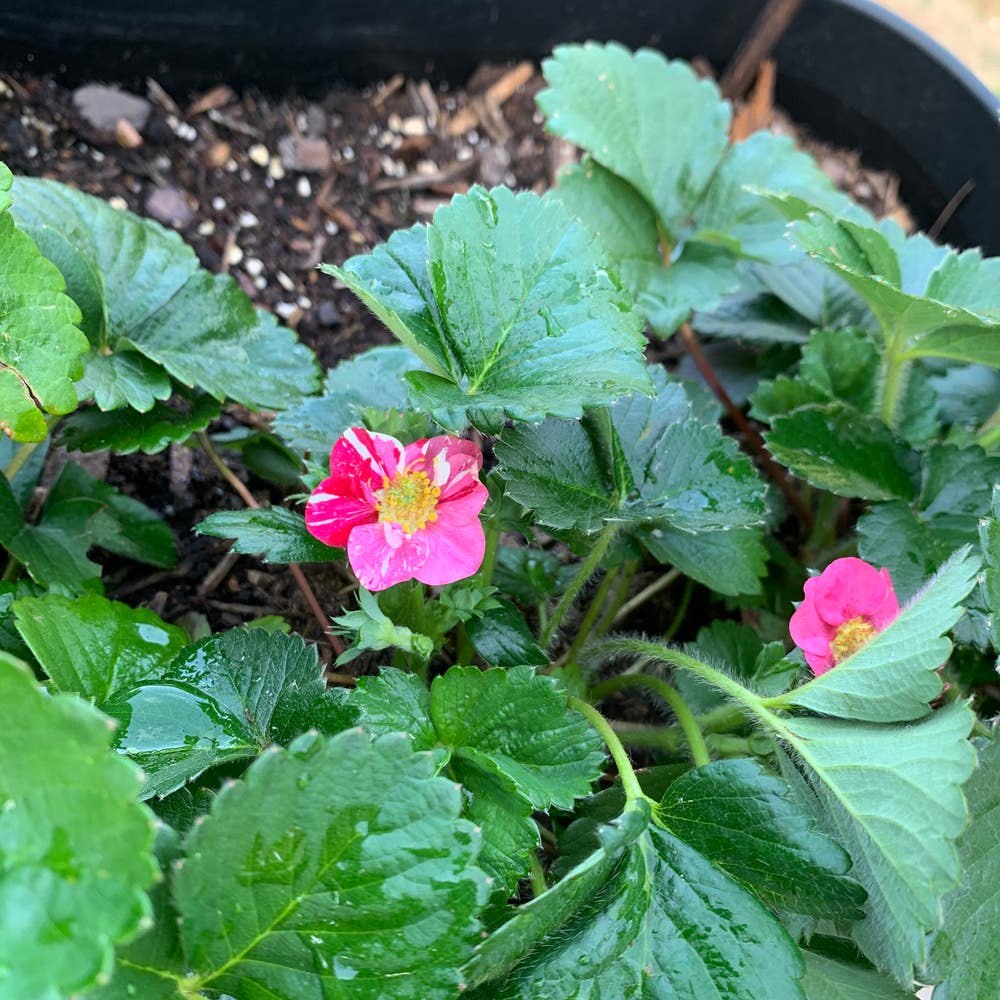
Ultimate Guide to Howell's Cinquefoil 🌼
Potentilla howellii
By the Greg Editorial Team
Feb 27, 2025•11 min read
This article was created with the help of AI so we can cover more plants for you. May contain errors. See one? Report it here.
Elevate your garden with Howell's Cinquefoil, a stunning and resilient plant that thrives in tough conditions! 🌼🌱
- 🌞 Howell's Cinquefoil thrives in full sun and prefers well-draining, sandy soil.
- 🌱 Low maintenance and drought-tolerant, it's perfect for xeriscaping and low-water gardens.
- 🐝 Attracts pollinators like bees and butterflies, enhancing your garden's biodiversity.
How to Grow
Choosing a Location 🌞
To thrive, Howell's Cinquefoil prefers full sun to partial shade. It's particularly well-suited for higher altitudes, where conditions mimic its natural habitat.
Soil Preparation 🏜️
For optimal growth, ensure the soil is well-draining, ideally sandy or rocky. Aim for a pH level between 6.0 and 7.0, which is slightly acidic to neutral.
Planting Techniques 🌱
When planting, dig a hole that is 1-2 inches deep. Space your plants 12-18 inches apart to allow for healthy growth and airflow.
Watering Requirements 🚰
Initially, keep the soil consistently moist until the plants are established. Once rooted, Howell's Cinquefoil is drought-tolerant and requires minimal watering.
Fertilizing Tips 🍽️
In early spring, apply a light dose of balanced fertilizer to give your plants a boost. Organic options like compost or well-rotted manure can also work wonders.
Pruning and Ongoing Care ✂️
Prune in early spring by removing any dead or damaged foliage. Regularly monitor your plants for pests and diseases to keep them healthy.
Outdoor vs. Container Growing 🏡
If you choose container growing, ensure adequate drainage and use a potting mix designed for perennials. For outdoor planting, Howell's Cinquefoil is perfect for rock gardens or as ground cover, adding beauty and resilience to your landscape.
With these growing tips, you're well on your way to cultivating a thriving patch of Howell's Cinquefoil! Next, let’s dive into propagation methods to expand your garden even further.
Propagation
Seed Propagation 🌱
To propagate Howell's Cinquefoil from seeds, sow them at a depth of about 1/4 inch. Under optimal conditions, you can expect germination within 14 to 30 days, making it a relatively straightforward process.
Division of Established Plants 🌿
Dividing established plants is best done in early spring or fall. This method involves carefully separating the roots and replanting them, allowing for healthier growth and more plants in your garden.
Cuttings Method ✂️
Taking cuttings is another effective propagation technique. Select healthy stems that are 4-6 inches long and use a rooting medium composed of peat and perlite to encourage root development.
With these propagation methods, you can easily expand your Howell's Cinquefoil collection. Next, let’s explore the lifecycle of this resilient perennial.
Lifecycle
🌱 Lifecycle Overview
Howell's Cinquefoil is a perennial plant, meaning it thrives over multiple years. This resilience allows it to adapt and flourish in various environments.
🌧️ Germination
For seeds to germinate, they need moisture and warmth. These conditions kickstart the process, making it crucial for successful growth.
🌿 Seedling Development
Once germinated, seedlings take about 4-6 weeks to establish. During this time, they develop a strong foundation for future growth.
📈 Growth Rate
The growth rate of Howell's Cinquefoil is moderate. Initially, it focuses on developing lush foliage before producing its vibrant flowers.
⏳ Lifespan
Typically, this plant has a lifespan of 3-5 years. It reaches full maturity in about 2-3 years, showcasing its beauty and resilience.
Understanding the lifecycle of Howell's Cinquefoil helps you appreciate its growth stages. This knowledge sets the stage for effective care and maintenance, ensuring your plants thrive beautifully.
Size
Mature Dimensions 🌱
Howell's Cinquefoil typically reaches a height of 12 to 18 inches, making it a charming addition to any garden. Its spread can extend from 18 to 24 inches, allowing it to fill spaces beautifully.
Growth Rate and Size Variability 📈
Several factors influence the size of Howell's Cinquefoil. Soil quality, sunlight exposure, and water availability all play crucial roles in determining how robust your plants will grow.
Understanding these elements can help you create the ideal environment for your Cinquefoil, ensuring it thrives and reaches its full potential.
As you consider planting, remember that the right conditions can lead to a vibrant display of this perennial beauty.
Roots
🌱 Root System Characteristics
Howell's Cinquefoil boasts a fibrous root system that is both shallow and extensive. This structure allows the plant to efficiently absorb nutrients and water from the surrounding soil.
🚫 Common Root-Related Issues
One of the most common issues you might encounter is root rot, which occurs due to overwatering. To prevent this, ensure your plant has good drainage.
Healthy roots are typically firm and white, while unhealthy roots may appear dark, mushy, or emit a foul smell.
Recognizing rootbound plants is crucial for their health; signs include roots growing out of drainage holes. If you notice this, consider repotting into a larger container or dividing the plant to promote better growth.
With proper care and attention to their root systems, Howell's Cinquefoil can thrive beautifully in your garden.
Next, let’s explore the benefits of this resilient plant and why it deserves a spot in your landscape.
Benefits
Top 5 Benefits 🌟
Howell's Cinquefoil is not just a pretty face in the garden; it offers a range of benefits that make it a must-have for any landscape.
Attracts Pollinators
One of the standout features of this plant is its ability to attract pollinators. Bees and butterflies flock to its bright yellow flowers, making your garden a buzzing hub of activity.
Aesthetic Appeal
The vibrant yellow blooms add a splash of color to any landscape. Whether in a rock garden or as ground cover, Howell's Cinquefoil enhances visual interest throughout the growing season.
Erosion Control
This hardy plant plays a crucial role in stabilizing soil, especially in rocky areas. Its root system helps prevent erosion, making it an excellent choice for slopes and challenging terrains.
Cultural Significance
Beyond its beauty, Howell's Cinquefoil symbolizes resilience and adaptability. It thrives in harsh environments, reflecting the strength of nature and inspiring gardeners to embrace tough conditions.
Low Maintenance
For those who prefer a hands-off approach, this plant is a dream. Howell's Cinquefoil is ideal for low-water gardens and xeriscaping, requiring minimal care once established.
These benefits make Howell's Cinquefoil a valuable addition to any garden, combining beauty with practicality. Ready to learn more about how to grow this resilient plant? Let’s dive into the next section!
Companion Plants
Best Companions 🌼
When planning your garden, consider pairing Howell's Cinquefoil with drought-tolerant companions like lavender and sage. These plants not only thrive in similar conditions but also create a visually appealing landscape.
Avoid heavy feeders that require more water, as they can compete with Howell's Cinquefoil for resources. This will help ensure that your cinqefoil remains healthy and vibrant.
Creating a Cohesive Garden 🌿
Mixing Howell's Cinquefoil with other perennials can enhance your garden's aesthetic and ecological balance. The bright yellow flowers of cinqefoil contrast beautifully with the purple hues of lavender, creating a stunning visual effect.
Additionally, planting drought-resistant species together fosters a low-maintenance garden. This approach minimizes watering needs and promotes a sustainable environment.
Benefits of Companion Planting 🐝
Companion planting not only improves the health of your plants but also attracts beneficial insects. Pollinators like bees and butterflies are drawn to the diverse blooms, enhancing your garden's productivity.
By choosing the right companions, you can create a thriving ecosystem that supports Howell's Cinquefoil and other plants. This strategy leads to a more resilient and beautiful garden.
Transitioning to the Next Topic 🚀
With the right companions in place, you can enjoy the many benefits of Howell's Cinquefoil. Next, let's explore its toxicity to humans, dogs, and cats to ensure a safe gardening experience.
Toxicity to Humans
When it comes to Howell's Cinquefoil, safety is a key concern for many gardeners. Fortunately, this plant is not listed as toxic by major poison control centers, making it a safe choice for your garden.
However, it's important to note that consuming large quantities can lead to minor issues. You might experience mild skin irritation or digestive discomfort if you overindulge.
⚠️ Caution is Key
Always exercise caution with any plant. If you notice unusual symptoms after contact or consumption, it's wise to seek medical advice.
Being informed helps you enjoy the beauty of Howell's Cinquefoil while keeping safety in mind. Now that you know about its toxicity, let's explore how it interacts with our furry friends!
Toxicity to Dogs
When it comes to Howell's Cinquefoil, dog owners can breathe a sigh of relief. This plant is not toxic according to veterinary organizations, making it a safe choice for gardens shared with our furry friends.
However, moderation is key. While Howell's Cinquefoil won't harm your dog, consuming large quantities may lead to mild gastrointestinal upset.
🐶 Tips for Safe Planting
To ensure a harmonious relationship between your dog and this plant, consider the following tips:
Proper Placement: Position Howell's Cinquefoil in areas that are less accessible to your dog. This can help minimize any potential nibbling.
Monitor Behavior: Keep an eye on your dog's interactions with the plant. If they show unusual interest, gently redirect their attention to more appropriate chew toys.
With these precautions, you can enjoy the beauty of Howell's Cinquefoil while keeping your canine companion safe and happy. Now, let’s explore how this plant interacts with our feline friends.
Toxicity to Cats
When it comes to Howell's Cinquefoil, cat owners can breathe a sigh of relief. This plant is not considered toxic according to major pet poison control centers.
However, it's worth noting that if your feline friend decides to munch on a significant amount, they might experience mild gastrointestinal upset.
🐱 Monitoring Cat Behavior
To ensure your cat stays safe, keep an eye on their behavior around new plants.
If you notice any unusual symptoms after they’ve been near Howell's Cinquefoil, consult your veterinarian for advice.
In summary, while Howell's Cinquefoil poses minimal risk to cats, a little vigilance goes a long way in keeping your furry companions healthy.
Next, let’s explore the potential problems that can arise when growing this resilient plant.
Problems
Common Problems 🌱
Growing Howell's Cinquefoil can be rewarding, but it's essential to be aware of common issues that may arise. One of the most frequent problems is incorrect watering.
Incorrect Watering 🚿
Both overwatering and underwatering can lead to distress in your plants. Signs of overwatering include yellowing leaves and wilting, while underwatering may cause stunted growth.
Identifying Symptoms 🔍
To effectively address these issues, it's crucial to recognize the symptoms early. Yellowing leaves often indicate too much water, whereas wilting can signal a lack of moisture.
Solutions 🛠️
Adjusting your watering schedule is key. Ensure you check soil moisture regularly, improve drainage if necessary, and tailor your watering habits to the plant's needs.
Additional Considerations 🌤️
Keep an eye on environmental factors that can affect your plant's health. Changes in temperature, humidity, and sunlight can all impact how much water your Cinquefoil requires.
Conclusion 📜
By staying vigilant and responsive to your plant's needs, you can prevent these common problems and enjoy a thriving garden. Next, let's explore the potential pest issues that may affect Howell's Cinquefoil.
Bugs
🐜 Potential Pest Issues
While Howell's Cinquefoil is generally pest-resistant, it can still fall prey to a few unwelcome visitors. Keep an eye out for common pests like spider mites, aphids, and mealybugs, which can cause significant damage if left unchecked.
🔍 Identification and Damage
Identifying these pests early is crucial. Spider mites may leave fine webbing on leaves, while aphids cluster on new growth, sucking sap and causing leaves to curl. Mealybugs, with their cottony appearance, can also weaken your plants by draining their nutrients.
🧪 Treatment Options
If you notice any of these pests, don't panic! Start with natural treatments like neem oil or insecticidal soap, which are effective and safe for your plants. Additionally, consider introducing beneficial insects, such as ladybugs, which can help keep pest populations in check.
By staying vigilant and proactive, you can ensure your Howell's Cinquefoil remains healthy and vibrant. Next, let’s explore what animals might be interested in munching on your beautiful plants.
What Eats
Common Animals 🦌
Howell's Cinquefoil can attract a variety of hungry critters. Deer, rabbits, and rodents often find this plant appealing, leading to potential damage.
Signs of Damage 🕵️♂️
Keep an eye out for signs of these visitors. Browsing on leaves, tracks in the soil, and droppings nearby can indicate that your Cinquefoil is being nibbled on.
Deterrent Methods 🚧
To protect your plants, consider a few effective deterrent methods. Fencing can create a physical barrier, while repellents can help keep animals at bay.
Additionally, planting deterrent species nearby can also discourage these pests from munching on your Cinquefoil. With a little effort, you can safeguard your garden and enjoy the beauty of this resilient plant.
⚠️ Safety First
This content is for general information and may contain errors, omissions, or outdated details. It is not medical, veterinary advice, or an endorsement of therapeutic claims.
Always consult a qualified healthcare professional before using any plant as food, medicine, or supplement.
Never eat any plant (or feed one to pets) without confirming its identity with at least two trusted sources.
If you suspect poisoning, call Poison Control (800) 222-1222, the Pet Poison Helpline (800) 213-6680, or your local emergency service immediately.
Spotted an error? Please report it here.
Grow your Howell's Cinquefoil thriving and vibrant 🌼 with Greg's tailored watering alerts and pest monitoring tips to keep your garden flourishing!