Should I Repot My Rhipsalis puniceodiscus?
Rhipsalis puniceodiscus
By the Greg Editorial Team
Jun 13, 2024•4 min read
This article was created with the help of AI so we can cover more plants for you. May contain errors. See one? Report it here.
Ensure your Rhipsalis thrives 🌿 by learning the signs it's time to repot for optimal health and growth!
- Root escape and poor drainage signal it's repotting time.
- 🌱 Repot during growth spurts for best results, typically spring/early summer.
- Choose terracotta or ceramic pots for breathability and style. Avoid glass.
When to Give Your Rhipsalis puniceodiscus a New Home
🕵️ Spotting the Telltale Signs
Root-bound roots: a tangled tale
When your Rhipsalis puniceodiscus's roots start escaping the pot, it's not just being adventurous—it's cramped. Roots should be cozy, not squished. If you see a root rave at the bottom or a sneak peek through drainage holes, it's time to upgrade their digs.
🚰 Water drainage woes
Drainage should be smooth sailing, not a swampy standstill. If water sits on top like an unwanted pool party or drains faster than a kid down a slide, the soil-to-root ratio is off. This mismatch is your cue for a pot switcheroo.
When growth hits a wall
Stunted growth is a silent scream for more space. If your Rhipsalis is putting on a lackluster performance and the leaves have lost their luster, consider it a plea for a new stage to shine on.
🕒 Timing is Everything
Syncing repotting with growth cycles
Repotting should sync with your plant's growth spurts—typically in the spring or early summer. This is when your Rhipsalis is most resilient and ready to settle into a new home with minimal fuss.
Assessing plant health before the big move
Before you repot, ensure your plant is healthy. A stressed Rhipsalis is like a grumpy cat—it won't appreciate the change. Look for vigorous growth and no signs of disease to ensure a smooth transition to its new pot.
The Repotting Rodeo: A Step-by-Step Guide
🌱 Pre-Repotting Prep Talk
Before the main event, gather your gear: a new pot, suitable soil mix, trowel, gloves, and scissors.
Choosing the right soil mix is crucial. Aim for a blend that provides good drainage yet retains enough moisture—perlite or coco coir mixed with compost works wonders.
🌿 The Main Event: Repotting Step by Step
First, gently free your plant from its current pot. If it resists, a knife around the inside edge can help ease the separation.
Next, inspect and trim the roots. Snip away anything dead or overgrown—precision is key.
Finally, settle your Rhipsalis puniceodiscus into its new pot. Ensure it's not too deep to prevent stem rot, and fill around with soil, tapping the pot to settle it in without compacting.
Picking the Perfect Pot
🌱 Pros and Cons of Pot Materials
Terracotta: The Breathable Choice Terracotta pots are like the Swiss cheese of the pot world—full of holes that let roots breathe. They're great for preventing soggy soil situations, but they'll have you watering more often.
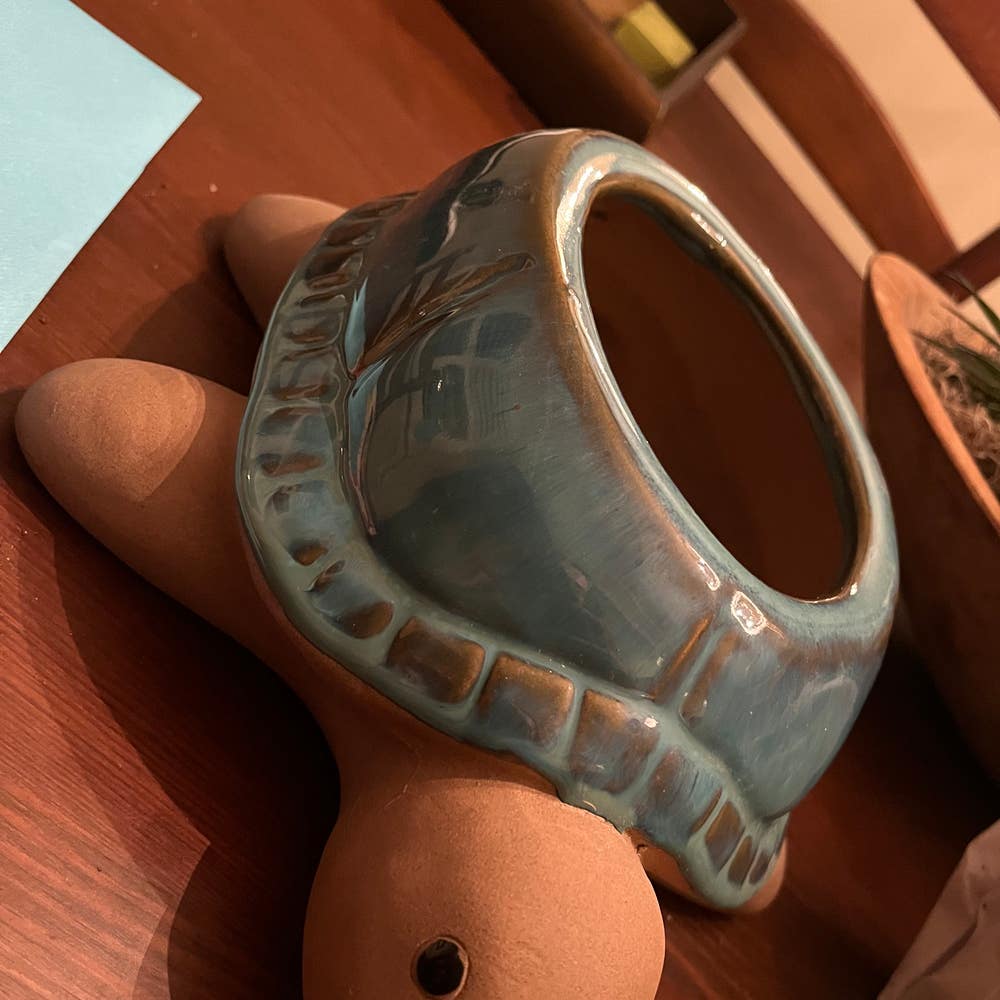
Ceramic: Style Meets Function Ceramic pots bring the pizzazz with their designs, while still offering a bit of breathability. They keep the moisture in check, but don't drop them—they're as breakable as your grandma's fine china.
Plastic: Lightweight and Versatile Plastic pots are the gym shorts of pots—light, easy, and they'll hold onto moisture like nobody's business. Just make sure they have drainage holes, or you'll be swimming in overwatering territory.
🚫 What to Avoid
Glass and Other No-Nos Glass pots might look chic, but they're about as breathable as a sealed ziplock bag. Your plant's roots might suffocate, and that's a no-go.
Understanding Drainage and Root Health Drainage holes are non-negotiable—they're the escape route for excess water. Without them, you're basically giving your plant's roots a one-way ticket to Rotville.
Aftercare: Helping Your Rhipsalis puniceodiscus Settle In
🌱 The First Few Days
After repotting, patience is key. Your Rhipsalis puniceodiscus needs time to acclimate to its new abode.
Watering after repotting: Hold off on watering for the first day to allow any disturbed roots to recover. Then, water thoroughly, ensuring excess water drains well. Remember, it's not a flood you're after; it's just a nice, settling drink for your plant's roots.
Monitoring for stress signs: Keep an eye out for wilting, discoloration, or droopy leaves. These are your plant's way of saying, "Hey, I'm not okay!" Adjust care accordingly, and remember, your plant is tougher than it looks.
🌿 Long-Term Love
Your Rhipsalis puniceodiscus's post-repotting period is like a relationship—it needs nurturing to grow.
Adjusting care routines post-repotting: Once your plant has settled, resume your regular care routine, but stay vigilant. If the top inch of soil is dry, it's time for a drink. Overwatering is the express lane to root rot city, and nobody wants to visit there.
When to fertilize your newly potted friend: Hold off on the fertilizer for at least 4-6 weeks. Your plant's busy healing, not hungry for extra nutrients. When you do start fertilizing again, think of it as a gentle nudge, not a shove.
⚠️ Safety First
This content is for general information and may contain errors, omissions, or outdated details. It is not medical, veterinary advice, or an endorsement of therapeutic claims.
Always consult a qualified healthcare professional before using any plant as food, medicine, or supplement.
Never eat any plant (or feed one to pets) without confirming its identity with at least two trusted sources.
If you suspect poisoning, call Poison Control (800) 222-1222, the Pet Poison Helpline (800) 213-6680, or your local emergency service immediately.
Spotted an error? Please report it here.
Repot with confidence and watch your Rhipsalis puniceodiscus flourish by letting Greg remind you when to water and adjust care for a seamless transition 🌿.