How to Know When to Repot a Rhipsalis elliptica?
Rhipsalis elliptica
By the Greg Editorial Team
Mar 20, 2024•3 min read
This article was created with the help of AI so we can cover more plants for you. May contain errors. See one? Report it here.
- Roots peeking out? Time to repot your Rhipsalis elliptica.
- Spring repotting ensures minimal stress for your plant.
- Choose the right pot for breathability and drainage.
Spotting the Tell-Tale Signs for Repotting
🌱 Root Tango: When Roots Out-Dance the Pot
Roots should be comfortably out of sight, not squeezing out of drainage holes like a crowd at a concert exit. Root-bound plants are a clear sign your Rhipsalis elliptica is begging for a new home.
💧 Water Woes: When Drainage Doesn't Keep Up
When water rushes through the pot faster than a kid down a waterslide, it's not showing off—it's a cry for help. Slow drainage and waterlogging are your plant's way of saying the current living situation isn't cutting it.
🌿 Growth Grumbles: When Your Plant Stops Thriving
If your Rhipsalis elliptica's growth has hit a plateau, it's not being lazy—it's constrained. Look out for stunted growth and other stress signals as a nudge to repot.
Choosing the Right Time to Repot
⏰ Seasonal Smarts: Best Times of Year for Repotting
Repotting your Rhipsalis elliptica isn't a spur-of-the-moment decision—it's all about timing. Spring ushers in the plant's growth spurt, making it the optimal season for repotting. This period provides your plant with the best conditions to recover and flourish in its new abode. Think of spring as nature's green light, signaling it's time to refresh your plant's living space.
🌱 Plant Readiness: Ensuring Minimal Stress
Before you dive into repotting, check your plant's vibe. If it's just finished blooming or is showing signs of new growth, it's likely ready for a change. Ensure your Rhipsalis elliptica isn't stressed—no drooping or discoloration. A healthy plant will handle the move like a champ, while a stressed one might not be so forgiving. It's like picking the right day for a road trip; you want clear skies, not a storm brewing.
The Repotting Rendezvous: A Step-by-Step Guide
🌱 Gentle Beginnings: Removing Your Plant Safely
To liberate your Rhipsalis elliptica, start by gently squeezing the pot to loosen its grip. Tilt and ease the plant out, being mindful not to damage the roots. A tap on the pot's bottom can help a stubborn plant make its exit.
🌿 Soil Selection: Crafting the Perfect Mix
Selecting the right soil is like picking a tailored suit for your plant—it has to fit just right. Mix peat with perlite for aeration and drainage, ensuring your Rhipsalis elliptica's roots can breathe and stay hydrated without waterlogging.
🏡 Homecoming: Planting in the New Pot
When placing your plant in its new abode, make sure the root ball sits comfortably. Fill the gaps with your soil mix, pressing gently to eliminate air pockets. Water sparingly at first to let your plant acclimate to its new home.
Picking the Perfect Pot
💨 Breathability and Drainage: Why They Matter
Breathability and drainage are non-negotiables when selecting a pot for your Rhipsalis elliptica. These factors prevent root rot by allowing excess water to escape and air to reach the roots, keeping them healthy and happy.
🏺 Material Matters: Terracotta vs. Plastic vs. Ceramic
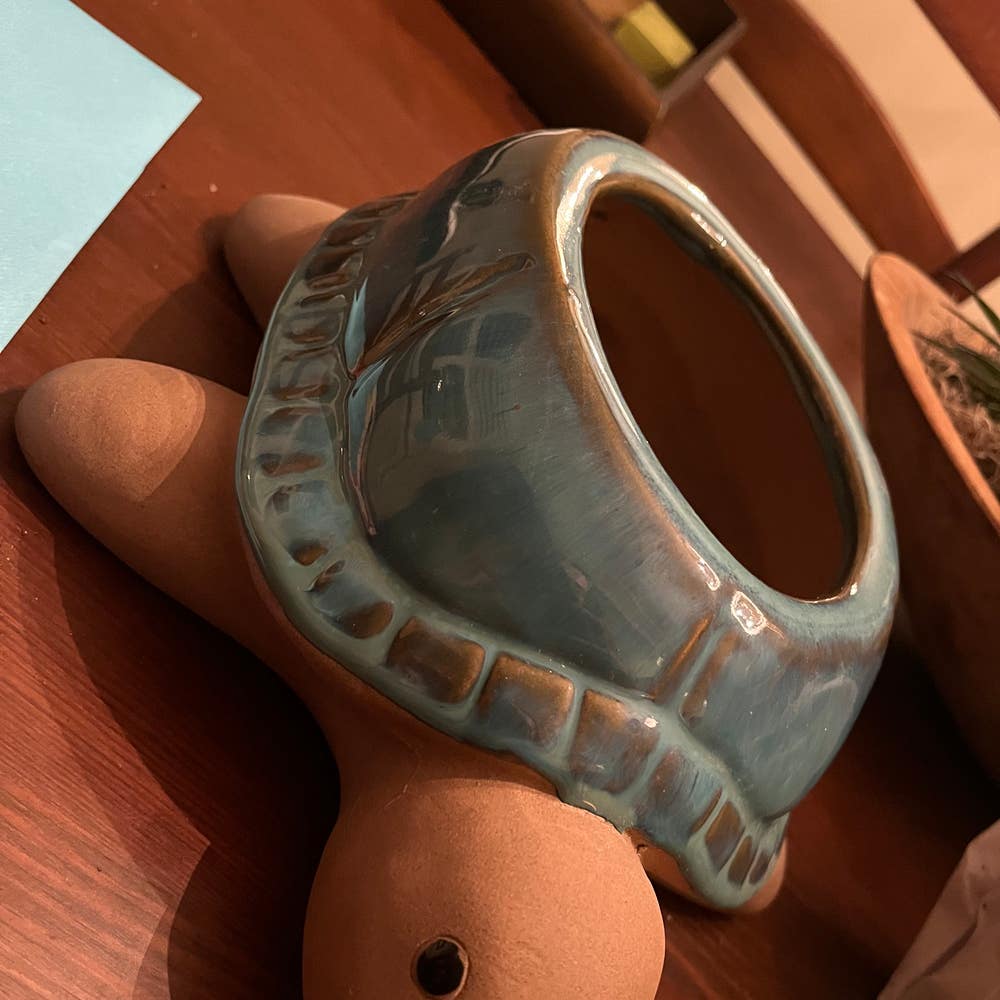
When it comes to pot materials, it's a showdown between terracotta, plastic, and ceramic. Terracotta is the O.G. of breathability, wicking away moisture like a pro. Plastic is the wallet-friendly option, but watch out for soggy soil syndrome. Ceramic brings the style and can be just right with proper drainage holes.
⚠️ Safety First
This content is for general information and may contain errors, omissions, or outdated details. It is not medical, veterinary advice, or an endorsement of therapeutic claims.
Always consult a qualified healthcare professional before using any plant as food, medicine, or supplement.
Never eat any plant (or feed one to pets) without confirming its identity with at least two trusted sources.
If you suspect poisoning, call Poison Control (800) 222-1222, the Pet Poison Helpline (800) 213-6680, or your local emergency service immediately.
Spotted an error? Please report it here.
Ensure your Rhipsalis elliptica thrives in its new pot by spotting the right signs and using Greg's 🌱 custom reminders for the best repotting experience.