Should I Repot My Rhipsalis campos-portoana?
Rhipsalis campos-portoana
By the Greg Editorial Team
Mar 06, 2024•3 min read
This article was created with the help of AI so we can cover more plants for you. May contain errors. See one? Report it here.
Discover the secret to a flourishing Rhipsalis 🌿—master the timely art of repotting with our guide!
- 🌱 Spring repotting promotes healthy growth for Rhipsalis campos-portoana.
- Roots peeking out? Time to repot with a well-draining soil mix.
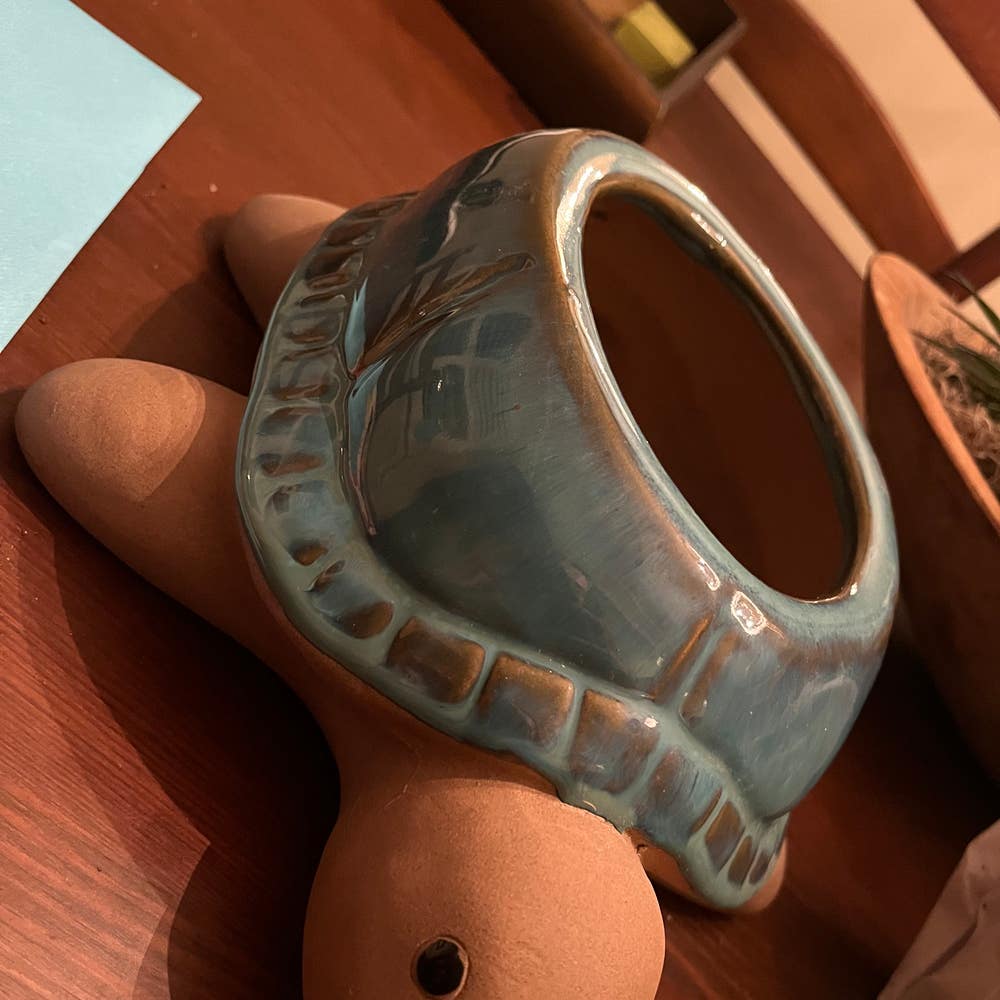
- Terracotta or ceramic pots are best; avoid metal and glass.
When to Give Your Rhipsalis campos-portoana a New Pot
Spring is prime time for repotting your Rhipsalis campos-portoana. This is when the plant is exiting its dormancy and gearing up for a season of vigorous growth.
🌱 Spring into action: The best season for repotting
Spring signals a natural awakening for many plants, including the Rhipsalis. It's the season when they are most receptive to change, making it the ideal time to give them a new home.
🌱 Growth spurts and cramped roots: Knowing when it's time
Look for roots peeking out of the drainage hole or soil that dries out too quickly—both are SOS signals for more space. If the plant seems to have hit a growth plateau, it might be time for a pot upgrade.
Annual top-dressing with fresh soil can also rejuvenate your Rhipsalis if it's already in the largest pot you can accommodate. This refreshes nutrients without the need for a full repot.
Remember, repotting is not just about upsizing; it's about maintaining plant health. So, even if your Rhipsalis isn't outgrowing its pot, consider a soil refresh to keep it thriving.
The Repotting Rodeo: A Step-by-Step Guide
🏠 Prepping the New Residence
Before you jump into the repotting fray, choose a pot that's a snug fit—just an inch or two larger than the old one. Ensure it has drainage holes; nobody likes wet feet, least of all your Rhipsalis campos-portoana. Go for a well-draining soil mix; think of it as the plant equivalent of a comfy mattress.
🚚 The Big Move
Time to evict your green buddy. Water the plant to make the roots more flexible. Turn the pot sideways, tap it, or roll it to loosen the soil's grip. Gently pull the plant out, handling the roots with the care you'd use for a vintage vinyl record. Snip off any dead or excessively long roots—it's like giving your plant a much-needed haircut.
🏡 Settling into the New Pad
Now, let's get your plant settled. Start with a base layer of soil. Center your Rhipsalis in the new pot, and fill in around it with more soil. Don't pack it down like you're stuffing a suitcase for a month-long trip. Water sparingly after repotting to help the plant adjust without causing root rot. It's not a cocktail; it's a welcome drink to its new home.
Picking the Perfect Pot: Materials Matter
🏺 Terracotta vs. Ceramic: Weighing the Pros and Cons
Terracotta is the MVP of moisture management, wicking away excess like a pro. It's porous, which means it's breathable, allowing roots to get that airy feel. But, it's also the heavyweight champion, and let's not forget, it can crack under pressure—literally.
Ceramic pots are the runway models of the pot world—stylish but high maintenance. They offer a slower drying time, which can be a blessing or a curse, depending on your watering style. Just make sure they've got drainage holes, or you'll be swimming in regret.
🥤 Plastic Pots: Are They Right for Your Rhipsalis?
Plastic pots are the lightweights—easy to move but clingy with water. They're like that friend who's great in a drought but a nightmare during a flood. They're not the best at letting your plant's roots breathe, so consider your watering habits before getting too attached.
What Not to Pot In
Quick tip: avoid metal or glass pots. They're the equivalent of a plant sauna with no escape. And unless you're into the whole steamed plant look, it's best to steer clear. Stick to pots that understand your Rhipsalis's need for a breathable living space.
⚠️ Safety First
This content is for general information and may contain errors, omissions, or outdated details. It is not medical, veterinary advice, or an endorsement of therapeutic claims.
Always consult a qualified healthcare professional before using any plant as food, medicine, or supplement.
Never eat any plant (or feed one to pets) without confirming its identity with at least two trusted sources.
If you suspect poisoning, call Poison Control (800) 222-1222, the Pet Poison Helpline (800) 213-6680, or your local emergency service immediately.
Spotted an error? Please report it here.
After repotting, let Greg help you ensure your Rhipsalis campos-portoana's success with custom care reminders 🌱, including the ideal watering schedule for its new home.