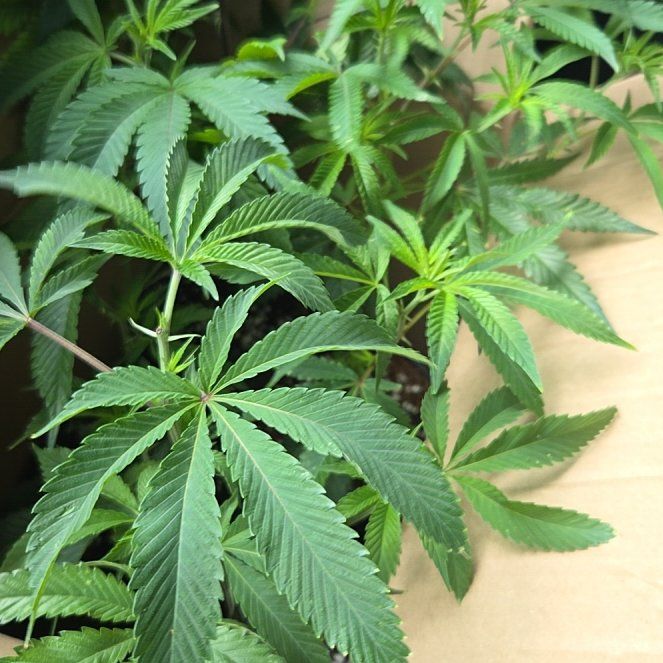
Should I Repot My Marijuana?
Cannabis sativa
By the Greg Editorial Team
Jun 15, 2024•11 min read
This article was created with the help of AI so we can cover more plants for you. May contain errors. See one? Report it here.
- Roots peeking out? Time to repot your marijuana plant.
- Repot during growth spurts, ideally in spring or early summer.
- Choose well-draining soil and pots with ample drainage holes.
Signs That Your Marijuana Plant Needs Repotting
Roots making a break for it through drainage holes or circling the soil surface? That's your marijuana plant's version of waving a white flag. It's pot-bound, and that's a one-way ticket to stunted growth.
🌱 Root-Bound Symptoms
When roots get cozy to the point of congestion, your plant's growth hits the brakes. It's like trying to run a marathon in a closet. If you spot roots that seem to be staging a jailbreak out of the pot, it's time to give them a new home.
💧 Water Drainage Issues
Is water zipping through the pot like it's late for an appointment? That's a sign your plant's roots have taken over, leaving no room for soil to hold moisture. Conversely, if the soil's always soggy, it's a red flag that it's too dense and your plant's drowning in its own home.
👀 Observing Plant Behavior
Keep an eye out for leaves throwing tantrums – yellowing, wilting, or looking as sad as a playlist of breakup songs. These visual cues are your plant's SOS. And don't even get me started on slow growth; it's like watching paint dry.
🌱 The Root of the Problem
Before you go on a repotting spree, remember: checking the roots is a disturbance party. Only RSVP to that party if you've noticed the aforementioned signs. Otherwise, you might be stressing out your plant for no good reason.
When in Doubt, Check it Out
If you're unsure, a quick root inspection can clear things up. Gently slide your plant out of its pot. If you're greeted by a tangled mess of roots, it's repotting o'clock. But be gentle – roots are the lifeline, not spaghetti.
Choosing the Right Time to Repot
Choosing the optimal time to repot your marijuana plant is crucial for minimizing stress and ensuring a successful transition. Here's how to nail the timing:
🌱 Plant Growth Cycle
Repot when your plant is in a growth spurt. Spring and early summer are prime times, as the plant's natural cycle of growth is in full swing. This period provides the energy and resilience needed for the plant to bounce back from any repotting stress.
🌿 Plant's Age and Season
Younger plants may need more frequent repotting, typically every 12-24 months for smaller plants and 24-48 months for larger ones. Always consider the season – spring or early summer is your best bet. Avoid winter repotting when the plant's growth is dormant.
🩺 Overall Health
Never repot a sick or stressed plant unless it's a last resort to save it. Make sure all other care aspects are in check before you even think about changing homes.
🌼 Before Flowering
For cannabis, specifically, avoid repotting during flowering. Aim to repot at least two weeks before the flowering stage to allow the plant to establish in its new pot.
🌱 Pot Size Increment
When upsizing, choose a pot that's about one inch larger in diameter. Going too big too soon can lead to root rot or stunt above-ground growth as the plant focuses on expanding its roots to fill the new space.
🌞 Timing with Light
For indoor grows, repot before the lights-out period or in the late afternoon for outdoor plants. Roots tend to grow at night, and avoiding high temperatures and light stress during the day is key.
🌿 Post-Repotting Recovery
Remember, repotting is a shock to the system. It can take a plant about one month to fully recover and start reaping the benefits of its new abode. Keep an eye out for stress and adjust care accordingly.
By considering these factors, you'll set your plant up for a smooth move with minimal drama.
Selecting the Right Pot and Soil
🌱 Pot Size Matters
When choosing a pot size for your cannabis plant, think of Goldilocks – not too big, not too small, but just right. Starting with a small pot encourages a dense root system and allows for easy management. As the plant grows, transplanting to larger pots prevents the roots from becoming bound and stressed. Aim for a pot that allows daily watering, maintaining a healthy dry/wet cycle for optimal oxygen and nutrient uptake.
🌿 Soil: The Foundation of Growth
The ideal soil for cannabis is like a gourmet meal for roots – it's all about quality ingredients. Look for a mix that boasts perlite, coco coir, vermiculite, and compost. This combo ensures well-draining and aerated soil, which is crucial because nobody likes wet feet, especially not your cannabis plants. Keep the pH level between 6.0 and 7.0; it's the sweet spot for nutrient absorption.
🌱 Drainage and Aeration
Remember, cannabis plants are the divas of the plant world – they want their oxygen and they want it now. Choose pots with ample drainage holes to prevent waterlogging. If you're feeling fancy, add a layer of gravel or clay pebbles at the bottom for that extra oomph in drainage.
🌿 Nutrient-Rich, Not Nutrient-Overwhelmed
While your cannabis plants are hungry for nutrients, too much of a good thing can lead to a hot mess. Regular potting soil might not cut it, as it can become compact and nutrient imbalanced. Opt for a well-fertilized soil, but don't go overboard – think nutrient-rich, not nutrient-saturated.
🌱 The Great Indoors vs. The Great Outdoors
Whether you're a closet grower or a backyard farmer, your pot and soil choice will differ. Indoor pots need to be space-efficient and have excellent drainage to prevent any indoor tropical storms. Outdoor growers have more leeway but remember, even outdoor plants don't want to swim in their pots.
🌿 Final Tips
- Transplanting is your friend for maximizing space and efficiency.
- A tray under your pots catches excess water and keeps things tidy.
- Monitor your plants closely after potting to ensure they're adjusting well.
Now, go forth and pot with confidence, knowing you've set the stage for some happy, high-yielding cannabis plants.
Repotting Process
🌱 Preparing to Repot
Gather your tools: You'll need a new pot, fresh soil, a trowel, and some patience. Make sure the new pot has adequate drainage and is a size up from the old one.
🌿 Removing the Plant
Water the plant lightly to make the soil cooperative. Tip the pot sideways and tap or squeeze the sides to encourage the plant to loosen its grip. If it's stubborn, a chopstick can be your best friend to gently coax the root ball out.
🌳 Handling the Roots
Inspect the roots closely. Snip away any that are black or mushy—these are dead and won't do your green buddy any favors. If the roots are circling the pot, untangle them to prevent future root-bound issues.
🏺 Pot Preparation
Line the bottom of the new pot with a bit of gauze or plastic netting to keep soil from escaping. Add a layer of fresh potting mix, but don't get overzealous—we're not making a soil soufflé here.
🌷 Planting
Place your plant in the center of its new home. Fill around it with more soil, but don't bury it alive—keep the soil level consistent with its previous setup. Firm the soil gently with your fingers to eliminate air pockets.
🌼 The Finishing Touch
Water your newly potted plant to help it settle in. If the soil level drops after watering, don't hesitate to top it off. Now, take a step back and admire your handiwork—your plant is ready for its new chapter.
Challenges and Difficulties in Repotting
🌱 Root Damage
When you're elbow-deep in soil, root damage is a real risk. Roots are the lifelines of your plants, so handle them like fine china. If they snap, your plant's uptake of water and nutrients hits a roadblock. Be gentle when untangling roots from their old confines.
🌿 Transplant Shock
Transplant shock is the hangover your plant didn't sign up for. Symptoms include wilting, yellowing, and a general look of "why did you do this to me?" To ease the pain, keep the post-repotting vibe similar to the pre-repotting one. Same soil, same light, just a new pot to stretch out in.
🌻 Stress Management
Stress isn't just a human thing; plants feel the pressure too. After repotting, your green buddy might droop like it's lost its will to photosynthesize. Keep calm and carry on with consistent care, and your plant will likely perk up.
🌷 Overcoming Challenges
To avoid a plant meltdown, timing is everything. Don't repot when your plant is about to bloom or during high-stress seasons. And remember, the right pot and soil are like a good mattress; they make all the difference.
🌸 Aftercare
Post-repotting, your plant needs a spa day. Water it thoroughly but don't drown it. Think of it as a recovery drink, not a pool party. And keep those pruners in your pocket; now's not the time for a haircut.
🌱 Pro Tips
- Avoid drastic changes in environment post-repotting.
- If the roots are a tangled mess, think detangler, not buzzcut.
- If your plant looks sadder than a forgotten birthday, give it time and consistent care—it's probably just pouting.
Post-Repotting Care and Maintenance
After repotting your marijuana plant, it's crucial to give it some TLC to bounce back from the root ruckus. Here's how to keep it thriving:
🌞 Light and Location
Ease it in. Don’t shock your plant by throwing it back into the lion’s den of its old spot. Start with a chill zone, somewhere with less intense light. Think of it as a plant spa retreat. Gradually reintroduce it to its usual haunt, monitoring for any diva-like leaf drama—yellowing or drooping is a no-go.
🚰 Watering Wisdom
Keep it moist, not drenched. Overwatering is the fast track to unhappy roots. Check the soil before you water—think of it as the plant equivalent of checking if the stove is hot. Adjust your watering schedule to the new pot's needs; it might hold moisture like a champ now.
💧 Humidity Hacks
If your plant is throwing a fit, consider a humidity haven. A clear plastic bag can be a makeshift greenhouse, trapping in moisture and reducing water loss. Just don’t forget to air it out; plants need fresh air like we need a good playlist.
🍽️ Feeding Finesse
Hold off on the fertilizer. Your plant isn’t ready for a full-course meal right after the move. Wait until it shows new growth, a sure sign it’s settled in and ready for some nutrient nosh.
👀 Stress Signals
Keep an eye out for a case of the sads—wilting, yellowing, or dropping leaves. If your plant is more dramatic than a reality TV star, give it time to adjust before you play detective on other potential issues.
🌡️ Temperature Tips
Don’t let your plant shiver or sweat. Keep the temps steady. Marijuana plants don’t dig the rollercoaster life when they’re settling into a new pot.
Remember, repotting is like a plant’s moving day—it’s stressful, but with the right care, your green buddy will be back to its vibrant self, stretching its roots and reaching for the sky.
Common Mistakes to Avoid
⏰ Timing is Everything
Repotting at the wrong time can spell disaster for your cannabis plant. Aim to repot before the lights-out period indoors or late afternoon outdoors to sync with the plant's natural root growth cycle. Avoid repotting during flowering, as the plant's focus is on bud development, not root growth.
🌱 Choosing the Right Soil and Pot
Using the wrong soil mix is like building a house on quicksand. Ensure your soil is light and airy to encourage root growth. As for pots, size matters. Select one that's 2.5-5 times larger than the current pot to give roots room without wasting resources.
🧤 Handling with Care
When transplanting, think of the roots as fine china. Wash your hands, wear gloves, and be gentle. Overpacking soil or rough handling can damage roots, leading to transplant shock. Keep the environment clean to avoid introducing pathogens.
💡 Light and Water Wisdom
Post-transplant, avoid intense light to reduce stress. Water the plant lightly to help it settle in, but don't drown it. Remember, the goal is to keep the plant's roots snug, not swimming.
🌱 The Root of the Problem
If you've missed the ideal transplant time and your plant is root-bound, carefully disentangle the roots. If necessary, trim them with a clean, sharp knife. It's a delicate operation, but essential for your plant's future growth.
🩺 Transplant Shock Therapy
Transplant shock can turn your plant into a drama queen, with wilting leaves and stunted growth. Maintain optimal temperature and humidity, and consider root boosters to help your plant bounce back. With a little TLC, recovery should take about a week.
⚠️ Safety First
This content is for general information and may contain errors, omissions, or outdated details. It is not medical, veterinary advice, or an endorsement of therapeutic claims.
Always consult a qualified healthcare professional before using any plant as food, medicine, or supplement.
Never eat any plant (or feed one to pets) without confirming its identity with at least two trusted sources.
If you suspect poisoning, call Poison Control (800) 222-1222, the Pet Poison Helpline (800) 213-6680, or your local emergency service immediately.
Spotted an error? Please report it here.