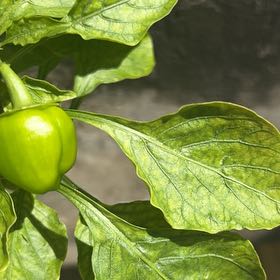
How to Repot a Bell Pepper
If you started Bell Peppers from seed, pot up from the starter cell to a 4 inch pot once they have true leaves, then to a 5 gallon final container after the last frost. If you bought a nursery seedling, move straight from the nursery pot to the 5 gallon final container after frost. Use a rich, well-draining mix and never bury the stem. Bell Peppers, unlike tomatoes, do not root from buried stems.

How to Know It's Time to Repot
Bell Peppers grow as upright plants that need increasing root room until they hit their final container. Whether you're seed-starting or moving a nursery seedling, the plant gives you three clear signals.
-
1Roots circle the bottom of the starter cell or push out through the drainage holes.
-
2The plant has roughly doubled in height since the last pot-up and has 4 or more true leaves.
-
3Outdoor nighttime temperatures stay reliably above 55 °F, signaling it's safe to move to the final outdoor container.
Bell Peppers typically need 1 to 3 pot-ups depending on whether you started from seed or bought a nursery transplant. Don't rush the final move outdoors. Cold nights stunt Bell Peppers more than any other factor, and a chilled plant takes weeks to recover.
The Best Time of Year to Repot
Bell Peppers are warm-season annuals that hate cold soil and cool nights. The final move to a 5 gallon outdoor container should happen 2 to 3 weeks after your last frost date, once nighttime temperatures stay above 55 °F. Seed-starting indoors begins 8 to 10 weeks before that final move, with intermediate pot-ups happening at the true-leaf stage.
Repot before flowering and fruiting begin, since disturbing the roots during fruit set leads to dropped flowers and stalled peppers. Use the map below to find your window.

How to Choose a Pot and Soil Mix
Pot Size
If you're starting from seed, pot up gradually so the roots don't sit in too much wet soil between stages. Move from the starter cell to a 4 inch pot when the first true leaves appear, then to a 1 gallon pot once roots fill the 4 inch, then to a 5 gallon final container after frost.
If you bought a nursery seedling, skip the intermediate steps. Move straight from the nursery pot to the 5 gallon final container once nighttime temperatures stay above 55 °F. A 5 gallon container is the minimum for one Bell Pepper. Smaller pots stunt the plant and lead to fewer, smaller peppers.
Pot Material
Thick fabric grow bags, glazed ceramic, and sturdy plastic pots are all good fits for Bell Peppers. They hold moisture evenly through hot summer afternoons, which Bell Peppers need for steady fruit set.
Terracotta dries out too fast in the heat, so a Bell Pepper in a terracotta pot needs daily watering on hot days. Whichever material you pick, make sure the pot has drainage holes.
Soil Mix
Mix three parts standard potting soil with one part compost and one part perlite for the rich, well-draining blend Bell Peppers want. Bell Peppers are heavy feeders and appreciate compost worked into the mix to release nutrients steadily.
Skip garden soil straight from the ground and moisture-control formulas. Garden soil compacts in a pot, and moisture-control mixes hold too much water around the roots and lead to rot.
How to Repot a Bell Pepper, Step by Step
-
1Water the day before. Give the plant a thorough drink the day before repotting. Moist soil holds the root ball together when you slide it out and keeps the fine roots from tearing.
-
2Pick the next pot. If you started from seed and the plant has true leaves, move from the starter cell to a 4 inch pot, then to a 1 gallon, then to a 5 gallon after frost. If you bought a nursery seedling, move straight to a 5 gallon final container after nighttime temperatures stay above 55 °F. The 5 gallon is the minimum final size for one Bell Pepper.
-
3Slide the plant out. Tip the pot upside down with your hand around the stem and the root ball, supporting the plant. Gently squeeze the sides of the starter cell or nursery pot to release the root ball. If the plant is stuck, run a butter knife around the inside edge.
-
4Set it in the new pot at the same depth. Center the plant at the same depth it was growing before, never deeper. Bell Peppers, unlike tomatoes, do not root from buried stems, and burying the stem causes rot. Fill in around the sides with the rich mix, pressing gently as you go.
-
5Stake or cage at the final container. When you make the final move to the 5 gallon container, add a stake or small cage at the same time. The Bell Pepper plant will grow heavy with fruit later, and adding support after fruit set risks damaging the roots.
-
6Water deeply and place in full sun. Water until you see it run out the drainage holes. Set the plant in full sun outdoors once you're past frost, or under bright grow lights if it's still an indoor intermediate stage. Hold off on fertilizer for 2 weeks after each pot-up, then start half-strength balanced fertilizer.
What to Expect After Repotting
Day 1 to 3
Some leaf droop is normal as the plant adjusts to the larger pot. The leaves should perk back up within a day or two if the soil is evenly moist.
Keep the plant out of harsh midday sun for the first 2 to 3 days after the final move outdoors, since the transplant shock plus full sun can scorch the leaves. Skip fertilizer for now.
Week 1 to 2
Fresh leaves at the growing tip and visible new roots if you tug gently on the plant are the clearest signals that it has settled in.
Move the plant into full sun all day, water deeply when the top inch of soil is dry, and start half-strength balanced or pepper-specific fertilizer. Bell Peppers are heavy feeders, but build up to full strength over the next two or three feedings. Avoid high-nitrogen fertilizers, which produce leafy growth at the expense of fruit.
Got More Questions?
About This Article
