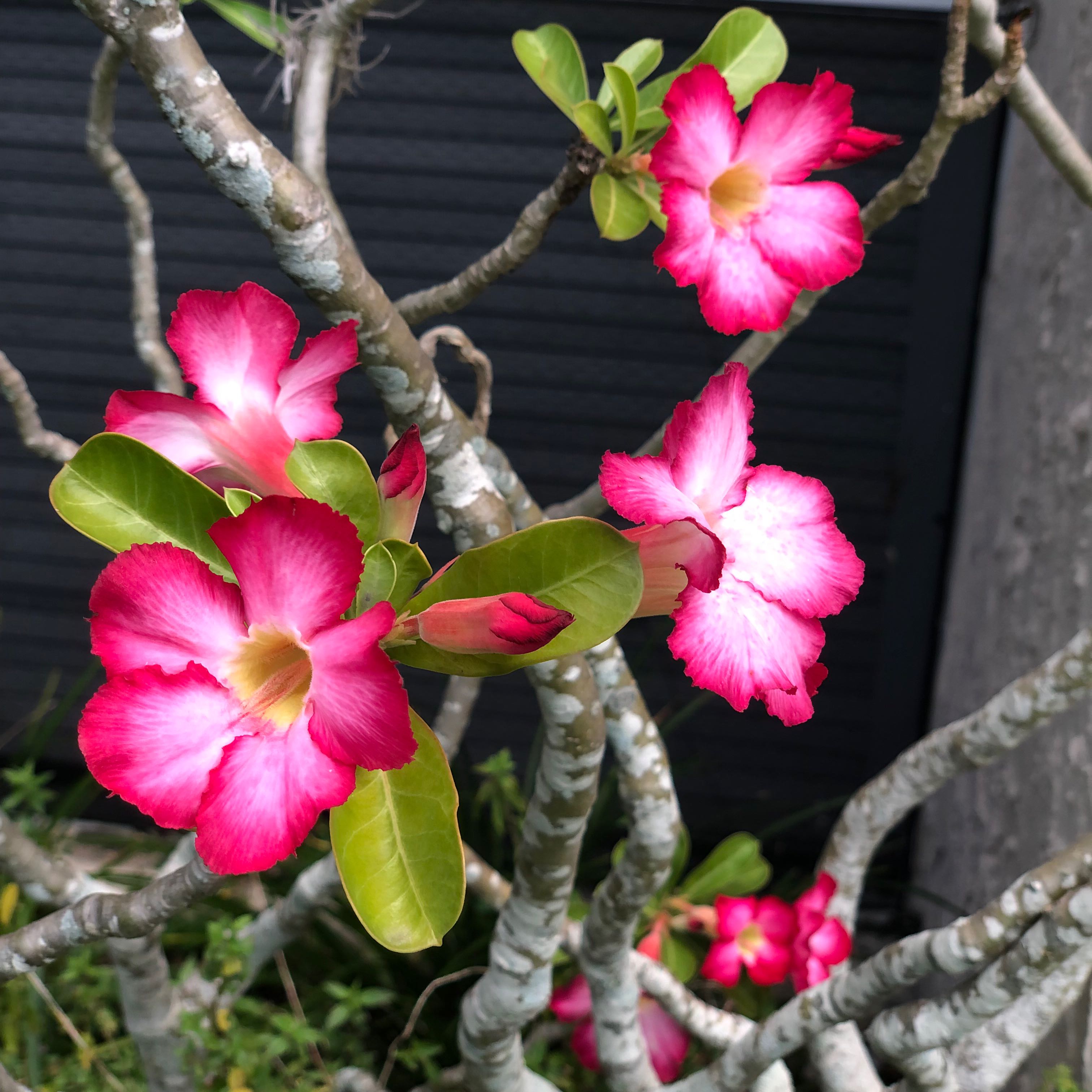
How To Know When To Repot A Desert Rose Plant? ๐ฏ
Adenium obesum
By the Greg Editorial Team
Dec 16, 2023•11 min read
This article was created with the help of AI so we can cover more plants for you. May contain errors. See one? Report it here.
- ๐ต Repot when roots peek through drainage holes, or when growth is stunted.
- ๐ฑ Repot gently in spring, using a pot 2" wider than the current one.
- ๐ธ Repotting enhances vitality, prevents overcrowding, and promotes unique growth opportunities.
Signs That Indicate the Need for Repotting
๐ฑ Roots playing peek-a-boo through the drainage holes of your pot? That's your Desert Rose's not-so-subtle way of saying, "Hey, I need more room!"
๐ Stunted growth is another red flag. If your plant seems to be stuck in a growth rut, it might be screaming for a change of scenery - i.e., a new pot.
๐ Yellowing leaves can also be a cry for help, hinting at possible root rot. If your plant's leaves are looking more lemony than lush, it's time to consider repotting.
And let's not forget the caudex - the Desert Rose's swollen stem. If it's starting to look a bit cramped, it's a clear sign that your plant is ready for a move.
Remember, your Desert Rose isn't just a plant; it's a living, breathing entity with needs and desires. Paying attention to these signs will ensure it continues to thrive, bloom, and bring joy to your life.
Choosing the Right Time for Repotting
Springtime is your golden ticket when it comes to repotting Desert Rose plants. This is when your plant is in its active growth phase, ready to stretch its roots and embrace new digs.
Why spring, you ask? Well, it's simple. Repotting in spring gives the plant a full season to expand and settle into its new home. It's like moving house before a long, relaxing summer vacation.
But wait, there's a caveat. Don't rush to repot if your plant has just arrived at your doorstep. New plants need a settling-in period of about 6-12 months. Think of it as the plant's "me time" before it's ready for the big move.
Now, if your plant is screaming for a repot due to stunted growth or disease, you might have to break the spring rule. In such cases, repotting is the lesser of two evils. Just remember to tread carefully to avoid further stress.
And there you have it. The best time to repot your Desert Rose is in spring, but always keep an eye on your plant's health and growth. After all, gardening is not just a science, it's an art.
Repotting Techniques
๐ฑ The Great Escape
First things first, free your plant from its current pot. You'll want to be as gentle as a cat burglar here. A clean knife or garden trowel can help you loosen the soil around the edges. Remember, the roots are as fragile as your grandma's china, so handle with care.
๐ฟ The Root of the Matter
Next, inspect the root ball. Trim off any dead or rotting roots with sterile pruners. If your plant is rootbound, you're going to have to play the bad guy and cut through the roots. It's a tough job, but someone's got to do it.
๐บ Pot Selection 101
Now, let's talk pots. Choose a pot that's 2" wider than the current one. Too big, and the soil dries slower than a snail crossing a sidewalk. Not ideal. Make sure the pot has drainage holes. Without them, water collects in the pot, and you're on a one-way trip to Root Rot City.
๐ก๏ธ The Bottom Line
Before you put your plant in its new home, place a piece of screening at the bottom of the pot. This keeps the soil secure and allows for proper drainage. It's like a safety net for your plant.
๐ฏ The Perfect Fit
Ensure the plant sits about 1" below the edge of the pot to prevent water spillage. It's like Goldilocks, you want it to fit just right.
๐ The Finishing Touches
Fill the sides of the pot with more soil, tamping it down gently. Fill up to the soil line, but avoid overfilling. It's like filling a taco, you don't want everything spilling out when you take a bite.
๐ฐ Watering Wisdom
Finally, water the plant thoroughly, ensuring that the soil is damp but not soggy. Think moist chocolate cake, not soup. If settling occurs, add more soil as needed.
And there you have it, folks! Your Desert Rose is now sitting pretty in its new pot. But remember, it's normal for the plant to undergo some leaf changes and transplant shock as it acclimates to its new environment. So, don't panic if it looks a little under the weather. Just trim off any declining leaves as the plant regains its energy and gets rooted into the soil over time.
Soil Selection and Preparation
When it comes to the Desert Rose, it's all about the soil. This isn't your grandma's rose bush; it's a drought-tolerant, sun-loving, desert-dwelling diva. It needs a well-draining soil mix, something akin to what you'd use for a cactus or succulent.
Let's get down and dirty.
๐๏ธ The Ideal Soil Mix
Your Desert Rose is a fan of the sandy stuff. But don't just dump a bucket of beach sand into a pot and call it a day. You need to strike a balance between drainage and water retention.
A good starting point?
- 65% sharply draining material like perlite
- 10% coconut coir or peat moss
- 10% coarse sand
- 15% potting soil
This mix provides a balance of quick drainage and just enough water retention.
๐ฑ Organic Matter and Perlite
Now, let's talk amendments. Organic matter, like compost or manure, can enrich the soil with essential nutrients. Add in some perlite for improved aeration and moisture retention.
Remember, your Desert Rose is not a fan of waterlogged roots. It's like putting on wet socks - nobody likes it.
๐ Soil pH
Desert Rose plants prefer their soil slightly acidic. Aim for a pH of around 6.0.
๐ฟ Prepping the Soil
Before you get your hands dirty, soak your potting mix thoroughly. Let it sit for an hour, then drain away any excess water. The mix should feel moist, but not so wet that you can squeeze water out of it.
And there you have it. The perfect soil mix for your Desert Rose. Now, let's get to repotting.
Repotting Process
๐ต Preparing Your Desert Rose for a New Home
Before you dive in, choose a pot that's about 2 inches wider than the current oneโbig enough for growth but not so large that the soil stays wet for too long. Sterilize your pruners; you're about to get up close and personal with the roots.
๐ Out with the Old
Gently coax your Desert Rose out of its pot. If it's playing hard to get, a tap or a gentle squeeze on the pot's sides can help. Shake off the old soil, but be kind to the roots; they're not a fan of roughhousing.
๐ In with the New
Screen the drainage hole to keep the soil in and let the water out. Add a layer of soil to the new pot, then place your plant in. The top of the root ball should sit a few inches below the rim. Fill in around the roots with more soil, pressing lightly to eliminate air pockets.
โ๏ธ The First Cut is the Deepest
Inspect the roots. Snip away any that are dead or rotting. If the roots are circling, it's time to intervene. Cut through them to prevent future strangling.
๐ง Watering Wisdom
Water thoroughly after repotting. The goal is moist, not soggy. If the soil settles after this, don't be shyโadd a bit more.
๐ฑ Aftercare: The TLC Phase
Mist your plant occasionally to keep humidity up. This is like a spa day for your Desert Rose, helping it recover from the move. Keep it in medium light and resist the urge to fertilize until it's settled in.
Remember, repotting is like moving to a new city for your plant. It's stressful, but with the right care, it'll soon be thriving in its new pot.
Aftercare and Ongoing Maintenance
๐ง Watering and Light Requirements
After repotting, give your Desert Rose a good drink. But remember, this isn't a thirsty cactus. It's more of a "sip, don't gulp" kind of plant. So, water thoroughly and then let the water drain out.
Light-wise, your Desert Rose is a bit of a sun worshipper. It loves bright, indirect light. Think of it as a plant that enjoys a good tan but doesn't want to get sunburned.
๐ฑ Fertilization Needs
Now, let's talk about fertilization. After repotting, it's a good idea to give your plant a balanced fertilizer to promote healthy growth. But don't go overboard. Too much of a good thing can turn bad quickly.
๐ Monitoring Progress
Keep an eye on your plant. It's adjusting to a new home, and like any new tenant, it might take a while to settle in. Look out for signs of stress or disease. If you see anything unusual, don't panic. Plants, like people, need time to adjust to new situations.
๐ Adjusting Care Routines
And finally, be ready to adjust your care routines as needed. Your Desert Rose isn't a static being. It grows, changes, and adapts, and so should your care for it.
Remember, good plant care is a dance, not a dictatorship. You and your Desert Rose are partners in this journey, so pay attention to its needs and respond accordingly.
Troubleshooting Post-Repotting Issues
๐ฅ Wilting Woes
Wilting post-repotting is a common sight. It's like the plant version of a toddler tantrum after a move. It's not you, it's them. They're just adjusting to their new digs. Give them time, keep up your care routine, and they should bounce back.
๐ฆ Root Rot Rumble
Root rot is another issue that can rear its ugly head. It's the plant equivalent of athlete's foot, but way worse. Overwatering is usually the culprit. If you spot dark, mushy roots, you've got a problem.
๐ Root Rot Rescue
To tackle root rot, you need to adjust your watering routine. Let the top inch of soil dry out before watering again. If the rot persists, you may need to repot again, cutting away the rotted roots and using fresh soil.
๐ฑ Soil Struggles
Sometimes, the issue lies with the soil. If your plant seems unhappy after repotting, it might not be vibing with its new soil mix. In this case, repotting again with a different soil might be necessary.
๐ฟ Post-Repotting Care
After repotting, monitor your plant closely. Keep it hydrated, but not waterlogged. Ensure it has enough light, but not too much. It's a delicate dance, but you've got this.
๐จ When to Seek Help
If your plant is still struggling a month post-repotting, it's time to seek expert help. Sometimes, despite our best efforts, our green friends need a little extra TLC. Don't be disheartened. Remember, even the best gardeners face plant troubles. It's all part of the journey.
Benefits of Repotting
Repotting a Desert Rose plant is like giving it a new lease on life. It's not just about changing the scenery; it's about creating an environment where the plant can thrive.
๐ฑ Promoting Root Development
When you repot, you're giving the roots room to stretch out and grow. Root development is crucial for the overall health of the plant. It's like upgrading from a cramped studio apartment to a spacious loft. The roots can spread out, absorb more nutrients, and support robust growth.
๐ซ Preventing Overcrowding
Overcrowding is a real issue for plants. It's not a house party; there's no fun in being squished. Repotting prevents overcrowding by providing ample space. This allows the plant to grow without constraints, just as nature intended.
๐ฟ Encouraging Overall Plant Vitality
Repotting is a rejuvenating process. It's like a spa day for your plant. Fresh soil brings new nutrients, improving the plant's health and vitality. It's a chance for the plant to reset and start anew.
๐จ Enhancing Aesthetic Appeal
Let's not forget the aesthetic benefits. Repotting can enhance the plant's signature feature, the engorged caudex. By exposing more of it above the soil line, you're showcasing the plant's unique beauty. It's like putting on a statement piece of jewelry - it's all about making a bold, visual impact.
๐ฑ Facilitating Unique Growth
Repotting also opens up opportunities for unique growth. Ever thought of growing a Desert Rose upside down or as a bonsai? Repotting is your chance to get creative and experiment. It's like giving your plant a new hairstyle, and who doesn't love a good makeover?
In essence, repotting is a vital step in your Desert Rose's life journey. It's not just about changing pots; it's about promoting growth, preventing overcrowding, and enhancing the plant's overall vitality. So, don't be a nervous nelly about repotting. Embrace it as an opportunity to give your Desert Rose the best life possible.
โ ๏ธ Safety First
This content is for general information and may contain errors, omissions, or outdated details. It is not medical, veterinary advice, or an endorsement of therapeutic claims.
Always consult a qualified healthcare professional before using any plant as food, medicine, or supplement.
Never eat any plant (or feed one to pets) without confirming its identity with at least two trusted sources.
If you suspect poisoning, call Poison Control (800) 222-1222, the Pet Poison Helpline (800) 213-6680, or your local emergency service immediately.
Spotted an error? Please report it here.