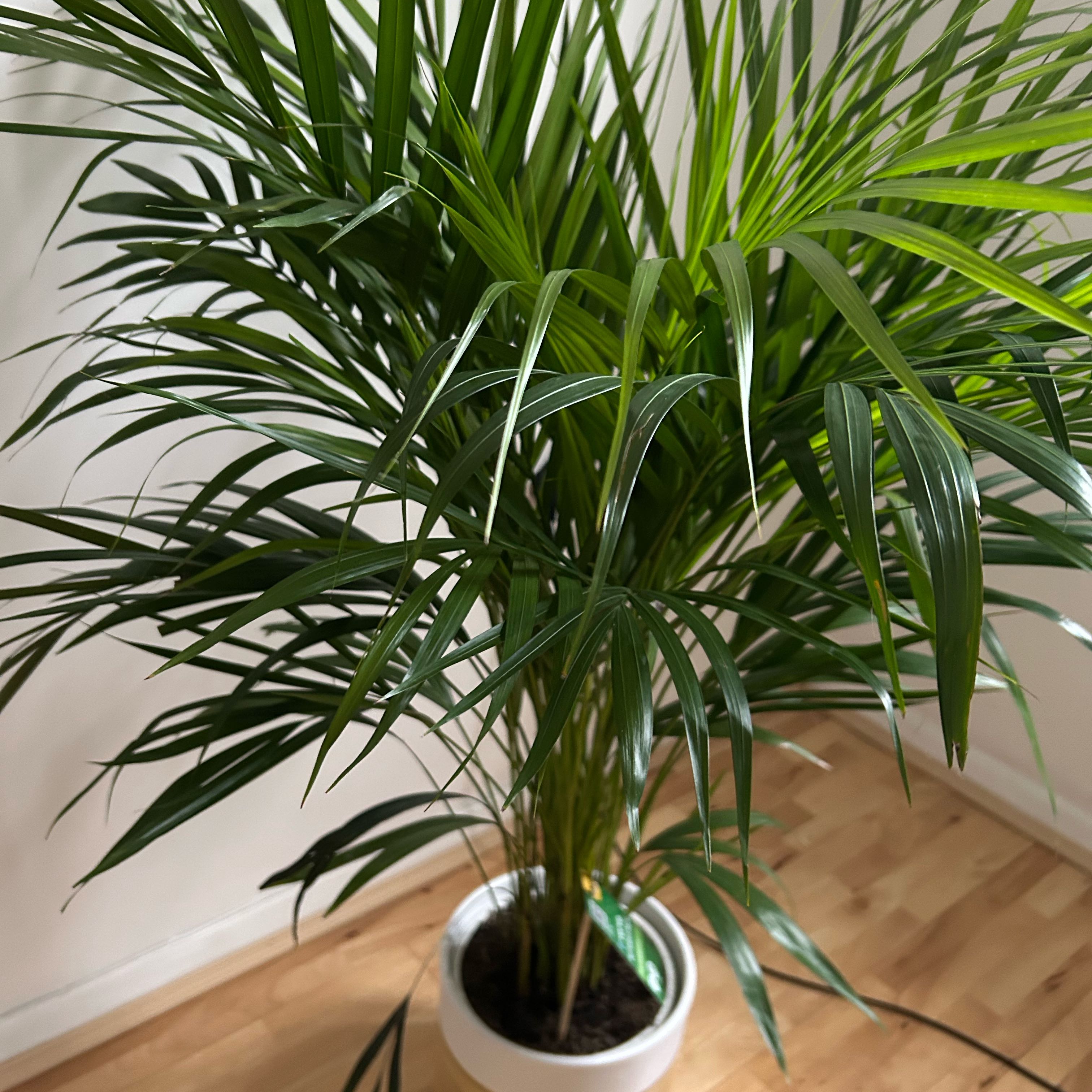
Should I Repot My Areca Palm And If So, How?

Dypsis lutescens

By the Greg Editorial Team

Jun 08, 20247 min read

This article was created with the help of AI so we can cover more plants for you. May contain errors. See one? Report it here.

Boost your Areca Palm's vitality ๐ŸŒด with savvy repotting tips for lush, healthy growth.

Areca palm
  1. Root visibility and quick drainage signal it's time to repot your Areca Palm.
  2. ๐ŸŒฑ Repot in spring to align with the Areca Palm's growth cycle.
  3. Well-draining, acidic soil and careful aftercare ensure successful repotting.

Signs That Your Areca Palm Needs Repotting

Roots making a break for it? ๐ŸŒฑ Visible roots at the soil's surface or peeking out from drainage holes scream for more space. If your Areca Palm's roots are coiled like a snake in a basket, it's time to repot.

Watering your palm more often than your thirst for coffee? ๐Ÿ’ง Quick-draining water is a telltale sign. When water runs through like a sieve, the soil is likely exhausted, and your palm is parched for nutrients.

Yellowing, drooping, or a general look of despair? These could be your palm's cry for help. A ๐Ÿšซ lack of growth during the Areca's high season, spring and summer, can mean it's starving for nutrients.

๐Ÿง‚ Salt buildup on the soil's surface is like a bad mineral deposit. It's a clear signal that your Areca Palm needs a fresh start with new soil.

Remember, an Areca Palm likes to be a bit snug, but not strangled. When the roots have taken up all the backstage, it's showtime for a new pot. Keep it cozy, thoughโ€”๐Ÿ“ˆ one size up is the mantra.

Lastly, if your palm's leaves are throwing brown-tip tantrums, it could be a humidity hissy fit, but it might also mean the soil is too dry at the bottom. A repot could bring back the tropical vibes.

Keep these signs in mind, and your Areca Palm will thank you with lush, green fronds and a happier life.

Healthy, vibrant green Areca Palm in a white planter near a window, showing upright growth and no signs of discoloration or disease.

Choosing the Right Time for Repotting

Springtime isn't just for decluttering your closet; it's prime time for repotting your Areca Palm. These tropical charmers hit their growth stride with the longer days and warmer temps.

Summer works too, but think of it as the last call at the barโ€”still good, but you're cutting it close. Avoid the plant's dormant phase like you'd avoid a dentist appointment; stress is guaranteed if you repot when it's not growing.

๐ŸŒฑ Best Season for Repotting

Spring is the unanimous MVP for repotting. It's when your Areca Palm is wide awake and ready to stretch its roots. Summer can pinch-hit if you missed the spring window, but it's not ideal.

โฐ Timing is Everything

Repotting during dormancy is like waking a teenager at dawnโ€”risky business. Aim for growth periods to minimize the shock to your plant's system.

Healthy areca palm in a woven basket, with lush green fronds, situated indoors near a TV and books.

How to Repot Your Areca Palm

๐Ÿ’ง Soil Selection and Preparation

Well-draining and slightly acidicโ€”that's the ticket for your Areca Palm's new soil mix. Think of it as a comfy bed: it needs to be just right. Add in some organic matter to keep it cozy, ensuring the soil holds moisture without getting waterlogged.

๐ŸŒฑ Repotting Process

First, gently coax your palm out of its current abode. Inspect the roots like a detective looking for cluesโ€”healthy roots mean a happy plant. Settle it into its new pot, which should be just a size up, and fill the gaps with your prepped soil. Remember, no deep burials; keep it at the same level it was before.

๐Ÿ’ฆ Watering and Aftercare

Water your newly potted palm with the tenderness of a plant whisperer, aiming for moist, not soggy. Post-repotting care is crucial; it's like the plant's spa period to recover from the move. Keep an eye on it, and adjust care as needed to help it acclimate to its new digs.

Healthy, thriving potted Areca Palm with lush green foliage, photographed from inside a home looking out a window.

Maintenance and Aftercare

After repotting your Areca Palm, the real fun begins. It's like aftercare for a tattoo โ€“ crucial and not to be taken lightly.

๐Ÿ’ง Watering Wisdom

Watering is a fine art with these tropical beauties. Keep the soil moist, but not soggy, like a well-wrung sponge. In the cooler months, let the topsoil dry out a bit more between waterings. Think of it as the plant's time to breathe.

๐ŸŒฑ Fertilizing Finesse

Fertilize your Areca Palm sparingly. Once in spring with a slow-release fertilizer should do the trick. It's like feeding a cat; too much and you'll have a mess on your hands.

๐Ÿšจ Stress Signals

Keep an eye out for the drama queens of the plant world โ€“ yellowing leaves. They're a sign your palm might be in distress, possibly from overwatering or insufficient light. Adjust accordingly and watch for improvement.

๐ŸŒก๏ธ Humidity and Heat

These palms crave humidity and warmth. If your home is drier than a stand-up comedian's wit, consider a humidifier or a pebble tray with water. And keep the temperature above 15ยฐC (59ยฐF) to avoid a chilly palm.

๐ŸŒฟ Light and Location

Areca Palms enjoy bright, indirect light. Direct sunlight is a no-go; it's like putting a vampire in a tanning bed. If the leaves start to yellow, it's time to find a shadier spot.

๐Ÿœ Pest Patrol

Watch out for uninvited guests like red spider mites and mealybugs. If you spot them, it's shower time for your palm. A gentle spray or a wipe with soapy water should evict those pests.

โœ‚๏ธ Pruning Practices

Prune only the dead or unsightly fronds. Avoid giving your palm a bad haircut by snipping healthy leaves. And remember, brown tips are a part of the palm's charm โ€“ no snipping!

Final Thoughts

Remember, the Areca Palm is a living thing, not a piece of furniture. It needs your attention and care to thrive in its new home. Treat it right, and it'll be your leafy companion for years to come.

Benefits of Repotting

Repotting an Areca Palm isn't just a choreโ€”it's a rejuvenation ritual. This process gives your palm a fresh lease on life, allowing it to stretch its roots and soak up nutrients more effectively. Let's dive into the perks of giving your green buddy a new home.

๐ŸŒฑ Enhanced Growth and Vitality

When confined to the same pot, Areca Palms can become root-bound. This is like wearing shoes two sizes too smallโ€”uncomfortable and restrictive. Repotting provides space for roots to expand, encouraging a surge in growth and a boost in the plant's overall vitality.

๐Ÿฅฆ Nutrient Uptake

Old soil is like stale breadโ€”it's lost its zest. Over time, essential nutrients get depleted, leaving your palm hungry for more. By repotting, you're essentially setting the table with a nutrient-rich feast for your palm, which can lead to lusher leaves and a happier plant.

๐Ÿœ Pest and Disease Management

Pests love to lurk in the nooks and crannies of old soil. Repotting is your chance to evict these unwelcome guests. Fresh soil means fewer hiding spots for pests and a lower chance of diseaseโ€”think of it as a preventative health check-up for your palm.

๐ŸŒฟ Aesthetic Perks

Let's not overlook the obvious: a repotted Areca Palm just looks better. It's like giving your plant a spa dayโ€”refreshed, revitalized, and ready to impress. Plus, a new pot can add a dash of style to your space.

๐ŸŒณ Long-Term Health

Repotting isn't just a short-term fix; it sets your Areca Palm up for long-term success. With more room to grow and access to new soil, your palm can continue to thrive for years to come. It's an investment in your plant's futureโ€”smart gardening at its best.

Potential Challenges and Solutions

๐ŸŒฑ Root Damage

When roots get damaged during repotting, it's like a bad haircut; it can grow back, but it takes time and care. Trim any broken or dead roots before repotting to encourage recovery.

๐Ÿ’ง Overwatering

Overwatering is the equivalent of force-feeding your plant; it's just too much of a good thing. Ensure drainage is on point and cut back on the H2O to avoid waterlogged roots.

๐ŸŒฟ Transplant Shock

Transplant shock can make your Areca Palm look like it partied too hard the night before โ€” droopy and sad. Keep the soil and environmental conditions as consistent as possible post-repotting to help it bounce back.

๐ŸŒž Acclimation

Your palm needs time to acclimate to its new home. Avoid drastic changes in lighting or temperature to prevent it from going into botanical shock.

๐ŸงŸ Root Rot

Root rot is the plant version of a zombie apocalypse for roots. If you spot mushy, brown roots, it's time to play surgeon. Cut away the rot and repot in fresh, well-draining soil to give your plant a fighting chance.

๐ŸŒฑ Consistent Care

Post-repotting, your plant's not looking for a party; it wants a spa day. Keep care consistent and gentle to help it settle in. Think of it as a plant's version of Netflix and chill.

๐Ÿ‘€ Monitoring

Keep an eye on your Areca Palm like it's the quiet kid in class; it might not speak up until there's a problem. Watch for signs of distress and adjust care as needed to ensure a smooth transition.

โš ๏ธ Safety First

This content is for general information and may contain errors, omissions, or outdated details. It is not medical, veterinary advice, or an endorsement of therapeutic claims.

Always consult a qualified healthcare professional before using any plant as food, medicine, or supplement.

Never eat any plant (or feed one to pets) without confirming its identity with at least two trusted sources.

If you suspect poisoning, call Poison Control (800) 222-1222, the Pet Poison Helpline (800) 213-6680, or your local emergency service immediately.

Spotted an error? Please report it here.

Boost your Areca Palm's post-repotting recovery and growth with Greg's tailored watering schedules and health check-ins ๐ŸŒฑ to ensure a seamless transition to its new pot.


You Might Also Want to Know...

Should I repot my Areca Palm?

Yes, if your Areca Palm is outgrowing its current pot, it is recommended to repot it into a larger pot.

How do I know if my Areca Palm needs repotting?

You should consider repotting your Areca Palm if you notice that the roots are coming out of the drainage holes in the pot, or if the plant is becoming root-bound and the growth is stunted.

What kind of soil mix should I use for repotting my Areca Palm?

For repotting your Areca Palm, it is recommended to use a multi-purpose compost mixed with perlite and orchid compost bark to create a free-draining mix that provides moisture and nutrients.

How deep should I plant my Areca Palm when repotting?

When repotting, plant the Areca Palm slightly deeper in the new pot, ensuring that the roots are covered and any exposed roots are buried.

How often should I water my repotted Areca Palm?

After repotting, water the Areca Palm slightly less than before, as the plant won't be drinking as much water due to the root pruning and increased space in the pot.

How can I improve the appearance of my Areca Palm?

To improve the appearance of your Areca Palm, remove any dead or damaged leaves to make the plant look nicer and allow sunlight to reach the healthier leaves.

Can I remove some of the smaller plants growing from the base of my Areca Palm?

Yes, removing smaller plants can prevent overcrowding and allow more space for the main plant to grow.

How can I prevent root rot in my Areca Palm?

To prevent root rot, ensure that the pot has good drainage holes and use a free-draining soil mix to prevent water from sitting in the bottom of the pot.

How fast can an Areca Palm grow in the right conditions?

In the right conditions, an Areca Palm can grow several feet in a year.

How often should I repot my Areca Palm?

You may need to repot your Areca Palm every 2-3 years if it is growing quickly and outgrowing its current pot.