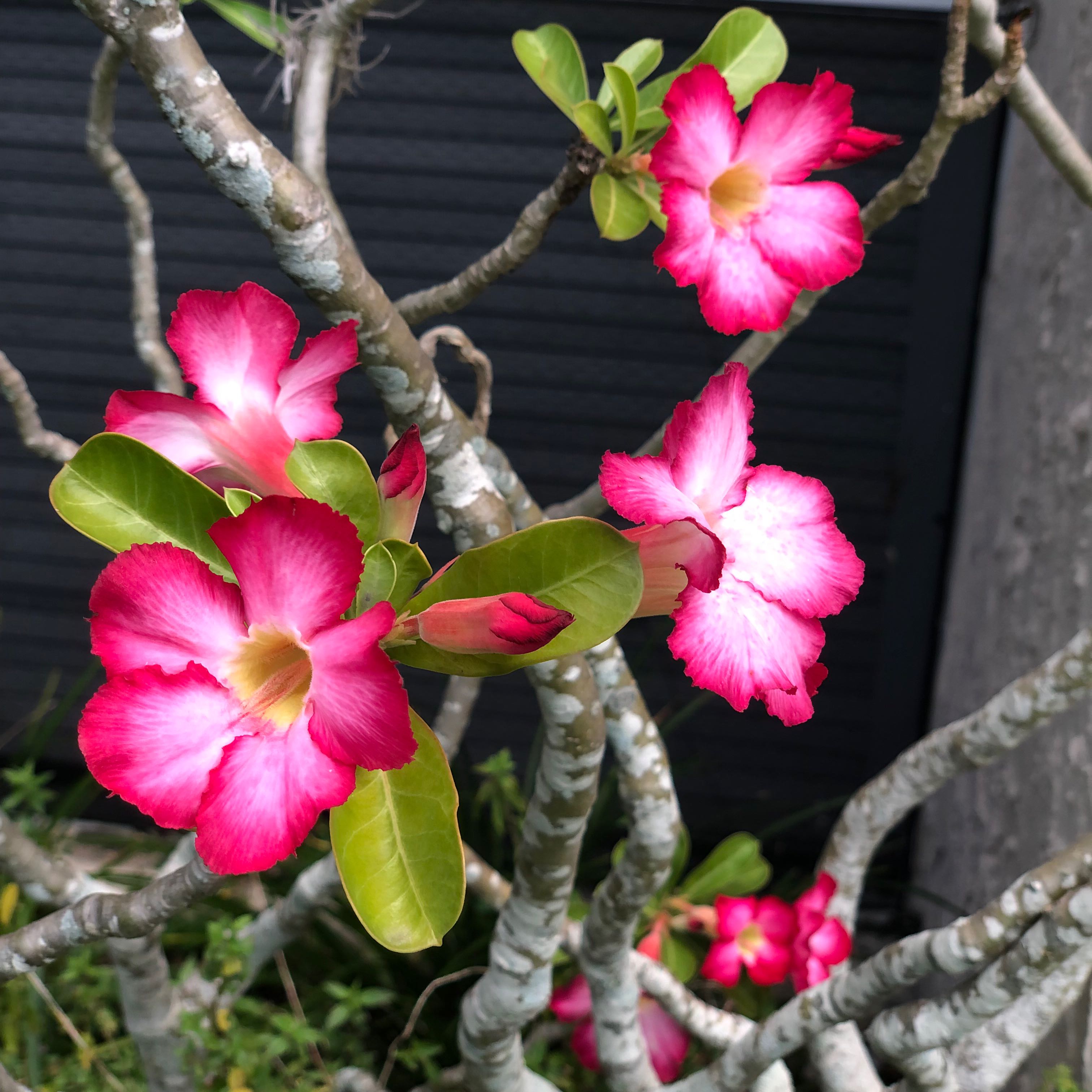
🌹 Ultimate Guide to Repotting Adenium obesum

Adenium obesum

By the Greg Editorial Team

Jan 07, 20258 min read

This article was created with the help of AI so we can cover more plants for you. May contain errors. See one? Report it here.

  1. 🌱 Signs of root bound include roots escaping drainage holes or circling the pot's bottom.
  2. 🌼 Repot in spring for optimal growth; ensure temperatures exceed 15°C (60°F).
  3. πŸͺ΄ Use well-draining soil and choose a pot 1-2 inches larger for healthy roots.

Signs That Adenium Needs Repotting

Recognizing when your Adenium obesum needs repotting is crucial for its health and growth. Here are the key indicators to watch for.

🌱 Root Bound Indicators

One of the first signs that your Adenium is root bound is when you see roots growing out of the drainage holes. This means the plant has outgrown its pot and is struggling for space.

Another indicator is roots circling the bottom of the pot. If you notice this, it’s a clear signal that the plant needs a larger home.

Lastly, stunted growth despite proper care can also indicate a need for repotting. If your Adenium isn’t thriving, it might be time to give it more room to grow.

🏺 Soil Condition

The condition of the soil is another important factor. If the soil is compacted and no longer draining well, it can suffocate the roots.

You should also look for signs of salt buildup on the soil surface. This can indicate over-fertilization and poor drainage, both of which can harm your plant.

🌿 Plant Health

Keep an eye on the overall health of your Adenium. Yellowing leaves or leaf drop are often signs of stress, which can be linked to inadequate pot space or poor soil conditions.

Additionally, if your plant is wilting despite adequate watering, it may be struggling with root issues. This is a strong indication that repotting is necessary to restore its vitality.

By being attentive to these signs, you can ensure your Adenium remains healthy and vibrant. Next, let’s explore the best time to repot your plant for optimal results.

Best Time to Repot

🌱 Seasonal Timing

The best time to repot your Adenium obesum is in the spring, just before the growing season kicks off. This timing allows the plant to settle into its new home and thrive as it begins to grow.

Avoid repotting during the winter months when the plant is dormant. This can stress the plant and hinder its recovery.

🌑️ Environmental Conditions

Temperature plays a crucial role in successful repotting. Ensure that temperatures are consistently above 15Β°C (60Β°F) to promote healthy growth.

Moderate humidity levels are also preferable. This balance helps your Adenium adapt better to its new environment without the risk of shock.

Step-by-Step Repotting Process

Repotting your Adenium obesum can seem daunting, but with the right approach, it can be a rewarding experience. Follow these steps to ensure a smooth transition for your plant.

1. Gather Your Materials 🧰

Start by collecting everything you'll need: a new pot, potting soil, tools like a trowel and scissors, and gloves. Having everything on hand will make the process much smoother.

2. Prepare the New Pot πŸͺ΄

Ensure your new pot has adequate drainage holes to prevent water accumulation. Choose a pot that is 1-2 inches larger in diameter than the current one to give your plant room to grow.

3. Remove the Plant from Its Current Pot 🌱

Gently squeeze the sides of the pot to loosen the soil. Carefully slide the plant out, supporting the base to avoid damaging the roots.

4. Inspect the Root System πŸ”

Take a close look at the roots. Trim any dead or rotting roots with sterilized scissors, but be cautious not to disturb the caudex excessively.

5. Add Potting Soil to the New Pot 🌾

Fill the bottom of the new pot with a layer of well-draining potting mix. This will provide a solid foundation for your Adenium.

6. Position the Plant πŸ“

Place the plant in the center of the new pot. Fill around the roots with potting mix, ensuring the caudex remains above the soil line to prevent rot.

7. Water the Plant Lightly πŸ’§

Moisten the soil without soaking it to avoid root rot. This initial watering helps settle the soil around the roots.

8. Place the Repotted Plant in a Suitable Location 🌞

Finally, position your repotted plant in a spot with indirect sunlight for a few days. This will help reduce transplant shock and allow your Adenium to acclimate.

By following these steps, you’ll set your Adenium obesum up for success in its new home. Next, let’s explore the best practices for post-repotting care to ensure your plant thrives.

Pot Material Options

Benefits of Terracotta Pots 🌱

Terracotta pots are a fantastic choice for Adenium obesum due to their excellent breathability and drainage. They help prevent overwatering by allowing moisture to evaporate, which is crucial for the health of your plant.

Pros and Cons of Plastic Pots ♻️

Plastic pots are lightweight and easy to move, making them a convenient option for plant enthusiasts. However, they retain moisture longer, which can lead to overwatering if not monitored closely.

Ceramic Pots: Aesthetic vs. Practicality 🎨

Ceramic pots come in attractive designs that can enhance your decor. Just make sure they have drainage holes; while they are heavier and may retain moisture, their beauty can be worth the trade-off.

Choosing the Right Size Pot πŸ“

When selecting a pot, the general rule is to choose one that is 1-2 inches larger in diameter than the previous pot. Always consider the size of the caudex and root system to ensure your Adenium has enough space to thrive.

Understanding the right pot material and size is essential for the health of your Adenium. With the right choices, you can create an ideal environment for your plant to flourish.

Next, let’s dive into the ideal soil and drainage options for your Adenium obesum.

Soil and Drainage

Ideal Potting Mix 🌱

For your Adenium obesum, the right potting mix is crucial. A recommended blend is 50% cactus mix and 50% perlite or sand, which enhances drainage and prevents water retention.

The ideal pH level for this mix should be slightly acidic to neutral, ranging from 6.0 to 7.0. This balance supports healthy growth and root development.

Importance of Drainage Holes 🚰

Drainage holes are a must-have in any pot for Adenium. They prevent water accumulation, which can lead to root rot, a common issue for succulent plants.

These holes are essential for maintaining the health of the root system. Without them, your plant may struggle to thrive.

How to Improve Drainage πŸ’§

To boost drainage further, consider adding gravel or small stones at the bottom of the pot. This layer acts as a barrier, allowing excess water to escape while keeping the soil in place.

Using a well-draining potting mix specifically designed for succulents is another effective strategy. This ensures that your Adenium has the best conditions for growth.

Transitioning to the next section, let's explore how to care for your Adenium after repotting to ensure it thrives in its new environment.

Post-Repotting Care

πŸ’§ Watering After Repotting

After repotting your Adenium obesum, it's crucial to water it lightly. This initial watering helps settle the soil around the roots.

Wait for 1-2 weeks before watering again. This allows the roots to acclimate to their new environment without the risk of overwatering.

β˜€οΈ Light Requirements Post-Repotting

For the first week, provide your plant with bright, indirect sunlight. This gentle light helps reduce stress as it adjusts to its new pot.

Gradually reintroduce the plant to full sun exposure after the acclimation period. This step is essential for promoting healthy growth.

🌱 Fertilizing After Repotting

Delay fertilization for at least 4-6 weeks after repotting. This waiting period ensures that the plant can focus on establishing its roots.

Once you see signs of new growth, use a diluted, balanced fertilizer. This will give your Adenium the nutrients it needs to thrive in its new home.

Transitioning to the next section, let's explore common repotting mistakes to avoid. Understanding these pitfalls can help ensure your Adenium remains healthy and vibrant.

Common Repotting Mistakes to Avoid

🌱 Overpotting vs. Underpotting

Choosing the right pot size is crucial for your Adenium obesum's health. Overpotting, or selecting a pot that's too large, can lead to excess soil moisture, which may cause root rot.

On the flip side, underpotting restricts root growth. A pot that's too small can stunt your plant's development and lead to stress.

🧐 Ignoring Root Health During Repotting

When repotting, it's essential to inspect the root system thoroughly. Failing to trim unhealthy or dead roots can create future problems, hindering your plant's growth.

Healthy roots are the foundation of a thriving plant. Take the time to care for them during the repotting process.

🌞 Not Acclimating the Plant After Repotting

After repotting, your Adenium needs time to adjust. Sudden exposure to full sun or regular watering can shock the plant, leading to stress and potential decline.

Gradual acclimatization is key. Start with indirect light and slowly reintroduce your plant to its usual conditions for a smoother transition.

By avoiding these common mistakes, you'll set your Adenium obesum up for success in its new home. Next, let's explore the best practices for post-repotting care to ensure your plant thrives.

⚠️ Safety First

This content is for general information and may contain errors, omissions, or outdated details. It is not medical, veterinary advice, or an endorsement of therapeutic claims.

Always consult a qualified healthcare professional before using any plant as food, medicine, or supplement.

Never eat any plant (or feed one to pets) without confirming its identity with at least two trusted sources.

If you suspect poisoning, call Poison Control (800) 222-1222, the Pet Poison Helpline (800) 213-6680, or your local emergency service immediately.

Spotted an error? Please report it here.

Transform your Adenium obesum's health with smart repotting tips 🌱 from Greg, ensuring it thrives in its new pot while avoiding root rot and overwatering!