How Should Creeping Charlie Be Cut Back?
Plectranthus verticillatus
By the Greg Editorial Team
Jun 17, 2024•7 min read
This article was created with the help of AI so we can cover more plants for you. May contain errors. See one? Report it here.
- Prune in spring or after flowering for healthy growth and ecosystem support.
- 🌿 Use sharp tools and clean cuts to shape and control Creeping Charlie.
- Avoid over-pruning and wrong seasons to prevent plant damage.
Optimal Timing for Pruning Creeping Charlie
Pruning Creeping Charlie isn't rocket science, but timing is key. Spring is your golden ticket, as the plant enters its vigorous growth phase. This is when you want to grab your shears and get to work.
🌱 Why Spring Makes Sense
Pruning in spring encourages fresh growth and helps the plant recover quickly. It's like giving Creeping Charlie a pep talk, spurring it to spread its leafy wings.
🌸 Flowering Period Considerations
Got bees buzzing around? Creeping Charlie is a bee's best friend when it flowers. If you're aiming to keep the bees coming, consider pruning just after flowering. This way, you support the ecosystem and still keep the plant in check.
🍂 The Fall Factor
While spring is prime time, don't ignore fall. It's a good time to reign in any overzealous growth, especially before Creeping Charlie goes into seed-spreading mode. Preventative pruning can save you a headache later on.
❄️ When Not to Prune
Avoid winter pruning. New growth might just freeze off, and that's no fun for anyone. Summer isn't ideal either; it's like sending your plant to a marathon in a heatwave—just plain cruel.
🌿 The Bottom Line
Prune when the plant is growing, and you'll be rewarded with a Creeping Charlie that's both lush and manageable. Remember, timing is everything—get it right, and you're a pruning Picasso.
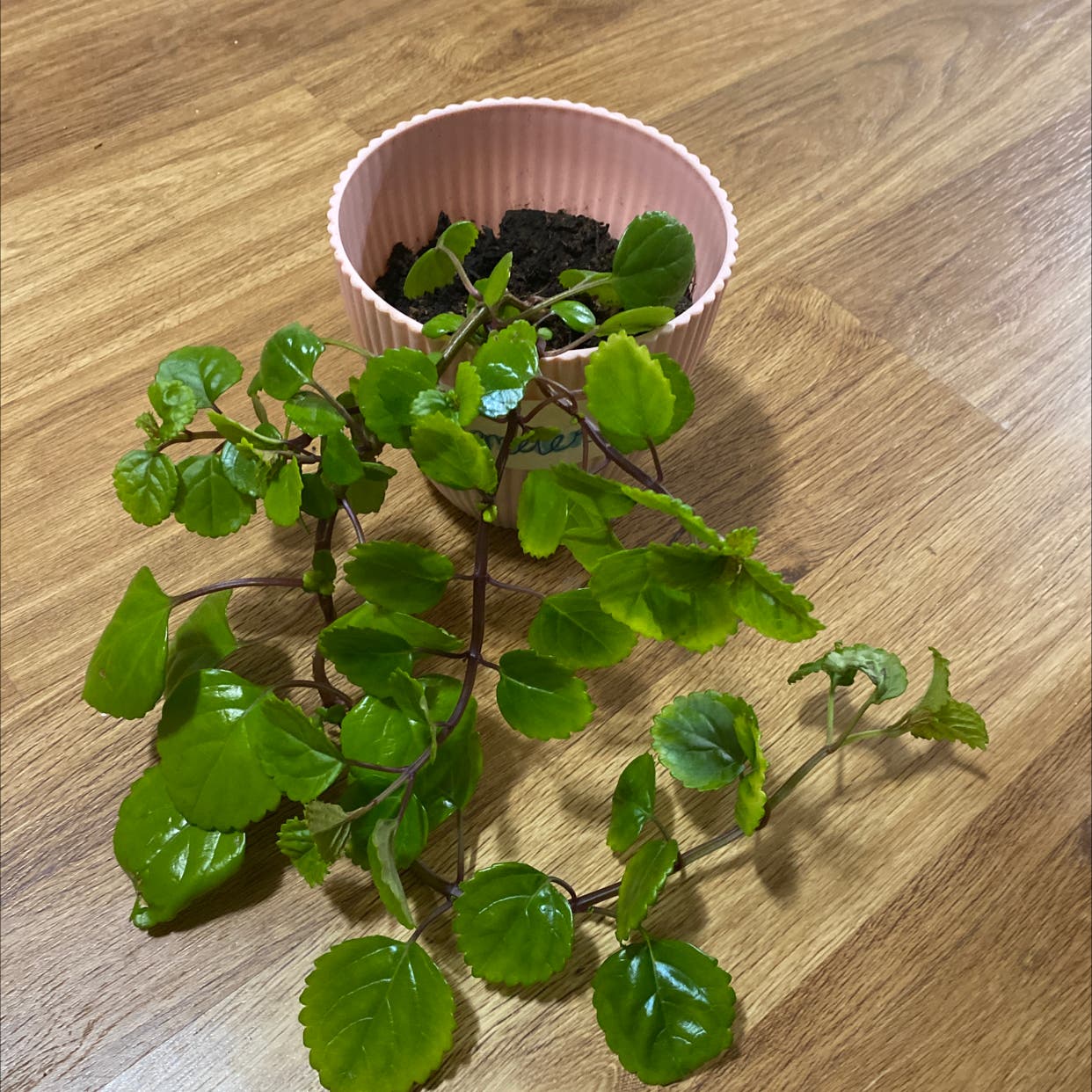
Selecting the Right Pruning Tools
Pruning Creeping Charlie isn't just about hacking away at overgrowth—it's an art that requires the right tools. For this ground cover, you'll want to start with pruning shears; they're the Swiss Army knife of the pruning world. Ensure they can handle up to 3/4 inches in diameter for those thicker stems.
🛠️ Essential Pruning Tools
- Pruning Shears: Your go-to for most Creeping Charlie cuts.
- Lopping Shears: When you encounter the occasional stubborn branch, these are your muscle.
- Hand Saws: For the rare cases where Charlie has gone rogue and thick branches are in play.
- Gloves: Creeping Charlie isn't thorny, but gloves keep your hands clean and protected.
🔧 Tool Care and Maintenance
- Cleanliness is Key: Wipe your blades with alcohol after each use to prevent disease spread.
- Sharpness Matters: Dull blades mangle stems, so keep them sharp for clean, swift cuts.
- Storage Smarts: Dry your tools before storing to ward off rust. A little oil can go a long way in keeping them in tip-top shape.
Remember, while Creeping Charlie is resilient, your tools shouldn't have to be. Take care of them, and they'll take care of your garden.

Effective Pruning Techniques
Pruning Creeping Charlie isn't rocket science, but it does require a bit of finesse. Timing is everything; spring or early summer gives the plant time to recover and flourish.
🌱 Step-by-Step Pruning Guide
- Suit up with gloves—Creeping Charlie can be a skin irritant for some.
- Start with sterilized pruning shears to prevent disease spread.
- Identify overgrown areas or sections impeding other plants.
- Make cuts at the nodes where leaves meet the stems for encouraging bushiness.
- Thin out dense mats by cutting back to the plant's edge.
- Regularly deadhead spent flowers to prevent seeding and spreading.
🌿 Shaping and Controlling Spread
- Direct growth by selectively pruning trailing stems towards the desired area.
- Limit spread by creating clear boundaries, like garden edging or physical barriers.
- Be vigilant; Creeping Charlie is tenacious and will reclaim territory if ignored.
Remember, while you're snipping away, keep an eye out for unwanted guests like scale insects. And don't toss those clippings in the compost—unless you want a Creeping Charlie takeover. Dispose of them responsibly.
Pruning isn't just about control; it's about coexistence. With the right cuts, Creeping Charlie can add a lush, verdant vibe without engulfing your garden.

Pruning to Control Overgrowth and Invasiveness
Creeping Charlie, with its tendency to spread, can quickly become a garden tyrant. Here's how to prune it back into submission.
🌱 Timing is Everything
Prune before flowering in spring or after the first frost in fall to curb its invasive nature.
✂️ Pruning Techniques
Start by hand-pulling any easy-to-reach vines, ensuring you remove the roots to prevent regrowth. For denser areas, use sharp, disinfected shears to make clean cuts, which helps maintain plant health.
🌿 Strategic Cutting
Focus on areas where Creeping Charlie is encroaching on other plants. Cut back to the desired boundary, being mindful of the plant's ability to root at nodes.
🌱 Maintenance Pruning
Regularly snip away at new growth to prevent it from rooting and spreading further. This will keep your Creeping Charlie in check and your garden looking tidy.
♻️ Disposal
Be vigilant with disposal; avoid composting the trimmings as they can easily take root and start the cycle anew.
Remember, while Creeping Charlie can be a lush groundcover, without proper pruning, it's a botanical bully. Keep your shears sharp and your eyes sharper.
Enhancing Aesthetics Through Pruning
Pruning Creeping Charlie isn't just about plant health—it's an art form.
🌿 The Strategy: Pruning for Beauty
Shape and form are paramount when integrating Creeping Charlie into your garden's design. Prune to maintain its natural appearance, avoiding tight geometrical shapes unless necessary for your vision. The goal is to prune so subtly that it's hard to tell the plant has been cut at all.
✂️ Creating Defined Edges
For a manicured look, trim Creeping Charlie along garden borders. Use sharp shears to create clean lines that define spaces or pathways. This not only enhances the garden's aesthetics but also prevents the plant from encroaching on other areas.
🌱 Maintaining Forms
To keep a specific shape, regularly prune new growth that deviates from the desired form. This could mean cutting back overreaching vines or pinning down wayward shoots with garden staples to maintain a flat, dense cover.
🎨 Pruning for Landscape Design
Consider the plant's role in your landscape. Is it a ground cover, a feature, or a filler? Prune accordingly, whether it's thinning to let light through to lower plants or clipping back to highlight other garden features.
🌸 Pruning to Highlight
Sometimes, less is more. By removing excess growth, you can draw attention to the Creeping Charlie's delicate flowers or its vibrant green leaves, making it a standout feature rather than a background player.
Remember, with Creeping Charlie, regular light trimming is better than infrequent heavy cuts. This approach keeps the plant looking its best and aligns with its vigorous growth habit.
Avoiding Pruning Pitfalls
🌿 Common Pruning Mistakes
Pruning Creeping Charlie is not just about snipping away; it's a delicate dance with shears. One misstep can lead to a plant's demise. Over-pruning is a cardinal sin, stripping the plant of its vitality and leaving it open to disease. To avoid this, prune only what's necessary for health and aesthetics.
✂️ The Right Cut
Sharp tools are non-negotiable. Dull blades can crush stems, inviting pests and rot. Always make clean cuts at a node where leaves attach, promoting healthy regrowth. Remember, tearing or ripping can be as harmful as using a chainsaw to slice bread—utterly disastrous.
🕰 Timing is Everything
Pruning during the wrong season can spell trouble. Avoid pruning when Creeping Charlie is dormant; this can weaken the plant. The best time? Right after flowering, when the plant's energy is high, and it can recover swiftly.
🎯 Pruning with Precision
When controlling Creeping Charlie's spread, precision is key. Cut back to the desired boundary but be mindful not to damage the roots, as this can hinder the plant's overall health. It's like performing surgery with a scalpel rather than a sledgehammer—accuracy is everything.
🧼 Cleanliness Counts
After each pruning session, clean your tools. This isn't just about being tidy; it's about preventing the spread of disease. Think of it as washing your hands after visiting a sick friend—it's just common sense.
🌱 Addressing Challenges
Creeping Charlie's vigorous nature can be a double-edged sword. While it's resilient, it can also be a bully, encroaching on other plants. To keep it in check, establish clear boundaries, and prune regularly. It's like setting ground rules with a boisterous puppy—necessary for harmony.
🎨 Final Touches
Lastly, don't let the fear of making mistakes paralyze you. Pruning is both an art and a science, and even the most seasoned gardeners learn through trial and error. So, go ahead, make the cut, and watch your Creeping Charlie thrive.
⚠️ Safety First
This content is for general information and may contain errors, omissions, or outdated details. It is not medical, veterinary advice, or an endorsement of therapeutic claims.
Always consult a qualified healthcare professional before using any plant as food, medicine, or supplement.
Never eat any plant (or feed one to pets) without confirming its identity with at least two trusted sources.
If you suspect poisoning, call Poison Control (800) 222-1222, the Pet Poison Helpline (800) 213-6680, or your local emergency service immediately.
Spotted an error? Please report it here.
Prune your Creeping Charlie with confidence and precision for a flourishing garden 🌿, and let Greg's tailored reminders keep your green thumb on point!

