🐛 What Are The Bugs on My Creeping Charlie?
Plectranthus verticillatus
By the Greg Editorial Team
Jun 17, 2024•5 min read
This article was created with the help of AI so we can cover more plants for you. May contain errors. See one? Report it here.
- 🕷️ Spider mites show webbing, scales have shells; both treatable with oils.
- 🍄 Fungus gnats indicate overwatering; control with dry soil and sticky traps.
- 🌱 Prevent pests with proper care, cleanliness, and beneficial insects.
Identifying Common Pests on Creeping Charlie
🕷️ Spider Mites
Tiny webbing under leaves and minuscule, stationary dots signal a spider mite invasion. These pests hitch rides on air currents, so check neighboring plants too.
🦠 Scale
Look for sticky residue or bumpy brown spots on leaves and stems. Use the white paper test: shake a branch over paper and inspect dislodged critters with a magnifier.
🦟 Fungus Gnats / Fruit Flies
Swarming adults or larvae in overly moist soil are giveaways. Sticky traps are your friends here, capturing the adult gnats and cutting down the annoyance factor.
🐛 Mealybugs
Cottony masses in leaf nooks or on roots scream mealybugs. They're like uninvited guests who refuse to leave, sapping your plant's energy and looking unsightly.

Treating Pests on Creeping Charlie
🕷️ Spider Mites
Spider mites are tiny troublemakers that can wreak havoc on your Creeping Charlie. Spot them by their telltale white dots and fine webbing on leaves. When it comes to eviction, water sprays can dislodge these pests, but for a more lasting solution, reach for insecticidal oils or soaps. Apply thoroughly, especially under leaves, and repeat as necessary. Remember, persistence is key—repeat treatments may be required to send these arachnids packing.
🦠 Scale
Scale insects can turn your Creeping Charlie into their personal buffet. Identify scale by the small, bumpy brown or white shells they hide under. To combat these freeloaders, introduce horticultural oil to smother them. For a more targeted approach, use a systemic insecticide like dinotefuran as a soil drench. It's a bit like setting a trap inside the plant—scale bugs can't resist. Just be sure to follow label instructions to the letter.
🦟 Fungus Gnats / Fruit Flies
Fungus gnats and fruit flies are more than just a nuisance; they're a sign of overwatering. Cut back on the H2O and let the soil dry out. For those who prefer a hands-on approach, sticky traps can catch adults, while drying out the soil will discourage larvae. If you're in the mood for a bit of DIY, mix water with a splash of dish soap and watch those gnats say goodbye.
🐛 Mealybugs
Mealybugs are the cottony squatters that just love to suck the life out of your plants. To show them the door, dab them with a Q-tip soaked in alcohol—it's like sending them to a very unhappy spa. For larger infestations, neem oil or insecticidal soap can be your best friends. Apply with gusto, ensuring you reach those nooks and crannies where mealybugs love to hide. And don't forget to check back; these pests are known for their unwelcome comebacks.

Preventing Pest Infestations in Creeping Charlie
👩🌾 Cultural Practices
Sunlight and Watering: Strike the right balance. Too much moisture invites fungus gnats, while drought stresses the plant, making it a magnet for spider mites. Water when the top inch of soil feels dry, and ensure your Charlie gets its daily dose of sunshine.
🛡️ Physical Barriers
Mulching: A layer of mulch can deter pests by blocking access to the soil. Plus, it's like a spa day for your plants, keeping the roots cozy and moist (but not too moist).
🧹 Sanitation
Cleanliness is Next to Buglessness: Regularly remove dead leaves and debris. It's like taking out the trash; if you don't, pests will come to feast.
🌱 Companion Planting
Friends with Benefits: Planting chives or garlic near your Creeping Charlie can repel aphids. It's like having a bouncer at the door of a club, keeping the riff-raff out.
👀 Monitoring
Eyes on the Prize: Regularly inspect your plant for the first signs of trouble. Catching pests early is like spotting a typo in a tweet before it goes viral – it saves a lot of trouble down the line.
🛡️ Proactive Measures
Sticky Traps: Yellow sticky traps aren't just for decoration. They snag adult fungus gnats like flypaper at a picnic.
Handpicking: Sometimes, you've just got to get your hands dirty. Spot a bug? Pluck it off. It's oddly satisfying.
By embracing these strategies, you can keep your Creeping Charlie as a lush carpet underfoot, not a bug buffet. Remember, the best offense is a good defense.
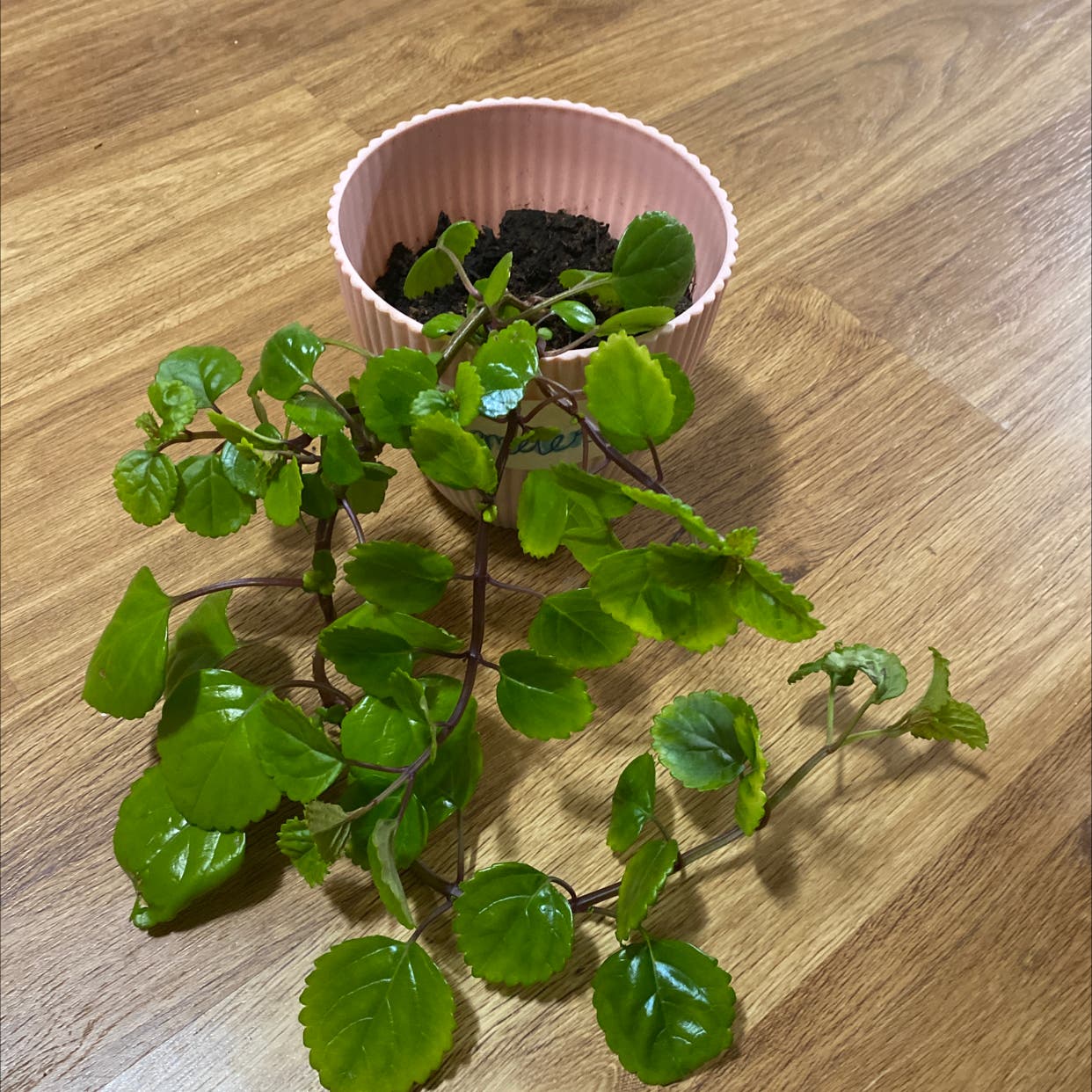
Pest Management Strategies for Creeping Charlie
🛡️ Integrated Pest Management (IPM)
Integrated Pest Management (IPM is the gold standard for keeping your Creeping Charlie and other plants healthy and pest-free. It's a holistic, chess-like strategy that requires thinking several moves ahead. IPM combines cultural, biological, and chemical controls, aiming to minimize pesticide use while effectively managing pests.
🌱 Cultural Controls
Start with the basics: proper growing conditions. Creeping Charlie thrives in moist, shaded areas, so improving sunlight exposure and reducing watering can make the environment less inviting for pests. Regular lawn maintenance, like mowing and fertilizing, can also discourage pest infestations.
🐞 Biological Controls
Nature's got your back. Introduce beneficial insects like ladybugs and lacewings, which are natural predators to common pests like aphids and mites. Creeping Charlie itself can attract pollinators, but don't let it take over; diversity is key for a healthy garden.
🧪 Chemical Controls
When the going gets tough, the tough get going—but carefully. Chemicals should be a last resort. If you must, opt for insecticidal soaps or neem oil, which are less harmful to beneficial organisms. Always check with the Organic Materials Review Institute (OMRI™) for approved products.
🐞 Beneficial Insects
Let's talk about the unsung heroes: beneficial insects. They're like the garden's police force, keeping the bad guys in check. Encouraging a diverse population of these allies can significantly reduce pest populations. For instance, bees are not just pollinators; they can also help control certain pests.
🌼 Attracting Allies
To attract these beneficial bugs, plant a variety of flowers and herbs that provide nectar and pollen. Also, consider using yellow sticky traps to control adult fungus gnats without harming your six-legged friends.
Remember, pest management is not about declaring war on all insects; it's about creating a balanced ecosystem where your Creeping Charlie can coexist with nature's little helpers. Keep your friends close, your enemies under control, and your garden thriving.
⚠️ Safety First
This content is for general information and may contain errors, omissions, or outdated details. It is not medical, veterinary advice, or an endorsement of therapeutic claims.
Always consult a qualified healthcare professional before using any plant as food, medicine, or supplement.
Never eat any plant (or feed one to pets) without confirming its identity with at least two trusted sources.
If you suspect poisoning, call Poison Control (800) 222-1222, the Pet Poison Helpline (800) 213-6680, or your local emergency service immediately.
Spotted an error? Please report it here.
Keep your Creeping Charlie pest-free 🛡️ with Greg's tailored care reminders, ensuring a healthy plant ecosystem that naturally deters those tiny invaders.

