How to Plant a Saguaro
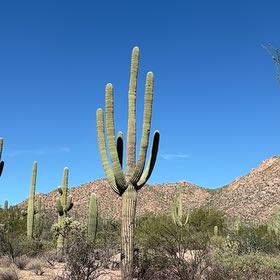
Plant a nursery-grown saguaro outdoors in spring once nights stay above 50°F, in full sun on a well-drained slope or raised bed. Use fast-draining gritty mineral soil and set the plant at the same depth it sat in the nursery pot. Mark the south-facing side before you move it and replant in that same orientation. Do not water in. First obvious growth may take a full year.

When and where to plant
Saguaro is hardy in zones 9a through 11b and grows best in full sun, eight or more hours of direct light each day. Outside its native Sonoran Desert range it needs a hot, south-facing site with no afternoon shade from buildings, walls, or other trees. Cold winter wet is the limiting factor in marginal zones, not summer heat.
The ground must drain fast. Saguaro roots stay shallow and wide, often only six to twelve inches deep but spreading out as far as the plant is tall, and they rot quickly in soil that holds water for more than a few hours. Choose a natural slope, the top of a berm, or a raised bed if your soil is heavy. Avoid low spots, irrigated lawns, and any site downhill from a roof drain.
Plant in spring once overnight lows stay above 50°F, usually March through May in zone 9. Allow at least ten feet of clearance from foundations, walkways, and overhead lines, since a mature plant reaches 40 to 60 feet tall and a fallen saguaro at maturity weighs several tons.
Arizona regulates the saguaro under the state Native Plant Law. Even nursery-grown plants require state tags and a transport permit before you can move or plant one, so buy only from a licensed dealer who provides the paperwork at sale.
Planting a container-grown nursery saguaro
Buy only from a licensed Arizona dealer who hands you the state tag and transport permit at sale. The critical horticultural rule is drainage. A saguaro that sits in damp soil rots from the base within weeks, and unlike most plants the rot is invisible until the lower ribs collapse. Before lifting the plant, mark the side that faced south in the nursery with chalk or tape, because replanting in the same orientation prevents sunburn on tissue that has never been exposed to direct sun.
-
1Confirm the paperwork and mark the south side Before you do anything else, check that the plant has the Arizona Department of Agriculture tag and that your sales receipt names the licensed nursery. Then look at the plant in the pot, identify the side that has been facing south in the nursery sun, and mark it with a piece of chalk or colored tape. Saguaro skin that has been shaded sunburns badly if suddenly turned to face direct sun.
-
2Pick the site and check drainage Dig a small test hole eight inches deep at your chosen spot and fill it with water. The water should drain completely in under an hour. If it holds longer, move the plant to a slope, a berm, or a raised bed of gritty soil at least two feet tall. Heavy clay or compacted ground is the single most common cause of first-year death.
-
3Dig the hole the same depth as the pot Measure the height of the soil ball in the nursery pot, then dig a hole exactly that depth and twice as wide. Do not dig deeper, because the soil under a saguaro must stay firm to anchor a top-heavy plant against wind. Skip any amendments. Compost, manure, and potting mix all hold water and cause the rot the dry hole is meant to prevent.
-
4Set the plant and backfill with native gritty soil Place a one-inch layer of gritty native soil or coarse sand at the bottom of the hole, then lift the saguaro out of the nursery pot keeping the chalk mark facing south, and lower it onto the base layer so the top of the soil ball sits level with surrounding ground. Hold the plant upright while you backfill around the sides with the same dry native soil you removed, firming gently with your hands to remove large air pockets. The plant should stand on its own at the end without staking.
-
5Walk away and do not water for two to four weeks Watering a freshly planted saguaro is the most common new-grower mistake. The roots are still callusing over any breaks from the move, and water at this stage drives rot directly into damaged tissue. Wait two to four weeks before the first shallow watering, then water deeply only every three to four weeks during the growing season. Do not mulch the base.
The first year
The first year for a newly planted saguaro is almost entirely an underground story. The plant is callusing over root damage from the move and slowly pushing new lateral roots out into the surrounding desert soil, building the shallow wide anchor that will eventually hold up tons of water-filled tissue. You should expect essentially zero visible top growth during this period.
The most common new-grower mistake is reading the lack of visible change as a sign of trouble and overcompensating with water or fertilizer. Both are how planted saguaros die. The plant evolved to survive on rare deep rains, and frequent shallow watering keeps the surface roots wet long enough for rot to take hold. Skip fertilizer entirely in year one.
Healthy first-year signs are subtle. The ribs should hold their pleated shape, the skin should stay a steady waxy green, and the base where the plant meets soil should remain firm to the touch with no discoloration or softening.
What can go wrong
-
Soft mushy base after planting
Rot from too much water or poor drainage is the single most common cause of first-year death. Stop all watering immediately and check the soil two inches down for moisture. If the rot is caught early and only affects the outer surface, the plant can sometimes wall the damage off, but rot that has reached the inner tissue usually progresses. Going forward, water deeply only every three to four weeks in the growing season and never in winter. -
Yellow or bleached patches on the trunk
Sunburn on tissue that was shaded in the nursery and is now facing direct sun is the cause. This is why marking the south-facing side before lifting the plant matters. If you did not mark and the plant is now scorched, light shade cloth for the first summer can prevent further damage but the bleached patches usually do not green back up. The plant survives the damage in most cases. -
Plant leaning or tipping over
The shallow lateral root system has not yet anchored, usually because the hole was dug too deep and the loose soil under the base settled. Carefully reset the plant by lifting and replanting at the correct depth with firm native soil under and around the root ball. Do not stake a saguaro. Staking damages the skin and the plant must anchor itself by growing new lateral roots into firm ground. -
Frost damage to the apex
Tissue at the growing tip turns black or brown after a cold snap below freezing, especially on plants under three feet tall. In marginal zones, drape light frost cloth over the tip on nights forecast below 32°F through the first winter. Damage to the apex usually scabs over and the plant continues growing from below the damage, though the silhouette stays slightly disfigured. -
Rodent or bird damage at the base
Pack rats and ground squirrels gnaw the base of young saguaros for moisture, leaving rough chewed patches and exposed tissue. Surround the lower foot of the plant with hardware cloth held off the skin by short stakes for the first two years until the trunk wood thickens. Cactus wrens and woodpeckers do not usually damage plants under five feet tall. -
Skin turning pale or stretching upward
Not enough sun is the cause. A saguaro in partial shade slowly etiolates, producing pale skin and a thin elongated shape rather than the stout pleated form. The plant survives but never thickens properly and stays vulnerable to wind. Transplant to a fully sunny site in early spring of the next year. The earlier the move, the better the recovery. -
Cracks running down the trunk
Sudden deep watering after a dry stretch makes the plant absorb water faster than the skin can stretch, splitting the surface in vertical fissures. The plant heals these by scabbing over within months and they rarely become serious, but they remain visible for years. Water deeply on a regular schedule rather than letting the soil go bone dry then flooding it. -
No visible growth at all in year one
This is normal and expected for saguaro, not a problem to fix. The plant puts almost all of year one into root establishment, and even a healthy newly planted saguaro typically adds only a quarter inch to one inch of height in the first twelve months. If the base is firm, the ribs hold their shape, and the skin stays green, the plant is doing what it should. Visible growth picks up slowly from year two onward.
About This Article
