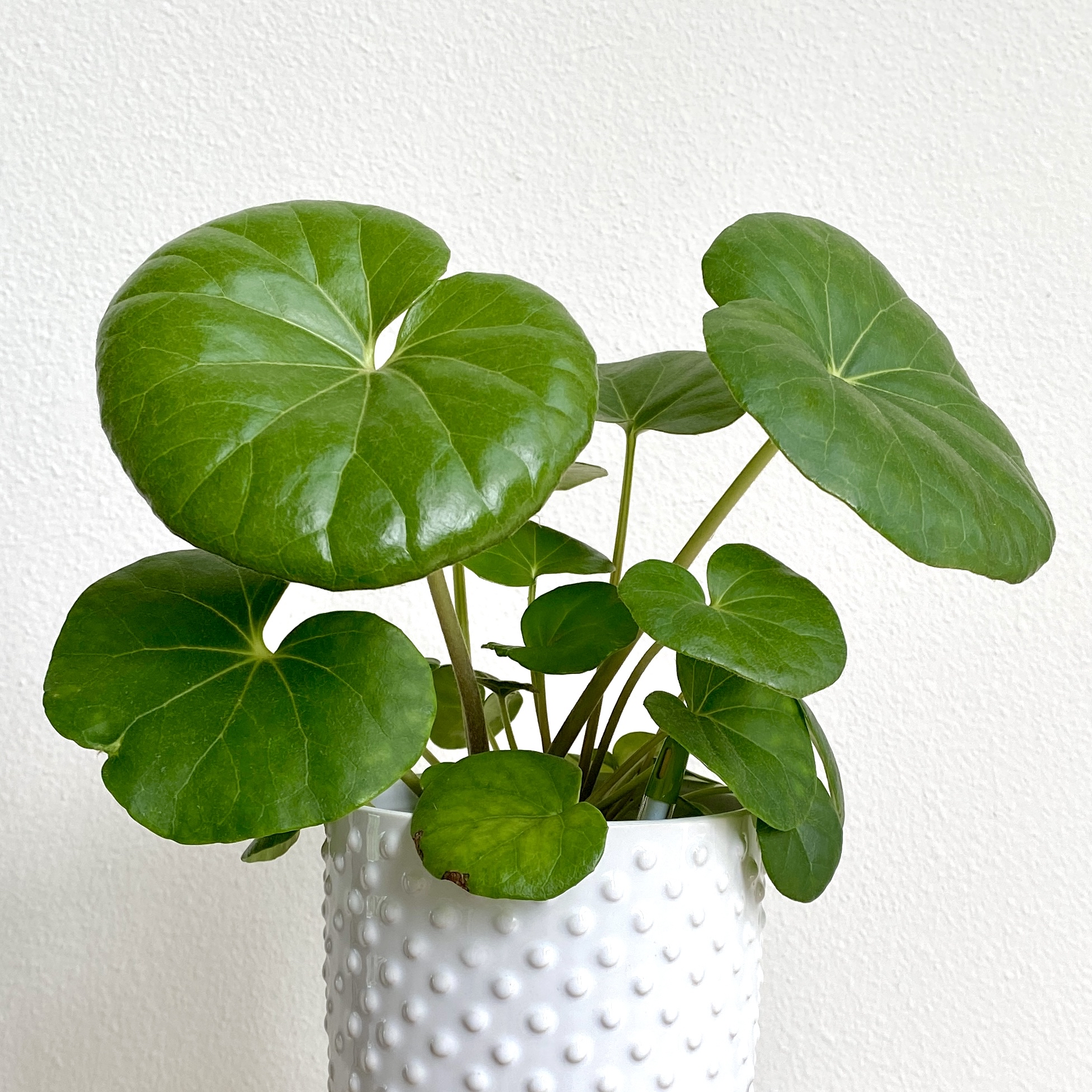
How to Grow a Tractor Seat Plant
Plant a Tractor Seat Plant in part to full shade in rich constantly moist soil, near a pond, low spot, or shaded bed where the soil never dries out. The huge rounded leaves up to 2 feet across are the showstopper. Yellow daisy-like blooms appear on tall stalks in summer. Hardy in USDA zones 7 to 10.

Where to plant
Tractor Seat Plant is a clumping perennial for USDA zones 7 through 10. A mature clump reaches 3 to 4 feet wide and 3 to 4 feet tall, with the massive rounded leaves carried on long sturdy stalks rising from the base.
Sun
Part to full shade is the sweet spot. Morning sun with deep afternoon shade works in most climates, while full shade is fine in hot southern zones. Direct afternoon sun, especially in zones 8 and warmer, wilts the giant leaves within a couple of hours and scorches the edges by the next day.
The leaves flop dramatically in heat even with adequate water and perk back up as the sun moves off. A consistently shaded spot gives the most reliable foliage display.
Drainage
Tractor Seat Plant loves moist soil but still rots in standing water. The ideal spot is a damp depression that drains slowly, the edge of a pond, or a shaded bed with consistently watered soil. Heavy clay that pools after rain causes crown rot, and pure sand dries out too fast to support the big leaves.
Soil
Rich loamy soil with plenty of organic matter is essential. The plant is a heavy drinker and a heavy feeder, and lean dry soil produces small floppy leaves nothing like the catalog pictures. Work several inches of compost into the planting area before you set the plant in.
Space
Give the clump at least 4 feet of clear space in every direction. A mature plant is wider than most people expect, and the dramatic foliage looks best with room to spread without crowding neighbors. The shape works well as a focal point in a shaded woodland bed, beside a pond, or in a damp corner of a courtyard.
How to plant
Plant in early spring as the ground warms or in early fall at least six weeks before the first hard frost. Container-grown plants can go in any time during the cool growing season, but spring or fall planting reduces transplant stress.
-
1Pick a moist shaded spot Locate the planting site before the heat of summer hits. Walk the garden after a rain and look for spots that stay damp longer than the rest of the yard. Those low spots near downspouts, ponds, or shaded north walls are ideal.
-
2Dig a wide shallow hole Twice as wide as the root ball but only as deep. The roots spread sideways more than down, so a wide hole helps the side roots establish faster than a deep one.
-
3Amend the planting area heavily Work several inches of compost into the dug-out soil. The plant is a heavy feeder and rich soil is the foundation of the dramatic leaves. Skimping on compost in the planting hole leads to a small disappointing plant in year one and slow growth thereafter.
-
4Set the plant at the original soil line The top of the root ball should sit even with the surrounding soil. A buried crown rots quickly in this plant's moist conditions, and a crown set too high dries out and produces weak leaves.
-
5Water deeply Soak the entire root zone until the top six inches feel uniformly damp. The first watering settles the soil around the roots and is the most important one of the first growing season.
-
6Mulch three inches deep Use shredded bark, composted leaves, or aged wood chips, kept a few inches back from the crown. A thick mulch is critical for this plant since it holds moisture and keeps the shallow root zone cool through the summer heat that this plant struggles with.
Watering and feeding
Watering
Water deeply two to three times a week through the first growing season to help the plant establish, soaking the root zone rather than splashing the leaves. The plant likes constantly moist soil, never bone-dry between waterings.
Established plants still need consistent moisture. A deep weekly soak in normal weather and a deep soak twice a week during summer heat keeps the leaves big and unblemished. Tractor Seat Plant is the most water-needy perennial in most shade beds, so plan for it.
Feeding
Feed once in early spring as new growth pushes from the crown, using a balanced slow-release fertilizer scattered around the drip line. A second light feeding in early summer keeps the big leaves coming through the season.
An annual two-inch top-up of compost worked gently into the surface around the plant is the foundation of strong growth. Skip feeding after midsummer so the plant can wind down naturally before winter dormancy.
Pruning
Tractor Seat Plant is a herbaceous perennial that dies back to the ground each winter in cool zones, so there is no woody framework to prune. The main tasks are removing tired leaves through the season, deciding whether to keep or remove the flower stalks, and a once-a-year cleanup before winter.
Removing tired leaves
Snip off any yellow or scorched leaves at the base of the stalk as they appear through the season. Fresh leaves keep coming from the crown to replace them. A clean plant looks more dramatic than a clump with crispy edges around the older outer leaves.
Flower stalks
Tall stalks of yellow daisy-like flowers rise above the foliage in mid to late summer. Many growers cut the stalks off as buds appear, since the foliage is the main draw and removing the bloom keeps energy in the leaves. Leaving the flowers is also fine, especially for the pollinator value.
After the flowers fade, cut the stalks back to the base. Letting them set seed weakens the clump and the seed display is not particularly showy.
End-of-season cleanup
In cool zones after the first hard frost blackens the foliage, cut all the stems down to about two inches above the ground. Compost the foliage and renew the mulch over the crown to protect it through winter. In zones 9 and 10 the plant may not fully die back, in which case just remove any battered leaves and leave the rest standing.
Blooming and color
Tractor Seat Plant is grown for the massive rounded leaves up to two feet across that look like glossy green tractor seats stacked in a clump. The yellow daisy-like flowers on tall stalks are a bonus most growers consider secondary to the foliage.
The foliage display
New leaves emerge from the crown in spring as tight bronze-tinted buds and unfurl into rounded glossy green plates over a couple of weeks. The leaves reach their full size by midsummer and hold the display through fall, gradually picking up yellow tones before the plant dies back in late autumn.
Each leaf can reach 18 to 24 inches across in ideal conditions, with thick sturdy stalks holding them aloft. A mature clump with a dozen leaves makes a striking architectural statement in a shaded bed.
Summer flowers
Tall stalks 4 to 6 feet high rise above the foliage in mid to late summer, carrying loose clusters of bright yellow daisy-like flowers about two inches across. The blooms last about two to three weeks and attract bees and small butterflies even in deep shade.
Many growers cut the flower stalks off as buds appear because the tall narrow stems break the strong horizontal lines of the leaves below. The choice is personal, since both forms have a following.
Fall and winter
After the first frost, the foliage softens to a tan-brown and collapses. Cut everything back to two inches above the ground and mulch the crown for winter protection. The whole clump disappears for winter, leaving an empty spot in the bed.
Mark the spot with a label or a small stake so a fall planting nearby does not damage the crown during winter clean-up. Fresh leaves push from the crown in late spring once nights warm up.
Common problems and pests
Tractor Seat Plant is reliable once given the right spot, but a few issues come up often enough to learn to spot early. Most trace back to too much sun, not enough water, or pest pressure that thrives in shade.
Drooping leaves on a hot afternoon
Normal for this plant on a hot day even with adequate water, since the big leaves transpire faster than the roots can keep up. The leaves perk back up as the sun moves off in evening. If they stay flopped overnight, the plant is genuinely thirsty and needs a deep soak.
Scorched or crispy leaf edges
Too much direct sun, especially afternoon sun in zones 8 and warmer. Move the plant in fall to a spot with more shade. Once leaves are scorched they do not recover, so cut off the badly damaged leaves at the base and wait for the next round of fresh growth.
Yellow leaves in midsummer
Usually drought stress as the summer heat hits. The plant prefers constantly moist soil and yellows fast when allowed to dry between waterings. Mulch the root zone three inches deep, water deeply twice a week, and accept that this plant is a heavy drinker.
Holes in leaves
Most often slugs or snails working at night, leaving silvery trails. Big rounded leaves close to the moist ground are exactly what slugs prefer. Pick them off after dark by flashlight or set out shallow saucers of beer near the plant to trap them. A ring of crushed eggshells or diatomaceous earth around the crown also helps.
Chewed leaves with no slug trails
Likely caterpillars or earwigs. Inspect the plant at dusk to spot the culprit. Hand-pick the offenders into soapy water. Bt (Bacillus thuringiensis) spray controls caterpillars without harming bees, and a rolled newspaper trap at the base catches earwigs overnight.
Brown spots or blotches on leaves
Leaf spot, a fungal disease that shows up in humid weather with poor airflow or overhead watering. Rake up and discard fallen leaves to break the disease cycle. Soak the soil directly rather than splashing the leaves, and improve airflow by spacing plants adequately.
Wilting even when soil is wet
Root rot from a soggy site or a buried crown. Dig down a few inches to check whether the soil is truly draining. If the soil is constantly waterlogged, build a low raised mound and replant the crown an inch higher than the surrounding grade. Advanced rot rarely recovers.
Plant stays small with no big leaves
Usually a sign of lean soil or too little water. Tractor Seat Plant is a heavy feeder and rewards rich consistently moist soil with the dramatic foliage. Work compost into the surface around the plant each spring and water deeply through summer.
Crown rot over winter
Soggy soil during the dormant period kills the crown even in hardy zones. Improve drainage by working compost into the bed before planting, plant the crown just at grade rather than buried, and avoid heavy mulch directly on the crown going into winter. Pull mulch back from the center of the clump in early winter to let the crown breathe.
About This Article
