Plant Care
›
Propagation
›
Tractor Seat Plant
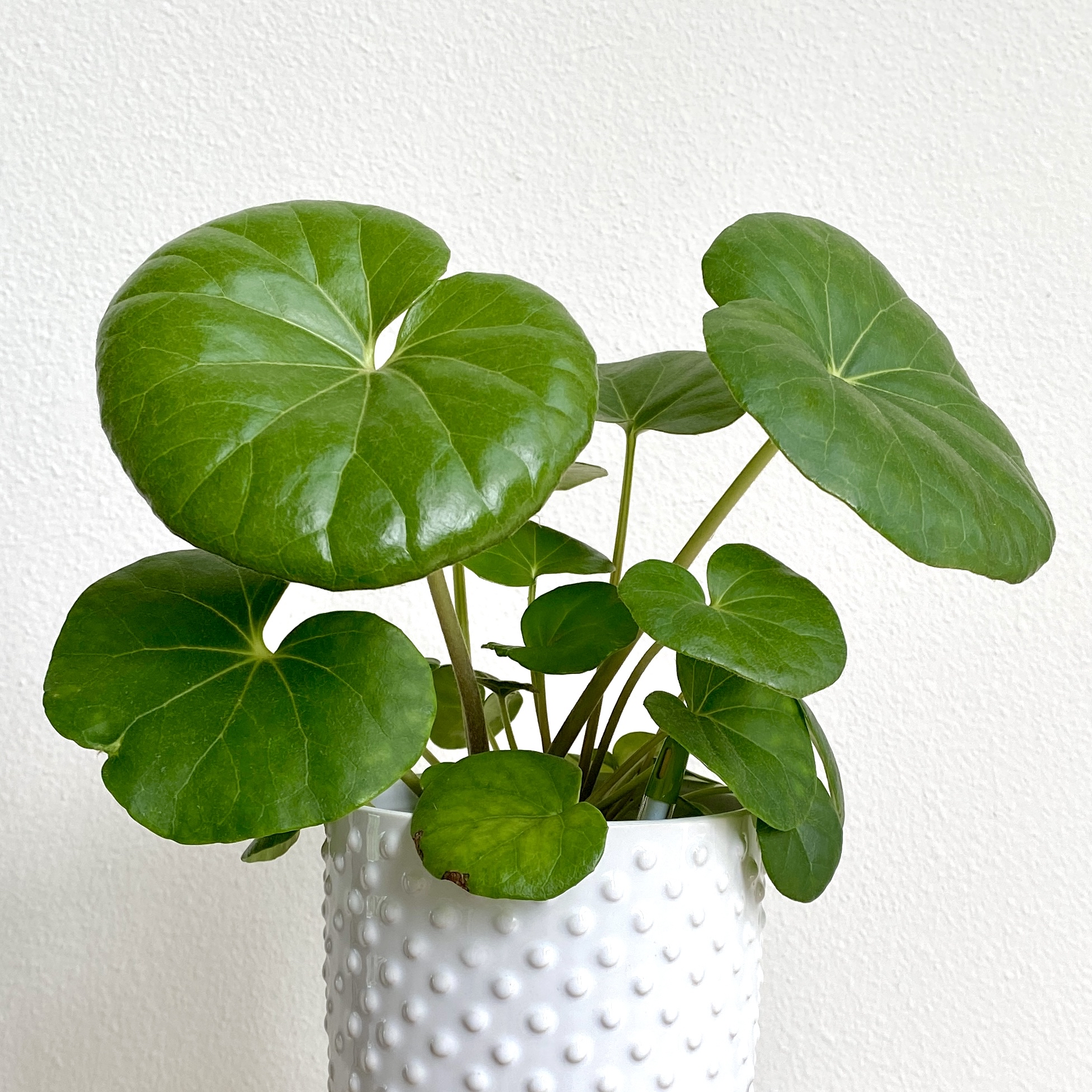
Cremanthodium reniforme
Reviewed by Kiersten Rankel M.S.
QUICK ANSWER
Division of a 3-year-old clump in early spring is the fastest method and gives full-size plants in 1 to 2 seasons.
Fresh seed sown right after collection germinates over 4 to 8 weeks but takes 3 years to reach the iconic round leaves.
Fresh seed sown right after collection germinates over 4 to 8 weeks but takes 3 years to reach the iconic round leaves.
Stay on top of plant care
Get seasonal reminders for watering and fertilizing, personalized for your plants.
Try Greg Free
Pick your method
Tap one to jump to the walkthrough.
Division
Best when your clump is at least 3 years old
From seed
Best for filling a large shaded bed cheaply
Division
Time
1–2 weeks to root
Level
Beginner
Success rate
High
You'll need
Sharp spade or garden fork
Sterile knife or hori-hori
Bucket of water
Compost-rich planting holes prepared in shade
Mulch (leaf mold or bark)
1
Wait for the right window
Divide in early spring as the first leaves push through the soil. The plant is energized for growth but the leaves are small enough to handle without snapping. Avoid summer division because the giant round leaves wilt fast once the roots are disturbed.
2
Dig the entire clump
Slide a spade in a full 8 inches out from the crown all the way around, then lever the rootball up. Tractor Seat Plant has a thick, knobbly rhizome that breaks if you pry from one side only. Get under it from every direction first.
3
Wash and read the rhizome
Rinse the rootball in a bucket of water so you can see the natural divisions. Each clump has multiple growth points sitting on top of the rhizome.
Look for sections with at least one fat bud and a fan of pale roots. Those are your divisions.
Look for sections with at least one fat bud and a fan of pale roots. Those are your divisions.
4
Cut between the buds
Slice down through the rhizome with a sterile knife, keeping one or two buds and a handful of roots per piece. Pieces smaller than a tennis ball usually sulk for a season. Aim for fist-sized chunks.
5
Replant in damp shade
Set each division at the same depth it grew before, with the bud just at soil level. Backfill with compost-enriched soil and water in firmly. Mulch 2 inches deep to lock in moisture while roots re-establish.
6
Keep soil consistently wet for 6 weeks
Tractor Seat Plant is bog-adjacent in the wild. Newly divided plants droop dramatically if the soil dries out in the first month and a half. Water every 2 to 3 days unless rain does it for you.
WATCH FOR
Wilted, paper-thin leaves a week after replanting. That is transplant shock combined with insufficient water, not root rot. Cut the floppy leaves off at the base to stop them pulling moisture from the roots, then keep soil wet. New leaves push within 2 weeks once the roots catch up.
From seed
Time
4–8 weeks germination
Level
Intermediate
Success rate
Moderate
You'll need
Fresh seed collected as the heads brown
Seed trays with drainage
Damp seed-starting mix
Clear humidity dome or plastic bag
A cold frame or unheated porch
1
Collect seed at the right moment
Watch the dandelion-style seed heads in late summer. Once the bracts split and the fluff starts to lift, snip the whole head into a paper bag.
Tractor Seat Plant seed loses viability fast in storage. Sow within 4 weeks of collection or skip this method until next year.
Tractor Seat Plant seed loses viability fast in storage. Sow within 4 weeks of collection or skip this method until next year.
2
Sow on the surface
Fill a seed tray with damp seed mix and tamp it level. Sprinkle the seed thinly across the surface and press it in lightly with a flat board. Do not cover with soil because the seed needs light to germinate.
3
Give it a cold spell
Set the tray in a cold frame or unheated porch for 6 to 8 weeks of cold-moist conditions. Temperatures of 35 to 45 degrees Fahrenheit break the seed's dormancy. Spring sowings without this chill rarely germinate at all.
4
Move into indirect warmth
After the cold period, bring the tray into 60 to 65 degree shade with bright indirect light. Keep the surface damp by misting from above. Germination starts within 2 weeks and runs unevenly for another month.
5
Pot on at the second true leaf
Once seedlings have one tiny round leaf beyond the cotyledons, lift them with a pencil tip into 3-inch pots of compost. Handle by the leaves, not the stem. Grow on in shade for the first summer.
6
Plant out the following spring
Move first-year plants into the garden after their second cold season. They are still small at this stage and will not produce the round signature leaves until year 3. Patience is the price of growing this plant from seed.
WATCH FOR
Seedlings collapse at the soil line within days of germination. That is damping off, a fungal disease driven by stagnant air and overwatering. Lift the dome for a few hours each day to circulate air, water from below by setting the tray in a shallow dish, and thin crowded seedlings to give each one breathing room.
Stay on top of plant care
Get seasonal reminders for watering and fertilizing, personalized for your plants.
Try Greg Free
About This Article

Kiersten Rankel M.S.
Botanical Data Lead at Greg · Plant Scientist
Editorial Process
Propagation methods verified against Cremanthodium reniforme growth data from Greg's botanical database, cross-referenced with USDA hardiness zone data and published horticultural research.