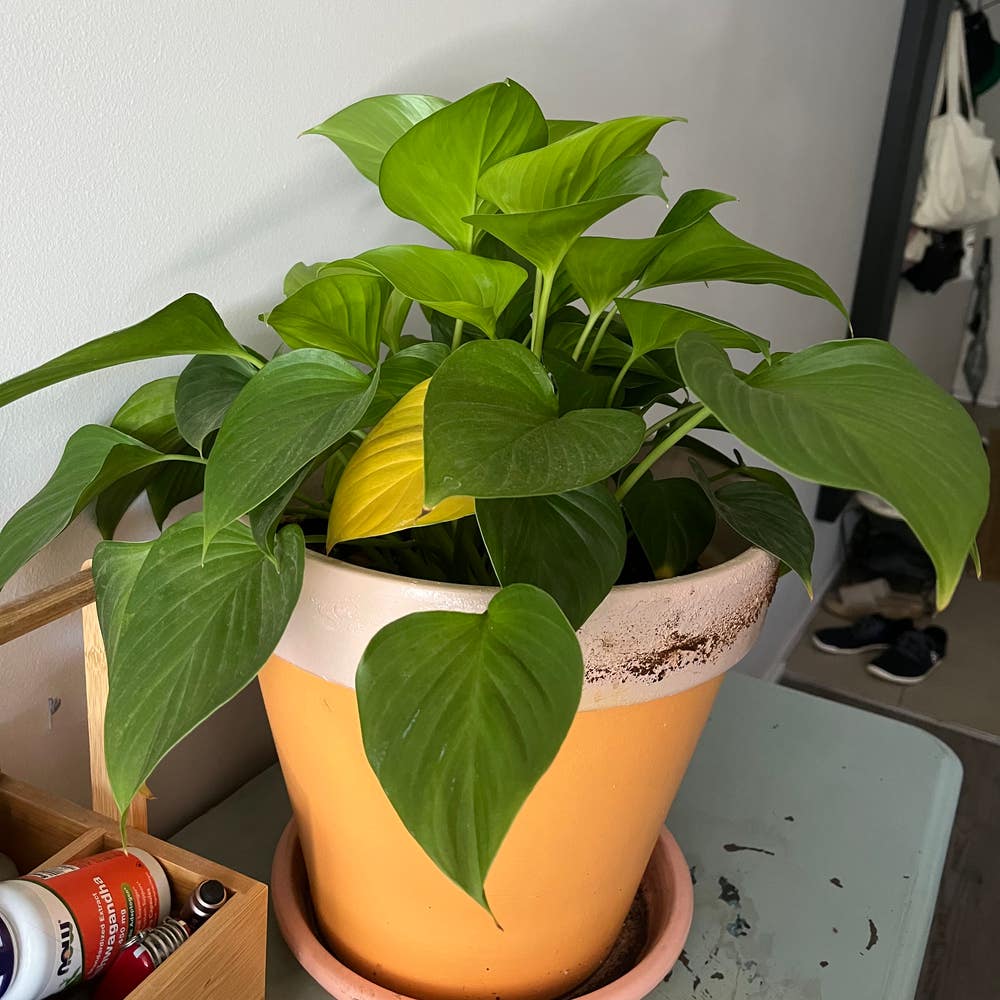
Homalomena vittifolia: A Comprehensive Overview
Homalomena vittifolia
By the Greg Editorial Team
Feb 26, 2025•12 min read
This article was created with the help of AI so we can cover more plants for you. May contain errors. See one? Report it here.
- 🌱 Homalomena vittifolia thrives in indirect light; avoid direct sunlight to prevent leaf burn.
- 💧 Ideal humidity is 60-80%; perfect for controlled indoor environments.
- 🌡️ Optimal temperature range is 65°F to 80°F; ensures healthy growth and longevity.
How to Grow
Choosing the Right Location 🌞
When growing Homalomena vittifolia, light is crucial. This plant thrives in indirect light, so keep it away from harsh, direct sunlight to prevent leaf burn.
Humidity is another key factor; aim for a high humidity level of 60-80%. This makes it perfect for indoor environments where you can control the moisture.
Temperature is also important. Keep your plant in a range of 65°F to 80°F (18°C to 27°C) and avoid cold drafts that can stress the plant.
Soil Preparation 🌱
For soil, opt for a well-draining potting mix. Aroid-specific blends work wonders, providing the right balance of nutrients and drainage.
Make sure your pots have drainage holes. Adding perlite or orchid bark can enhance aeration, preventing root rot.
Planting Techniques 🌿
When planting outdoors, space your Homalomena 12-18 inches apart. For container planting, keep them 6-12 inches apart to allow for growth.
Plant at the same depth as it was in the nursery pot. Avoid burying the crown, as this can lead to rot.
Watering Requirements 💧
Water your plant when the top inch of soil feels dry. Typically, this means watering every 1-2 weeks, depending on your environment.
When you water, do so thoroughly until it drains from the bottom. This method helps prevent waterlogging, which can harm the roots.
Fertilizing Schedule 🌼
Use a balanced liquid fertilizer, like 20-20-20, or slow-release granules. This will provide the necessary nutrients for healthy growth.
Fertilize every 4-6 weeks during the growing season, which is spring and summer. This ensures your plant gets the boost it needs to thrive.
Pruning and Maintenance ✂️
Prune your Homalomena by removing dead or yellowing leaves as needed. For shaping, spring is the best time to give it a trim.
Use clean, sharp scissors to make cuts at the base of the leaf stem. This helps prevent any potential disease from spreading.
Ongoing Care 🔍
Regularly check your plant for pests and signs of distress. Early detection is key to maintaining its health.
As seasons change, adjust your care routine. Reduce watering and fertilizing in fall and winter to match the plant's lower growth needs.
With these tips, you’ll be well on your way to growing a vibrant and healthy Homalomena vittifolia. Next, let’s explore how to propagate this beautiful plant!
Propagation
🌱 Methods of Propagation
Propagation of Homalomena vittifolia can be achieved through two primary methods: division and cuttings.
- Division involves separating offsets during repotting, ensuring that each division has roots for successful growth.
- Cuttings require taking a healthy stem with at least one node, which can then be rooted in either water or soil.
📝 Step-by-Step Instructions for Each Method
Division
- Carefully remove the plant from its pot.
- Gently separate the root ball into sections, ensuring each has roots.
- Replant each section in its own pot.
Cuttings
- Cut a healthy stem just below a node.
- Place the cutting in water or moist soil; cover with plastic to maintain humidity.
- Roots should develop in 2-4 weeks.
🌡️ Ideal Conditions for Successful Propagation
To ensure successful propagation, maintain warm temperatures between 70°F to 75°F (21°C to 24°C).
Humidity is also crucial; keep the environment humid by misting regularly or using a humidity dome to promote healthy root development.
With the right care, your propagation efforts can lead to thriving new plants, expanding your collection or sharing with friends.
Lifecycle
Life Cycle Stages 🌱
The life cycle of Homalomena vittifolia begins with germination, which takes about 2-3 weeks under optimal conditions. Following this, the seedling stage develops true leaves within 4-6 weeks, marking the plant's first significant growth.
During the vegetative growth phase, the plant experiences rapid growth that typically lasts several months. Flowering is rare in cultivation but may occur in mature plants under ideal conditions, adding a unique charm to their lifecycle.
Lifespan and Growth Timeline ⏳
With proper care, Homalomena vittifolia can enjoy an average lifespan of 5-10 years. It typically reaches full maturity in about 2-3 years, showcasing its resilience and adaptability.
The growth rate is moderate, averaging around 6-12 inches per year when provided with the right conditions. This steady growth makes it a rewarding plant for both novice and experienced gardeners alike.
Size
Mature Height and Spread 🌱
Homalomena vittifolia can grow impressively tall, reaching heights of up to 3 feet (90 cm). Its mature spread typically ranges from 2 to 3 feet (60-90 cm), making it a striking addition to any indoor or outdoor space.
Growth Rate and Factors Affecting Size 📈
This plant has a moderate growth rate, which can be influenced by several factors. Light levels, humidity, and nutrient availability all play crucial roles in determining how quickly your Homalomena will grow.
Size Variability 📏
The size of your plant can vary significantly based on its environment. Factors such as pot size, soil quality, and overall care can lead to differences in growth, so it's essential to provide optimal conditions for the best results.
In summary, understanding the size and growth characteristics of Homalomena vittifolia helps you create the perfect environment for this beautiful plant. Next, let’s explore the fascinating world of its roots and how they contribute to its overall health.
Roots
Characteristics of the Root System 🌱
Homalomena vittifolia features a fibrous root system that is both shallow and extensive. Typically, the roots grow 6-12 inches deep, but they can spread wider than the plant's canopy.
Common Root-Related Issues ⚠️
Root rot is a common issue, often caused by overwatering. Symptoms include mushy roots and yellowing leaves, signaling that your plant is in distress.
Another problem is being rootbound, which occurs when the roots fill the pot. Signs of this condition include stunted growth and roots circling around the pot.
Visual Cues for Healthy vs. Unhealthy Roots 👀
Healthy roots are firm and exhibit a white or light tan color, spreading evenly throughout the soil. In contrast, unhealthy roots appear dark, mushy, or foul-smelling, and may look shriveled or discolored.
Tips for Managing Root Problems 🛠️
To recognize rootbound plants, check for roots growing out of the drainage holes.
If you find your plant is rootbound, consider repotting it into a larger container. Trimming any damaged roots can also help rejuvenate your plant's health.
With proper care and attention to the roots, your Homalomena vittifolia can thrive beautifully. Next, let’s explore the benefits of growing this stunning plant.
Benefits
Top 5 Benefits of Growing Homalomena Vittifolia 🌱
Air Purification
Homalomena vittifolia is a champion at cleaning the air. It effectively removes toxins, making your indoor environment healthier.Aesthetic Appeal
With its large, glossy leaves, this plant adds a touch of elegance to any space. It’s a striking addition that enhances your home decor effortlessly.Low Light Tolerance
This plant thrives even in low-light conditions. It’s perfect for spaces that don’t get much natural light, making it a versatile choice for any room.Humidity Boost
Homalomena helps increase humidity levels, which is beneficial for other houseplants. This makes it an excellent companion for your indoor garden.Cultural Significance
In many cultures, this plant symbolizes good luck and prosperity. Growing it can add a meaningful touch to your home, connecting you to traditions and beliefs.
These benefits make Homalomena vittifolia not just a plant, but a valuable addition to your living space. Whether you're looking to purify the air or simply beautify your home, this plant has you covered.
As we explore further, let’s dive into the best companion plants that can thrive alongside Homalomena.
Companion Plants
🌱 Companion Planting and Its Benefits
Companion planting involves growing plants together that support each other’s growth. This practice enhances overall plant health, improves pest management, and increases garden diversity.
👫 List of Compatible Companion Plants
- Peace Lily: Shares similar care needs and thrives in high humidity, making it a perfect match.
- Pothos: Flourishes in similar light conditions and adds a vibrant touch to your plant collection.
- Ferns: Not only provide humidity but also complement the aesthetic with their lush foliage.
🚫 Plants to Avoid Near
- Cacti: These prefer dry conditions and can compete for moisture, which is detrimental to your Homalomena.
- Strongly Scented Herbs: Such as mint or rosemary, may overwhelm the delicate aroma of your Homalomena, disrupting its serene vibe.
By choosing the right companions, you can create a thriving indoor garden that not only looks beautiful but also supports the health of your plants. Next, let’s explore the fascinating world of toxicity and safety regarding Homalomena vittifolia.
Toxicity to Humans
🛡️ Safety Around Humans
Homalomena vittifolia is not classified as toxic by major poison control centers. While it’s generally safe, excessive contact may lead to mild skin irritation, and ingesting large amounts could cause digestive discomfort.
⚠️ Recommendations for Caution
To ensure safety, always wash your hands after handling the plant. If you experience any unusual symptoms, seek medical advice promptly.
Toxicity to Dogs
Safety Around Dogs 🐶
Homalomena vittifolia is confirmed safe for dogs by major pet poison control centers. While it’s not toxic, excessive consumption might lead to mild gastrointestinal upset.
Tips for Introducing to Homes with Dogs 🏡
To keep your furry friends safe, place the plant out of reach of curious dogs. Hanging planters can be a great option to elevate your plant while keeping it safe.
Additionally, monitor your dog's behavior around the plant. Watch for any unusual interest or nibbling, and adjust placement if necessary to ensure a harmonious home.
With these precautions, you can enjoy the beauty of Homalomena vittifolia without worry!
Toxicity to Cats
Safety Around Cats 🐱
Homalomena vittifolia is confirmed safe for cats by major pet poison control centers. While it's not toxic, excessive consumption may lead to mild gastrointestinal upset.
Tips for Introducing to Homes with Cats 🏠
To keep your feline friends safe, position the plant out of reach, perhaps on high shelves. Always monitor your cat's behavior around the plant for any signs of interest or nibbling.
By ensuring proper placement and keeping an eye on your curious companions, you can enjoy the beauty of Homalomena vittifolia without worry.
Problems
Common Problems Faced 🌱
Growing Homalomena vittifolia can come with its share of challenges. Incorrect watering is a frequent issue; overwatered plants may exhibit yellowing leaves, while underwatered ones tend to droop.
Light conditions also play a crucial role. Too much light can scorch the leaves, while insufficient light can lead to leggy growth. Additionally, incorrect temperatures, especially cold drafts, can cause wilting and leaf drop.
Identification and Causes of Issues 🔍
Identifying problems early is key to maintaining a healthy plant. Fungal diseases like powdery mildew and root rot can manifest as white spots or mushy roots, signaling trouble.
Leaf issues often stem from environmental stress. Direct sunlight can scorch leaves, while yellowing may indicate nutrient deficiencies. Being observant can help you catch these signs before they escalate.
Solutions for Resolving Problems 🛠️
Fortunately, many problems have straightforward solutions. Adjust your watering habits by ensuring proper drainage and only watering when necessary.
If light exposure is an issue, consider relocating your plant to a spot with the right light levels. For diseases, treating with fungicides and improving air circulation can make a significant difference.
By staying vigilant and proactive, you can keep your Homalomena vittifolia thriving and vibrant. Next, let’s explore the potential pest issues that may arise in your plant care journey.
Bugs
🐛 Potential Pest Issues
Bugs can be a real headache for your Homalomena vittifolia. Watch out for spider mites, which leave fine webbing on leaves; treating them with insecticidal soap can help.
Scale insects are another concern, presenting as sticky residue and yellowing leaves. You can remove them manually or apply horticultural oil for effective control.
Mealybugs, identifiable by their cotton-like masses on stems, require treatment with alcohol-soaked cotton swabs to eliminate them.
🔍 Identification and Damage Caused by Pests
Identifying pests early is crucial to maintaining plant health. Aphids are small green or black insects that cause leaf curling and stunted growth, while whiteflies, those tiny white insects, can lead to yellowing leaves and reduced vigor.
If you notice these signs, it's time to take action before the damage escalates.
💊 Effective Treatment Options
Regular inspections are your best defense. Make it a habit to check the undersides of leaves for early detection of pests.
Neem oil is a fantastic preventive measure and treatment for infestations. It’s natural and effective, making it a go-to for many plant enthusiasts.
By staying vigilant and proactive, you can keep your Homalomena vittifolia thriving and pest-free.
What Eats
🦌 Common Animals That May Damage
When it comes to your Homalomena vittifolia, several animals might take a liking to it. Deer are notorious for leaving behind chewed leaves and broken stems, while rabbits often nibble on the lower leaves, causing noticeable damage.
Squirrels can also be a nuisance, as they may dig in pots or chew on stems, leading to further distress for your plant. Keeping an eye out for these critters is essential to maintaining your plant's health.
🕵️♂️ Signs of Animal Presence and Damage
Identifying animal damage early can save your plant from significant harm. Look for rodent droppings near the plant, which indicate their presence, along with gnawed leaves or stems.
Groundhogs can be particularly destructive; signs of their burrowing nearby often mean they may eat entire plants if left unchecked.
🚫 Methods for Deterring or Managing Interactions
To protect your Homalomena from these hungry visitors, consider using chemical deterrents. Commercial repellents or homemade solutions, like garlic spray, can effectively keep animals at bay.
Additionally, implementing physical barriers such as fencing or netting can safeguard your plants from larger animals. Taking these proactive steps will help ensure your plant thrives without unwanted interruptions.
⚠️ Safety First
This content is for general information and may contain errors, omissions, or outdated details. It is not medical, veterinary advice, or an endorsement of therapeutic claims.
Always consult a qualified healthcare professional before using any plant as food, medicine, or supplement.
Never eat any plant (or feed one to pets) without confirming its identity with at least two trusted sources.
If you suspect poisoning, call Poison Control (800) 222-1222, the Pet Poison Helpline (800) 213-6680, or your local emergency service immediately.
Spotted an error? Please report it here.
Nurture your Homalomena vittifolia to thrive beautifully 🌿 with Greg's tailored care reminders and expert tips that ensure your plant flourishes in your home!