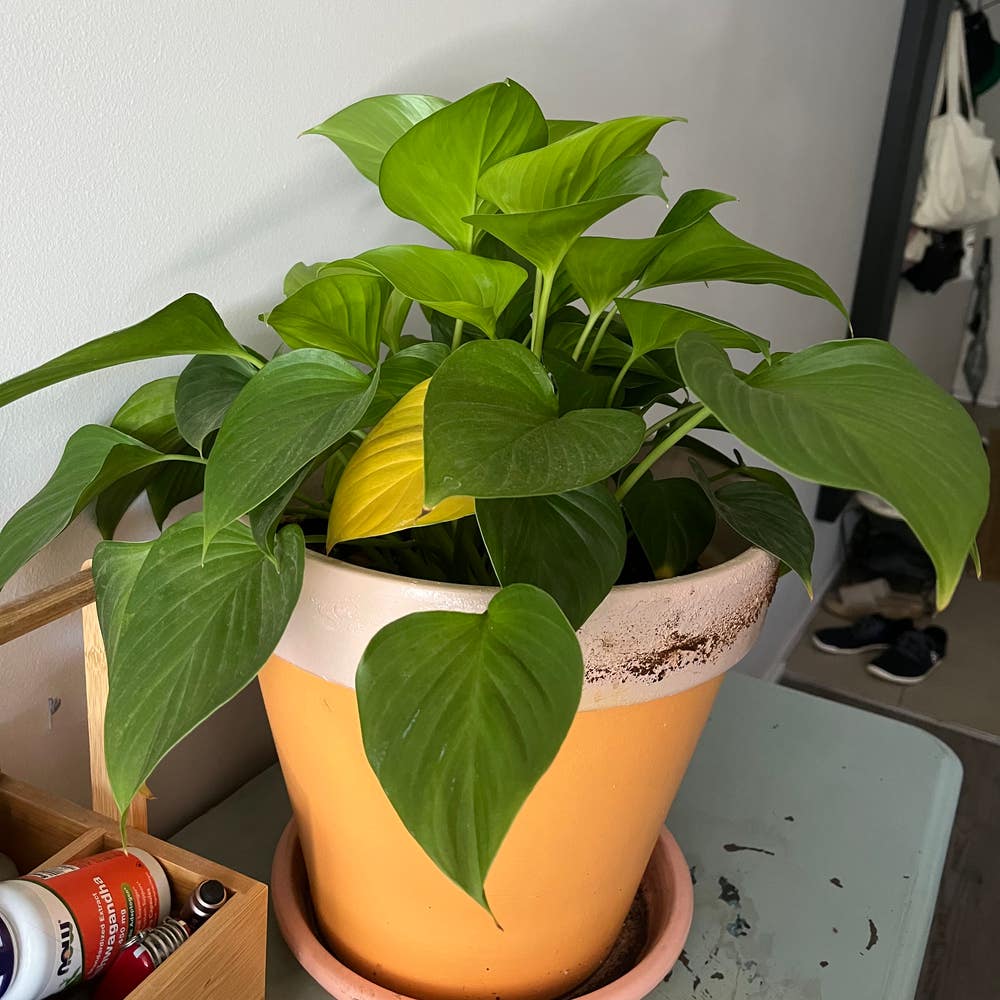
🌸 What You Should Know About Homalomena vietnamensis
Homalomena vietnamensis
By the Greg Editorial Team
Feb 26, 2025•13 min read
This article was created with the help of AI so we can cover more plants for you. May contain errors. See one? Report it here.
Elevate your indoor garden with the stunning Homalomena vietnamensis, a beauty that purifies the air! 🌿
- 🌱 Homalomena vietnamensis thrives in warm, humid environments with indirect sunlight.
- 💧 Water consistently to prevent root rot; keep soil moist but not soggy.
- 🌿 Low maintenance and air-purifying, perfect for novice and experienced gardeners alike!
How to Grow
🌍 Location and Soil Preparation
Homalomena vietnamensis thrives in warm, humid environments. Choose a spot with indirect sunlight to protect the leaves from scorching.
For soil, a well-draining mix is essential. Combine potting soil with perlite or orchid bark to enhance aeration and drainage.
🌱 Planting and Watering
When planting, ensure the root ball is level with the soil surface. This promotes healthy growth and prevents waterlogging.
Water the plant thoroughly after planting, allowing excess water to drain. Keep the soil consistently moist but not soggy, as overwatering can lead to root rot.
🌿 Fertilizing and Pruning
Fertilize every 4-6 weeks during the growing season with a balanced liquid fertilizer. This will support robust growth and vibrant foliage.
Pruning is minimal but necessary. Remove any yellowing leaves to maintain the plant's health and appearance.
🛠️ Ongoing Care
Regularly check for pests and signs of stress. Adjust watering and light conditions as needed to keep your Homalomena thriving.
With moderate care, this plant can flourish beautifully in your home. Embrace the journey of nurturing it, and enjoy the lush greenery it brings.
Propagation
🌱 Methods of Propagation
Propagating Homalomena vietnamensis can be a rewarding experience. There are two primary methods: division and offsets.
Division
Division is the most common method for propagating this plant. To do this, carefully remove the plant from its pot and gently separate the root ball into smaller sections, ensuring each division has healthy roots and leaves.
- Prepare the New Pots: Fill new pots with a well-draining potting mix.
- Plant the Divisions: Place each division in its pot and water lightly.
- Provide Care: Keep the new plants in a warm, humid environment until they establish.
Offsets
Offsets are another effective way to propagate Homalomena vietnamensis. These are small plants that grow at the base of the parent plant.
- Identify Offsets: Look for healthy offsets that have developed roots.
- Separate Carefully: Gently twist or cut the offset from the parent plant.
- Replant: Place the offset in a new pot with fresh soil and water it well.
Both methods can lead to successful propagation, allowing you to expand your collection or share with friends.
🌟 Tips for Successful Propagation
- Timing: The best time to propagate is during the growing season, typically in spring or early summer.
- Humidity: Maintain high humidity levels to encourage root growth.
- Patience: It may take a few weeks for new roots to develop, so be patient and keep an eye on moisture levels.
With these methods, you can enjoy the process of growing new plants and enhancing your indoor garden. Next, let’s explore the lifecycle of Homalomena vietnamensis and understand its growth stages.
Lifecycle
Growth Stages 🌱
Homalomena vietnamensis goes through several distinct growth stages that are fascinating to observe. Starting as a small seedling, it gradually develops into a lush, mature plant, showcasing its vibrant foliage.
During the early stages, the plant focuses on establishing its root system. As it matures, you’ll notice the leaves becoming larger and more pronounced, adding to its overall beauty.
Lifespan and Growth Rate ⏳
This plant typically has a lifespan of several years, making it a long-term addition to your indoor garden. Under optimal conditions, you can expect a moderate growth rate, with noticeable changes occurring every few months.
Regular care, including proper watering and fertilization, can enhance its growth. With the right attention, Homalomena vietnamensis can thrive and become a stunning centerpiece in your plant collection.
As we explore the next section, let’s dive into the fascinating world of size and how it varies among these beautiful plants.
Size
Mature Dimensions and Growth Rate 🌱
Homalomena vietnamensis can reach impressive heights, typically growing between 18 to 24 inches tall. With proper care, this plant can expand its lush foliage, making it a striking addition to any indoor space.
The growth rate of this species is moderate, with optimal conditions allowing for noticeable growth during the growing season. Regular watering and adequate light will encourage a healthy, vibrant plant.
Size Variability 📏
Size can vary based on several factors, including light, water, and soil conditions. In less-than-ideal environments, you might find your Homalomena staying on the smaller side, around 12 inches.
Conversely, when provided with the right care, some specimens can exceed 30 inches in height. This variability makes it essential to tailor your care approach to achieve the desired dimensions for your plant.
As you nurture your Homalomena, keep an eye on its growth patterns to ensure it thrives. Understanding its size potential can help you plan the perfect spot in your home for this beautiful plant.
Ready to explore how to propagate your Homalomena? Let's dive into the next section!
Roots
🌱 Root System Characteristics
Homalomena vietnamensis boasts a robust root system that plays a crucial role in its overall health. These roots are typically thick and fleshy, allowing the plant to store water and nutrients efficiently.
This adaptability makes the plant resilient in various soil conditions, though it thrives best in well-draining, rich organic matter. A healthy root system not only supports growth but also enhances the plant's ability to absorb moisture and nutrients.
⚠️ Common Root Issues
Despite its hardiness, Homalomena vietnamensis can face root-related challenges. Overwatering is a common issue, leading to root rot, which can severely damage the plant.
To prevent this, ensure your pot has adequate drainage and avoid letting the plant sit in water. Additionally, watch for signs of compacted soil, which can hinder root growth and nutrient uptake.
If you notice yellowing leaves or stunted growth, it may indicate root problems. Regularly check the root system for health and vitality to keep your plant thriving.
In the next section, we will explore the various propagation methods for this fascinating plant, ensuring you can share its beauty with others.
Benefits
Top 5 Benefits and Cultural Significance 🌱
Homalomena vietnamensis isn't just a pretty face in the plant world; it offers a range of benefits that make it a valuable addition to any home or garden.
1. Air Purification
One of the standout features of this plant is its ability to purify the air. It effectively removes toxins, improving indoor air quality and creating a healthier living environment.
2. Aesthetic Appeal
With its lush green leaves and unique growth patterns, Homalomena vietnamensis adds a touch of elegance to any space. It's perfect for brightening up corners or enhancing your decor.
3. Low Maintenance
This plant is relatively easy to care for, making it ideal for both novice and experienced gardeners. Its resilience means you can enjoy its beauty without constant attention.
4. Cultural Significance
In various cultures, Homalomena is associated with good luck and prosperity. Incorporating this plant into your home can be seen as a positive omen, adding a layer of meaning to your decor.
5. Versatile Use
Whether you choose to display it indoors or outdoors, this plant adapts well to different environments. Its versatility allows you to experiment with various planting concepts, making it a fun addition to your gardening repertoire.
Incorporating Homalomena vietnamensis into your space not only enhances its beauty but also contributes to a healthier and more vibrant atmosphere. Next, let's explore how to propagate this remarkable plant for even more greenery!
Companion Plants
Best Companions and Planting Concepts 🌱
Choosing the right companion plants for Homalomena vietnamensis can enhance its growth and overall health. These plants can provide beneficial relationships, such as improved nutrient uptake and pest deterrence.
Ideal Companion Plants 🌿
Ferns: Ferns thrive in similar humidity and light conditions, making them excellent companions. They can help maintain moisture levels in the soil.
Philodendrons: These plants share similar care requirements and can create a lush, tropical aesthetic. Their growth habits complement the Homalomena beautifully.
Pothos: Known for their resilience, pothos can thrive in various conditions. They can help filter the air while adding vibrant greenery to your space.
Planting Concepts 🌼
When planning your garden layout, consider grouping Homalomena with these companions to create a micro-ecosystem.
Layering: Use taller plants like philodendrons behind the Homalomena to create depth. This arrangement allows for better light distribution.
Color Coordination: Choose companion plants with contrasting foliage colors to highlight the unique leaves of Homalomena. This visual appeal can enhance your indoor or outdoor space.
Benefits of Companion Planting 🌍
Companion planting not only beautifies your garden but also promotes healthier plants. By planting Homalomena with compatible species, you can reduce the risk of pests and diseases.
Incorporating these companion plants can lead to a thriving, vibrant garden. Next, let’s explore the potential toxicity of Homalomena to humans, ensuring safe handling practices.
Toxicity to Humans
⚠️ Potential Irritation and Symptoms
Homalomena vietnamensis can cause mild irritation if ingested or if its sap comes into contact with skin. Symptoms may include a burning sensation in the mouth, throat, or stomach, as well as skin rashes or redness.
🧤 Safe Handling Tips
To safely handle this plant, always wear gloves when touching it. If you have sensitive skin, consider using long sleeves to avoid any potential irritation.
In case of accidental ingestion, rinse your mouth with water and seek medical advice if symptoms persist. Keeping the plant out of reach of children and pets is also a smart precaution.
By following these simple guidelines, you can enjoy the beauty of Homalomena vietnamensis without worry. Now, let’s explore how to propagate this stunning plant effectively.
Toxicity to Dogs
Potential Irritation and Symptoms 🐶
Homalomena vietnamensis can pose risks to dogs if ingested. Symptoms may include drooling, vomiting, and gastrointestinal distress.
Veterinary Care Guidance 🩺
If you suspect your dog has consumed any part of this plant, contact your veterinarian immediately. Quick action can help mitigate any potential health issues and ensure your furry friend stays safe.
Toxicity to Cats
Potential Irritation and Symptoms 🐾
Homalomena vietnamensis can pose risks to our feline friends. If ingested, it may cause mild irritation in the mouth and gastrointestinal tract.
Symptoms to watch for include drooling, vomiting, and difficulty swallowing. While these reactions are generally not life-threatening, they can be uncomfortable for your cat.
Veterinary Care Guidance 🩺
If you suspect your cat has ingested any part of the plant, it's best to consult your veterinarian. They can provide guidance on the appropriate steps to take based on your cat's symptoms.
In most cases, treatment may involve supportive care to alleviate discomfort. Always keep an eye on your pet and ensure they stay away from potentially harmful plants.
By being proactive, you can create a safe environment for your furry companions while enjoying your beautiful Homalomena vietnamensis.
Problems
Common Issues and Solutions 🌱
Homalomena vietnamensis can face several challenges during its growth. Understanding these common issues will help you keep your plant thriving.
Leaf Discoloration
One frequent problem is leaf discoloration, which can indicate various issues. Yellowing leaves often suggest overwatering, while browning edges may point to underwatering or low humidity.
Pests
Pests can also be a concern. Spider mites and mealybugs are common culprits that can sap your plant's vitality. Regularly inspect your plant and treat infestations promptly with insecticidal soap or neem oil.
Root Rot
Root rot is another serious issue, typically caused by overly wet soil. Ensure your pot has drainage holes and allow the top inch of soil to dry out between waterings to prevent this problem.
Fungal Infections
Fungal infections can arise from high humidity and poor air circulation. To combat this, ensure your plant has good airflow and avoid overhead watering. If you notice mold, remove affected leaves and adjust your care routine.
Nutrient Deficiencies
Nutrient deficiencies can lead to stunted growth and poor leaf quality. Regularly fertilize your Homalomena with a balanced houseplant fertilizer during the growing season to provide essential nutrients.
Transitioning to New Environments
When moving your plant to a new location, it may experience shock. Gradually acclimate it to the new environment by slowly introducing it to different light levels and temperatures.
By addressing these common problems proactively, you can enjoy a healthy and vibrant Homalomena vietnamensis. Next, let’s explore how to effectively manage pests that may threaten your plant's health.
Bugs
Pest Identification and Treatment 🐞
Keeping your Homalomena vietnamensis healthy means staying vigilant against pests. Common culprits include spider mites, aphids, and mealybugs, which can wreak havoc on your plant if left unchecked.
Spider Mites
Spider mites are tiny, often invisible to the naked eye, but their damage is evident. Look for fine webbing on the leaves and stippling, which appears as tiny yellow spots.
Treatment: Increase humidity around the plant and spray with insecticidal soap or neem oil. Regularly misting your plant can also help deter these pests.
Aphids
Aphids are small, soft-bodied insects that cluster on new growth. They can cause leaves to curl and stunt growth.
Treatment: A strong blast of water can dislodge them. For severe infestations, use insecticidal soap or a homemade solution of water and dish soap.
Mealybugs
Mealybugs look like small cottony masses on the plant. They feed on sap, leading to yellowing leaves and overall decline.
Treatment: Dab them with a cotton swab dipped in alcohol to kill them on contact. Follow up with insecticidal soap for any remaining bugs.
Prevention Tips 🚫
Preventing pest infestations is easier than dealing with them. Here are some effective strategies:
- Regular Inspections: Check your plant weekly for any signs of pests.
- Clean Leaves: Wipe leaves with a damp cloth to remove dust and potential eggs.
- Healthy Environment: Ensure your plant is in optimal conditions, as stressed plants are more susceptible to pests.
By staying proactive, you can keep your Homalomena vietnamensis thriving and pest-free. Next, let’s explore what garden animals might be interested in snacking on your plant and how to deter them.
What Eats
🐌 Common Garden Animals
When growing Homalomena vietnamensis, it's essential to be aware of the common garden animals that might take an interest in your plant. These include:
- Snails and Slugs: These slimy creatures love to munch on tender leaves, leaving behind unsightly holes.
- Rabbits: Known for their voracious appetites, rabbits can quickly decimate your plant if they find it appealing.
- Deer: If you live in an area with deer, be prepared for them to nibble on your Homalomena, especially in the spring.
🚫 Deterrence Methods
To protect your plant from these hungry visitors, consider implementing a few deterrence strategies:
- Physical Barriers: Use fencing or netting to keep larger animals like deer and rabbits at bay.
- Natural Repellents: Spraying a mixture of water and garlic or hot pepper can deter snails and slugs without harming your plant.
- Regular Monitoring: Keep an eye on your garden. Early detection of pests allows for quicker intervention.
By understanding what eats your Homalomena and employing effective deterrence methods, you can enjoy a thriving plant without the worry of unwanted nibblers. This proactive approach not only protects your plant but also enhances your gardening experience.
⚠️ Safety First
This content is for general information and may contain errors, omissions, or outdated details. It is not medical, veterinary advice, or an endorsement of therapeutic claims.
Always consult a qualified healthcare professional before using any plant as food, medicine, or supplement.
Never eat any plant (or feed one to pets) without confirming its identity with at least two trusted sources.
If you suspect poisoning, call Poison Control (800) 222-1222, the Pet Poison Helpline (800) 213-6680, or your local emergency service immediately.
Spotted an error? Please report it here.
Nurture your Homalomena vietnamensis 🌱 with Greg's tailored watering plans and reminders, ensuring it thrives in its ideal warm, humid environment while you enjoy its air-purifying benefits!