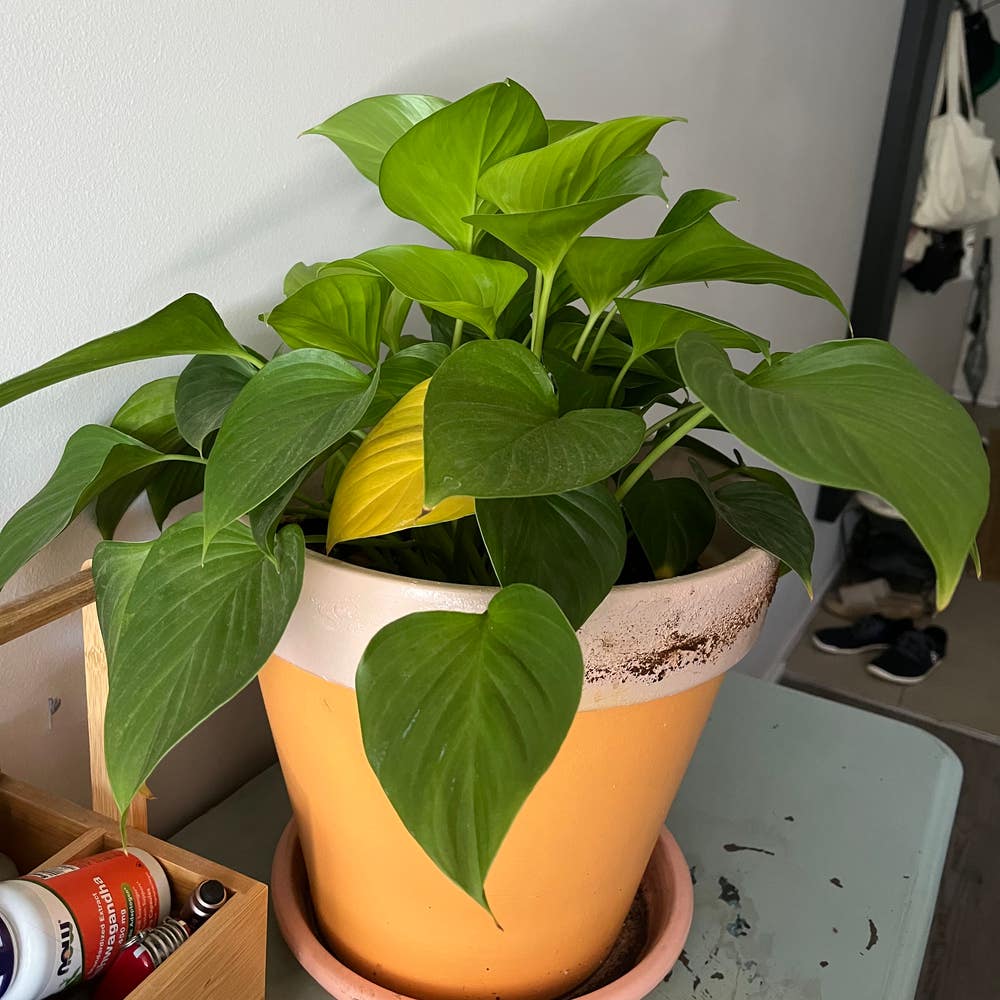
What is a Homalomena sengkenyang? Complete Guide 📚
Homalomena sengkenyang
By the Greg Editorial Team
Feb 26, 2025•11 min read
This article was created with the help of AI so we can cover more plants for you. May contain errors. See one? Report it here.
- 🌱 Homalomena sengkenyang thrives in bright, indirect light or shaded areas.
- 💧 Maintain humidity above 50% for optimal health and growth.
- 🌿 Low maintenance and air-purifying, perfect for beginners and indoor spaces.
How to Grow
Choosing a Location 🌍
Finding the right spot for your Homalomena sengkenyang is crucial. Aim for bright, indirect light indoors or shaded outdoor areas to keep your plant thriving.
Humidity plays a significant role in its health. Ensure humidity levels stay above 50% to create an ideal environment.
Soil Preparation 🪴
The right soil mix can make all the difference. Use a well-draining potting mix enriched with organic matter for optimal growth.
Additionally, monitor the soil pH, which should be slightly acidic to neutral, ideally between 6.0 and 7.0.
Planting Techniques 🌱
When planting, choose a container that is at least 6-8 inches in diameter for young plants. This size allows enough room for root development.
Make sure to plant at the correct depth, ensuring the root ball is level with the soil surface for stability.
Watering Requirements 💧
Watering your Homalomena sengkenyang requires a delicate balance. Keep the soil consistently moist but avoid sogginess to prevent root issues.
Watch for signs of overwatering, such as yellowing leaves or root rot, which can indicate that adjustments are needed.
Fertilizing Schedule 🌿
During the growing season, use a balanced liquid fertilizer every 4-6 weeks. This will provide essential nutrients for healthy growth.
Focus on maintaining a nutrient balance, particularly nitrogen, phosphorus, and potassium (NPK), to support your plant's development.
Pruning Methods ✂️
Pruning is essential for maintaining your plant's health. Remove any dead or yellowing leaves as needed to encourage new growth.
Use clean, sharp scissors to make precise cuts and avoid damaging the plant.
Ongoing Care Tips 🔍
Regularly monitor your Homalomena for pests and diseases. Early detection can save your plant from serious issues.
Be prepared to adjust your care routine based on seasonal changes, ensuring your plant remains healthy year-round.
With these tips, you're well on your way to cultivating a thriving Homalomena sengkenyang. Next, let’s explore how to propagate this beautiful plant!
Propagation
🌱 Methods of Propagation
Propagation is a rewarding way to expand your collection of Homalomena sengkenyang. There are two primary methods: cuttings and division.
Cuttings (difficulty: moderate)
Select healthy stem cuttings: Aim for cuttings that are 4-6 inches long. Healthy stems will ensure better rooting success.
Prepare the cuttings: Remove the lower leaves to prevent rot. Place the cuttings in either water or moist soil, depending on your preference.
Root development: Be patient and wait for roots to develop, which typically takes about 2-4 weeks. Keep an eye on moisture levels to encourage healthy growth.
Division (difficulty: moderate)
Choose a mature plant: The best time to divide is during repotting. This ensures that the plant is healthy and ready for separation.
Separate root clumps: Carefully separate the root clumps, making sure each division has both roots and leaves. This step is crucial for successful replanting.
Replant divisions: Place each division in separate pots with fresh soil. This will give them the best chance to thrive in their new homes.
With these propagation techniques, you can easily multiply your Homalomena sengkenyang and share the joy of plant care with others. Next, let’s explore the lifecycle of this fascinating plant.
Lifecycle
Lifecycle Stages 🌱
The lifecycle of a Homalomena sengkenyang begins with germination, where seeds typically take 2-3 weeks to sprout. Following this, the seedling stage lasts about 4-6 weeks, marking the initial growth phase.
During the vegetative growth stage, the plant experiences rapid leaf development, which can last several months. Flowering is rare in cultivation and usually occurs only in mature plants.
Lifespan and Growth Timeline ⏳
Under optimal conditions, a Homalomena sengkenyang can live for 5-10 years. It generally takes about 1-2 years for the plant to reach its full size.
Growth Rate 📈
This plant has a moderate growth rate, averaging about 6-12 inches per year. With proper care, you can enjoy its lush foliage and vibrant presence in your space.
As you nurture your Homalomena, understanding its lifecycle will help you provide the best care possible. Next, let’s explore how to propagate this beautiful plant for even more greenery!
Size
Mature Height and Spread 🌱
The Homalomena sengkenyang typically reaches a mature height of 1 to 3 feet. Its spread can extend from 1 to 2 feet wide, making it a striking addition to any indoor or outdoor space.
Growth Habits and Rate 📈
This plant exhibits an upright growth habit, showcasing large, glossy leaves that catch the eye. Factors such as light, humidity, and soil quality significantly influence its size and overall health.
Size Variability 📏
Size variability in Homalomena sengkenyang can occur due to several factors. Pot size, light exposure, and care practices all play a role in determining how large your plant will grow, so keep these in mind as you nurture your green companion.
As you consider the size and growth of your Homalomena sengkenyang, remember that proper care will lead to a thriving plant. Next, we will explore the root system characteristics that support its growth and health.
Roots
🌱 Root System Characteristics
The Homalomena sengkenyang features a fibrous root system that is both shallow and extensive. This allows the roots to spread outwards, efficiently absorbing nutrients and moisture from the surrounding soil.
⚠️ Common Root-Related Issues
One of the most common problems with this plant is root rot, which typically occurs due to overwatering. Signs of root rot include mushy roots that can lead to the plant's decline.
Identifying healthy roots is crucial for maintaining plant health. Healthy roots are firm and white, while unhealthy roots appear brown and mushy, indicating potential issues.
🔗 Recognizing Rootbound Plants
Rootbound plants exhibit specific signs that indicate they need attention. Look for roots growing out of drainage holes or stunted growth, which are clear indicators that the plant has outgrown its container.
To remedy a rootbound situation, repot the plant into a larger container filled with fresh soil. This simple step can rejuvenate your Homalomena and promote healthy growth.
By understanding the root system and addressing common issues, you can ensure your Homalomena thrives in your care. Next, let’s explore the numerous benefits this plant brings to your home.
Benefits
Top 5 Benefits 🌟
1. Air Purification
Homalomena sengkenyang is a natural air purifier. It effectively removes toxins from the air, contributing to a healthier indoor environment.
2. Aesthetic Appeal
With its lush, glossy leaves, this plant adds a touch of elegance to any space. Its attractive foliage enhances your home decor, making it a favorite among plant enthusiasts.
3. Low Maintenance
This plant is perfect for beginners. Its low maintenance requirements mean you can enjoy its beauty without a lot of fuss.
4. Humidity Enhancement
Homalomena sengkenyang thrives in humid conditions, making it an excellent choice for increasing humidity levels in dry environments. This is particularly beneficial during winter months when indoor air tends to be drier.
5. Cultural Significance
In many cultures, this plant symbolizes good luck and prosperity. Incorporating it into your home can bring a sense of positivity and good fortune.
These benefits make Homalomena sengkenyang not just a plant, but a valuable addition to your living space. As we explore further, you'll discover how to care for this remarkable plant to maximize its advantages.
Companion Plants
🌱 Companion Planting
Companion planting is a fantastic way to enhance your garden's diversity and health. By pairing plants that support each other, you can improve pest management and create a thriving ecosystem.
🤝 Best Companions
When it comes to Homalomena sengkenyang, consider companions like ferns, peace lilies, and pothos. These plants share similar care needs, making them ideal partners that can flourish together.
🚫 Plants to Avoid
On the flip side, steer clear of cacti and succulents. Their different water requirements can create conflicts that may stress your Homalomena.
Incorporating the right companions can elevate your plant care game. By choosing wisely, you’ll foster a vibrant and healthy indoor or outdoor space. Next, let’s explore the potential toxicity of Homalomena sengkenyang to humans.
Toxicity to Humans
⚠️ Potential Irritation
Homalomena sengkenyang can cause irritation due to its leaves and sap. Symptoms may include skin rashes, itching, and mild gastrointestinal upset if ingested.
🧤 Handling Tips
To stay safe, always wear gloves when handling this plant. Afterward, make sure to wash your hands thoroughly to avoid any irritation.
🏥 When to Seek Care
If symptoms persist or worsen, it's wise to seek medical attention. Fortunately, most cases resolve on their own with proper care.
Understanding the potential toxicity of Homalomena sengkenyang helps ensure a safe and enjoyable experience with this beautiful plant. Now, let’s explore how to propagate this stunning species!
Toxicity to Dogs
Potential Irritation 🐶
Homalomena sengkenyang can pose some risks to our furry friends. The leaves and sap of this plant may cause irritation, leading to symptoms like drooling, pawing at the mouth, and mild vomiting.
When to Seek Veterinary Care 🏥
If your dog shows persistent or worsening symptoms, it's wise to consult a veterinarian. Fortunately, most cases resolve on their own with proper care and attention.
Understanding the potential toxicity of plants like Homalomena sengkenyang is crucial for pet owners. By being aware, you can create a safer environment for your pets while enjoying the beauty of your indoor greenery.
Toxicity to Cats
Potential Irritation 🐾
Homalomena sengkenyang can be a concern for our feline friends. The leaves and sap of this plant may cause irritation, leading to symptoms like drooling, pawing at the mouth, and mild vomiting.
When to Seek Veterinary Care 🩺
If your cat shows these symptoms, monitor their condition closely. Most cases resolve on their own, but if symptoms persist or worsen, it’s wise to consult your veterinarian for guidance.
Problems
Common Problems 🌱
1. Incorrect Watering
Watering is crucial for the health of your Homalomena sengkenyang. Overwatering can lead to yellowing leaves and root rot; if you notice these signs, adjust your watering frequency.
On the flip side, underwatering results in wilting leaves. If your plant looks droopy, it’s time to increase your watering.
2. Incorrect Light Conditions 💡
Light conditions play a significant role in plant health. If you see leaf burn or leggy growth, it’s a sign that your plant isn’t getting the right amount of light.
To remedy this, adjust the light exposure by moving your plant to a brighter or shadier spot as needed.
3. Incorrect Temperature 🌡️
Temperature fluctuations can stress your Homalomena. Signs of distress include leaf drop or stunted growth, indicating that the environment may be too hot or too cold.
Aim to maintain temperatures between 65-80°F for optimal growth.
4. Diseases 🦠
Diseases can also plague your plant. Powdery mildew, characterized by white fungal growth, is a common issue.
To combat this, improve air circulation around your plant. This simple adjustment can make a big difference.
5. Leaf Issues 🍃
Leaf issues can manifest in various ways, including scorching, which appears as brown edges on the leaves. This often results from too much direct sunlight.
To prevent scorching, reduce the amount of direct sunlight your plant receives.
By staying vigilant and addressing these common problems, you can ensure your Homalomena sengkenyang thrives. Next, let’s explore potential pest issues that could affect your plant’s health.
Bugs
Potential Pest Issues 🐜
Keeping your Homalomena sengkenyang healthy means staying vigilant against pests. Here are the most common culprits you might encounter.
Spider Mites
Spider mites are tiny pests that can wreak havoc on your plant. Look for fine webbing and yellowing leaves as signs of an infestation.
Treatment: Increase humidity around the plant and apply insecticidal soap to eliminate these pesky invaders.
Scale Insects
Scale insects appear as small, sticky spots on your plant, often accompanied by yellowing leaves. They can be tricky to spot but can cause significant damage if left unchecked.
Treatment: Use neem oil for effective control, and manually remove any visible scales to keep your plant thriving.
Mealybugs
Mealybugs are recognizable by their cotton-like masses on leaves and stems. They can weaken your plant and lead to further issues if not addressed.
Treatment: Wipe them off with alcohol swabs or apply insecticidal soap to eradicate these unwanted guests.
Staying Proactive 🔍
Regularly inspect your Homalomena sengkenyang for any signs of pests. Early detection is key to maintaining a healthy plant and preventing infestations from escalating.
Next, let’s explore how to ensure your plant thrives with proper care and attention.
What Eats
🦌 Common Animals
When it comes to the Homalomena sengkenyang, several common animals may find it an appealing snack.
Deer: These graceful creatures can leave behind signs of chewed leaves. To protect your plant, consider using fencing or repellents to keep them at bay.
Rabbits: Known for their nibbling habits, rabbits can quickly decimate your plant's foliage. Barriers or repellents can help deter these furry intruders.
Squirrels: If you notice digging around the base of your plant, squirrels might be the culprits. Noise or motion-activated devices can effectively keep them away.
Rodents: Look out for gnaw marks, which indicate rodent activity. Traps or natural repellents can help manage these pesky visitors.
Understanding what eats your Homalomena sengkenyang is crucial for its protection. By implementing the right deterrents, you can ensure your plant thrives without unwanted visitors.
Next, let’s explore potential pest issues that could affect your plant's health.
⚠️ Safety First
This content is for general information and may contain errors, omissions, or outdated details. It is not medical, veterinary advice, or an endorsement of therapeutic claims.
Always consult a qualified healthcare professional before using any plant as food, medicine, or supplement.
Never eat any plant (or feed one to pets) without confirming its identity with at least two trusted sources.
If you suspect poisoning, call Poison Control (800) 222-1222, the Pet Poison Helpline (800) 213-6680, or your local emergency service immediately.
Spotted an error? Please report it here.
Keep your Homalomena sengkenyang thriving 🌿 with Greg's personalized care tips and watering reminders that ensure optimal light, humidity, and health for years of enjoyment!