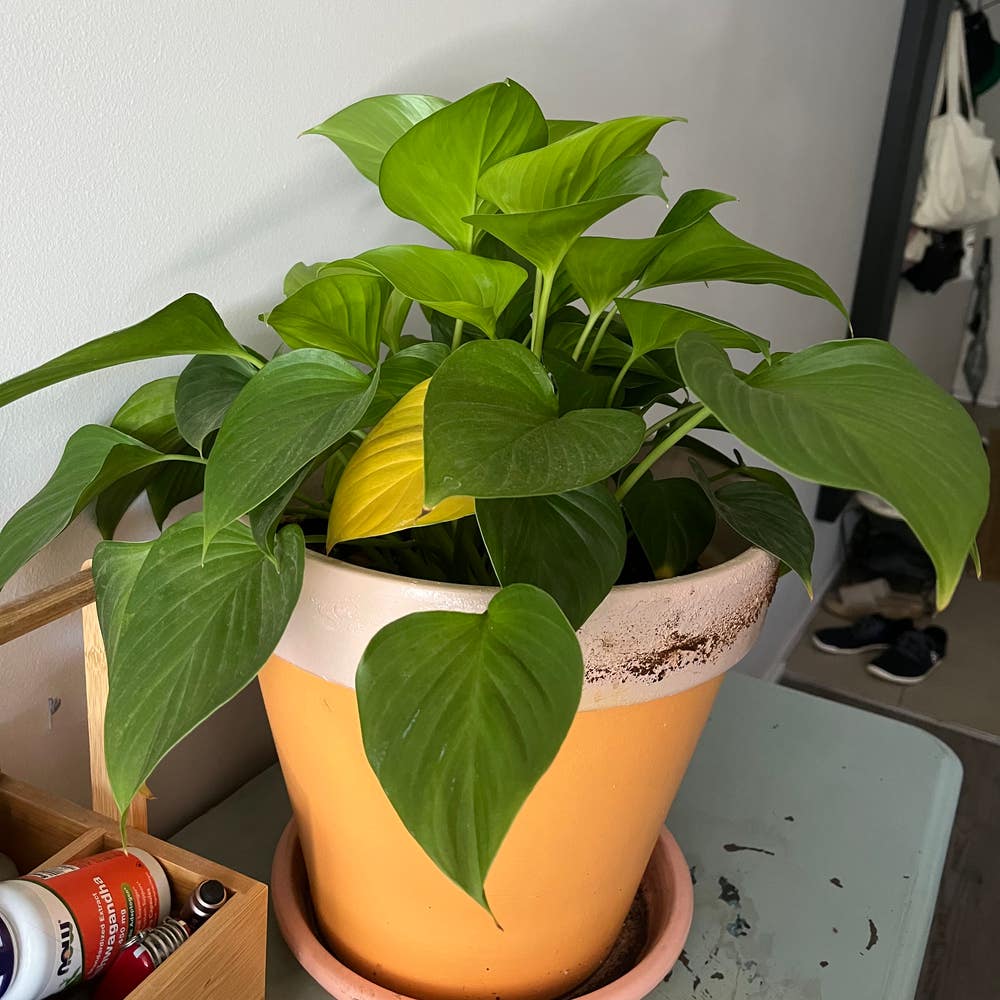
Homalomena matangae: A Comprehensive Overview
Homalomena matangae
By the Greg Editorial Team
Feb 28, 2025•11 min read
This article was created with the help of AI so we can cover more plants for you. May contain errors. See one? Report it here.
- 🌱 Homalomena matangae thrives in high humidity and indirect light for optimal growth.
- 💧 Water when the top inch of soil is dry to prevent yellowing leaves and root rot.
- 🌿 This plant purifies air and symbolizes good luck in various cultures.
How to Grow
Choosing a location 🌳
To thrive, Homalomena matangae prefers high humidity and indirect light indoors. If you're placing it outside, choose a shaded area in tropical climates to keep it happy.
Soil preparation 🌱
For optimal growth, use a well-draining potting mix enriched with organic matter. Aim for a soil pH between 5.5 and 6.5 to create the best environment for your plant.
Planting techniques 🌼
When planting, select a container that's at least 6-8 inches in diameter for young plants. Ensure the crown of the plant is level with the soil surface to promote healthy growth.
Watering requirements 💧
Water your plant when the top inch of soil feels dry to the touch. Be cautious of overwatering; signs include yellowing leaves and mushy roots.
Fertilizing schedule 🌿
During the growing season, apply a balanced liquid fertilizer every 4-6 weeks. In winter months, reduce feeding to allow the plant to rest.
Pruning methods ✂️
Prune your Homalomena matangae during its active growth phase in spring and summer. Focus on removing dead or yellowing leaves and shaping the plant for a fuller appearance.
Ongoing care tips 👀
Keep an eye on humidity levels by using a humidity tray or misting the leaves regularly. Additionally, check for pests and diseases to ensure your plant remains healthy and vibrant.
This comprehensive care guide will help you cultivate a thriving Homalomena matangae. Next, let’s explore how to propagate this beautiful plant for even more greenery in your space.
Propagation
🌱 Methods of propagation
Homalomena matangae can be propagated through two primary methods: cuttings and division. Each method has its own level of difficulty, with cuttings being moderate and division being easy.
📝 Step-by-step instructions for each method
1. Cuttings
To propagate via cuttings, start by cutting a 4-6 inch stem that includes at least one node. Place this cutting in water or moist soil and wait for roots to develop, which typically takes about 2-4 weeks.
2. Division
For division, carefully remove the plant from its pot. Gently separate the root ball into sections, ensuring each section has both roots and leaves, then replant them in suitable soil.
With these straightforward techniques, you can easily expand your collection of Homalomena matangae. Whether you choose cuttings or division, both methods offer a rewarding way to grow this beautiful plant.
Size
Mature height and spread 🌱
Homalomena matangae typically reaches a mature height of 1 to 3 feet, making it a perfect fit for various indoor spaces. Its spread can extend from 1 to 2 feet wide, allowing it to fill out nicely without overwhelming your decor.
Growth rate and size variability 📈
The growth rate of this plant can vary significantly based on several factors. Light exposure, humidity levels, and soil quality all play crucial roles in determining how large your Homalomena matangae will grow.
In optimal conditions, you can expect robust growth, while less ideal settings may lead to stunted development. Understanding these variables helps you create the best environment for your plant's success.
As you nurture your Homalomena, keep an eye on its growth patterns to adjust care as needed. This adaptability makes it a rewarding choice for both novice and experienced plant enthusiasts.
Roots
Root System Characteristics 🌱
Homalomena matangae features a fibrous root system, which is essential for its stability and nutrient absorption. This type of root structure allows the plant to thrive in various soil conditions.
Depth and Spread of Roots 📏
Typically, the roots of this plant grow to a depth of 6-12 inches. However, they can spread wider than the plant's canopy, ensuring it has ample access to nutrients and water.
Common Root-Related Issues ⚠️
One of the most common problems faced by Homalomena matangae is root rot, often caused by overwatering and poor drainage. Signs of unhealthy roots include a mushy texture and a foul odor, indicating that immediate action is needed.
Identifying Healthy vs. Unhealthy Roots 🔍
Healthy roots are firm and exhibit a white or light tan color. In contrast, unhealthy roots appear dark, mushy, or slimy, signaling that the plant may be in distress.
Recognizing Rootbound Plants 🪴
Rootbound plants display signs such as stunted growth and roots growing out of drainage holes. If you notice these symptoms, it's time to repot your plant into a larger container with fresh soil to encourage healthy growth.
Understanding the root system of your Homalomena matangae is crucial for its overall health. Proper care and attention to these aspects will help ensure your plant thrives beautifully.
Benefits
Top 5 benefits of growing 🌱
Growing Homalomena matangae offers a variety of advantages that can enhance your indoor environment. Here are the top five benefits:
Air purification: This plant is a natural air purifier, effectively removing toxins from the air. Its ability to filter indoor pollutants contributes to a healthier living space.
Aesthetic appeal: With its large, glossy leaves, Homalomena matangae adds a touch of elegance to any room. Its vibrant foliage can elevate your home decor and create a calming atmosphere.
Low maintenance: Ideal for beginners and busy individuals, this plant requires minimal care. Its resilience makes it a perfect choice for those who want greenery without the hassle.
Humidity regulation: Homalomena matangae helps maintain indoor humidity levels. This is especially beneficial in dry environments, promoting comfort and well-being.
Cultural significance: Often associated with good luck and prosperity, this plant carries cultural importance in many traditions. Incorporating it into your home can bring a sense of positivity and good fortune.
These benefits make Homalomena matangae not just a beautiful addition to your space, but also a practical one. As you consider adding this plant to your collection, keep in mind how it can enhance both your environment and your well-being.
Next, let’s explore the concept of companion planting and how it can further enrich your gardening experience.
Companion Plants
🌱 Concept of Companion Planting
Companion planting is all about creating a harmonious garden environment. It enhances growth, improves pest management, and boosts overall garden diversity.
🌼 Best Companion Plants
When it comes to Homalomena matangae, certain plants thrive alongside it.
- Peace Lily: This plant shares similar care needs and humidity preferences, making it a perfect match.
- Pothos: Known for its adaptability, Pothos thrives in similar light conditions and contributes to air purification.
🚫 Plants to Avoid
Not all plants are suitable companions for Homalomena matangae.
- Cacti: These require different watering and light conditions, which can stress your Homalomena.
- Heavy Feeders: Plants that demand a lot of nutrients may compete with your Homalomena, leading to stunted growth.
By choosing the right companions, you can create a thriving indoor garden that supports your Homalomena matangae's health and beauty. Next, let’s explore the potential toxicity of this plant to humans, dogs, and cats.
Toxicity to Humans
⚠️ Potential irritants
Homalomena matangae can be a beautiful addition to your indoor garden, but it's essential to be aware of its potential irritants. The leaves and sap contain calcium oxalate crystals, which can cause discomfort if handled improperly.
🤕 Symptoms of irritation
If you come into contact with these parts, you might experience skin rashes, itching, or mild gastrointestinal upset. Eye irritation is also possible, so it's best to handle this plant with care.
🧤 Safe handling tips
To protect yourself, always wear gloves when handling Homalomena matangae. After touching the plant, wash your hands thoroughly to avoid any irritation, and keep it out of reach of children to prevent accidental ingestion.
By following these simple precautions, you can enjoy the beauty of this plant while minimizing any risks. Next, let’s explore how this plant can affect your furry friends.
Toxicity to Dogs
⚠️ Potential irritants for dogs
Homalomena matangae can pose a risk to dogs, particularly through its leaves and sap. The primary irritant is calcium oxalate crystals, which can cause discomfort if ingested.
🤢 Symptoms of discomfort
If your dog comes into contact with this plant, watch for signs such as drooling, pawing at the mouth, mild vomiting, or skin irritation. These symptoms indicate that your furry friend may be experiencing some distress.
🏥 When to seek veterinary care
If you notice that your dog's symptoms persist or worsen, it's essential to consult a veterinarian. Early intervention can help ensure your pet's well-being and prevent any serious complications.
As a responsible pet owner, keeping potentially harmful plants out of reach is crucial. This proactive approach can help maintain a safe environment for your beloved canine companion.
Toxicity to Cats
Potential irritants for cats 🐱
Homalomena matangae can pose a risk to our feline friends. The leaves and sap contain calcium oxalate crystals, which can cause irritation if ingested.
Symptoms of discomfort 🤢
If a cat comes into contact with this plant, you might notice some telltale signs. Symptoms include drooling, pawing at the mouth, mild vomiting, and skin irritation.
When to seek veterinary care 🚑
It's essential to monitor your cat's condition closely. If symptoms persist or worsen, don't hesitate to consult a veterinarian for guidance and care.
By being aware of these potential hazards, you can keep your home safe for both your plants and your pets.
Problems
🌱 Common problems faced
Growing Homalomena matangae can be rewarding, but it's not without its challenges. Understanding these common problems will help you keep your plant thriving.
💧 Incorrect Watering
Watering issues are among the most frequent problems. If you notice yellowing leaves, your plant may be overwatered, while wilting can indicate underwatering.
☀️ Incorrect Light Conditions
Light conditions play a crucial role in plant health. Too much direct sunlight can cause leaf burn, leading to unsightly brown patches.
🦠 Diseases
Diseases can also plague your Homalomena. Watch for signs of powdery mildew, rust, and root rot, which can all hinder growth and vitality.
🍃 Leaf Issues
Leaf problems are often a telltale sign of underlying issues. Yellowing leaves or fuzzy growth may indicate a fungal infection that needs immediate attention.
📉 Growth Problems
If your plant appears leggy, it’s likely due to insufficient light. This can lead to weak stems and sparse foliage, detracting from the plant's overall beauty.
By being aware of these common problems, you can take proactive steps to ensure your Homalomena matangae remains healthy and vibrant. Next, let’s explore potential pest issues that can also affect your plant's well-being.
Bugs
🐜 Potential Pest Issues
Homalomena matangae is known for its moderate pest resistance, but that doesn't mean it's completely safe. Certain pests can still make an appearance, so it's essential to stay vigilant.
🔍 Identification of Pests
Identifying pests early can save your plant from significant damage. Look out for:
- Spider Mites: These tiny pests leave fine webbing on leaves, often found in dry conditions.
- Mealybugs: Recognizable by their cotton-like masses on stems and leaves, these pests can quickly multiply.
⚠️ Damage Caused by Pests
Pests can wreak havoc on your Homalomena matangae. Common signs of damage include:
- Leaf Discoloration: Yellowing or browning leaves indicate stress.
- Stunted Growth: Affected plants may stop growing or develop poorly.
- Overall Decline in Health: If left untreated, pests can lead to the plant's demise.
🛠️ Treatment Options
Combatting pests effectively requires a proactive approach. Here are some treatment options:
- Neem Oil: This natural pesticide disrupts the life cycle of pests without harming your plant.
- Insecticidal Soap: A safe and effective way to eliminate pests on contact.
- Regular Inspections: Keep an eye on your plant to catch any issues early.
By staying informed and taking action, you can keep your Homalomena matangae thriving and pest-free. Next, let's explore what animals might be interested in munching on your plant.
What Eats
Common Animals That May Damage 🦌
When it comes to protecting your Homalomena matangae, be aware of the common culprits that might take a nibble. Deer are notorious for leaving chewed leaves and tracks in their wake, while rabbits often leave behind nibbled edges on the foliage.
Squirrels can also be a nuisance, as they may dig in pots or chew on stems, causing further distress to your plant.
Damage Description 🥴
The damage inflicted by these animals can be quite noticeable. You might find leaves stripped bare, leading to stunted growth and, in severe cases, uprooted plants.
This not only affects the plant's health but can also disrupt the aesthetic appeal of your indoor or outdoor space.
Deterrent Methods 🚫
To keep these hungry visitors at bay, consider implementing a few deterrent methods. Fencing around your plants can create a physical barrier, while repellents can help mask the scent that attracts them.
Additionally, companion planting with species that deter these animals can be an effective strategy to protect your Homalomena matangae.
By being proactive, you can ensure your plant thrives without unwanted interruptions from local wildlife.
⚠️ Safety First
This content is for general information and may contain errors, omissions, or outdated details. It is not medical, veterinary advice, or an endorsement of therapeutic claims.
Always consult a qualified healthcare professional before using any plant as food, medicine, or supplement.
Never eat any plant (or feed one to pets) without confirming its identity with at least two trusted sources.
If you suspect poisoning, call Poison Control (800) 222-1222, the Pet Poison Helpline (800) 213-6680, or your local emergency service immediately.
Spotted an error? Please report it here.
Keep your Homalomena matangae thriving 🌱 with Greg's tailored watering alerts and expert care tips that ensure your plant enjoys its perfect environment!