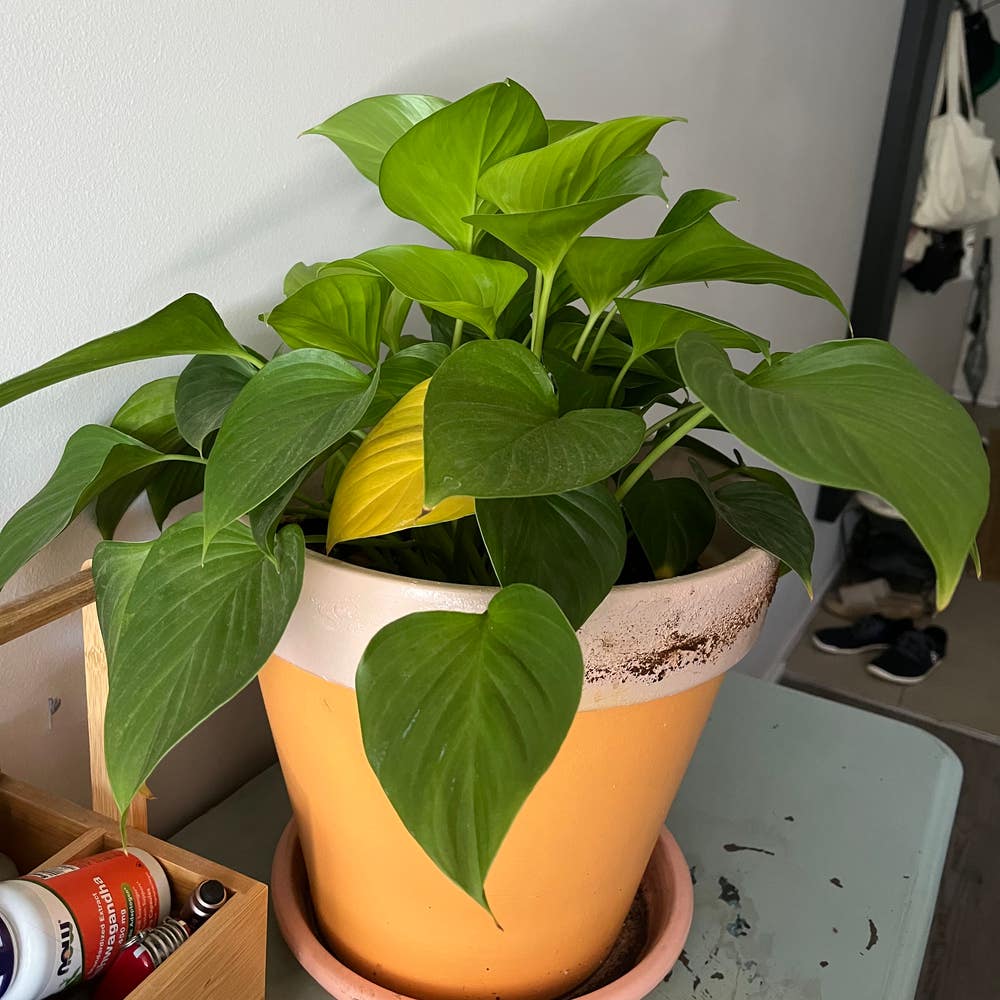
🍃 Understanding Homalomena longipes: The Basics
Homalomena longipes
By the Greg Editorial Team
Feb 27, 2025•13 min read
This article was created with the help of AI so we can cover more plants for you. May contain errors. See one? Report it here.
- 🌱 Homalomena longipes thrives in low to medium light, avoiding direct sunlight for health.
- 💧 Keep soil consistently moist but avoid overwatering to prevent yellowing leaves and root rot.
- 🌿 This plant purifies air and symbolizes prosperity, making it a meaningful indoor addition.
How to Grow
🌍 Choosing a Location
To thrive, Homalomena longipes prefers low to medium light indoors, avoiding harsh, direct sunlight. If you’re considering outdoor placement, opt for shaded areas with high humidity to keep your plant happy.
🌱 Soil Preparation
For optimal growth, use well-draining soil rich in organic matter. Aim for a pH level between 5.5 and 7.0 to create the perfect environment for your plant.
🌿 Planting Techniques
When planting, choose a container that is at least 6-8 inches in diameter for young plants. Ensure the crown of the plant is level with the soil surface to promote healthy growth.
💧 Watering Requirements
Keep the soil consistently moist, but be cautious not to overwater. Signs of overwatering include yellowing leaves and mushy roots, which can indicate trouble.
🗓️ Fertilizing Schedule
During the growing season, apply a balanced liquid fertilizer every 4-6 weeks. Always dilute it to half-strength to prevent nutrient burn, ensuring your plant receives just the right amount of nourishment.
✂️ Pruning Methods
Prune your Homalomena longipes in spring to encourage bushier growth. Focus on removing any yellowing or damaged leaves to keep the plant looking its best.
🌬️ Ongoing Care Tips
Regularly check humidity levels around your plant; using a humidifier can be beneficial. Additionally, rotate the plant periodically to ensure even growth and prevent it from leaning towards the light.
With these care tips, your Homalomena longipes will flourish, setting the stage for successful propagation. Let's explore how to propagate this beautiful plant next!
Propagation
🌱 Methods of Propagation
Homalomena longipes can be propagated through two primary methods: cuttings and division.
- Cuttings: This method involves taking 4-6 inch stem cuttings with at least one node. It’s moderately challenging but rewarding.
- Division: This is an easier method where you separate clumps during repotting. It’s straightforward and effective.
📝 Step-by-Step Instructions for Each Method
Cuttings
- Prepare the Pot: Start by filling a pot with well-draining soil.
- Insert the Cutting: Place the cutting into the soil and water it lightly.
- Create Humidity: Cover the pot with a plastic bag to maintain humidity. This helps roots develop, which typically takes 2-4 weeks.
Division
- Remove the Plant: Carefully take the plant out of its pot.
- Separate the Root Ball: Gently divide the root ball into sections, ensuring each section has roots and leaves.
- Replant: Place the separated sections into suitable containers with fresh soil.
By following these steps, you can successfully propagate your Homalomena longipes and expand your indoor garden. This not only enhances your plant collection but also allows you to share the beauty of this unique plant with friends and family.
As you delve into propagation, remember that patience is key. Each method has its nuances, but with practice, you'll become more confident in your skills. Now, let's explore the lifecycle of this fascinating plant!
Lifecycle
Lifecycle Stages 🌱
Homalomena longipes is a resilient perennial plant that can thrive for several years. Its journey begins with germination, which typically takes 2-4 weeks under optimal conditions.
Early Development 🌿
Once germination occurs, the plant takes about 4-6 weeks to develop its true leaves. This stage is crucial as it sets the foundation for future growth.
Growth Phase 📈
The growth phase lasts until the plant reaches maturity, usually taking around 6-12 months. During this time, it establishes a robust structure and develops its characteristic foliage.
Maturity and Full Growth 🌳
Full growth is generally achieved in approximately 1-2 years, depending on care and environmental conditions. The growth rate is moderate, but with optimal light and humidity, you can expect faster development.
Summary of Growth Timeline 📅
| Stage | Duration |
|---|---|
| Germination | 2-4 weeks |
| True Leaves | 4-6 weeks |
| Growth Phase | 6-12 months |
| Full Growth | 1-2 years |
Understanding the lifecycle of Homalomena longipes helps you provide the right care at each stage. This knowledge ensures your plant thrives, leading to a lush and vibrant addition to your indoor space.
Next, we’ll explore how to effectively propagate this beautiful plant, allowing you to expand your collection or share with friends!
Size
Mature Height and Spread 🌱
Homalomena longipes typically reaches a height of 1 to 3 feet, making it a versatile choice for various indoor spaces. Its spread usually ranges from 1 to 2 feet wide, allowing it to fit comfortably in both small and larger areas.
Growth Rate and Size Variability 📈
This plant exhibits a moderate growth rate, which can be influenced by factors like light and humidity levels. Depending on the care it receives, you may notice size variability; optimal conditions can lead to more robust growth.
Factors Affecting Size 🔍
Light availability plays a crucial role in determining the size of your Homalomena longipes. More light can result in larger leaves and an overall bigger plant.
Watering practices also significantly impact growth. Consistent moisture is key to promoting healthy development, so be sure to keep the soil evenly moist without overwatering.
As you nurture your plant, remember that its size can reflect the care you provide. With the right conditions, your Homalomena longipes can thrive, showcasing its beautiful foliage and enhancing your indoor environment.
Next, let’s explore the fascinating lifecycle of this resilient plant and how it evolves over time.
Roots
🌱 Root System Characteristics
Homalomena longipes features a fibrous root system that enhances stability and nutrient uptake. This structure is essential for the plant's overall health and growth.
📏 Depth and Spread of Roots
The roots of this plant are typically shallow, spreading horizontally rather than deep. This characteristic allows for efficient absorption of nutrients and moisture from the top layers of soil.
⚠️ Common Root-Related Issues
Root rot is a common problem, often caused by overwatering. Symptoms include wilting and yellowing leaves, indicating that the roots are struggling.
Healthy roots should be firm, white, and spread throughout the soil. In contrast, unhealthy roots appear brown, mushy, or may emit a foul smell.
Signs that your plant may be rootbound include roots growing out of drainage holes or circling the pot. If you notice these signs, it's time to repot your plant into a larger container to give it room to thrive.
Understanding the root system of Homalomena longipes is crucial for maintaining its health. By ensuring proper watering and repotting when necessary, you can prevent common issues and promote robust growth.
Next, we will explore the benefits of having this beautiful plant in your home.
Benefits
List of 5 Benefits 🌱
Homalomena longipes offers a range of benefits that make it a fantastic addition to any home.
- Air purification: This plant is known for its ability to remove toxins from the air, contributing to a healthier indoor environment.
- Aesthetic appeal: With its large, glossy leaves, it enhances the decor of any space, adding a touch of nature indoors.
- Low maintenance: Compared to other houseplants, it requires minimal care, making it perfect for busy individuals or beginners.
- Humidity enhancement: It increases moisture levels in dry environments, benefiting both the plant and the surrounding air quality.
- Symbolism: In various cultures, it represents prosperity and good fortune, making it a meaningful gift or personal treasure.
Cultural Significance 🌍
Beyond its physical benefits, Homalomena longipes holds cultural significance.
It is often associated with positive energy and is commonly used in Feng Shui practices to promote harmony and balance in living spaces. This connection to well-being adds an extra layer of appeal for those looking to create a serene home environment.
Incorporating this plant into your space not only beautifies it but also invites a sense of tranquility and positivity.
As you consider adding Homalomena longipes to your collection, think about the benefits it brings—not just to your home, but to your overall well-being.
Next, let’s explore the concept of companion planting and discover which plants thrive alongside this beauty.
Companion Plants
🌱 Concept of Companion Planting
Companion planting is a gardening strategy that promotes diversity and enhances pest management. By pairing compatible plants, you can create a thriving ecosystem that benefits all involved.
🌼 Best Companion Plants
When it comes to Homalomena longipes, certain plants make excellent companions:
Peace Lily
The Peace Lily shares similar care needs and thrives in high humidity, making it a perfect match for your Homalomena.
Ferns
Ferns flourish in low-light, humid environments, just like Homalomena longipes, creating a harmonious indoor garden.
🚫 Plants to Avoid
While some plants complement Homalomena longipes beautifully, others do not.
Cacti
Cacti require significantly different care and conditions, such as bright light and dry soil, making them unsuitable companions.
By choosing the right companions, you can enhance the beauty and health of your Homalomena longipes, creating a vibrant indoor space. Next, let’s explore the potential toxicity of this plant to humans and pets.
Toxicity to Humans
Potential Irritation 🌿
Homalomena longipes can cause mild irritation through its leaves and sap. Symptoms may include skin rashes, itching, and mild gastrointestinal upset.
Handling Precautions ⚠️
Irritation can occur from contact with the sap or ingestion of plant material. If symptoms persist or worsen, seek medical care promptly.
Safe Handling Tips 🧤
To minimize risk, wear gloves when handling the plant and wash your hands afterward. This simple step can help you enjoy your plant without worry.
By being aware of these potential irritations, you can appreciate the beauty of Homalomena longipes while keeping safety in mind. Now, let's explore how this plant can affect our furry friends.
Toxicity to Dogs
Potential Irritation 🐶
Homalomena longipes can cause mild irritation in dogs due to its leaves and sap. Symptoms to watch for include drooling, pawing at the mouth, and mild vomiting.
When to Seek Help 🚑
While this plant is not considered severely toxic, it’s wise to seek veterinary care if symptoms persist or worsen. Keeping an eye on your furry friend after exposure can help ensure their well-being.
Handling Precautions 🧤
To prevent any issues, consider wearing gloves when handling the plant. Washing your hands afterward is also a good practice to avoid any accidental contact.
Conclusion
Being informed about the potential effects of Homalomena longipes on dogs can help you create a safe environment for your pets. If you're ever in doubt, consult your veterinarian for guidance.
Toxicity to Cats
Potential Irritation 🐾
Homalomena longipes can cause mild irritation in cats. The leaves and sap may lead to symptoms such as drooling, pawing at the mouth, and mild vomiting.
When to Seek Help 🚑
If your cat shows any of these symptoms, it's wise to seek veterinary care, especially if the symptoms persist or worsen. While not considered severely toxic, the plant can still cause mild to moderate irritation.
Safe Handling Tips 🧤
To keep your feline friends safe, consider wearing gloves when handling the plant. Always wash your hands afterward to avoid any accidental contact with your cat.
Conclusion
Understanding the potential effects of Homalomena longipes on your pets is crucial for responsible plant ownership. With proper care and awareness, you can enjoy this beautiful plant while keeping your furry companions safe.
Problems
Common Problems 🌱
Incorrect Watering
Watering is one of the most common issues for Homalomena longipes. If you notice yellowing leaves, it’s likely a sign of overwatering, while wilting indicates underwatering.
To remedy this, adjust your watering frequency based on the moisture level of the soil. Stick your finger into the soil; if it feels dry an inch down, it’s time to water.
Incorrect Light Conditions
Light conditions can significantly impact your plant's health. Leggy growth suggests your plant isn’t getting enough light, while scorched leaves indicate too much direct sunlight.
To solve this, reposition your plant to a more suitable light setting. Aim for bright, indirect light for optimal growth.
Diseases
Diseases like powdery mildew and root rot can plague your Homalomena longipes if not monitored. These issues often arise from poor air circulation or overwatering.
To combat these diseases, improve air circulation around the plant and avoid letting the soil stay soggy.
Leaf Issues
If you see yellowing or fuzzy growth on the leaves, it’s time to investigate further. These symptoms can be signs of pest infestations or improper care.
Check for pests and adjust your care routine accordingly. Regular inspections can help catch problems early.
Growth Problems
Sometimes, your plant may not grow as expected or may lean to one side. This can be due to inadequate light or watering conditions.
Ensure you’re providing the right amount of light and moisture. A little adjustment can lead to healthier growth.
Conclusion 🌿
By addressing these common problems, you can keep your Homalomena longipes thriving. Regular monitoring and adjustments will help you enjoy a lush, vibrant plant for years to come. Next, let’s explore the fascinating world of pests that can affect your plant.
Bugs
🐜 Potential Pest Issues
Homalomena longipes is generally pest-resistant, making it a robust choice for indoor gardening. However, it can still fall victim to a few common pests that you should be aware of.
🔍 Identification of Pests
Spider Mites
- Signs: Look for fine webbing on leaves.
- Damage: These pests can cause yellowing leaves, indicating stress.
- Treatment: Increase humidity around the plant and consider using miticides to eliminate them.
Mealybugs
- Signs: White, cottony masses often appear on leaves.
- Damage: They weaken the plant, making it more susceptible to other issues.
- Treatment: Remove mealybugs by hand or apply insecticidal soap for effective control.
Aphids
- Signs: Small green or black insects can be spotted on new growth.
- Damage: Aphids stunt growth and can lead to further complications.
- Treatment: Neem oil or insecticidal soap works well to manage these pests.
By keeping an eye out for these pests and addressing any issues promptly, you can ensure your Homalomena longipes remains healthy and vibrant. Next, let’s explore what animals might be interested in snacking on your plant.
What Eats
Common Animals 🦌
Homalomena longipes can attract a few hungry visitors. Deer, rabbits, and rodents are known to nibble on its lush leaves.
Signs of Animal Presence 🐾
Keep an eye out for signs of these critters. Chewed leaves and droppings nearby can indicate that your plant has become a snack.
Types of Damage ⚠️
The damage from these animals can be quite noticeable. You might see leaf stripping or stunted growth, which can hinder your plant's overall health.
Deterrent Methods 🚫
To protect your plant, consider a few deterrent methods. Chemical repellents can help, and physical barriers like fencing can keep larger animals at bay.
By being proactive, you can ensure your Homalomena longipes thrives without unwanted munchers!
⚠️ Safety First
This content is for general information and may contain errors, omissions, or outdated details. It is not medical, veterinary advice, or an endorsement of therapeutic claims.
Always consult a qualified healthcare professional before using any plant as food, medicine, or supplement.
Never eat any plant (or feed one to pets) without confirming its identity with at least two trusted sources.
If you suspect poisoning, call Poison Control (800) 222-1222, the Pet Poison Helpline (800) 213-6680, or your local emergency service immediately.
Spotted an error? Please report it here.
Nurture your Homalomena longipes to bloom beautifully 🌿 with Greg's custom care reminders and expert tips that make plant parenting a breeze!