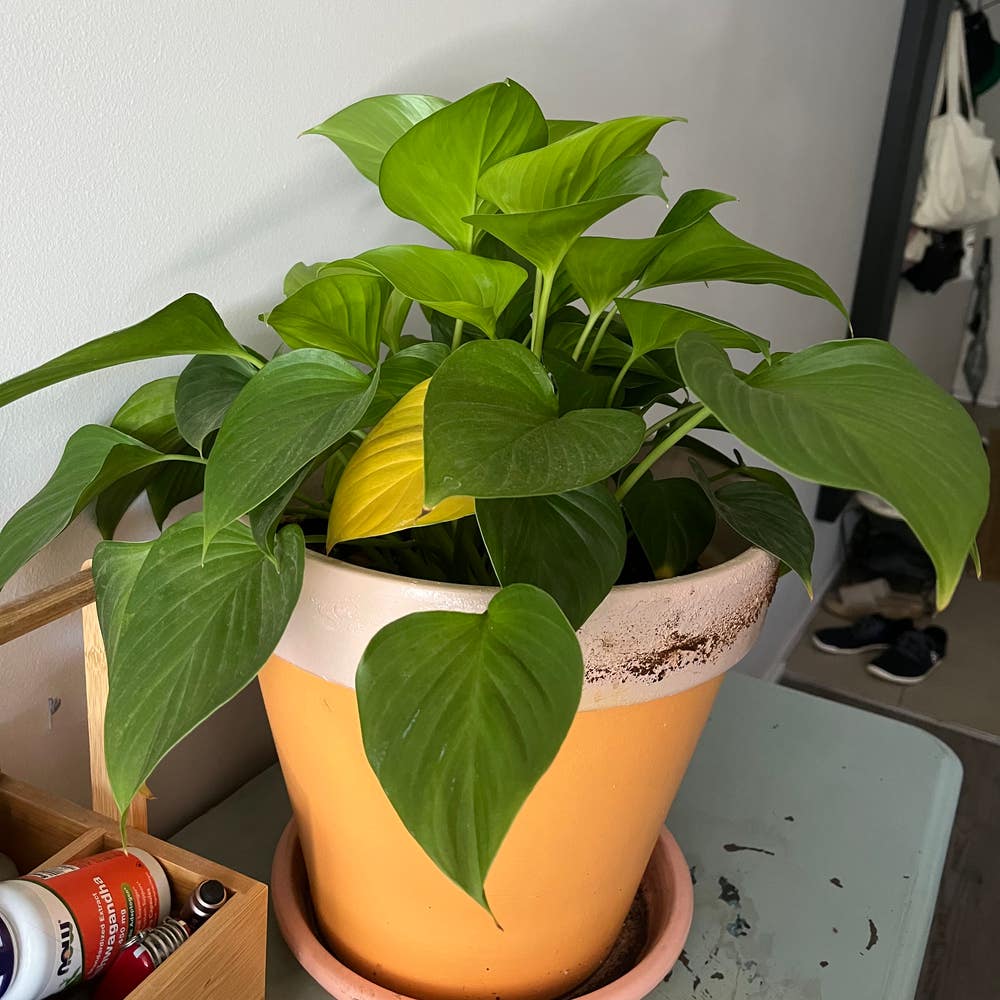
🌿 Introduction to Homalomena lancea
Homalomena lancea
By the Greg Editorial Team
Feb 27, 2025•14 min read
This article was created with the help of AI so we can cover more plants for you. May contain errors. See one? Report it here.
Elevate your indoor garden with Homalomena lancea, a stunning, low-maintenance air purifier! 🌿✨
- 🌱 Homalomena lancea thrives in humidity over 60% and indirect light for optimal growth.
- 🌡️ Ideal temperatures for this plant range from 65°F to 80°F (18°C to 27°C).
- 🌿 Regular watering and fertilizing every 4-6 weeks ensure healthy growth and appearance.
How to Grow
🌍 Choosing a Location
Homalomena lancea thrives in the right environment. It prefers indirect light, so keep it away from harsh sunlight to prevent leaf burn.
Humidity is crucial for this plant; it flourishes in conditions of 60% humidity or higher. Aim for a temperature range of 65°F to 80°F (18°C to 27°C) to keep your plant happy and healthy.
🌱 Soil Preparation
For optimal growth, use a well-draining potting mix enriched with organic matter. This ensures the roots have the nutrients they need without sitting in excess water.
The ideal soil pH for Homalomena lancea is slightly acidic to neutral, ranging from 6.0 to 7.0. Always ensure your pots have drainage holes to prevent waterlogging, which can lead to root rot.
🌿 Planting
When planting, make sure to place your Homalomena at the same depth it was in its nursery pot. This helps the plant acclimate and promotes healthy growth.
Space your plants 12-18 inches apart to allow for optimal air circulation and growth. This distance helps prevent overcrowding and competition for resources.
💧 Watering
Water your Homalomena lancea when the top inch of soil feels dry, typically every 1-2 weeks. This ensures the plant receives adequate moisture without becoming waterlogged.
When watering, do so thoroughly until water drains from the bottom of the pot. This method encourages deep root growth and keeps the plant hydrated.
🌼 Fertilizing
Use a balanced liquid fertilizer, such as NPK 20-20-20, to provide essential nutrients. Fertilize every 4-6 weeks during the growing season, which spans spring and summer.
This regular feeding helps support robust growth and vibrant foliage. Adjust your fertilization schedule based on the plant's response and growth rate.
✂️ Pruning
Prune your Homalomena lancea in spring to remove any dead or yellowing leaves. This not only improves the plant's appearance but also encourages new growth.
Use clean, sharp scissors to cut leaves at the base. This prevents damage to the plant and minimizes the risk of disease.
🔍 Ongoing Care
Regularly monitor your plant's health by checking for pests and signs of stress. Early detection can prevent more significant issues down the line.
As seasons change, adjust your care routine. Reduce watering and fertilizing during fall and winter when the plant's growth slows down.
With these tips, your Homalomena lancea will thrive, bringing lush greenery into your space. Next, let’s explore how to propagate this beautiful plant.
Propagation
🌱 Division Method
Propagation through division is a straightforward way to expand your Homalomena lancea collection. The best time to do this is in spring when the plant is actively growing.
- Timing: Spring is ideal for dividing your plant.
- Steps: Carefully remove the plant from its pot, ensuring you separate the root ball into sections. Each section should have roots and leaves for successful replanting.
- Replant: Place each section in fresh potting mix to encourage healthy growth.
✂️ Stem Cuttings
Taking stem cuttings is another effective propagation method that can yield new plants with a bit of patience.
- How to Take Cuttings: Select healthy stems that have at least two leaves. Make your cut just below a node for the best chance of rooting.
- Rooting: Place the cuttings in water or moist soil. Roots should develop within 2-4 weeks, giving you new plants to nurture.
🌿 Offsets
Offsets are small plants that grow at the base of the parent plant, making them an easy and efficient way to propagate.
- Identifying Offsets: Look for these little plants sprouting around the main plant.
- Separating: Gently twist or cut the offsets away from the main plant. Replant them in their own pots to help them thrive.
With these propagation methods, you can easily multiply your Homalomena lancea and share the beauty of this plant with friends or expand your indoor garden. Next, let’s explore the lifecycle of this resilient perennial.
Lifecycle
Lifecycle Stages 🌱
Homalomena lancea is a perennial plant that can thrive for several years, showcasing a fascinating lifecycle. It progresses through distinct stages: starting from seed or cutting, moving to germination, then to seedling, followed by vegetative growth, and occasionally flowering and seed production, though these last two stages are quite rare.
Germination typically takes about 2-4 weeks under optimal conditions. Once established, this plant usually reaches maturity in 2-3 years, growing at a moderate rate of approximately 6-12 inches annually.
Growth Phases 🌿
- Seed/Cutting: This initial stage is crucial for establishing new plants.
- Germination: Seeds sprout, marking the beginning of life for the plant.
- Seedling: Young plants develop their first true leaves and roots.
- Vegetative Growth: The plant focuses on growing leaves and stems, preparing for future stages.
Understanding these lifecycle stages helps you appreciate the growth journey of Homalomena lancea. By nurturing it properly, you can witness its transformation from a tiny seed to a lush, mature plant.
Maturity and Growth Rate 📏
As it matures, Homalomena lancea typically reaches a height of 2-3 feet and a spread of 1-2 feet. Its moderate growth rate means you won’t have to wait long to enjoy its lush foliage, making it a rewarding addition to your plant collection.
This plant's lifecycle is a testament to the beauty of nature and the joy of gardening. With the right care, you can support its growth and enjoy its presence for years to come.
Next, we’ll explore how to manage its size effectively, ensuring it thrives in your home environment.
Size
🌱 Mature Height and Spread
Homalomena lancea typically reaches a height of 2 to 3 feet, with a spread of 1 to 2 feet. This makes it a perfect choice for adding a lush, tropical feel to your indoor space.
📈 Growth Rate
Expect a moderate growth rate of about 6 to 12 inches each year. With proper care, you'll see your plant flourish and fill out beautifully over time.
📏 Size Variability
The size of your Homalomena lancea can vary based on several factors. Light levels, humidity, and soil quality all play significant roles in determining how large your plant will grow.
As you nurture your plant, keep these factors in mind to help it reach its full potential. With the right conditions, your Homalomena lancea can become a stunning focal point in your home.
Next, let's explore the fascinating root system of this resilient plant.
Roots
🌱 Root System Characteristics
Homalomena lancea features a fibrous root system that is essential for its stability and nutrient uptake. Typically, the roots grow 12-18 inches deep and spread outward, allowing the plant to absorb moisture and nutrients efficiently.
⚠️ Common Root-Related Issues
One of the most common problems is root rot, which occurs due to overwatering. Symptoms include mushy roots and yellowing leaves, signaling that the plant is in distress.
Another issue is being rootbound, which happens when the roots fill the pot. Signs of this condition include stunted growth and roots emerging from drainage holes, indicating it's time for a change.
👀 Visual Cues for Healthy vs. Unhealthy Roots
Healthy roots are firm and typically white or light tan in color. In contrast, unhealthy roots appear dark, mushy, or may even emit a foul smell, indicating a serious problem.
🛠️ Tips for Managing Root Problems
If you notice your plant is rootbound, it's time to repot it into a larger container with fresh soil. This will give the roots room to grow and thrive.
To prevent root issues, ensure proper watering and drainage. This simple practice can save your plant from many common root-related problems.
With these insights, you can maintain a healthy root system for your Homalomena lancea, promoting overall plant vitality. Next, let’s explore the benefits of this remarkable plant and why it deserves a spot in your home.
Benefits
Top Benefits of Homalomena lancea 🌿
Homalomena lancea offers a variety of benefits that make it a fantastic addition to any indoor space.
Air Purification 🌬️
One of the standout features of this plant is its ability to purify the air. It effectively removes toxins, enhancing indoor air quality and creating a healthier environment.
Aesthetic Appeal ✨
With its large, glossy leaves, Homalomena lancea adds a touch of elegance to home decor. Its vibrant greenery can brighten up any room, making it a popular choice for plant enthusiasts.
Low Maintenance 💤
For those with busy lifestyles, this plant is a dream. It requires minimal care, allowing you to enjoy its beauty without the stress of constant upkeep.
Symbolism 🌈
In various cultures, Homalomena lancea symbolizes prosperity and peace. Having this plant in your home can bring a sense of calm and positive energy.
Humidity Contribution 💧
This plant also plays a role in increasing humidity levels. By doing so, it benefits other houseplants and enhances overall comfort in your living space.
Incorporating Homalomena lancea into your home not only beautifies your environment but also contributes to your well-being. With its numerous advantages, it’s clear why this plant is a favorite among indoor gardeners.
As we explore further, let’s look at how to propagate this resilient plant for even more greenery in your home.
Companion Plants
🌱 Companion Planting
Companion planting is a fantastic way to enhance your garden's diversity and health. By pairing plants that support each other, you can improve pest management and create a more vibrant ecosystem.
🌼 Best Companion Plants
When it comes to Homalomena lancea, several companions thrive alongside it:
Peace Lily
The Peace Lily shares similar care needs and humidity preferences, making it an ideal partner. Together, they create a lush, green atmosphere.
Pothos
Pothos not only thrives in similar light conditions but also contributes to air purification. This duo can elevate your indoor air quality while looking stunning.
Ferns
Ferns are excellent companions as they provide additional humidity and flourish in similar environments. Their delicate fronds add a beautiful contrast to the robust leaves of Homalomena lancea.
🚫 Plants to Avoid
While many plants can complement Homalomena lancea, some should be avoided.
Cacti
Cacti require dry conditions, which can be detrimental to the moisture-loving Homalomena lancea. Keeping these two apart ensures both can thrive in their ideal environments.
By selecting the right companions, you can create a harmonious indoor garden that not only looks great but also supports the health of your plants. Next, let’s explore the potential toxicity of Homalomena lancea to humans, dogs, and cats.
Toxicity to Humans
Potential Irritation 🌿
Homalomena lancea can cause irritation primarily through its leaves and sap. Symptoms may include skin rashes, itching, mild gastrointestinal upset, or eye irritation.
How Irritation Occurs ⚠️
Irritation typically happens through contact with the skin, ingestion of plant material, or exposure to the sap. It's essential to be cautious when handling this plant.
When to Seek Medical Care 🚑
If symptoms persist or worsen, it's advisable to seek medical attention. Generally, irritation is self-limiting and resolves on its own.
Tips for Safe Handling 🧤
To minimize risks, wear gloves when handling the plant and wash your hands thoroughly afterward. Being proactive can help you enjoy your Homalomena lancea without worry.
This plant can be a beautiful addition to your home, but understanding its potential irritants ensures a safe experience. Next, let’s explore how this plant can affect our furry friends, particularly dogs.
Toxicity to Dogs
Potential Irritation 🐶
Homalomena lancea can cause mild irritation in dogs, primarily from its leaves and sap. Symptoms may include drooling, pawing at the mouth, mild vomiting, or skin irritation.
How Irritation Occurs 🌱
Irritation typically happens when a dog ingests plant material or comes into contact with the sap. While the plant isn't considered severely toxic, it's essential to monitor your pet for any adverse reactions.
When to Seek Veterinary Care 🚑
If symptoms persist or worsen, it's wise to consult a veterinarian. Generally, irritation resolves on its own, but it's better to be safe.
Summary Statement 📜
In summary, while Homalomena lancea isn't highly toxic to dogs, it can cause mild to moderate irritation. Keeping an eye on your furry friend will ensure they stay safe and healthy around this beautiful plant.
As we explore further, let’s look into how this plant can affect our feline companions.
Toxicity to Cats
Potential Irritation 🐾
Homalomena lancea can cause mild irritation in cats, primarily through its leaves and sap. Symptoms may include drooling, pawing at the mouth, mild vomiting, or skin irritation.
How Irritation Occurs 🤔
Irritation typically arises from ingestion of the plant material or contact with the sap. While these reactions can be uncomfortable, they are generally not severe.
When to Seek Veterinary Care 🏥
If symptoms persist or worsen, it’s wise to consult a veterinarian. However, most cases of irritation resolve on their own without medical intervention.
Severity of Toxicity ⚠️
It's important to note that Homalomena lancea is not considered severely toxic to cats. The irritation it causes is usually mild to moderate, making it a relatively safe choice for homes with feline companions.
In summary, while this plant can cause some discomfort, being aware of its effects allows you to enjoy its beauty without undue worry. If you're considering adding Homalomena lancea to your home, just keep an eye on your curious kitty!
Problems
Common Issues 🌱
Homalomena lancea can be a resilient plant, but it’s not without its challenges. Understanding these common issues will help you keep your plant thriving.
Incorrect Watering 🚰
Watering is a crucial aspect of plant care. Overwatering can lead to root rot, causing mushy roots and yellowing leaves, while underwatering results in wilting and dry foliage.
Light and Temperature Problems 🌞
Light and temperature play significant roles in the health of your plant. Insufficient light can lead to leggy growth, while extreme temperatures may stress the plant, causing it to struggle.
Diseases 🦠
High humidity can sometimes be a double-edged sword. Fungal issues like powdery mildew, rust, and black rot may arise, particularly in overly damp conditions.
Leaf and Growth Problems 🍃
Keep an eye on your plant's leaves for signs of distress. Symptoms such as scorching, yellowing, or fuzzy growth often indicate stress or disease, signaling that your plant needs immediate attention.
Conclusion 📝
By being aware of these common problems, you can take proactive steps to ensure your Homalomena lancea remains healthy and vibrant. Next, let’s explore the pests that may threaten your plant’s well-being.
Bugs
Common Pests 🐞
Homalomena lancea can attract a few pesky pests that might disrupt its growth. Here are the most common culprits you should watch out for:
Spider Mites
These tiny pests leave behind fine webs and cause stippling on leaves. If you notice these signs, treat your plant with insecticidal soap to eliminate the infestation.
Mealybugs
Recognizable by their white, cotton-like masses, mealybugs can be a nuisance. To remove them, dip a cotton swab in alcohol and gently wipe them away.
Aphids
These small green or black insects can cluster on new growth. Control aphid populations using neem oil or insecticidal soap for effective results.
Prevention and Care 🛡️
Regularly inspect your Homalomena lancea for any signs of pests. Early detection is key to preventing a larger infestation.
Keep your plant healthy by providing the right conditions, as a robust plant is less susceptible to pests. If you notice any issues, act quickly to maintain your plant's health.
With proper care and vigilance, you can keep your Homalomena lancea thriving and pest-free. Next, let’s explore how to manage common problems that may arise with this beautiful plant.
What Eats
Common Garden Animals 🦌
Homalomena lancea can attract a variety of garden animals.
- Deer: Look for signs like chewed leaves and broken stems.
- Rabbits: They often nibble the edges of leaves, leaving behind a distinct pattern.
- Squirrels: These critters may dig around the base or chew on the stems, causing noticeable damage.
Signs of Animal Presence and Damage 🐾
Identifying animal activity is crucial for protecting your plant.
Keep an eye out for droppings, tracks, or any visible damage to the plant. These indicators can help you determine which animal might be causing the trouble.
Deterrent Methods 🚫
Preventing damage from these garden visitors can be approached in two main ways.
- Chemical: Consider using commercial repellents designed to deter animals.
- Organic: Employ barriers like fencing or companion planting to create a natural deterrent.
By taking these steps, you can help ensure your Homalomena lancea remains healthy and thriving.
⚠️ Safety First
This content is for general information and may contain errors, omissions, or outdated details. It is not medical, veterinary advice, or an endorsement of therapeutic claims.
Always consult a qualified healthcare professional before using any plant as food, medicine, or supplement.
Never eat any plant (or feed one to pets) without confirming its identity with at least two trusted sources.
If you suspect poisoning, call Poison Control (800) 222-1222, the Pet Poison Helpline (800) 213-6680, or your local emergency service immediately.
Spotted an error? Please report it here.
Create a thriving home for your Homalomena lancea 🌿 with Greg's personalized care reminders and expert tips that ensure your plant flourishes in its ideal environment!