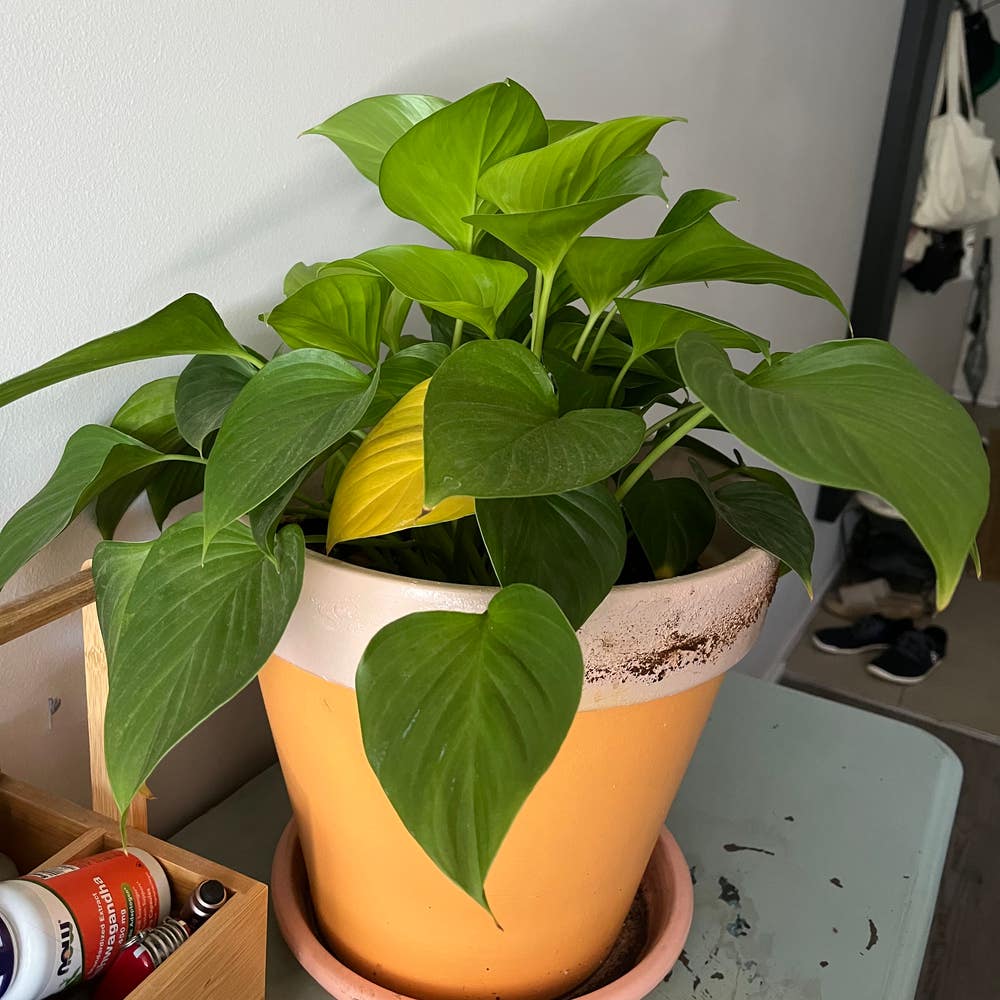
What is a Homalomena kiahii? Complete Guide 🪴
Homalomena kiahii
By the Greg Editorial Team
Feb 27, 2025•11 min read
This article was created with the help of AI so we can cover more plants for you. May contain errors. See one? Report it here.
Elevate your home’s beauty and air quality with the stunning, low-maintenance Homalomena kiahii! 🌱✨
- 🌱 Homalomena kiahii thrives in indirect light; avoid direct sunlight to protect leaves.
- 💧 Humidity above 60% is crucial for this tropical plant's health and growth.
- 🌡️ Ideal temperature range is 18°C to 27°C (65°F to 80°F) for optimal care.
How to Grow
Choosing the Right Location 🌍
To ensure your Homalomena kiahii thrives, start by selecting the right location. This plant prefers indirect light; direct sunlight can scorch its delicate leaves.
Humidity is crucial for this tropical beauty. Aim for levels of 60% or higher, and consider using a humidifier or a pebble tray to maintain that moisture.
Temperature is another key factor. The ideal range is between 18°C to 27°C (65°F to 80°F), so keep it away from cold drafts to prevent stress.
Soil Preparation 🪴
Next, focus on soil preparation. A well-draining potting mix is essential; a blend of peat, perlite, and orchid bark works wonders.
Pay attention to pH levels as well. Aim for a slightly acidic to neutral range (pH 6.0 to 7.0) to keep your plant happy and healthy.
Planting Techniques 🌱
When it comes to planting techniques, spacing is vital. Allow 12-18 inches between plants to promote air circulation and prevent overcrowding.
Depth matters too. Plant your Homalomena kiahii at the same depth as it was in the nursery pot, ensuring you avoid burying the crown.
Watering Requirements 💧
Watering is a critical aspect of care. Check the top inch of soil; when it feels dry, it's time to water, typically every 1-2 weeks.
Use room temperature water for the best results. Always ensure proper drainage to prevent root rot, which can be detrimental to your plant's health.
Fertilizing Schedule 🌿
For a thriving plant, establish a fertilizing schedule. Use a balanced liquid fertilizer, like 20-20-20, diluted to half strength.
Fertilize every 4-6 weeks during the growing season, which spans spring and summer. This will provide the nutrients your plant needs to flourish.
Pruning and Ongoing Care ✂️
Finally, don’t forget about pruning and ongoing care. Regularly check for yellowing or damaged leaves and trim them at the base to keep your plant looking its best.
Keep an eye out for leggy growth as well. Pruning will help maintain the desired shape and encourage bushier growth.
With these tips in mind, you're well on your way to nurturing a healthy and vibrant Homalomena kiahii. Next, let’s explore how to propagate this lovely plant!
Propagation
🌱 Methods
Propagation of the Homalomena kiahii can be achieved through two primary methods: division and cuttings. Both techniques are effective and allow you to expand your collection or share with friends.
📋 Step-by-Step Instructions
1. Division
- Start by carefully removing the plant from its pot.
- Gently separate the root ball into sections, ensuring that each section has both roots and leaves.
- Replant each section in individual pots filled with fresh soil to give them a new home.
2. Cuttings
- For cuttings, select a healthy stem section that is about 4-6 inches long, cutting just below a node.
- Place the cutting in water or moist soil, and wait for roots to develop, which typically takes 2-4 weeks.
Propagation is a rewarding process that not only helps your plant thrive but also allows you to enjoy the beauty of Homalomena kiahii in multiple spaces. With a little patience and care, you’ll soon have new plants ready to flourish.
Next, let’s explore the lifecycle of this fascinating plant.
Lifecycle
🌱 Stages of Growth
The lifecycle of a Homalomena kiahii begins with germination, where seeds sprout within 2-4 weeks under optimal conditions. Following this, the seedling stage develops true leaves in about 4-6 weeks, marking the plant's transition to a more recognizable form.
🌿 Vegetative Growth
During the vegetative growth phase, the plant experiences rapid growth that can last several months. This is when it truly starts to flourish, showcasing its lush foliage.
🌸 Flowering and Seed Production
Flowering is a rare occurrence for indoor plants, typically happening only in mature specimens. Seed production is not common in cultivation, so most growers focus on vegetative propagation to expand their collection.
⏳ Duration Until Maturity
It takes approximately 1-2 years for a Homalomena kiahii to reach its full size. Under ideal conditions, expect a moderate growth rate of 6-12 inches per year, rewarding your patience with vibrant greenery.
This lifecycle overview highlights the importance of providing the right care to ensure your plant thrives. Next, we will explore the size of the Homalomena kiahii and what to expect as it matures.
Size
Mature Dimensions 🌱
Homalomena kiahii is a striking plant that typically reaches heights of 1 to 3 feet. Its spread can expand to about 1 to 2 feet wide, making it a lovely addition to any indoor space.
Growth Rate and Variability 📈
This plant has a moderate growth rate, which is influenced by factors like light, humidity, and nutrient availability. With optimal care, you can expect it to thrive and potentially grow larger than average, showcasing its full beauty.
Roots
🌱 Characteristics
Homalomena kiahii features a fibrous root system that is both shallow and extensive. This means it requires well-draining soil to thrive.
⚠️ Common Issues
One of the most common problems is root rot, which occurs due to overwatering. Symptoms include mushy roots and yellowing leaves, signaling that your plant needs immediate attention.
Another issue is becoming rootbound, which happens when the roots fill the pot. Signs of this include stunted growth and roots emerging from the drainage holes.
👀 Visual Cues
Healthy roots are firm, white, and spread evenly throughout the soil. In contrast, unhealthy roots appear dark, mushy, or may even emit a foul smell.
🛠️ Management Tips
To manage root issues effectively, repot your plant when it becomes rootbound. Choose a pot that is 1-2 inches larger in diameter to give the roots room to grow.
Additionally, ensure proper drainage to prevent root rot. This simple step can make a significant difference in the health of your Homalomena kiahii.
With these tips, you can keep your plant's roots healthy and thriving, setting the stage for vibrant growth. Next, let’s explore the benefits of having a Homalomena kiahii in your home.
Benefits
Top 5 Benefits of Homalomena Kiahii 🌿
Air Purification
Homalomena kiahii is a natural air purifier, effectively removing toxins from indoor air. This makes it a fantastic choice for improving your home's air quality.Aesthetic Appeal
With its lush, vibrant leaves, this plant adds a touch of beauty to any space. It can transform a dull corner into a lively focal point.Low Light Tolerance
This plant thrives in low-light conditions, making it perfect for various environments. Whether in a bright room or a dim corner, it adapts well.Humidity Enhancement
Homalomena kiahii increases humidity levels, which is beneficial for other houseplants. This can create a more favorable microclimate for your indoor garden.Cultural Significance
Often associated with good luck and prosperity, this plant holds cultural importance in many societies. Having one in your home can be seen as a positive omen.
These benefits make Homalomena kiahii not just a beautiful addition to your home but also a practical one. With its air-purifying qualities and low maintenance needs, it’s a win-win for plant lovers.
Next, let’s explore the best companion plants that can thrive alongside your Homalomena kiahii.
Companion Plants
🌱 Explanation
Companion planting is a fantastic way to enhance garden diversity. It promotes healthy growth through beneficial relationships between plants.
🌿 Compatible Plants
When growing Homalomena kiahii, consider these companions:
- Peace Lily: Shares similar care needs and thrives in high humidity.
- Pothos: Enjoys similar light conditions and helps purify the air.
- Ferns: Flourish in similar environments, providing extra humidity.
These plants not only coexist well but also create a lush, vibrant indoor space.
🚫 Plants to Avoid
While some plants thrive alongside Homalomena kiahii, others can hinder its growth:
- Cacti: Prefer dry conditions, competing for moisture.
- Heavy feeders: Such as tomatoes, which can deplete soil nutrients.
Avoiding these plants will help ensure your Homalomena kiahii remains healthy and happy.
Transitioning to the next section, understanding the potential toxicity of Homalomena kiahii is crucial for maintaining a safe environment for pets and humans alike.
Toxicity to Humans
⚠️ Potential Irritants
Homalomena kiahii can be a bit tricky when it comes to handling. The leaves and sap contain calcium oxalate crystals, which can cause irritation if they come into contact with your skin.
🤒 Symptoms
If you do experience irritation, you might notice skin rashes, itching, or even mild gastrointestinal upset. Eye irritation is also possible, so it's best to be cautious.
🩺 Guidance
Should symptoms persist or worsen, it's wise to seek medical attention. However, most irritations resolve on their own.
To stay safe, wear gloves when handling the plant and make sure to wash your hands thoroughly afterward. This simple precaution can help you enjoy your Homalomena kiahii without any discomfort.
As we move forward, let’s explore how this plant interacts with our furry friends.
Toxicity to Dogs
Potential Irritants 🌿
Homalomena kiahii can be a source of mild discomfort for dogs. The leaves and sap contain compounds that may irritate their sensitive systems.
Symptoms 🐶
If your dog comes into contact with this plant, watch for signs like drooling, pawing at the mouth, mild vomiting, or skin irritation. These symptoms indicate that your furry friend may be experiencing some discomfort.
Guidance 🩺
If symptoms persist or worsen, it's wise to seek veterinary care. However, most irritations are self-limiting and resolve on their own. Remember, while Homalomena kiahii is not classified as severely toxic to dogs, it can still cause mild to moderate irritation, so it's best to keep it out of reach.
As a responsible pet owner, always monitor your pets around houseplants and educate yourself about their potential effects. This way, you can enjoy your beautiful greenery while ensuring your dog's safety.
Toxicity to Cats
Potential Irritants 🐾
Homalomena kiahii can pose some discomfort to cats, primarily through its leaves and sap. While not classified as severely toxic, it's wise to be cautious.
Symptoms 🤢
If your feline friend nibbles on this plant, watch for signs like drooling, pawing at the mouth, mild vomiting, or skin irritation. These symptoms can be concerning but are generally mild.
Guidance 🩺
Should symptoms persist or worsen, it's best to seek veterinary care. Fortunately, most irritations resolve on their own. To minimize risk, consider wearing gloves when handling the plant and wash your hands thoroughly afterward.
Understanding these potential irritants can help you create a safer environment for your pets while enjoying the beauty of your Homalomena kiahii.
Problems
🌱 Common Issues
Incorrect Watering
Watering is crucial for your Homalomena kiahii's health. Overwatering leads to yellowing leaves and mushy roots, while underwatering results in wilting and dry leaves.
Incorrect Light Conditions
Light conditions can make or break your plant. Too much light causes scorched leaves, whereas too little light results in leggy growth.
Incorrect Temperature
Temperature fluctuations can stress your plant. Cold drafts may lead to wilting or leaf drop, so keep your plant in a stable environment.
Diseases
Watch out for diseases that can affect your plant's vitality. Powdery mildew appears as white, powdery spots on leaves, while root rot manifests as dark, mushy roots.
Leaf Issues
Leaf problems are often telltale signs of underlying issues. Scorching results in brown tips and edges, while yellowing can indicate nutrient deficiencies or overwatering.
🔍 Identification and Solutions
Identifying these symptoms early is key to effective care. Adjust your watering, lighting, and temperature as needed to keep your Homalomena kiahii thriving.
By staying vigilant and responsive, you can ensure your plant remains healthy and vibrant. Now that you know how to troubleshoot common problems, let’s explore how to manage pests that may invade your plant.
Bugs
🐜 Potential Pest Issues
Homalomena kiahii is moderately resistant to pests, but it can still fall victim to a few common nuisances. Staying vigilant is key to keeping your plant healthy.
🕷️ Common Pests
Spider Mites
- Signs: Look for fine webbing and stippled leaves.
- Damage: These pests weaken your plant and can lead to leaf drop.
Mealybugs
- Signs: Cotton-like masses on leaves are a telltale sign.
- Damage: They suck sap from the plant, causing yellowing and stress.
Scale Insects
- Signs: Hard, shell-like bumps on stems indicate their presence.
- Damage: Scale insects reduce plant vigor and can ultimately lead to death if not managed.
🧴 Treatment Options
To combat these pests, consider using insecticidal soap or neem oil. Regular inspections of your plant can help catch infestations early, ensuring your Homalomena kiahii stays vibrant and healthy.
By being proactive and attentive, you can enjoy the beauty of your plant without the worry of pest problems.
What Eats
🦌 Common Animals
Homalomena kiahii can attract a variety of animals, including deer, rabbits, squirrels, and rodents. These creatures are often drawn to the lush foliage, making your plant a potential snack.
👀 Signs and Damage
Look out for signs of nibbling, such as chewed leaves, droppings, or tracks around your plant. Damage can manifest as stripped leaves or stunted growth, which can be disheartening for any plant parent.
🚫 Deterrent Methods
To protect your Homalomena kiahii, consider using chemical deterrents like commercial repellents. Alternatively, you can opt for organic methods, such as planting deterrent plants like marigolds or employing physical barriers to keep these hungry visitors at bay.
With these strategies, you can enjoy your plant without the worry of it becoming a meal for local wildlife.
⚠️ Safety First
This content is for general information and may contain errors, omissions, or outdated details. It is not medical, veterinary advice, or an endorsement of therapeutic claims.
Always consult a qualified healthcare professional before using any plant as food, medicine, or supplement.
Never eat any plant (or feed one to pets) without confirming its identity with at least two trusted sources.
If you suspect poisoning, call Poison Control (800) 222-1222, the Pet Poison Helpline (800) 213-6680, or your local emergency service immediately.
Spotted an error? Please report it here.
Nurture your Homalomena kiahii to lush perfection 🌿 with Greg's tailored care tips and reminders that keep your plant thriving in any environment!