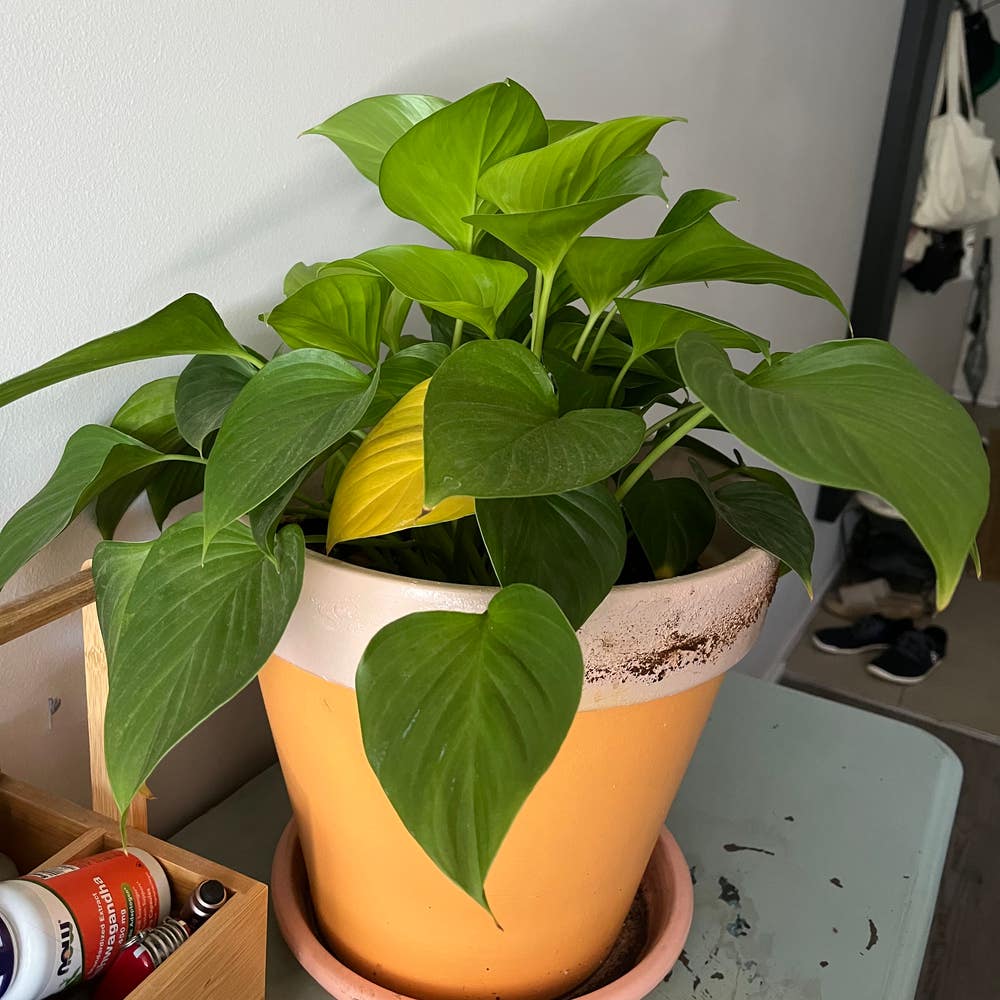
🌴 Introduction to Homalomena kelungensis
Homalomena kelungensis
By the Greg Editorial Team
Feb 27, 2025•14 min read
This article was created with the help of AI so we can cover more plants for you. May contain errors. See one? Report it here.
Elevate your home with the stunning Homalomena kelungensis 🌱—a low-maintenance beauty that purifies air and boosts humidity!
- 🌱 Homalomena kelungensis thrives in bright, indirect light and high humidity for optimal growth.
- 💧 Water when the top inch of soil is dry, typically every 1-2 weeks.
- ⚠️ Toxic to pets and humans; symptoms include oral irritation and vomiting if ingested.
How to Grow
🌍 Choosing a Location
Finding the right spot for your Homalomena kelungensis is crucial. This plant thrives in bright, indirect light, making it perfect for indoor settings near windows or in well-lit rooms.
Outdoor, it prefers shaded areas where it can enjoy humidity without direct sunlight. Maintaining high humidity levels is essential for its health, so consider placing it in a bathroom or kitchen if you're growing indoors.
🌱 Soil Preparation
For optimal growth, use well-draining soil rich in organic matter. A mix of potting soil and perlite or orchid bark works wonders.
Aim for a soil pH between 5.5 and 7.0 to keep your plant happy and thriving. This balance ensures that nutrients are readily available for uptake.
🌿 Planting Techniques
When planting, consider whether you’re using containers or the ground. Containers should have drainage holes, and the plant should be placed at the same depth it was in its previous pot.
If planting in the ground, space your plants about 12 to 18 inches apart to allow for growth. This spacing promotes air circulation and reduces the risk of disease.
💧 Watering Requirements
Water your Homalomena kelungensis when the top inch of soil feels dry. Typically, this means watering every 1-2 weeks, depending on humidity and temperature.
Be cautious of overwatering; yellowing leaves can indicate this issue. Conversely, if leaves are wilting, it may be a sign of underwatering.
🌼 Fertilizing Schedule
During the growing season, use a balanced liquid fertilizer every 4-6 weeks. This helps provide essential nutrients for robust growth.
In the fall and winter, reduce fertilization as the plant's growth slows. This approach prevents nutrient buildup and keeps your plant healthy.
✂️ Pruning Methods
Prune your plant as needed to encourage bushier growth. Remove any dead or damaged leaves to promote overall health and aesthetics.
The best time to prune is during the growing season, as the plant can recover quickly. Regular pruning also helps prevent pest infestations.
🔍 Ongoing Care Tips
Keep an eye on humidity and temperature levels, aiming for 60-80% humidity. Regular misting or using a humidifier can help maintain these levels.
Lastly, inspect your plant regularly for pests or diseases. Early detection is key to ensuring your Homalomena kelungensis remains vibrant and healthy.
With these tips, you’re well on your way to nurturing a thriving Homalomena kelungensis. Next, let’s explore how to propagate this beautiful plant for even more greenery in your space.
Propagation
🌱 Division Method
Dividing mature Homalomena kelungensis plants is a straightforward way to propagate them. Start by carefully removing the plant from its pot and gently separating the root ball into smaller sections, ensuring each division has healthy roots and leaves.
The best time for division is during the spring or early summer when the plant is actively growing. This timing helps the divisions establish quickly and thrive in their new homes.
✂️ Stem Cuttings
Taking stem cuttings is another effective propagation method. Select a healthy stem, ideally with a few leaves, and cut it just below a node, which is where new roots will emerge.
For optimal rooting conditions, place the cuttings in a moist potting mix and cover them with a plastic bag or a clear container to maintain humidity. Keep them in a warm, bright location but out of direct sunlight to encourage growth.
🌿 Offsets
Offsets are small plants that grow at the base of the main plant and can be easily separated. Look for these little offshoots, which can be gently pulled away from the parent plant.
After separating the offsets, provide them with care similar to that of mature plants, including proper watering and light conditions. This will help them establish roots and grow into healthy new plants.
With these propagation techniques, you can expand your collection of Homalomena kelungensis and share the joy of plant care with others. Next, let’s explore the lifecycle of this fascinating plant.
Lifecycle
Overview of Life Cycle Stages 🌱
Homalomena kelungensis is a perennial plant, meaning it lives for multiple years. This characteristic allows it to thrive and adapt to its environment over time.
Germination Process 🌱
Germination typically occurs within 2 to 4 weeks after planting seeds. Providing consistent warmth and moisture during this period is crucial for successful sprouting.
Seedling Stage 🌱
Seedlings are delicate and require careful attention. Ensure they receive bright, indirect light and maintain a humid environment to promote healthy growth.
Vegetative Growth 🌱
During the vegetative stage, the plant focuses on leaf development and root establishment. Regular watering and nutrient-rich soil will support robust growth during this phase.
Flowering and Seed Production 🌼
Homalomena kelungensis can produce flowers, although this is less common in indoor settings. When flowering occurs, it may lead to seed production, contributing to the plant's lifecycle.
Growth Timeline and Lifespan ⏳
This plant can take around 2 to 3 years to reach its full size. With proper care, Homalomena kelungensis can live for several years, often exceeding a decade in optimal conditions.
As we explore the lifecycle of this fascinating plant, understanding its growth stages can enhance your care techniques and appreciation for its beauty. Next, let's delve into the size characteristics of Homalomena kelungensis.
Size
🌱 Mature Height and Spread
Homalomena kelungensis typically reaches a mature height of 1 to 3 feet, with a spread of about 1 to 2 feet. This makes it a perfect choice for both indoor and outdoor spaces, providing a lush, tropical feel without overwhelming the area.
📈 Growth Rate and Size Variability
The growth rate of Homalomena kelungensis is generally moderate, with optimal conditions allowing for noticeable growth within a year. Factors such as light availability, water, and nutrient levels can significantly influence its size, leading to variability in growth patterns.
🌿 Impact of Growing Conditions on Size
Light, water, and soil quality play crucial roles in determining the size of your Homalomena kelungensis. Adequate light encourages robust growth, while consistent watering and nutrient-rich, well-draining soil help the plant thrive and reach its full potential.
As you cultivate this beautiful plant, remember that the right environment can make all the difference in its growth journey. With proper care, you’ll enjoy a vibrant, healthy Homalomena kelungensis that enhances your space beautifully.
Roots
Root System Characteristics 🌱
Homalomena kelungensis features a fibrous root system, which allows it to efficiently absorb water and nutrients. This type of root structure is essential for the plant's stability and overall health.
Depth and Spread of Roots 📏
In optimal conditions, the roots can extend up to 12 inches deep and spread outwards significantly. However, the actual depth and spread may vary based on factors like soil quality and moisture levels.
Common Root-Related Issues ⚠️
Root rot is a common problem for this plant, often caused by overwatering or poorly draining soil. Other issues may include pests that invade the root zone, leading to stunted growth.
Identifying Healthy vs. Unhealthy Roots 🧐
Healthy roots are typically firm, white, and free from mushiness. In contrast, unhealthy roots may appear brown or black and feel soft, indicating potential rot.
Recognizing Rootbound Plants 🌿
A rootbound plant shows signs such as stunted growth and roots emerging from the drainage holes. To remedy this, consider repotting the plant into a larger container to allow for further growth.
Understanding the root system of Homalomena kelungensis is crucial for its care and maintenance. With proper attention to its roots, you can ensure a thriving plant that enhances your indoor space.
Benefits
Top 5 Benefits 🌟
Homalomena kelungensis offers a variety of benefits that make it a fantastic addition to any home or garden. Here are the top five advantages of this remarkable plant:
Air Purification Qualities
One of the standout features of Homalomena kelungensis is its ability to purify indoor air. It effectively removes toxins, contributing to a healthier living environment.
Aesthetic Appeal in Home Decor
With its lush, vibrant foliage, this plant enhances the aesthetic of any space. Its unique leaf shapes and colors can complement various interior design styles.
Low Maintenance Requirements
For those who may not have a green thumb, Homalomena kelungensis is a low-maintenance option. It thrives with minimal care, making it perfect for busy individuals or beginners.
Contribution to Humidity Levels in Indoor Spaces
This plant naturally increases humidity levels, which can be beneficial for both people and other plants. It helps create a more comfortable atmosphere, especially in dry environments.
Symbolism in Various Cultures
In many cultures, Homalomena kelungensis symbolizes prosperity and health. Incorporating this plant into your space can carry positive connotations and enhance your home's energy.
These benefits make Homalomena kelungensis not just a plant, but a valuable addition to your lifestyle. As we explore further, you'll discover how to care for this remarkable species to maximize its potential.
Companion Plants
🌱 Concept of Companion Planting
Companion planting is all about creating a harmonious garden environment. By pairing compatible plants, you can enhance growth, deter pests, and promote biodiversity.
🌼 Best Companion Plants
Here are some excellent companions for Homalomena kelungensis:
- Ferns: They thrive in similar humidity and light conditions, creating a lush environment.
- Peace Lily: This plant shares similar care requirements and can help improve air quality.
- Spider Plant: Known for its air-purifying qualities, it complements the aesthetic appeal of Homalomena.
These plants not only coexist well but also contribute to a vibrant indoor or outdoor space.
🚫 Plants to Avoid
While many plants can thrive alongside Homalomena, some should be kept at a distance. Avoid pairing with:
- Cacti: Their low humidity needs can stress your Homalomena.
- Heavy feeders: Plants that require a lot of nutrients may compete for resources, hindering growth.
Being mindful of these interactions can help maintain a healthy garden ecosystem.
As you consider companion planting, remember that the right combinations can lead to a thriving environment for your Homalomena kelungensis. Next, let’s explore the potential toxicity of this plant to humans, dogs, and cats.
Toxicity to Humans
⚠️ Toxic Parts of the Plant
Homalomena kelungensis contains calcium oxalate crystals, which are the primary toxic components. These crystals can cause irritation and discomfort if ingested or if they come into contact with skin.
🤢 Symptoms of Poisoning
If someone ingests parts of the plant, they may experience symptoms such as oral irritation, swelling of the lips and tongue, and difficulty swallowing. In more severe cases, nausea, vomiting, and abdominal pain can occur.
🚫 How Poisoning Can Occur
Poisoning typically occurs through ingestion of the plant's leaves or stems. Additionally, contact with the sap can lead to skin irritation, especially in sensitive individuals.
🏥 When to Seek Medical Care
If exposure leads to severe symptoms like difficulty breathing or persistent vomiting, it's crucial to seek medical attention immediately. Always err on the side of caution and consult a healthcare professional if there's any doubt about exposure to this plant.
This knowledge is essential for ensuring safety around Homalomena kelungensis, especially in homes with children or pets. Next, let’s explore how this plant can affect our furry friends.
Toxicity to Dogs
Toxic Parts of the Plant 🐶
Homalomena kelungensis contains components that can be harmful to dogs. The primary toxic parts include the leaves and stems, which may cause adverse reactions if ingested.
Symptoms of Poisoning in Dogs 🤢
If a dog consumes any part of this plant, symptoms may include drooling, vomiting, and difficulty swallowing. More severe reactions can manifest as lethargy or gastrointestinal distress.
How Poisoning Can Occur ⚠️
Poisoning typically occurs when dogs chew on or ingest the plant. Even contact with the sap can lead to irritation, so it's essential to monitor your pet around this plant.
Prevention Measures 🛡️
To keep your furry friends safe, place Homalomena kelungensis out of reach. Additionally, consider using deterrents or training your dog to avoid chewing on houseplants.
By being aware of these factors, you can enjoy your plant while ensuring your dog's safety. Next, let’s explore how this plant can impact cats and their health.
Toxicity to Cats
Toxic Parts of the Plant 🐱
Homalomena kelungensis contains calcium oxalate crystals, which are the primary toxic components for cats. These crystals can cause irritation and discomfort if ingested or chewed on.
Symptoms of Poisoning in Cats 🤢
If a cat comes into contact with or ingests parts of this plant, you may notice symptoms such as drooling, vomiting, and difficulty swallowing. Other signs include pawing at the mouth and general lethargy.
How Poisoning Can Occur ⚠️
Poisoning can happen when cats nibble on the leaves or stems of the plant. Additionally, exposure can occur through contact with the sap, which may irritate their skin.
Prevention Measures 🛡️
To keep your feline friends safe, place Homalomena kelungensis out of their reach. Consider using deterrents like citrus scents or bitter sprays to discourage them from approaching the plant. Regularly inspect your home for any signs of plant nibbling, and educate yourself on safe plant choices for cat-friendly environments.
By staying informed and proactive, you can enjoy the beauty of your plants while ensuring your cats remain healthy and happy.
Problems
Common Problems Faced 🌱
Homalomena kelungensis can encounter a few common issues that may hinder its growth. These include overwatering, pest infestations, inadequate light, nutrient deficiencies, and root rot.
Identifying Symptoms of Unhealthy Plants 🧐
Recognizing the signs of an unhealthy plant is crucial for timely intervention. Look for yellowing leaves, wilting, stunted growth, or visible pests on the foliage.
Solutions for Top 5 Common Issues 💡
- Overwatering: Ensure the pot has drainage holes and allow the top inch of soil to dry out before watering again.
- Pest Infestations: Regularly inspect your plant for pests like spider mites or aphids. Use insecticidal soap or neem oil for treatment.
- Inadequate Light: If your plant is leggy or has slow growth, consider moving it to a brighter location, but avoid direct sunlight.
- Nutrient Deficiencies: Fertilize with a balanced houseplant fertilizer every few weeks during the growing season to replenish nutrients.
- Root Rot: If you notice a foul smell or mushy roots, repot the plant in fresh, well-draining soil and cut away any rotten roots.
By addressing these issues promptly, you can keep your Homalomena kelungensis thriving and healthy. Next, let’s explore the fascinating world of pests that may affect your plant.
Bugs
🐜 Potential Pest Issues
Homalomena kelungensis can face a variety of pest challenges. While it's relatively hardy, it can be susceptible to common pests like aphids and spider mites.
🔍 Identification of Common Pests
Here are some pests you might encounter:
- Aphids: Small, soft-bodied insects that cluster on new growth.
- Spider Mites: Tiny, spider-like creatures that create fine webbing on leaves.
- Mealybugs: White, cottony pests that often hide in leaf axils.
- Scale Insects: Hard, shell-like pests that attach to stems and leaves.
⚠️ Damage Caused by Pests
Each pest can cause specific damage:
- Aphids: They suck sap, leading to yellowing leaves and stunted growth.
- Spider Mites: Their feeding can cause stippling and leaf drop.
- Mealybugs: They weaken plants by sucking sap and can lead to sooty mold.
- Scale Insects: They can cause leaf yellowing and drop, as well as overall decline.
🛠️ Effective Treatment Options
To keep your Homalomena kelungensis thriving, consider these pest control methods:
- Insecticidal Soap: Effective against aphids and mealybugs; spray directly on pests.
- Neem Oil: A natural pesticide that disrupts the life cycle of pests.
- Horticultural Oil: Helps smother pests like scale insects.
- Regular Inspections: Check your plants frequently to catch infestations early.
By staying vigilant and employing these treatments, you can ensure your plant remains healthy and vibrant. Next, let’s explore the benefits of having Homalomena kelungensis in your space.
What Eats
Common Animals That May Damage 🐌
Homalomena kelungensis can attract a variety of animals that may cause damage. Common culprits include snails, slugs, and certain insects like aphids and spider mites.
Signs of Animal Presence 👀
Look for telltale signs of animal activity around your plant. These can include chewed leaves, slimy trails from snails or slugs, and visible insect infestations on the foliage.
Types of Damage Caused ⚠️
Damage from these animals can manifest in several ways. Snails and slugs may create holes in the leaves, while aphids can cause leaf curling and yellowing due to their feeding habits.
Deterrent Methods 🚫
To protect your Homalomena kelungensis, consider both chemical and organic deterrent methods. Chemical options include insecticidal soaps, while organic methods might involve introducing beneficial insects like ladybugs or using diatomaceous earth to deter pests.
By staying vigilant and employing these strategies, you can keep your plant healthy and thriving. Next, let’s explore the common problems that may arise with your Homalomena kelungensis.
⚠️ Safety First
This content is for general information and may contain errors, omissions, or outdated details. It is not medical, veterinary advice, or an endorsement of therapeutic claims.
Always consult a qualified healthcare professional before using any plant as food, medicine, or supplement.
Never eat any plant (or feed one to pets) without confirming its identity with at least two trusted sources.
If you suspect poisoning, call Poison Control (800) 222-1222, the Pet Poison Helpline (800) 213-6680, or your local emergency service immediately.
Spotted an error? Please report it here.
Nurture your Homalomena kelungensis to lush perfection 🌿 with Greg's tailored watering alerts and humidity tips, ensuring it thrives beautifully for years to come!