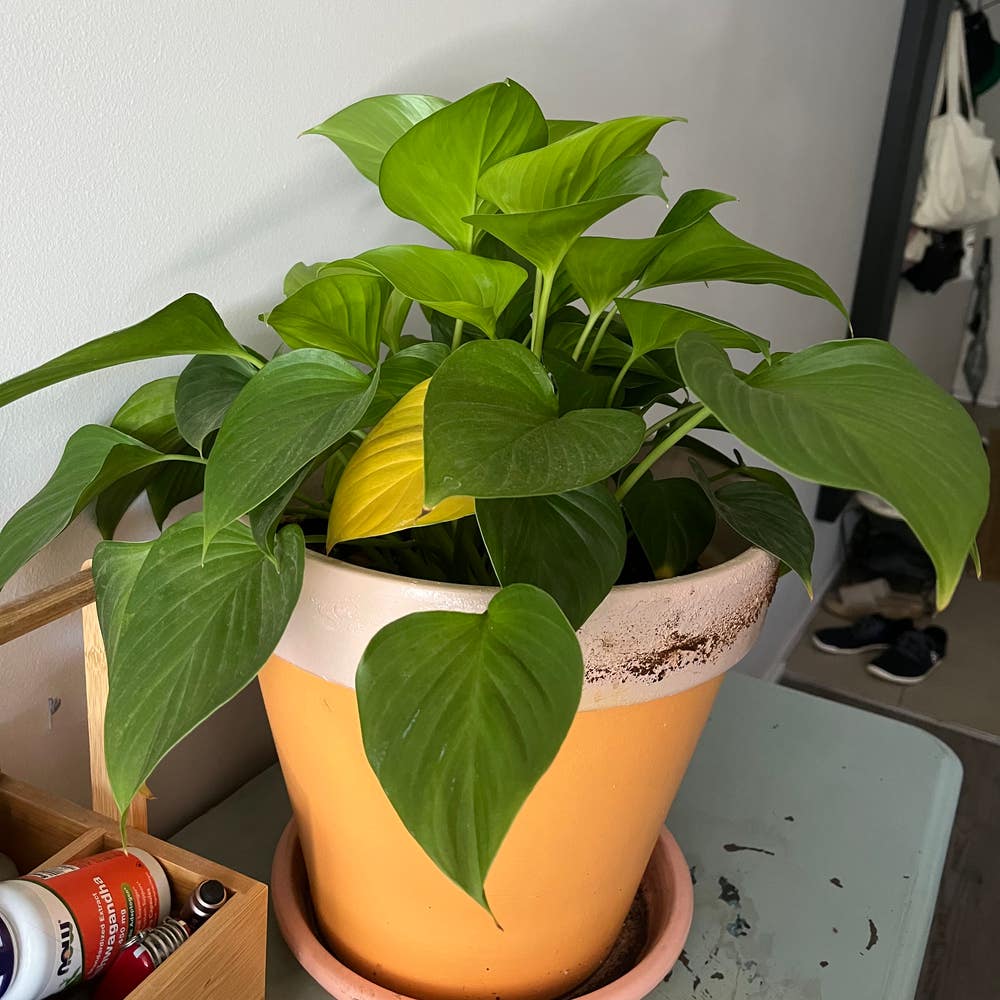
📚 Ultimate Guide to Homalomena kalkmanii
Homalomena kalkmanii
By the Greg Editorial Team
Feb 27, 2025•12 min read
This article was created with the help of AI so we can cover more plants for you. May contain errors. See one? Report it here.
Elevate your indoor garden with the stunning Homalomena kalkmanii, a low-maintenance beauty that purifies air! 🌿✨
- 🌞 Optimal light for Homalomena kalkmanii is near east or north-facing windows.
- 💧 Maintain consistent moisture without overwatering to prevent root rot.
- 🌿 Prune regularly to promote healthy growth and remove dead leaves.
How to Grow
🌍 Choosing a Location
For optimal growth, place your Homalomena kalkmanii near east or north-facing windows. This positioning allows for the perfect amount of indirect light, essential for its health.
When considering outdoor placement, choose shaded areas that receive filtered sunlight. This will protect the plant from harsh direct rays while still providing necessary light.
🌱 Soil Preparation
A well-draining potting mix enriched with organic matter is ideal for your Homalomena. This type of soil ensures that the roots have access to nutrients while preventing waterlogging.
Aim for a soil pH between 6.0 and 7.0, which is slightly acidic to neutral. This range supports the plant's growth and overall vitality.
🌿 Planting Techniques
When planting, ensure the crown of the plant is level with the soil surface. This positioning helps prevent rot and encourages healthy growth.
Choose a container that is at least 6-8 inches in diameter for young plants. A proper-sized pot allows for root expansion and stability.
💧 Watering Requirements
Keep the soil consistently moist but avoid sogginess. This balance is crucial for the health of your plant.
Watch for signs of overwatering, such as yellowing leaves and root rot. These indicators can help you adjust your watering routine promptly.
🥦 Fertilizing Schedule
Fertilize your Homalomena kalkmanii monthly during the growing season, which spans spring and summer. Regular feeding supports robust growth.
Use a balanced liquid fertilizer diluted to half strength. This approach provides essential nutrients without overwhelming the plant.
✂️ Pruning Methods
Prune your plant to maintain its shape by removing any dead or yellowing leaves. This practice not only enhances appearance but also promotes healthier growth.
Timing is key; prune during the growing season for the best results. This ensures the plant can recover quickly and thrive.
🌧️ Ongoing Care Tips
Maintain humidity levels above 50% for optimal growth. Higher humidity helps mimic the plant's natural tropical environment.
Keep temperatures between 18°C to 27°C (65°F to 80°F). This temperature range is ideal for your Homalomena kalkmanii to flourish and thrive.
With these care tips, your Homalomena kalkmanii will grow beautifully, bringing lush greenery into your space. Next, let’s explore how to propagate this stunning plant effectively.
Propagation
Division Method 🌱
Spring is the ideal time for propagating your Homalomena kalkmanii through division. During this active growth period, carefully separate the rhizomes and replant them in new pots for successful establishment.
Stem Cuttings ✂️
For stem cuttings, aim for a length of 4-6 inches from healthy stems. Use a rooting medium that combines perlite and peat moss to encourage robust root development.
Offsets 🌿
Offsets are small plants that grow at the base of the parent plant. To propagate, gently separate these offsets and pot them individually to help them thrive.
With these propagation methods, you can expand your collection of Homalomena kalkmanii and share the joy of this beautiful plant with friends or family. Next, let’s explore the lifecycle of this fascinating perennial.
Lifecycle
Lifecycle Stages 🌱
Homalomena kalkmanii is classified as a perennial plant, meaning it can live for many years with the right care. This longevity makes it a rewarding addition to any indoor garden.
Germination Process 🌱
When starting from seeds, expect germination to take about 2-4 weeks under optimal conditions. Providing warmth and moisture will help speed up this process.
Seedling Stage 🌱
Once germinated, the seedling stage lasts approximately 4-6 weeks until true leaves emerge. During this time, ensure they receive adequate light and humidity for healthy growth.
Vegetative Growth 🌱
Following the seedling phase, the plant enters a rapid growth phase that can last several months. This is when you’ll see significant increases in size and foliage.
Flowering and Seed Production 🌱
Flowering in Homalomena kalkmanii is rare in cultivation, typically occurring only in mature plants. If you’re lucky enough to witness it, consider it a special treat!
Lifespan and Growth Rate 🌱
With proper care, this plant can live for several years, showcasing its resilience. It has a moderate growth rate, taking about 1-2 years to reach its full size, making it a manageable choice for plant enthusiasts.
As you nurture your Homalomena kalkmanii through its lifecycle, you'll gain a deeper appreciation for its growth stages and unique characteristics. Next, let’s explore how to effectively propagate this beautiful plant to expand your collection.
Size
Mature Height and Spread 🌱
Homalomena kalkmanii typically reaches a mature height of 1 to 3 feet. Under optimal conditions, it can spread up to 2 feet wide, making it a striking addition to any indoor space.
Growth Habits and Rate 📈
This plant exhibits an upright growth habit, creating a bushy appearance that enhances its visual appeal. With a moderate growth rate, it may take 2 to 3 years to reach its full size, rewarding your patience with lush foliage.
Size Variability Based on Conditions 🌦️
The size of your Homalomena kalkmanii can vary significantly based on environmental factors. Light levels, humidity, and soil quality all play crucial roles in determining how large your plant will grow, so consider these elements when planning its placement.
As you nurture your plant, remember that creating the right conditions will help it thrive and reach its full potential. Next, let’s explore the fascinating world of the plant's roots and their importance in overall health.
Roots
Root System Characteristics 🌱
Homalomena kalkmanii features a fibrous root system that spreads shallowly. This structure helps the plant absorb moisture and nutrients efficiently.
Depth and Spread 📏
Typically, the roots extend 6-12 inches deep. This shallow depth allows for easy establishment in various potting conditions.
Common Root-Related Issues ⚠️
One of the most common problems is root rot, often caused by overwatering. Signs include mushy roots that can lead to plant decline if not addressed promptly.
Identifying Healthy vs. Unhealthy Roots 🔍
Healthy roots are firm and white, indicating vitality. In contrast, unhealthy roots appear dark and mushy, signaling potential issues that need immediate attention.
Recognizing Rootbound Plants 🪴
If you notice roots growing out of the drainage holes, your plant may be rootbound. To maintain optimal growth, consider repotting every 1-2 years to give the roots more space to thrive.
Understanding the root system of your Homalomena kalkmanii is crucial for its health. Proper care will ensure your plant remains vibrant and lush, setting the stage for the next section on the benefits of this beautiful houseplant.
Benefits
Homalomena kalkmanii isn't just a pretty face; it offers a range of benefits that make it a fantastic addition to any indoor space.
🌟 Top 5 Benefits
Air purification: This plant excels at removing toxins from indoor air, contributing to a healthier living environment.
Aesthetic appeal: With its lush foliage, Homalomena kalkmanii enhances decor, bringing a touch of nature indoors.
Low maintenance: Compared to other houseplants, it requires minimal care, making it perfect for busy individuals or beginners.
Humidity regulation: It helps increase humidity levels in dry environments, benefiting both the plant and your skin.
Symbolism: In various cultures, this plant represents peace and tranquility, adding a deeper meaning to your home decor.
These benefits make Homalomena kalkmanii not only a beautiful choice but also a practical one for enhancing your indoor space.
As you consider adding this plant to your collection, think about how its qualities can positively impact your home environment. Next, let’s explore the best companion plants that can thrive alongside your Homalomena kalkmanii.
Companion Plants
🌱 Concept of Companion Planting
Companion planting is all about creating a harmonious garden environment. It enhances diversity and helps with pest management, making your plant care journey smoother.
🌿 Best Companion Plants
When it comes to Homalomena kalkmanii, consider pairing it with ferns, Peace Lilies, and Pothos. These plants share similar care needs, creating a visually appealing arrangement while maintaining the humidity levels that both thrive on.
🚫 Plants to Avoid
On the flip side, steer clear of cacti and succulents. Their differing water requirements can create stress for your Homalomena, leading to potential care challenges.
By choosing the right companions, you can foster a thriving indoor garden that not only looks great but also supports the health of your Homalomena kalkmanii. Next, let’s explore the potential toxicity of this plant to humans.
Toxicity to Humans
Potential Irritation 🌿
Homalomena kalkmanii can cause irritation, primarily from its leaves and sap. It's important to be aware of these parts when handling the plant.
Symptoms of Irritation 🤕
If irritation occurs, symptoms may include skin rashes, itching, and mild gastrointestinal upset. These reactions can vary based on individual sensitivity.
How Irritation Occurs ⚠️
Irritation typically happens through skin contact or ingestion of the sap. Always exercise caution when interacting with the plant.
When to Seek Medical Care 🚑
If symptoms persist or worsen, it's advisable to seek medical care. Better safe than sorry when it comes to your health!
Safe Handling Tips 🧤
To minimize risk, wear gloves when handling Homalomena kalkmanii. Always wash your hands afterward to ensure any sap residue is removed.
This plant can be a beautiful addition to your home, but understanding its potential irritants is key to enjoying it safely. Now that you're informed, let’s explore how this plant interacts with our furry friends!
Toxicity to Dogs
⚠️ Potential Irritation
Homalomena kalkmanii can cause irritation in dogs, primarily from its leaves and sap. While it’s not classified as severely toxic, it’s wise to be cautious.
🤢 Symptoms of Discomfort
If your dog has ingested any part of the plant, watch for symptoms like drooling, pawing at the mouth, or mild vomiting. These signs indicate that your furry friend may be experiencing some discomfort.
🐾 How Irritation Can Occur
Irritation typically occurs through ingestion of the plant material or contact with the sap. Dogs are naturally curious, so they might nibble on the leaves or brush against the plant.
🏥 When to Seek Veterinary Care
If your dog shows persistent symptoms or if they worsen, it’s best to consult your veterinarian. While the plant isn’t highly toxic, it’s always better to err on the side of caution.
📝 Note
Remember, while Homalomena kalkmanii isn’t considered severely toxic to dogs, keeping it out of reach is a smart move. This way, you can enjoy your plant without worrying about your pet's safety.
As we explore more about this fascinating plant, let’s dive into its toxicity to cats next!
Toxicity to Cats
Potential Irritation 🌿
Homalomena kalkmanii can cause irritation in cats, primarily through its leaves and sap. While these parts are not highly toxic, they can lead to discomfort if ingested or handled.
Symptoms of Discomfort 😿
If your cat comes into contact with this plant, watch for symptoms like drooling, pawing at the mouth, or mild vomiting. These signs indicate that your feline friend may be experiencing some irritation.
How Irritation Can Occur ⚠️
Irritation typically occurs through ingestion of the plant material or direct contact with the sap. It's essential to monitor your cat's behavior around the plant to prevent any issues.
When to Seek Veterinary Care 🏥
If your cat shows persistent symptoms or if their condition worsens, it's wise to seek veterinary care. Fortunately, Homalomena kalkmanii is not considered severely toxic to cats, so most cases are manageable with proper attention.
By being aware of these potential irritations, you can enjoy your Homalomena kalkmanii while keeping your furry companions safe. Now that you know how to handle toxicity concerns, let’s explore common problems that may arise with this plant.
Problems
🐛 Common Problems with Homalomena kalkmanii
Caring for your Homalomena kalkmanii can be rewarding, but it’s essential to recognize potential problems that may arise. Here are some common issues to watch for:
💧 Incorrect Watering
Watering is crucial for your plant's health. Overwatering can lead to yellowing leaves and root rot, while underwatering may cause wilting and crispy leaf edges.
☀️ Incorrect Light Conditions
Light plays a significant role in plant vitality. Too much direct sunlight can scorch leaves, while insufficient light can result in leggy growth and faded foliage.
🌡️ Incorrect Temperature
Temperature extremes can stress your plant. If the environment is too hot or too cold, you might notice drooping leaves or stunted growth.
🦠 Diseases
Fungal diseases can be a concern for Homalomena kalkmanii. Look out for powdery mildew and root rot, which can develop in overly moist conditions.
🍃 Leaf Issues
Leaf health is a direct indicator of your plant's well-being. Scorching, yellowing, or fuzzy growth can signal underlying problems that need immediate attention.
By staying vigilant and addressing these issues promptly, you can ensure your Homalomena kalkmanii thrives in your care. Next, let’s explore the various pests that might pose a threat to your plant's health.
Bugs
🐜 Potential Pest Issues
Homalomena kalkmanii has a moderate resistance to pests, but it can still fall victim to a few common nuisances. Keeping an eye on your plant can help you catch any infestations early.
🔍 Identification of Common Pests
🕷️ Spider Mites
Look for fine webbing and stippled leaves, which are telltale signs of spider mites. These tiny pests can quickly multiply if not addressed.
🐞 Scale Insects
Scale insects leave a sticky residue and small bumps on stems. They can be tricky to spot, but their presence can weaken your plant over time.
❄️ Mealybugs
Mealybugs appear as white, cotton-like masses on leaves. They suck the sap from your plant, leading to stunted growth and overall decline.
🌱 Aphids
Aphids are small green or black insects often found on new growth. They can cause significant damage if left unchecked, so monitor your plant closely.
By staying vigilant and addressing any pest issues promptly, you can keep your Homalomena kalkmanii thriving. Next, let’s explore how to protect your plant from common problems that may arise.
What Eats
🦌 Common Animals
Homalomena kalkmanii can attract various animals that may pose a threat to its health. Common culprits include deer, rabbits, squirrels, and rodents.
🔍 Signs of Animal Presence
To identify if these animals are causing trouble, look for clear signs. Chewed leaves, droppings, and tracks around your plant can indicate their presence.
⚠️ Types of Damage
The damage caused by these animals can be quite detrimental. You may notice leaf loss, stunted growth, and an overall decline in the plant's health.
🚫 Deterrent Methods
To protect your plant, consider various deterrent methods.
- Chemical control: Use commercial repellents designed to keep these pests at bay.
- Organic control: Homemade solutions, like garlic spray, can be effective. Physical barriers, such as fencing, also help keep unwanted visitors away.
By implementing these strategies, you can safeguard your Homalomena kalkmanii and ensure it thrives in your care. Next, let’s explore the common problems that can arise in its growth journey.
⚠️ Safety First
This content is for general information and may contain errors, omissions, or outdated details. It is not medical, veterinary advice, or an endorsement of therapeutic claims.
Always consult a qualified healthcare professional before using any plant as food, medicine, or supplement.
Never eat any plant (or feed one to pets) without confirming its identity with at least two trusted sources.
If you suspect poisoning, call Poison Control (800) 222-1222, the Pet Poison Helpline (800) 213-6680, or your local emergency service immediately.
Spotted an error? Please report it here.
Nurture your Homalomena kalkmanii to thrive beautifully 🌱 with Greg's tailored reminders and expert tips that ensure your plant gets the care it needs!