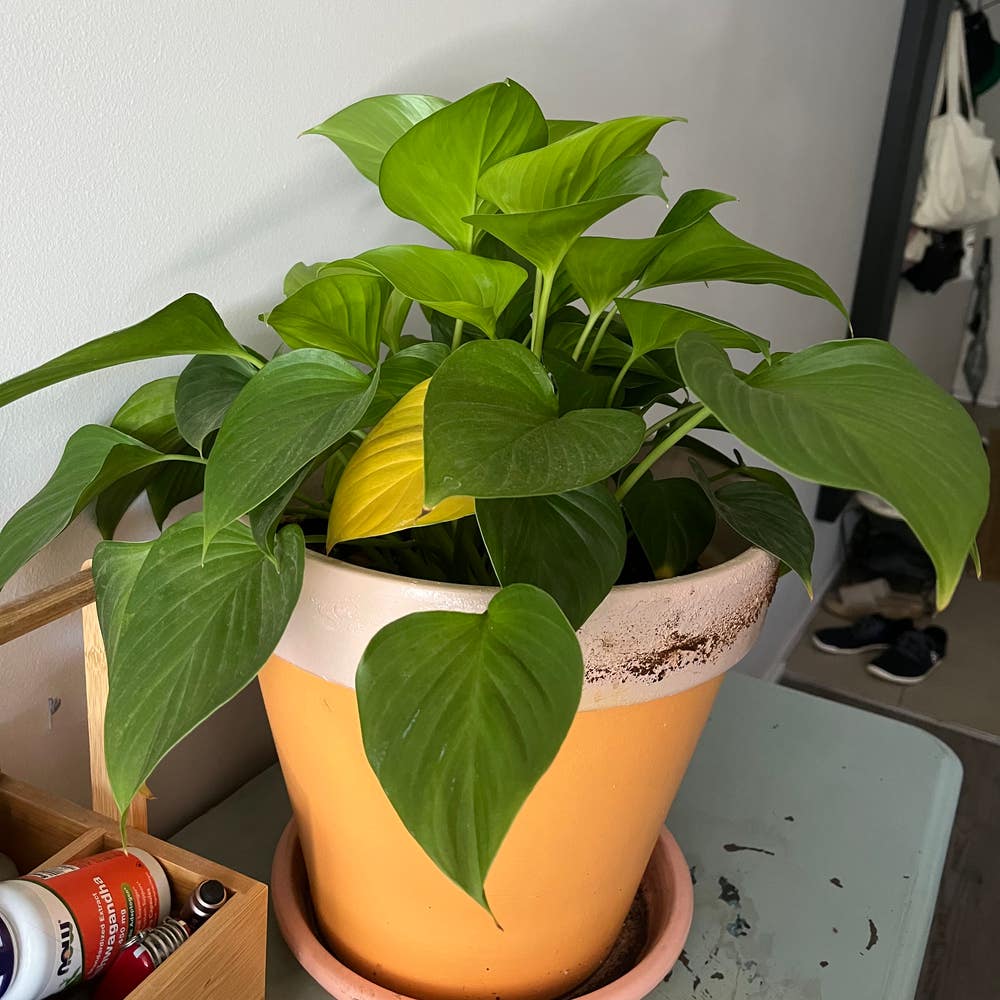
What You Should Know About Homalomena josefii
Homalomena josefii
By the Greg Editorial Team
Feb 26, 2025•12 min read
This article was created with the help of AI so we can cover more plants for you. May contain errors. See one? Report it here.
Elevate your home with the beautiful, low-maintenance Homalomena josefii that purifies the air and thrives effortlessly! 🌱
- 🌱 Homalomena josefii thrives in bright, indirect light and humid conditions for optimal growth.
- 💧 Water when the top inch of soil is dry to prevent root rot.
- 🐾 Non-toxic to pets, but large amounts may cause mild gastrointestinal upset.
How to Grow
Choosing a Location 🌍
For your Homalomena josefii, the right location is crucial. Indoors, aim for bright, indirect light while keeping it away from harsh, direct sunlight.
Outdoors, these plants thrive in shaded areas with high humidity. This combination helps them flourish and maintain their vibrant foliage.
Soil Preparation 🪴
Soil quality plays a significant role in the health of your plant. Use a well-draining mix that is rich in organic matter to promote healthy growth.
The ideal soil pH for Homalomena josefii ranges from slightly acidic to neutral, specifically between 6.0 and 7.0. This balance ensures optimal nutrient availability.
Planting Techniques 🌱
When planting, choose a container that is at least 6-8 inches in diameter for young plants. This size allows enough room for root development.
Ensure that the root ball is level with the soil surface when planting. This positioning helps prevent issues with water retention and promotes healthy growth.
Watering Requirements 💧
Water your Homalomena josefii when the top inch of soil feels dry to the touch. This practice helps maintain the right moisture balance.
Be cautious of waterlogging; ensure your pot has proper drainage to keep the roots healthy and prevent rot.
Fertilizing Schedule 🌿
During the growing season, fertilize your plant monthly with a balanced liquid fertilizer. This regular feeding supports robust growth and vibrant foliage.
Adjust your fertilization routine based on the plant’s response to ensure it gets the nutrients it needs.
Pruning Methods ✂️
Pruning is essential for maintaining the shape and health of your plant. Remove any yellow or damaged leaves as needed to encourage new growth.
The best time to prune is in spring or early summer when the plant is actively growing. This timing maximizes recovery and promotes a lush appearance.
Ongoing Care Tips 🔍
Regularly check humidity levels around your plant, aiming for 50-70% humidity. This range is ideal for keeping your Homalomena josefii happy and thriving.
Additionally, monitor for pests and diseases. Early intervention is key to preventing larger issues down the line, ensuring your plant remains healthy and vibrant.
With these tips, you're well on your way to nurturing a thriving Homalomena josefii. Next, let's explore how to propagate this beautiful plant!
Propagation
Division Method 🌱
Propagation through division is a rewarding way to expand your collection of Homalomena josefii. The best time to divide your plant is in spring when it’s actively growing.
- Timing: Spring is ideal for division.
- Tools: Grab some clean, sharp scissors or a knife to ensure a clean cut.
- Process: Carefully separate the root ball into sections, making sure each piece has both roots and leaves.
Stem Cuttings ✂️
If you prefer a simpler method, stem cuttings are a breeze and yield great results.
- Cutting Length: Aim for cuttings that are 4-6 inches long.
- Rooting Medium: Use a mix of peat and perlite for optimal rooting conditions.
- Care: Keep the medium moist and place it in a warm spot until roots develop.
With these propagation techniques, you can easily multiply your Homalomena josefii and share the beauty of this plant with friends or expand your indoor garden. Next, let’s explore the lifecycle of this fascinating plant and how it grows over time.
Lifecycle
Overview of Life Cycle Stages 🌱
Homalomena josefii is a perennial plant, thriving for several years with proper care. Its lifecycle is marked by distinct stages that contribute to its growth and development.
Germination Process 🌱
Seed germination for this plant typically takes 2-4 weeks under optimal conditions. Providing warmth and moisture is key to encouraging successful sprouting.
Seedling Stage 🌱
The seedling stage lasts until the plant develops 2-3 true leaves. During this time, it requires careful attention to ensure healthy growth.
Vegetative Growth 🌱
Rapid growth occurs during the warm months, making this phase crucial for establishing a robust plant. Adequate light and humidity will significantly enhance its growth rate.
Flowering and Seed Production 🌱
Flowering is rare in indoor conditions, as this plant typically blooms in its natural habitat. When it does flower, it can lead to seed production, although this is not common for indoor gardeners.
Growth Timeline and Lifespan 🌱
Homalomena josefii takes approximately 2-3 years to reach full size. With optimal conditions, its moderate growth rate can lead to faster development, rewarding patience with lush foliage.
This lifecycle overview highlights the importance of understanding each stage for successful cultivation. As we move forward, let's explore how to care for this beautiful plant effectively.
Size
Mature Height and Spread 🌱
Homalomena josefii typically reaches a mature height of 1 to 3 feet. Its spread can expand up to 2 feet wide, making it a lovely addition to any indoor space.
Growth Rate and Size Variability 📈
This plant has a moderate growth rate, which can be influenced by factors like light and humidity. Depending on the care it receives, its size may vary, so providing optimal conditions is key.
Impact of Growing Conditions on Size 🌍
Several factors affect the size of Homalomena josefii. Light exposure, humidity levels, and soil quality all play significant roles in determining how large and lush your plant will grow.
As you consider the size of your Homalomena, remember that creating the right environment will help it thrive. Next, let’s explore the fascinating root system that supports this beautiful plant.
Roots
Root System Characteristics 🌱
Homalomena josefii features a fibrous root system that supports its growth and stability. This type of root structure allows the plant to efficiently absorb nutrients and water from the soil.
Depth and Spread of Roots 🌍
The roots of this plant are generally shallow, spreading horizontally rather than deep. This characteristic makes it well-suited for pot cultivation, as it can thrive in limited soil depth.
Common Root-Related Issues ⚠️
One of the most common problems faced by Homalomena josefii is root rot, which occurs due to overwatering. To prevent this issue, ensure that your pot has proper drainage and avoid letting the plant sit in water.
Identifying Healthy vs. Unhealthy Roots 👀
Healthy roots are firm, white, and spread throughout the soil, indicating a thriving plant. In contrast, unhealthy roots appear dark, mushy, or emit a foul smell, signaling that something is wrong.
Recognizing Rootbound Plants 🔗
If you notice roots growing out of the drainage holes or circling the pot, your plant may be rootbound. The solution is simple: repot the plant into a larger container to give it more space to grow.
Understanding the root system of Homalomena josefii is crucial for its overall health. By monitoring root conditions and addressing any issues promptly, you can ensure your plant thrives beautifully.
Next, let's explore the benefits of having this stunning plant in your home.
Benefits
Top 5 Benefits 🌟
Air purification: Homalomena josefii is a champion at cleaning the air. It effectively removes toxins, making your indoor environment healthier.
Aesthetic appeal: With its lush, green foliage, this plant adds a touch of nature to any space. Its vibrant leaves can enhance your home decor effortlessly.
Low maintenance: If you're not a green thumb, this plant is for you. It requires minimal care compared to many other houseplants, making it perfect for busy lifestyles.
Humidity boost: Homalomena josefii thrives in humid conditions, which means it can help increase humidity levels in dry indoor environments. This is especially beneficial during winter months when indoor air tends to be drier.
Symbolism: In various cultures, this plant represents prosperity and good fortune. Having it in your home can be a lovely reminder of positive energy and abundance.
These benefits make Homalomena josefii not just a plant, but a valuable addition to your living space. Whether you're looking to improve air quality or simply want a beautiful green companion, this plant checks all the boxes.
Next, let’s explore the concept of companion planting and discover which plants thrive alongside Homalomena josefii.
Companion Plants
🌱 Concept of Companion Planting
Companion planting is all about creating a harmonious garden environment. By pairing plants that support each other, you can enhance biodiversity and improve pest management.
🌼 Best Companion Plants
When it comes to Homalomena josefii, consider these ideal companions:
- Ferns: They thrive in similar humidity and light conditions.
- Peace Lilies: These plants share care requirements and complement each other beautifully.
- Pothos: Known for their resilience, they can adapt to the same indoor environments.
🚫 Plants to Avoid
While some plants work well together, others can clash. Steer clear of:
- Cacti: They require much less water and can create an imbalance.
- Succulents: Like cacti, they thrive in drier conditions, which can be detrimental to your Homalomena.
Choosing the right companions not only boosts your plant's health but also creates a visually appealing indoor garden. With the right combinations, you can foster a thriving ecosystem right in your home.
Next, let’s explore the fascinating topic of toxicity and safety regarding Homalomena josefii for both humans and pets.
Toxicity to Humans
Homalomena josefii is generally considered safe for indoor environments. It is not listed as toxic by major poison control centers, making it a popular choice for homes.
While the plant poses minimal risk, there is a slight chance of mild skin irritation or digestive discomfort if ingested in large quantities.
Caution is always advised with any plant; it's wise to exercise care and seek medical advice if you experience any unusual symptoms after contact or consumption.
By being aware of these factors, you can enjoy the beauty of Homalomena josefii without unnecessary worry.
Toxicity to Dogs
Homalomena josefii is considered nontoxic to dogs, according to veterinary organizations. This means you can enjoy this beautiful plant without worrying about your furry friends getting sick.
However, if a dog consumes large quantities, it may experience mild gastrointestinal upset. To keep your pet safe, it's wise to place the plant out of reach and monitor any interactions closely.
By taking these simple precautions, you can create a harmonious environment where both your plants and pets thrive. Now, let's explore how to care for your Homalomena josefii to ensure it remains a vibrant part of your home!
Toxicity to Cats
Homalomena josefii is considered nontoxic to cats, according to major pet poison control centers. This means you can enjoy this beautiful plant without worrying about your feline friends getting sick.
However, if your cat consumes large quantities, mild gastrointestinal upset may occur. It's always a good idea to keep an eye on their behavior after they interact with the plant.
🐱 Tips for Cat Owners
To ensure your cat stays safe, position the plant where they can't easily access it. This simple step can help prevent any potential nibbling.
Additionally, observe your cat's behavior around the plant. If they show excessive interest, consider providing them with cat grass or other safe alternatives to satisfy their curiosity.
Problems
Common Problems 🌱
Caring for your Homalomena josefii can be rewarding, but it’s essential to be aware of common issues that may arise.
Incorrect Watering: Overwatering can lead to yellowing leaves, while underwatering results in wilting. Always check the soil moisture before watering to maintain a healthy balance.
Incorrect Light Conditions: Too much direct sunlight can cause leaf burn, while insufficient light may result in leggy growth. Aim for bright, indirect light to keep your plant thriving.
Incorrect Temperature: Cold drafts can stress your plant. The ideal temperature range is between 65°F to 80°F, so keep it cozy!
Diseases: Powdery mildew and root rot are common ailments. Prevention is key, so ensure proper care and monitor your plant regularly.
Leaf Issues: Scorching and yellowing leaves often indicate environmental stress. Adjust your care routine promptly to address these symptoms.
By staying vigilant and responsive to these potential problems, you can ensure your Homalomena josefii remains healthy and vibrant. Next, let’s explore the pest issues that may affect your plant.
Bugs
🐞 Potential Pest Issues
While Homalomena josefii is moderately resistant to pests, it can still fall victim to a few common nuisances. Keeping an eye on your plant is essential to catch any issues early.
🔍 Identification of Pests
The most frequent pests that may invade your Homalomena include spider mites, mealybugs, and aphids. Each of these pests can cause significant damage if not addressed promptly.
⚠️ Damage Caused by Pests
Signs of pest infestations often manifest as yellowing leaves, webbing, or a sticky residue on the foliage. If you notice these symptoms, it's time to take action.
🧴 Treatment Options
To combat these pests, consider using neem oil or insecticidal soap, both of which are effective and relatively safe. Regular monitoring of your plant will help you catch any problems before they escalate, ensuring your Homalomena remains healthy and vibrant.
By staying vigilant and proactive, you can protect your plant from these pesky invaders. Next, let’s explore what animals might pose a threat to your Homalomena and how to deter them effectively.
What Eats
🦌 Common Animals That May Damage
When it comes to your Homalomena josefii, several animals might pose a threat. Deer, rabbits, and rodents are the usual suspects that can munch on your beloved plant.
👀 Signs of Animal Presence
Keep an eye out for signs that these critters are around. Chewed leaves, droppings, and tracks can all indicate that your plant has become a snack for local wildlife.
⚠️ Damage Caused by Animals
The damage can vary, but it typically involves browsing on leaves or even uprooting the plant entirely. This can lead to stunted growth or, in severe cases, the death of your Homalomena.
🚫 Deterrent Methods
To protect your plant, consider implementing a few deterrent methods. Fencing, using repellents, and employing companion planting strategies can help keep these hungry animals at bay.
By taking these precautions, you can ensure your Homalomena thrives without the threat of being dined upon. Now that you know how to protect your plant, let’s explore some common problems that may arise in its care.
⚠️ Safety First
This content is for general information and may contain errors, omissions, or outdated details. It is not medical, veterinary advice, or an endorsement of therapeutic claims.
Always consult a qualified healthcare professional before using any plant as food, medicine, or supplement.
Never eat any plant (or feed one to pets) without confirming its identity with at least two trusted sources.
If you suspect poisoning, call Poison Control (800) 222-1222, the Pet Poison Helpline (800) 213-6680, or your local emergency service immediately.
Spotted an error? Please report it here.
Nurture your Homalomena josefii to thrive beautifully 🌿 with Greg's tailored care tips and reminders, ensuring your indoor garden flourishes while improving air quality!