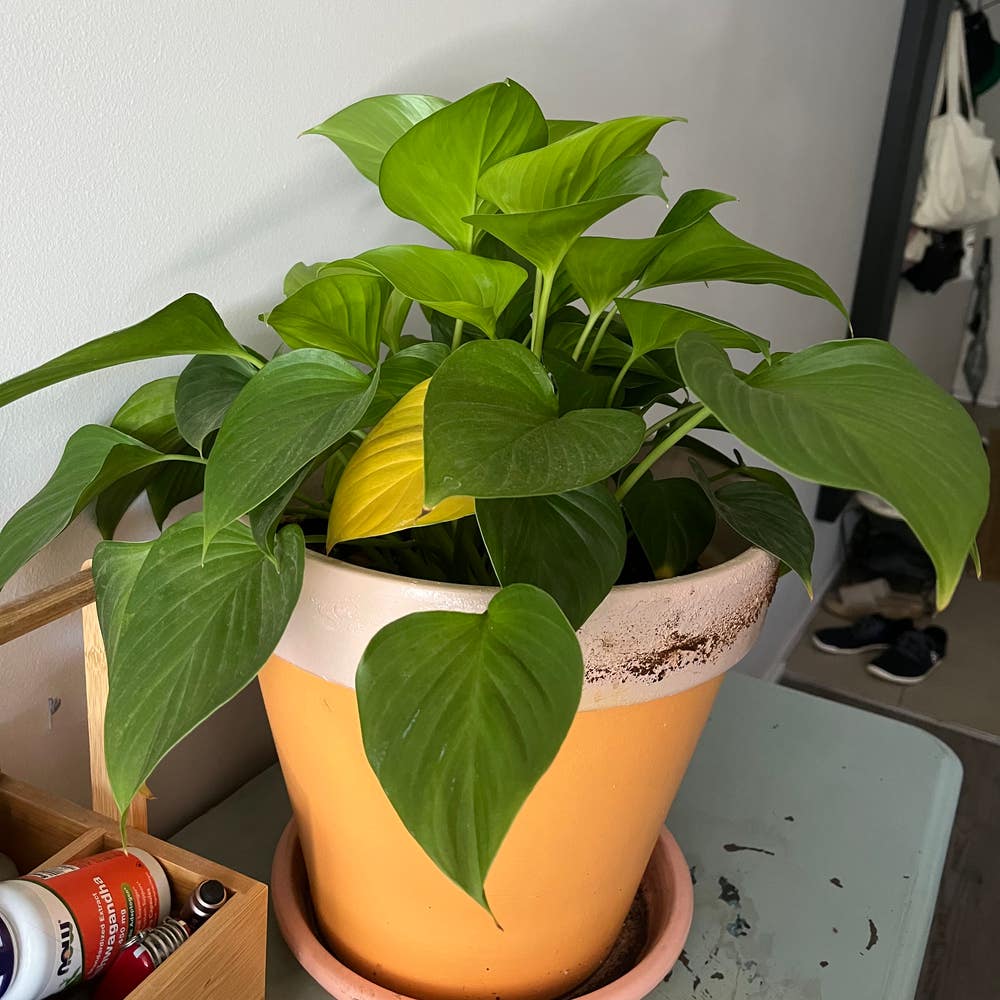
What You Should Know About Homalomena jacobsiana 🌺
Homalomena jacobsiana
By the Greg Editorial Team
Feb 27, 2025•12 min read
This article was created with the help of AI so we can cover more plants for you. May contain errors. See one? Report it here.
Elevate your home decor and air quality with the stunning Homalomena jacobsiana! 🌿✨
- 🌞 Homalomena jacobsiana thrives in bright, indirect sunlight to avoid leaf scorching.
- 💧 Keep soil consistently moist but avoid overwatering to prevent yellowing leaves and root rot.
- 🌿 This plant purifies air while being low maintenance, perfect for beginners!
How to Grow
🌞 Choosing a Location
To thrive, Homalomena jacobsiana prefers bright, indirect sunlight. Direct exposure can scorch its leaves, so find a spot that mimics its natural warm, humid Southeast Asian habitat.
🌱 Soil Preparation
Use a well-draining potting mix enriched with organic matter for optimal growth. Aim for a pH level between 6.0 and 7.0, which is slightly acidic to neutral.
🌿 Planting Techniques
When planting, choose a container that is at least 6-8 inches in diameter for young plants. Ensure the root ball is level with the soil surface to promote healthy growth.
💧 Watering Requirements
Keep the soil consistently moist, but avoid waterlogging. Watch for signs of overwatering, like yellowing leaves, or underwatering, which may cause wilting.
🌼 Fertilizing Schedule
During the growing season, use a balanced, water-soluble fertilizer. Apply it every 4-6 weeks to provide essential nutrients.
✂️ Pruning Methods
Prune during the active growth phase to encourage bushiness. Focus on removing yellowing leaves and any leggy growth to maintain a healthy appearance.
🌬️ Ongoing Care Tips
Homalomena jacobsiana thrives in high humidity levels, ideally between 50-70%. Regularly clean the leaves to prevent dust buildup, ensuring the plant can photosynthesize effectively.
With these care tips, you'll set your Homalomena jacobsiana up for success, creating a lush and vibrant addition to your indoor space. Next, let’s explore how to propagate this beautiful plant!
Propagation
Division Method 🌱
Spring is the perfect time for propagating your Homalomena jacobsiana through division. During repotting, carefully separate the root clumps and replant them in fresh soil.
Stem Cuttings ✂️
For stem cuttings, aim for a length of 4-6 inches, ensuring each cutting has at least one node. You can root these cuttings in either water or soil, but remember to maintain high humidity for the best results.
Offsets 🌿
Offsets are small plants that emerge from the base of the main plant. To propagate via offsets, gently remove them and replant them in suitable soil, ensuring they have enough space to grow.
This propagation process not only helps you expand your plant collection but also keeps your Homalomena healthy and thriving. Next, let’s explore the lifecycle of this fascinating plant.
Lifecycle
Overview of Lifecycle Stages 🌱
Homalomena jacobsiana is classified as a perennial plant, meaning it has a long lifespan and can thrive for many years with proper care. This resilience makes it a popular choice for indoor gardening enthusiasts.
Germination Process 🌱
The germination process for Homalomena jacobsiana seeds typically takes about 2 to 4 weeks. During this time, the seeds absorb moisture and begin to sprout, laying the foundation for future growth.
Seedling Stage 🌱
Once germinated, the seedling stage lasts around 4 to 6 weeks. During this period, the plant develops its first true leaves, signaling that it is ready for more light and care.
Vegetative Growth 🌱
Following the seedling stage, the plant enters vegetative growth, which can last several months. This is when it focuses on growing leaves and stems, establishing a robust structure before maturing.
Flowering and Seed Production 🌱
Flowering in Homalomena jacobsiana is infrequent in cultivation and usually occurs only under ideal conditions. When it does flower, it can produce seeds, contributing to the plant's lifecycle.
Growth Timeline and Speed 🌱
The time it takes for Homalomena jacobsiana to reach full maturity is approximately 1 to 2 years. Its growth rate is moderate, influenced by factors such as light, humidity, and overall care conditions.
This lifecycle overview highlights the resilience and adaptability of Homalomena jacobsiana, making it a rewarding plant for both novice and experienced gardeners. Next, we will explore the size of this fascinating plant and what to expect as it grows.
Size
Mature Height and Spread 🌱
Homalomena jacobsiana typically reaches a height of 1 to 3 feet and spreads about 1 to 2 feet wide. This makes it a versatile choice for both small and larger indoor spaces.
Growth Rate Specifics 📈
Under optimal conditions, you can expect this plant to grow at an average rate of 6 to 12 inches per year. With the right care, it can quickly become a striking feature in your home.
Size Variability Based on Conditions 🌦️
The size of your Homalomena jacobsiana can vary significantly based on several factors. Light levels, humidity, and soil quality all play crucial roles in determining how tall and wide your plant will grow.
Inadequate light may stunt its growth, while high humidity and rich soil can promote lush, vigorous development. Understanding these variables can help you create the ideal environment for your plant to thrive.
As you nurture your Homalomena, keep an eye on these conditions to ensure it reaches its full potential. This attention to detail will reward you with a beautiful, healthy plant that enhances your living space.
Next, let’s explore the fascinating lifecycle of Homalomena jacobsiana and how it develops from seed to maturity.
Roots
Root System Characteristics 🌱
Homalomena jacobsiana features a fibrous root system that provides excellent stability and efficient nutrient uptake. This robust structure is essential for the plant's overall health and growth.
Depth and Spread of Roots 📏
Typically, the roots extend to a depth of 12-18 inches while spreading laterally. This expansive root network allows the plant to access moisture and nutrients from a larger soil area.
Common Root-Related Issues ⚠️
One of the most common problems faced by this plant is root rot, which occurs due to overwatering. This condition leads to mushy roots, ultimately jeopardizing the plant's health.
Identifying Healthy vs. Unhealthy Roots 🔍
Healthy roots are firm, white, and spread evenly throughout the soil. In contrast, unhealthy roots appear brown, mushy, or may emit a foul smell, indicating a serious issue.
Recognizing Rootbound Plants 🪴
Signs of a rootbound plant include stunted growth and roots visibly growing out of the drainage holes. If you notice these symptoms, it's time to repot the plant into a larger container to give it room to thrive.
Understanding the root system of Homalomena jacobsiana is crucial for its care. By keeping an eye on root health, you can ensure your plant remains vibrant and flourishing. Next, let's explore the benefits this beautiful plant brings to your home.
Benefits
Top 5 Benefits 🌟
1. Air Purification
Homalomena jacobsiana is a natural air purifier. It effectively removes toxins from indoor air, helping create a healthier living environment.
2. Aesthetic Appeal
With its lush, attractive foliage, this plant enhances any interior decor. Its vibrant leaves can bring life to any room, making it a popular choice among plant enthusiasts.
3. Low Maintenance
This plant is perfect for beginners and busy individuals. Its low maintenance requirements mean you can enjoy its beauty without constant care.
4. Humidity Regulation
Homalomena jacobsiana contributes to indoor humidity levels. This is especially beneficial in dry environments, helping to create a more comfortable atmosphere.
5. Cultural Significance
In Southeast Asian traditions, this plant holds beauty and symbolism. It is often valued for its aesthetic qualities and is a cherished part of many households.
These benefits make Homalomena jacobsiana a fantastic addition to any home. Whether you're looking to improve air quality or simply add a touch of greenery, this plant has you covered.
Next, let's explore the concept of companion planting and discover which plants thrive alongside Homalomena jacobsiana.
Companion Plants
🌱 Concept of Companion Planting
Companion planting is a gardening strategy that enhances biodiversity, promotes pest management, and boosts overall plant health. By pairing compatible plants, you can create a thriving ecosystem that benefits all involved.
🌼 Best Companion Plants
For Homalomena jacobsiana, consider these excellent companions:
- Peace Lily: Shares similar humidity and light requirements, making it a perfect match.
- Pothos: Thrives in similar conditions and adds lush greenery to your space.
- Ferns: These plants enjoy the same humid environment and can complement the aesthetic beautifully.
🚫 Plants to Avoid
While some plants thrive alongside Homalomena jacobsiana, others do not. Avoid pairing it with:
- Cacti: They require significantly less water and thrive in dry conditions.
- Succulents: Like cacti, they prefer drier soil and can compete for moisture.
By choosing the right companions, you can enhance the beauty and health of your Homalomena jacobsiana while ensuring a harmonious garden environment. Next, let's explore the potential toxicity of this plant to humans, dogs, and cats.
Toxicity to Humans
Toxic Parts 🥴
Homalomena jacobsiana is not just a pretty face; its leaves and sap contain harmful compounds. Handling this plant requires caution to avoid any adverse effects.
Symptoms of Poisoning 🤢
If ingested or improperly handled, symptoms of poisoning can manifest as nausea, vomiting, diarrhea, and abdominal pain. These reactions can be quite uncomfortable and should not be taken lightly.
How Poisoning Can Occur ⚠️
Poisoning can occur through two main routes: ingestion of the plant parts or exposure to its sap. It's essential to be mindful, especially in households with children or pets.
When to Seek Medical Care 🚑
If you experience any symptoms after exposure or ingestion, seek immediate medical care. It's always better to err on the side of caution when it comes to potential poisoning.
Understanding the toxicity of Homalomena jacobsiana is crucial for safe handling and care. Next, let’s explore how this plant can affect our furry friends, particularly dogs.
Toxicity to Dogs
Toxic Parts 🐶
The leaves and sap of Homalomena jacobsiana are harmful to dogs. It's crucial to be aware of these toxic components to keep your furry friends safe.
Symptoms of Poisoning 🤢
If a dog ingests any part of this plant, symptoms may include drooling, vomiting, diarrhea, and weakness. These signs can vary in severity, so monitoring your pet is essential.
How Poisoning Can Occur 🚫
Poisoning can happen through ingestion of the plant material or exposure to the sap. Even a curious sniff can lead to trouble if they decide to take a bite.
Prevention Measures 🛡️
To prevent poisoning, supervise your dog during outdoor time and remove the plant from accessible areas. Keeping Homalomena jacobsiana out of reach is a simple yet effective way to protect your pet.
By taking these precautions, you can enjoy your beautiful plant while ensuring your dog's safety. Next, let's explore how this plant can affect cats.
Toxicity to Cats
🐱 Toxic Parts
Homalomena jacobsiana can be harmful to cats, particularly its leaves and sap. These parts contain compounds that can lead to adverse reactions if ingested.
🤢 Symptoms of Poisoning
If a cat comes into contact with or consumes the plant, symptoms may include drooling, vomiting, diarrhea, and weakness. It's crucial to monitor your feline friend for these signs if they have access to the plant.
⚠️ How Poisoning Can Occur
Poisoning can happen through ingestion of the plant material or exposure to the sap. Cats are naturally curious, so they might nibble on the leaves or brush against the sap.
🛡️ Prevention Measures
To keep your cat safe, consider keeping them indoors and supervising their outdoor time. Additionally, placing the plant in an area that is out of reach can help prevent any accidental encounters.
By taking these precautions, you can enjoy your Homalomena jacobsiana while ensuring your furry companion stays healthy and safe.
Problems
Common Problems Faced 🌱
Homalomena jacobsiana, while a resilient plant, can encounter several common issues that may affect its health. Understanding these problems is crucial for maintaining a thriving plant.
Identifying Unhealthy Plants 🧐
Look for signs of distress, such as yellowing leaves, wilting, or stunted growth. These symptoms often indicate that your plant is struggling and needs immediate attention.
Solutions for Top 5 Issues 🛠️
- Overwatering: Adjust your watering schedule and improve drainage to prevent root rot.
- Underwatering: Increase the frequency of watering and monitor soil moisture closely.
- Incorrect light conditions: Relocate your plant to a spot with suitable light exposure to enhance its growth.
- Diseases: Treat any diseases with appropriate fungicides or adopt better cultural practices.
- Leaf issues: Adjust humidity levels and inspect for pests that may be causing damage.
By addressing these common problems promptly, you can ensure your Homalomena jacobsiana remains healthy and vibrant. Next, let’s explore the potential pest issues that could threaten your plant's well-being.
Bugs
🐜 Potential Pest Issues
Homalomena jacobsiana, while generally resilient, can face pest challenges. Understanding its susceptibility helps in maintaining a healthy plant.
🔍 Identification of Pests
Common pests that may invade include:
- Spider Mites: Tiny, often invisible, these pests create fine webbing on leaves.
- Mealybugs: White, cottony masses that cluster on stems and leaf joints.
- Aphids: Small, green or black insects that suck sap from the plant.
⚠️ Damage Caused by Pests
Pests can cause noticeable damage, leading to:
- Leaf Discoloration: Yellowing or browning of leaves.
- Webbing: Fine webs, particularly from spider mites.
- Sticky Residue: A sugary substance left behind, often attracting further pests.
🛠️ Treatment Options for Pests
To combat these pests, consider the following methods:
- Insecticidal Soap: A safe option that suffocates pests on contact.
- Neem Oil: A natural pesticide that disrupts pest life cycles.
- Manual Removal: Wiping leaves with a damp cloth can help eliminate pests.
By staying vigilant and addressing pest issues promptly, you can keep your Homalomena jacobsiana thriving. Next, let's explore the common problems that may arise with this beautiful plant.
What Eats
Common Animals That May Eat or Damage the Plant 🦌
Homalomena jacobsiana can attract a variety of hungry critters. Common culprits include deer, rabbits, squirrels, and birds, all of which may find your plant a tasty treat.
Signs of Animal Presence 🐾
Keep an eye out for telltale signs of these visitors. Chewed leaves, droppings, and tracks around your plant can indicate that animals are munching on your Homalomena.
Damage Description 🥴
The damage caused by these animals can be quite noticeable. You might see leaf loss, which can affect the plant's overall health, or stunted growth as the plant struggles to recover from the nibbling.
Deterrent Methods 🚧
To protect your plant, consider implementing a few deterrent strategies. Fencing can create a physical barrier, while repellents can discourage animals from approaching. Additionally, companion planting can help by attracting beneficial insects or plants that deter these hungry animals.
By taking these precautions, you can help ensure your Homalomena jacobsiana thrives without the threat of being eaten!
⚠️ Safety First
This content is for general information and may contain errors, omissions, or outdated details. It is not medical, veterinary advice, or an endorsement of therapeutic claims.
Always consult a qualified healthcare professional before using any plant as food, medicine, or supplement.
Never eat any plant (or feed one to pets) without confirming its identity with at least two trusted sources.
If you suspect poisoning, call Poison Control (800) 222-1222, the Pet Poison Helpline (800) 213-6680, or your local emergency service immediately.
Spotted an error? Please report it here.
Nurture your Homalomena jacobsiana to thrive beautifully 🌱 with Greg's tailored care reminders and expert tips that take the guesswork out of plant parenting!