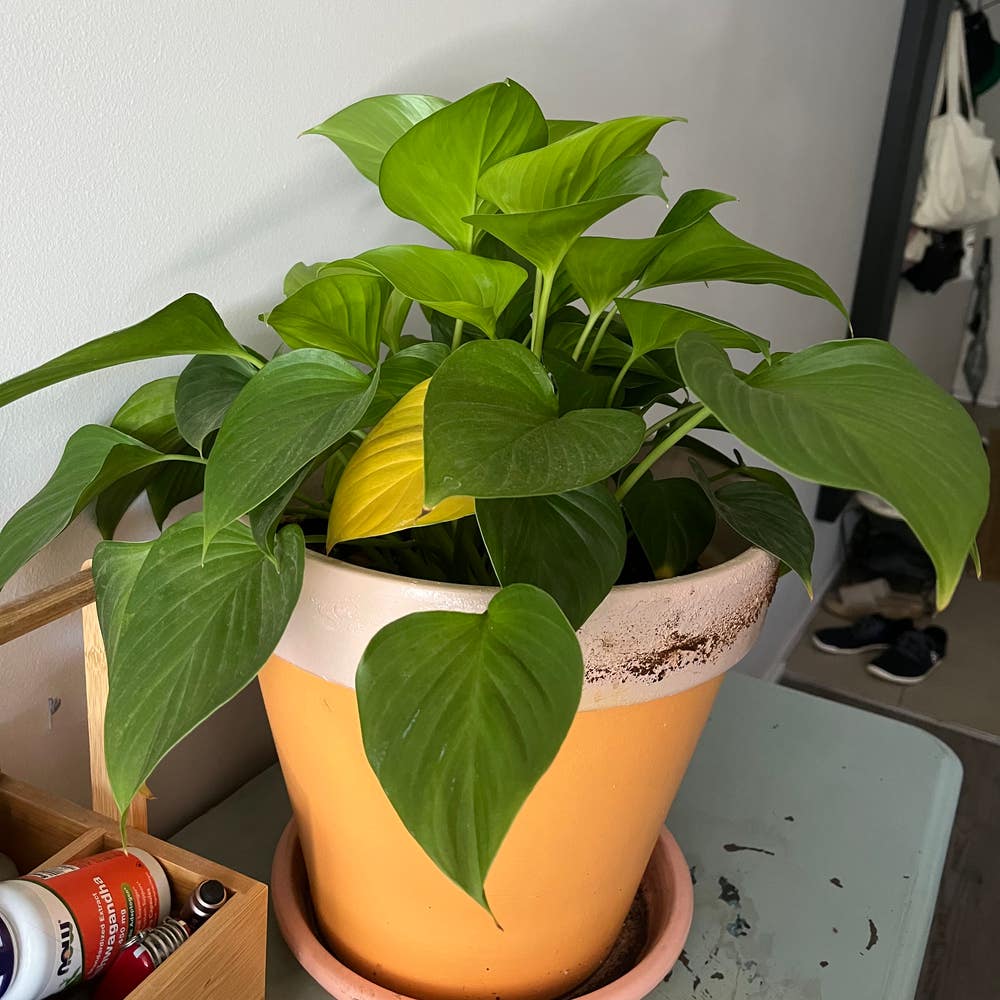
Ultimate Guide to Homalomena humilis 🌸
Homalomena humilis
By the Greg Editorial Team
Jan 29, 2025•11 min read
This article was created with the help of AI so we can cover more plants for you. May contain errors. See one? Report it here.
Elevate your indoor garden with the lush beauty and air-purifying power of Homalomena humilis! 🌿✨
- 🌱 Homalomena humilis thrives in high humidity and low to medium indirect light.
- 🌡️ Ideal temperature range is 18°C to 27°C (65°F to 80°F) for optimal growth.
- 💧 Water when top inch is dry to prevent yellowing leaves and root rot.
How to Grow
Choosing a Location 🌍
To thrive, Homalomena humilis prefers low to medium indirect light. Aim for a temperature range of 18°C to 27°C (65°F to 80°F) and ensure high humidity levels of 60% or more for optimal growth.
Soil Preparation 🪴
For soil, select a well-draining potting mix enriched with organic matter. The ideal pH level should be slightly acidic to neutral, ranging from 6.0 to 7.0.
Planting Techniques 🌱
When planting, choose a container that is at least 6-8 inches in diameter. Ensure the crown of the plant is level with the soil surface to promote healthy growth.
Watering Requirements 💧
Water your Homalomena when the top inch of soil feels dry to the touch. Be cautious of overwatering; yellowing leaves and mushy roots are telltale signs.
Fertilizing Schedule 🌿
Use a balanced liquid fertilizer with an NPK ratio of 20-20-20. Fertilize every 4-6 weeks during the growing season to keep your plant nourished.
Pruning Methods ✂️
Prune your plant by removing any dead or yellowing leaves as needed. Utilize clean, sharp scissors or pruning shears to avoid damaging the plant.
Ongoing Care Tips 🔍
Regularly inspect your plant for pests and diseases to catch issues early. Rotating the plant occasionally can also promote even growth and prevent leaning.
With these care tips, your Homalomena humilis will flourish, bringing lush greenery to your space. Next, let’s dive into propagation methods to expand your plant collection!
Propagation
Division Method 🌱
Propagation through division is a straightforward way to multiply your Homalomena humilis.
- Carefully remove the plant from its pot. This step is crucial to avoid damaging the roots.
- Separate the rhizomes, ensuring each division has roots. This ensures that each new plant can thrive independently.
- Replant in suitable soil. Use a well-draining potting mix to give your new plants the best start.
Stem Cuttings ✂️
Stem cuttings are another effective method for propagation.
- Select healthy stems with at least one node. This is where new growth will emerge.
- Cut the stem below the node and place it in water or soil. Both methods can be effective, so choose what works best for you.
- Wait for roots to develop (2-4 weeks). Keep an eye on your cuttings, and soon you'll see new roots forming.
With these propagation techniques, you can easily expand your collection of Homalomena humilis. Whether you choose division or stem cuttings, both methods are rewarding and can lead to a thriving indoor garden.
Lifecycle
Overview of Life Cycle Stages 🌱
Homalomena humilis is a perennial plant that goes through several distinct stages in its life cycle. These stHomalomena humilisnation, seedling development, vegetative growth, flowering, and seed production.
The germination phase typically takes 2-4 weeks under optimal conditions. Following this, the seedling stage lasts about 4-6 weeks until the plant develops true leaves.
During vegetative growth, which can last 6-12 months, the plant focuses on building its structure and foliage. If conditions are right, flowering will occur, leading to seed production.
Lifespan and Growth Timeline ⏳
With proper care, Homalomena humilis can enjoy a lifespan of 5-10 years.
It generally takes about 1-2 years for the plant to reach full maturity, depending on the growing conditions. This timeline highlights the importance of providing the right environment for optimal growth and longevity.
Understanding these life cycle stages can help you nurture your plant effectively, ensuring it thrives for years to come.
Size
Mature Height and Spread 🌱
Homalomena humilis typically reaches a mature height of 12 to 24 inches (30 to 60 cm). Its spread can range from 12 to 18 inches (30 to 45 cm), making it a lovely addition to any indoor space.
Growth Rate and Size Variability 📈
This plant has a moderate growth rate, which can vary based on environmental conditions. Factors such as light, water, and soil quality significantly influence its size, soHomalomena humilis care is essential.
Impact of Growing Conditions on Size 🌍
When grown in optimal conditions, you can expect fuller and larger plants. Conversely, poor care can stunt growth and lead to smaller, less vibrant specimens.
By understanding these size dynamics, you can better appreciate how to cultivate a thriving Homalomena humilis. Next, let’s explore the fascinating world of its roots and how they contribute to the plant's overall health.
Roots
🌱 Root System Characteristics
Homalomena humilis features a rhizomatous root system, which allows it to spread effectively. This characteristic helps the plant thrive in various conditions, making it a resilient choice for indoor gardening.
📏 Depth and Spread of Roots
The roots of this plant are typically shallow, spreading horizontally rather than deep. This shallow root structure makes it essential to provide adequHomalomena humilisn the pot for optimal growth.
⚠️ Common Root-Related Issues
One of the most common issues with Homalomena humilis is root rot, often caused by overwatering. To prevent this, ensure that your pot has proper drainage and avoid letting the plant sit in water.
👀 Identifying Healthy vs. Unhealthy Roots
Healthy roots are firm, white, and well-formed, indicating a thriving plant. In contrast, unhealthy roots appear brown, mushy, or emit a foul smell, signaling that immediate action is needed.
🔒 Recognizing Rootbound Plants
If you notice roots growing out of the drainage holes or circling the pot, your plant may be rootbound. The solution is simple: repot the plant into a larger container to give it room to grow.
Understanding the root system of your Homalomena humilis is crucial for its overall health and longevity. With proper care, you can ensure that your plant thrives and continues to bring beauty to your space.
Benefits
Top 5 Benefits 🌟
1. Air Purification
Homalomena humilis is a champion at cleaning the air. It effectively removes toxins, making your indoor environment healthier.
2. Aesthetic Appeal
This plant brings a touch of nature indoors. Its lush foliage adds vibrant greenery, enhancing the beauty of any space.
3. Low Maintenance
If you're looking for a plant that doesn't demand constant attention, this is it. Homalomena humilis thrives with minimal care, perfect for busy lifestyles.
4. Humidity Enhancement
This plant loves humidity and can help increase moisture levels in dry environments. It’s a natural humidifier, benefiting both the plant and your skin.
5. Symbolism
In many cultures, Homalomena humilis symbolizes prosperity and good fortune. Having one in your home can be a lovely reminder of positivity and abundance.
These benefits make Homalomena humilis not just a plant, but a valuable addition to your home. Whether you're after cleaner air or a touch of greenery, this plant has you covered.
Next, let’s explore the best companion plants that can thrive alongside your Homalomena humilis for an even more vibrant indoor garden.
CoHomalomena humilis# 🌱 Concept of Companion Planting
Companion planting is all about creating a harmonious garden environment. By pairing plants that support each other's growth, you can enhance overall health, manage pests, and boost biodiversity.
🌼 Best Companion Plants
Peace Lily: This plant shares similar care needs and thrives in high humidity, making it an excellent partner for Homalomena humilis.
Pothos: Known for its adaptability, Pothos flourishes in similar light conditions and adds a vibrant touch to your indoor space.
🚫 Plants to Avoid
- Cacti: These spiky friends prefer dry conditions and intense light, which can clash with the needs of your Homalomena. It's best to keep them apart to ensure both plants thrive.
By choosing the right companions, you can create a thriving indoor garden that not only looks great but also supports the health of your Homalomena humilis. Remember, the right plant pairings can make all the difference!
Toxicity to Humans
Homalomena humilis is generally considered safe for humans. It is not listed as toxic by major poison control centers, making it a great choice for indoor spaces.
However, there are potential minor issues to be aware of. Mild skin irritation or digestive discomfort can occur if the plant is consumed excessively, so it's wise to exercise caution.
Always remember,Homalomena humilist's best to seek medical advice if you experience unusual symptoms. This way, you can enjoy your plant without worry while keeping safety in mind.
As you nurture your Homalomena humilis, relish the beauty it brings to your home, knowing it's a safe companion for you and your loved ones.
Toxicity to Dogs
Homalomena humilis is generally safe for dogs, according to pet poison control centers. This means you can enjoy this beautiful plant without worrying too much about your furry friends.
However, if your dog decides to munch on it, there could be minor issues. Eating large quantities may lead to mild gastrointestinal upset, which is something to keep an eye on.
To prevent any potential problems, it's wise to place the plant out of reach. Regularly monitor your dog's behavior around the plant to ensure they aren't getting too curious.
In summary, while Homalomena humilis poses minimal risk to dogs, a little caution goes a long way in keeping your pets safe. Now, let’s explore how this plant interacts with our feline friends.
Toxicity to Cats
Homalomena humilis is generally safe for cats, as confirmed by pet poison control centers. This means you can enjoy the beauty of this plant without worrying about your feline friends.
However, if your cat decides to munch on a few leaves, there could be minor issues. You might notice mild gastrointestinal upset if they consume large quantities.
🐱 Tips for Cat Owners
To keep your cat safe, position the plant in areas that are hard for them to reach. Observing your cat's interactions with the plant can also help you gauge their interest and prevent any potential nibbling.
In summary, while Homalomena humilis poses no signifiHomalomena humilis to cats, it's always wise to monitor their behavior around houseplants. This way, you can ensure a harmonious coexistence between your greenery and your furry companions.
Next, let’s explore the common problems that can arise when caring for this plant.
Problems
Common Problems 🌱
Homalomena humilis can face several common issues that affect its health and growth.
- Incorrect watering: Overwatering can lead to root rot, while underwatering causes wilting.
- Incorrect light conditions: Insufficient light results in leggy growth, whereas too much light can scorch the leaves.
- Incorrect temperature: Exposure to cold drafts can stunt growth; maintaining ideal temperatures is crucial.
- Diseases: High humidity can lead to fungal issues like powdery mildew.
- Leaf issues: Yellowing leaves may indicate nutrient deficiencies or pest infestations.
Identifying Symptoms and Causes 🔍
Recognizing the signs of distress in your plant is essential for timely intervention.
Look for wilting leaves, discoloration, or unusual growth patterns to identify potential problems.
Solutions for Common Issues 🛠️
To keep your Homalomena humilis thriving, adjust your care routine based on the issues you observe.
- Watering: Ensure the soil dries out slightly between waterings to prevent root rot.
- Light exposure: Move the plant to a location with appropriate indirect light.
- Temperature: Keep the plant away from cold drafts and maintain a stable environment.
- Pest monitoring: Regularly check for pests and treat them promptly to avoid infestations.
By staying vigilant and responsive to your plant's needs, you can enjoy a healthy and vibrant Homalomena humilis.
Next, let’s explore the potential pest issues that may arise with this resilient plant.
Bugs
🐞 Potential Pest Issues
Homalomena humilis is generally pest-resistant, but it can still fall victim to a few specific pests. Keeping an eye out for these nuisances is essential for maintaining a healthy plant.
🔍 Identification and Damage
Spider Mites: Look for fine webbing and stippled leaves, which indicate these tiny pests are at work. They thrive in dry conditions and can quickly damage your plant if not addressed.
Mealybugs: These pests appear as cotton-like masses on leaves and stems. They suck the sap from your plant, leading to stunted growth and yellowing leaves.
🛠️ Effective Treatment Options
To combat these pests, consider using neem oil or insecticidal soap. Both options are effective and safe for your plant, helping to restore its health without harsh chemicals.
Regularly inspecting your Homalomena humilis will help you catch any pest issues early. This proactive approach ensures your plant remains vibrant and thriving.
What Eats
🦌 Common Animals
Homalomena humilis can attract a few curious critters. Deer, rabbits, and squirrels are known to nibble on its lush leaves, especially if other food sources are scarce.
👀 Signs of Animal Presence
Keep an eye out for signs of these munching marauders. Chewed leaves and droppings near your plant can indicate that animals have been enjoying a snack.
🚫 Deterrent Methods
To protect your plant, consider a few effective deterrent methods. Physical barriers, like fences or netting, can keep larger animals at bay. Additionally, using repellents or companion planting with less palatable species can help deter these hungry visitors.
By taking these precautions, you can ensure your Homalomena humilis thrives without unwanted visitors. Now, let’s explore how to keep your plant healthy and pest-free!
⚠️ Safety First
This content is for general information and may contain errors, omissions, or outdated details. It is not medical, veterinary advice, or an endorsement of therapeutic claims.
Always consult a qualified healthcare professional before using any plant as food, medicine, or supplement.
Never eat any plant (or feed one to pets) without confirming its identity with at least two trusted sources.
If you suspect poisoning, call Poison Control (800) 222-1222, the Pet Poison Helpline (800) 213-6680, or your local emergency service immediately.
Spotted an error? Please report it here.
Unlock the secret to a thriving Homalomena humilis 🌿 with Greg's tailored care reminders and expert tips, ensuring your plant flourishes beautifully in your home!