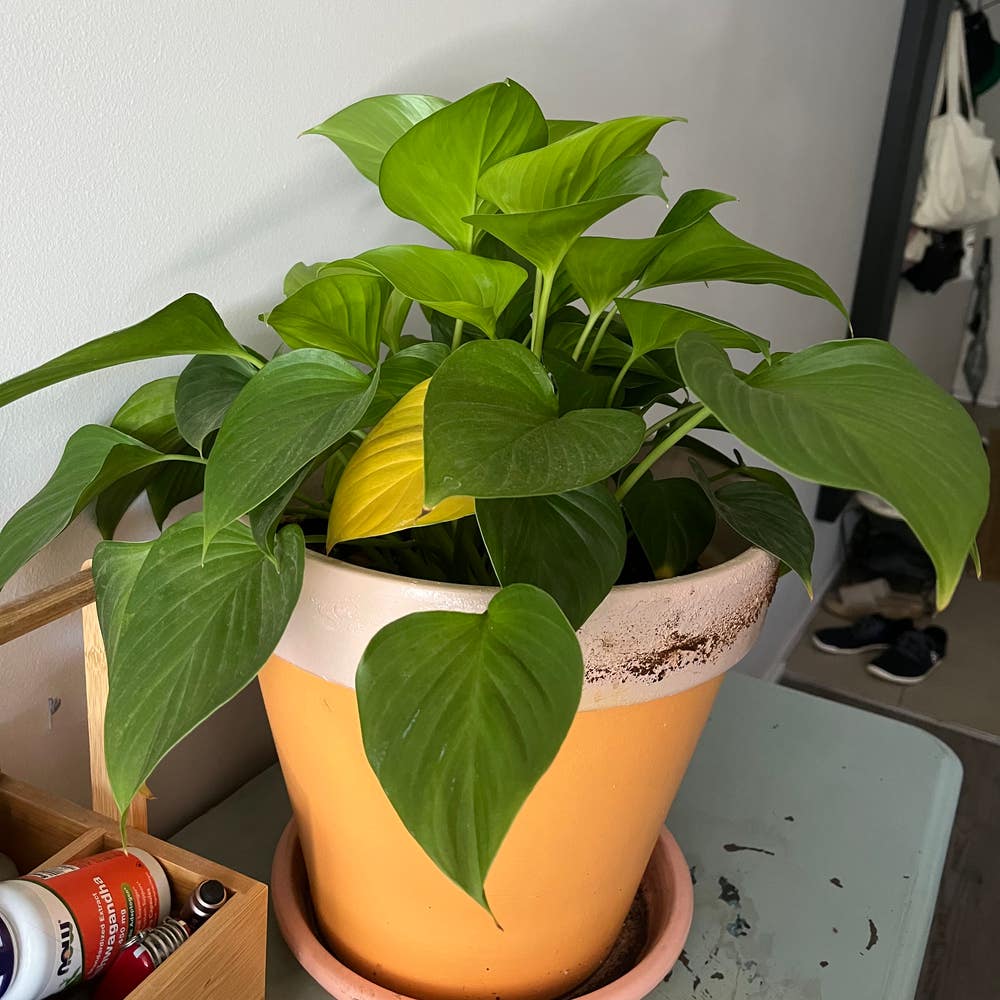
Ultimate Guide to Homalomena hooglandii 🌸
Homalomena hooglandii
By the Greg Editorial Team
Feb 27, 2025•12 min read
This article was created with the help of AI so we can cover more plants for you. May contain errors. See one? Report it here.
- 🌱 Homalomena hooglandii thrives in bright, indirect light; avoid direct sunlight to prevent scorch.
- 💧 Maintain humidity above 50% and water when top inch of soil is dry.
- 🌿 Prune in spring for bushier growth and remove yellowing leaves for optimal health.
How to Grow
🌞 Choosing a Location
To thrive, Homalomena hooglandii prefers bright, indirect light indoors. Avoid placing it in direct sunlight, as this can scorch its leaves.
Outdoors, seek shaded areas that offer high humidity. This environment mimics its natural habitat, promoting healthy growth.
🌱 Soil Preparation
For optimal growth, use well-draining soil rich in organic matter. This ensures the roots receive the necessary nutrients without becoming waterlogged.
Aim for a soil pH between 6.0 and 7.0, which is slightly acidic to neutral. This range supports the plant's nutrient uptake effectively.
🌿 Planting Techniques
When planting, choose a container that is at least 6-8 inches in diameter. This size allows ample space for the roots to expand.
Ensure the root ball is level with the soil surface during planting. This positioning helps prevent water from pooling around the roots.
💧 Watering Requirements
Water your Homalomena when the top inch of soil feels dry to the touch. This practice helps maintain moisture without overwatering.
Always ensure your pots have drainage holes. This prevents waterlogging, which can lead to root rot.
🌼 Fertilizing Schedule
Use a balanced liquid fertilizer, such as NPK 20-20-20, to nourish your plant. This formula provides essential nutrients for healthy growth.
Fertilize every 4-6 weeks during the growing season. This regular feeding supports robust development and vibrant foliage.
✂️ Pruning Methods
Prune your plant in spring to encourage bushier growth. This timing allows it to recover and flourish during the growing season.
Focus on removing yellowing leaves and trimming any leggy growth. This keeps the plant looking tidy and promotes new growth.
🌧️ Ongoing Care Tips
Maintain humidity levels above 50% for optimal health. Consider using a humidifier or placing a tray of water nearby to boost moisture.
Keep the temperature between 18°C to 27°C (65°F to 80°F). This range is ideal for promoting vigorous growth and overall vitality.
With these care tips, your Homalomena hooglandii will flourish, bringing beauty and life to your space. Next, let’s explore how to propagate this stunning plant effectively.
Propagation
🌱 Division Method
Propagation through division is a straightforward method for Homalomena hooglandii. The best time to do this is in spring when the plant is actively growing.
To divide, carefully separate the root ball into sections that include both roots and leaves. This method not only helps to create new plants but also rejuvenates the parent plant.
✂️ Stem Cuttings
Another effective propagation technique is using stem cuttings. For this method, cut a stem that is 4-6 inches long, ensuring it has at least a few leaves.
Use a rooting medium that combines perlite and peat moss for optimal results. Expect the cuttings to root in approximately 3-4 weeks, giving you new plants to enjoy.
🌿 Offsets
Offsets are the easiest way to propagate your Homalomena hooglandii. Look for small plants emerging at the base of the parent plant.
Once identified, gently twist off the offsets and replant them in suitable soil. This method is quick and rewarding, allowing you to expand your plant collection effortlessly.
With these propagation techniques, you can easily multiply your Homalomena hooglandii and share the beauty of this lush plant with friends and family. Next, let’s explore the lifecycle of this fascinating perennial.
Lifecycle
Life Cycle Stages 🌱
Homalomena hooglandii is a perennial plant that goes through several fascinating stages in its life cycle. These stages include germination, seedling development, vegetative growth, flowering, and seed production.
Germination Timeframe ⏳
Under optimal conditions, seeds typically germinate within 2-4 weeks. This quick turnaround is a sign of the plant's vitality and adaptability.
Lifespan and Maturity 🌿
With proper care, Homalomena hooglandii can live for several years. It usually takes about 2-3 years to reach maturity, rewarding your patience with lush foliage and vibrant growth.
As you nurture this plant through its lifecycle, you'll witness its transformation and growth, making it a truly rewarding experience. Next, let's explore how to effectively size and manage your Homalomena hooglandii for optimal growth.
Size
Mature Height and Spread 🌱
Homalomena hooglandii typically reaches an average height of 1 to 3 feet. Its spread can extend from 1 to 2 feet wide, making it a lovely addition to any indoor space.
Growth Habits and Rate 📈
This plant exhibits a moderate growth rate, capable of adding up to 12 inches in height each year under optimal conditions. Factors such as light, humidity, and soil quality play crucial roles in determining its overall size and health.
Maintaining the right environment can lead to impressive growth, so pay attention to these elements for the best results. With proper care, your Homalomena hooglandii can thrive and become a stunning centerpiece in your home.
Roots
🌱 Root System Characteristics
Homalomena hooglandii features a fibrous root system that is typically shallow and spreads horizontally. This structure allows the plant to efficiently absorb moisture and nutrients from the top layers of soil.
⚠️ Common Issues
One of the most common problems with this plant is root rot, which occurs due to overwatering. Healthy roots should be firm and white, while unhealthy roots will appear brown and mushy, signaling the need for immediate action.
🔒 Recognizing Rootbound Plants
If you notice roots growing out of the drainage holes, your plant may be rootbound. The solution is simple: repot it into a larger container with fresh soil to give it room to thrive.
Understanding the root system of your Homalomena hooglandii is crucial for its overall health. By keeping an eye on these characteristics and issues, you can ensure your plant remains vibrant and flourishing.
Next, let’s explore the benefits of having this beautiful plant in your home.
Benefits
Top 5 Benefits 🌟
Homalomena hooglandii offers a variety of benefits that make it a fantastic addition to any indoor space. Here are the top five reasons to consider this lush plant for your home or office.
Air Purification
One of the standout features of Homalomena hooglandii is its ability to purify the air. It effectively removes toxins, contributing to a healthier indoor environment.
Aesthetic Appeal
This plant adds a vibrant touch of greenery to your decor. Its lush foliage can brighten up any room, making it a stylish choice for plant lovers.
Low Light Tolerance
Homalomena hooglandii thrives in low-light conditions, making it perfect for spaces that don’t receive much natural light. This resilience allows you to enjoy greenery even in less-than-ideal lighting.
Humidity Enhancement
This plant helps increase humidity levels, which is especially beneficial in dry environments. By maintaining higher humidity, it can improve overall comfort in your living space.
Symbolism
Beyond its physical benefits, Homalomena hooglandii carries symbolic meanings of peace and tranquility in various cultures. Incorporating it into your home can foster a calming atmosphere.
Incorporating Homalomena hooglandii into your space not only enhances your environment but also contributes to your well-being. Next, we’ll explore the best companion plants to pair with this beauty for an even more vibrant indoor garden.
Companion Plants
Best Companions 🌿
When it comes to choosing companion plants for your Homalomena hooglandii, consider ferns, peace lilies, and pothos. These plants thrive under similar care conditions, making them perfect partners for your indoor garden.
On the flip side, steer clear of plants that demand full sun or have high water needs. Such companions can create competition for resources, leading to stress for your Homalomena.
Creating a Harmonious Environment 🌈
Pairing your Homalomena with compatible plants not only enhances aesthetics but also promotes a healthier growing environment. By selecting companions with similar humidity and light requirements, you can create a thriving indoor ecosystem.
Remember, the right companions can help maintain moisture levels and improve air quality, benefiting all plants involved. So, choose wisely to cultivate a lush, vibrant space that brings joy and tranquility to your home.
Transitioning to Care Tips 📝
Now that you know which plants to pair with your Homalomena, let’s dive into some ongoing care tips to ensure your plant remains healthy and vibrant.
Toxicity to Humans
Potential Irritants 🌿
Homalomena hooglandii can cause mild irritation due to its leaves and sap. Symptoms may include skin rashes, itching, and mild gastrointestinal upset.
Handling Precautions 🧤
To stay safe, always wear gloves when handling this plant. After touching it, wash your hands thoroughly to avoid any irritation.
When to Seek Medical Care 🚑
If symptoms persist or worsen, it’s wise to seek medical attention. Fortunately, most cases resolve on their own with proper care.
Final Thoughts 💭
Being aware of these potential irritants allows you to enjoy your Homalomena hooglandii without worry. With a little caution, you can appreciate its beauty while keeping irritation at bay.
Next, let’s explore how this plant can affect our furry friends.
Toxicity to Dogs
Potential Irritants 🐶
Homalomena hooglandii can be mildly irritating to dogs. The leaves and sap are the main culprits, potentially causing drooling, pawing at the mouth, and mild vomiting.
Handling Precautions ⚠️
To keep your furry friends safe, it's best to keep this plant out of their reach. If your dog does come into contact with it, wash their mouth and paws thoroughly.
When to Seek Veterinary Care 🏥
If your dog shows persistent symptoms or if their condition worsens, consult your veterinarian. Fortunately, Homalomena hooglandii is not considered severely toxic, so most cases resolve on their own with proper care.
Final Thoughts 💭
Being aware of the potential irritants in your home can help you create a safe environment for your pets. With a little caution, you can enjoy the beauty of this plant without worry.
Next, let’s explore how to keep your Homalomena hooglandii thriving with proper care and attention.
Toxicity to Cats
Potential Irritants 🐾
Homalomena hooglandii can be mildly irritating to cats, primarily due to its leaves and sap. If your feline friend takes a nibble, you might notice symptoms like drooling, pawing at their mouth, or mild vomiting.
Handling Precautions 🚫
To keep your curious cat safe, it's best to place this plant out of their reach. A little prevention goes a long way in ensuring a harmonious home.
When to Seek Veterinary Care 🩺
While the plant is not considered severely toxic, it's wise to monitor your pet. If symptoms persist or worsen, don't hesitate to consult your veterinarian for guidance.
Final Thoughts 💭
Understanding the potential irritants in your home can help you create a safe environment for your pets. With a little care, you can enjoy the beauty of Homalomena hooglandii without worry.
Problems
Common Issues 🌱
Maintaining a healthy Homalomena hooglandii can be tricky, but understanding common problems can help you keep your plant thriving. Here are the main issues to watch out for:
Incorrect Watering
Overwatering is a leading cause of root rot, while underwatering can lead to wilting. Always check the top inch of soil before watering to find the right balance.
Incorrect Light Conditions
Too much direct sunlight can scorch the leaves, causing unsightly brown patches. Aim for bright, indirect light to keep your plant happy and healthy.
Incorrect Temperature
Cold drafts can stunt growth and lead to stress in your plant. Keep your Homalomena in a stable environment with temperatures between 18°C to 27°C (65°F to 80°F).
Diseases
High humidity can sometimes lead to fungal issues like powdery mildew. Regularly inspect your plant for any signs of disease and ensure good air circulation.
Leaf Issues
Yellowing leaves often indicate nutrient deficiencies or improper care. Pay attention to your plant's needs and adjust your fertilizing routine accordingly.
By being aware of these common issues, you can take proactive steps to ensure your Homalomena hooglandii remains a vibrant addition to your home. Next, let’s explore the potential pest problems that can affect your plant.
Bugs
🐞 Potential Pest Issues
While Homalomena hooglandii is known for its moderate pest resistance, it can still fall victim to a few common pests. Keeping an eye out for spider mites, mealybugs, and aphids is essential for maintaining the health of your plant.
🔍 Identifying Pests
- Spider Mites: Look for fine webbing on leaves, especially in dry conditions.
- Mealybugs: These appear as white, cottony masses on stems and leaves.
- Aphids: Small green insects that cluster on new growth can be a nuisance.
⚠️ Damage Caused
Pests can lead to significant damage, including leaf discoloration and stunted growth. If left unchecked, they can severely impact your plant's vitality.
🧴 Treatment Options
To combat these pests, consider using insecticidal soap or neem oil. Both options are effective and safe for your plant, helping to restore its health without harsh chemicals.
🛡️ Prevention Tips
Regularly inspect your plant for signs of pests and maintain good air circulation. Keeping your Homalomena in optimal conditions will help minimize the risk of infestations.
With a little vigilance and care, you can keep your Homalomena hooglandii thriving and pest-free. Next, let’s explore what animals might be interested in snacking on your beloved plant.
What Eats
Common Animals 🦌
When it comes to your Homalomena hooglandii, several animals may take a liking to its lush foliage. Deer, rabbits, and squirrels are the main culprits that can cause significant damage.
Signs of Presence 👀
Keep an eye out for signs that these critters are around. Chewed leaves, droppings, and tracks can indicate their presence in your garden or home.
Types of Damage ⚠️
The damage from these animals can manifest as leaf loss and stunted growth. This can be frustrating, especially if you’ve put in the effort to care for your plant.
Deterrent Methods 🚧
To protect your plant, consider using physical barriers like fences or netting. Additionally, repellents can help keep these animals at bay, ensuring your Homalomena thrives without interruption.
By being proactive, you can enjoy the beauty of your plant while minimizing the risk of animal damage. Next, let’s explore the common problems that can affect your Homalomena and how to tackle them effectively.
⚠️ Safety First
This content is for general information and may contain errors, omissions, or outdated details. It is not medical, veterinary advice, or an endorsement of therapeutic claims.
Always consult a qualified healthcare professional before using any plant as food, medicine, or supplement.
Never eat any plant (or feed one to pets) without confirming its identity with at least two trusted sources.
If you suspect poisoning, call Poison Control (800) 222-1222, the Pet Poison Helpline (800) 213-6680, or your local emergency service immediately.
Spotted an error? Please report it here.
Nurture your Homalomena hooglandii to thrive beautifully 🌿 with Greg's tailored care reminders and expert tips that ensure your plant flourishes in your indoor garden!