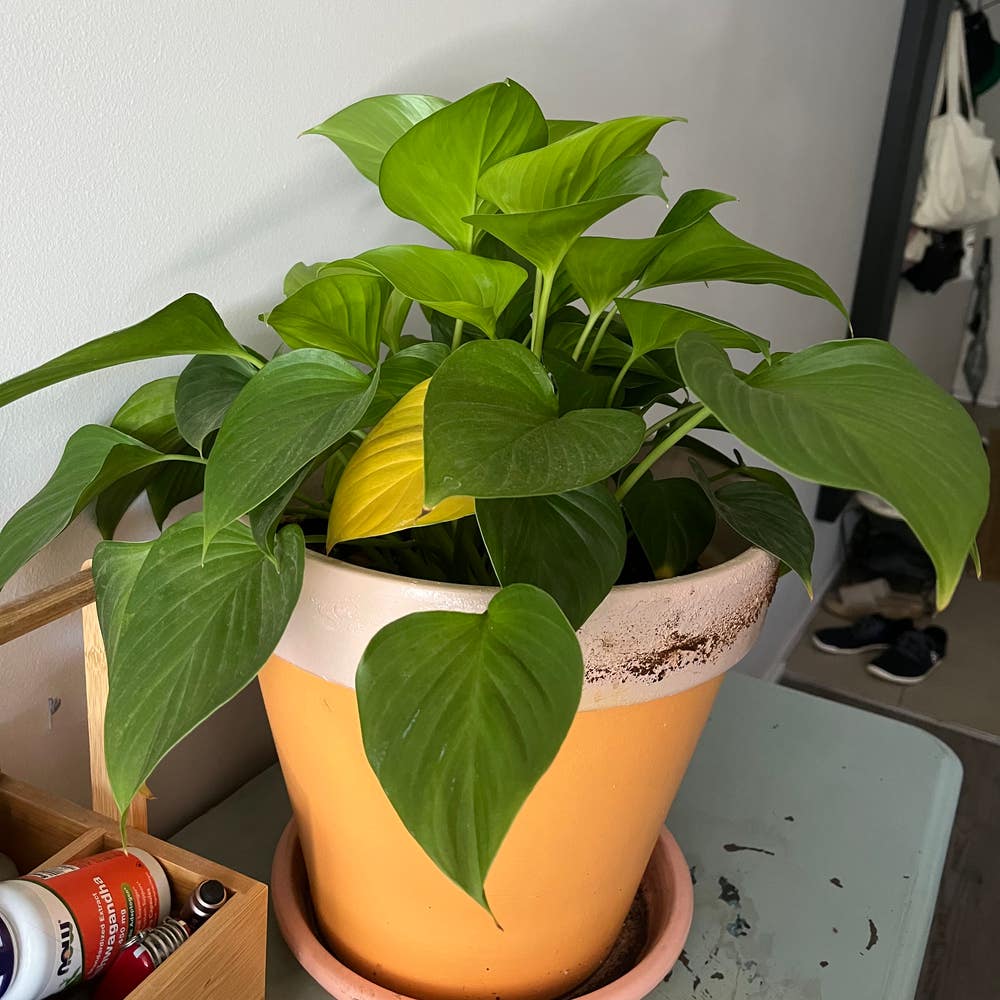
What You Should Know About Homalomena hendersonii 🪴
Homalomena hendersonii
By the Greg Editorial Team
Feb 27, 2025•12 min read
This article was created with the help of AI so we can cover more plants for you. May contain errors. See one? Report it here.
- 🌱 Homalomena hendersonii thrives in bright, indirect light; avoid direct sunlight to prevent leaf burn.
- 💧 Water when the top inch of soil is dry; watch for yellowing leaves as overwatering signs.
- 🌿 Low maintenance and air-purifying, making it perfect for busy plant lovers!
How to Grow
Choosing a Location 🌍
Finding the right spot for your Homalomena hendersonii is crucial. Indoors, aim for bright, indirect light and steer clear of direct sunlight to prevent leaf burn.
Outdoors, these plants thrive in shaded areas with high humidity. This environment mimics their natural habitat, ensuring they flourish.
Soil Preparation 🪴
Soil quality can make or break your plant's health. Opt for a well-draining mix rich in organic matter to provide essential nutrients.
Aim for a soil pH between 6.0 and 7.0, which is slightly acidic to neutral. This balance helps your plant absorb nutrients effectively.
Planting Techniques 🌱
When planting, choose a container that's at least 6-8 inches in diameter. This size allows for adequate root growth and stability.
Ensure the root ball is level with the soil surface during planting. This positioning promotes healthy growth and prevents waterlogging.
Watering Requirements 💧
Water your Homalomena when the top inch of soil feels dry. This practice helps maintain the right moisture levels without overwatering.
Watch for signs of overwatering, such as yellowing leaves and mushy roots. These symptoms indicate that adjustments are needed in your watering routine.
Fertilizing Schedule 🌿
During the growing season, use a balanced liquid fertilizer every 4-6 weeks. This feeding schedule supports robust growth and vibrant foliage.
Always dilute the fertilizer to half-strength to avoid fertilizer burn. This precaution ensures your plant receives nutrients without harm.
Pruning Methods ✂️
Pruning is essential for encouraging bushier growth. The best time to prune is in spring, as the plant begins its active growth phase.
Focus on removing yellow or damaged leaves at the base. This practice not only improves appearance but also promotes overall plant health.
Ongoing Care Tips 🌈
Maintaining humidity levels above 50% is vital for your plant's well-being. Consider using a humidifier or placing a tray of water nearby.
Keep temperatures between 18°C to 27°C (65°F to 80°F) for optimal growth. This temperature range mimics the plant's native tropical environment.
Outdoor vs. Container Growing 🏡
Growing in containers offers mobility and a controlled environment. This flexibility allows you to adjust conditions as needed.
If you choose outdoor planting, be mindful of extreme weather conditions. Protect your plant from harsh elements to ensure its longevity and health.
With these tips, you’re well on your way to nurturing a thriving Homalomena hendersonii. Next, let’s explore how to propagate this beautiful plant for even more greenery!
Propagation
Methods of Propagation 🌱
Propagating Homalomena hendersonii can be a rewarding experience, allowing you to expand your plant collection or share with friends. There are two primary methods: cuttings and division.
Cuttings (difficulty: moderate)
Select healthy stems: Choose stems that are 4-6 inches long and have at least one node. This ensures the cutting has the potential to grow roots.
Use a sterile cutting tool: A clean tool helps prevent disease and promotes healthy growth.
Place cuttings in water or moist soil: Keep them in a warm, humid environment until roots develop, which typically takes 2-4 weeks.
Division (difficulty: moderate)
Timing: The best time to divide your plant is during the growing season when it’s actively growing.
Carefully separate the root ball: Gently pull apart the root ball into sections, ensuring each section has both roots and leaves.
Replant immediately in suitable soil: Use well-draining soil to give your new plants the best chance to thrive.
Propagation not only helps you grow more plants but also strengthens your connection with this beautiful species. Whether you choose cuttings or division, both methods can lead to successful new plants.
As you explore propagation, consider the joy of nurturing new life and the satisfaction it brings. Ready to dive deeper into the lifecycle of Homalomena hendersonii? Let’s explore its stages next!
Lifecycle
🌱 Lifecycle Stages
The lifecycle of Homalomena hendersonii begins with germination, which takes about 2-3 weeks from seed. Following this, the seedling stage develops true leaves within 4-6 weeks, marking the plant's initial growth.
In the vegetative growth phase, you'll notice rapid leaf expansion and root development. Flowering is a rare occurrence indoors, typically reserved for optimal outdoor conditions, while seed production is not commonly observed in cultivation.
⏳ Lifespan
With proper care, Homalomena hendersonii can enjoy an average lifespan of 5-10 years. This longevity makes it a rewarding addition to your plant collection.
📈 Growth Timeline
The time to maturity for this plant is approximately 1-2 years, which is relatively quick for a houseplant. It grows at a moderate pace, typically adding about 6-12 inches per year, depending on its environment and care.
As you nurture your Homalomena, you'll witness its growth journey unfold, bringing a sense of accomplishment and connection to nature. Next, let's explore the size of this beautiful plant and what influences its growth.
Size
Mature Height and Spread 🌱
Homalomena hendersonii can reach a mature height of 1 to 3 feet, depending on its growing conditions. Its spread typically ranges from 1 to 2 feet wide, making it a lovely addition to any indoor or outdoor space.
Growth Rate and Size Variability 📏
This plant has a moderate growth rate, which can be influenced by factors like light and humidity. You'll notice that size variability can occur based on the container size and the overall environment in which it’s grown.
Factors Affecting Size ☀️
Light exposure plays a crucial role; more light can lead to larger leaves and a fuller appearance. Additionally, maintaining higher humidity levels can significantly promote better growth, allowing your Homalomena to thrive beautifully.
As you care for your plant, keep these factors in mind to ensure it reaches its full potential. Next, let’s explore the fascinating lifecycle of Homalomena hendersonii and how it evolves over time.
Roots
Root System Characteristics 🌱
Homalomena hendersonii features a fibrous root system that is typically shallow. These roots spread horizontally, allowing the plant to absorb moisture and nutrients efficiently.
Common Root-Related Issues ⚠️
One of the most common problems is root rot, which occurs due to overwatering. Symptoms include mushy roots that can lead to the plant's decline if not addressed promptly.
Identifying Healthy vs. Unhealthy Roots 🧐
Healthy roots are firm and exhibit a white or light tan color. In contrast, unhealthy roots appear dark, mushy, or may even emit a foul smell, indicating a need for immediate action.
Recognizing Rootbound Plants 🪴
If you notice roots growing out of the drainage holes, your plant is likely rootbound. The best solutions are to repot the plant into a larger container or divide it to promote healthier growth.
Understanding the root system of your Homalomena hendersonii is crucial for its overall health. Proper care can prevent common issues and ensure your plant thrives.
Benefits
Top 5 Benefits 🌟
Homalomena hendersonii offers a range of advantages that make it a fantastic choice for both novice and experienced plant enthusiasts. Here are the top five benefits of incorporating this plant into your indoor or outdoor space:
Air purification: This plant excels at removing toxins from indoor air, contributing to a healthier living environment. It's a natural way to enhance air quality without any extra effort.
Aesthetic appeal: With its lush, vibrant foliage, Homalomena hendersonii adds a touch of greenery to any space. Its striking appearance can elevate the decor of your home or office.
Low maintenance: Once established, this plant requires minimal care. It's perfect for those who want the beauty of plants without the constant upkeep.
Humidity enhancement: This plant helps to increase moisture levels in dry environments, making it beneficial for both your plants and your skin. It’s a natural humidifier that can improve comfort in your home.
Cultural significance: In various cultures, Homalomena hendersonii is often associated with good luck and prosperity. Adding this plant to your collection can bring a sense of positivity and good fortune.
Incorporating Homalomena hendersonii into your space not only beautifies your environment but also contributes to your well-being. With its numerous benefits, it’s a plant that truly stands out.
As we explore further, let's dive into the concept of companion planting and discover how this plant can thrive alongside others.
Companion Plants
🌱 Concept of Companion Planting
Companion planting is all about creating a harmonious garden environment. It enhances diversity, improves pest management, and boosts overall plant health.
🌼 Best Companion Plants
When it comes to Homalomena hendersonii, certain plants thrive alongside it.
- Peace Lily: This plant shares similar care needs and humidity requirements, making it a perfect match.
- Pothos: Thriving in similar light conditions, Pothos not only complements the Homalomena but also aids in air purification.
🚫 Plants to Avoid
While some plants are great companions, others can hinder growth.
- Cacti: These prefer dry conditions and can compete for moisture, which is detrimental to the humidity-loving Homalomena.
Choosing the right companions can significantly enhance your plant's growth and health. By fostering a supportive environment, you ensure your Homalomena thrives beautifully.
Toxicity to Humans
Homalomena hendersonii is generally safe for humans, as it is not listed as toxic by major poison control centers. However, if consumed in large quantities, it may cause mild skin irritation or digestive discomfort.
It's always wise to exercise caution. If you experience any unusual symptoms after contact or consumption, seeking medical advice is recommended. This plant can be a beautiful addition to your home without the worry of serious toxicity.
Toxicity to Dogs
Homalomena hendersonii is not listed as toxic by major pet poison control centers. This means your furry friends can safely coexist with this lush plant.
However, if a dog consumes large quantities, it may experience mild gastrointestinal upset. Keep an eye on your pup, and if they show any unusual symptoms, it’s best to consult a veterinarian.
To ensure safety, place the plant out of reach of curious dogs. This simple precaution can help prevent any accidental munching while allowing you to enjoy the beauty of your Homalomena.
With the right care, you can have a thriving plant and a happy, healthy dog!
Toxicity to Cats
Homalomena hendersonii is not listed as toxic by major pet poison control centers. This means your feline friends can safely coexist with this lush plant.
However, if a cat consumes large quantities, it may experience mild gastrointestinal upset.
To keep your playful cats safe, it's best to place the plant out of their reach. This simple precaution can prevent any potential mishaps while allowing you to enjoy the beauty of your Homalomena.
With proper placement and care, you can create a harmonious environment for both your plants and pets.
Problems
Common Problems 🌱
Incorrect Watering
Watering issues are among the most common problems for Homalomena hendersonii. If you notice yellowing leaves, it’s likely a sign of overwatering, while wilting indicates underwatering.
Adjust your watering frequency based on the moisture level of the soil. Always check the top inch of soil before watering to ensure it’s dry.
Incorrect Light Conditions
Light conditions can significantly impact your plant's health. Leaf scorch suggests too much light, while leggy growth indicates insufficient light.
To remedy this, move your plant to a location that offers the right light levels. Bright, indirect light is ideal for optimal growth.
Incorrect Temperature
Temperature plays a crucial role in the growth of your Homalomena. Stunted growth can occur if the plant is exposed to cold conditions.
Maintain a temperature range between 18°C to 27°C (65°F to 80°F) to ensure your plant thrives. This range helps promote healthy growth and vitality.
Diseases
Diseases can plague your plant if not addressed promptly. Common issues include powdery mildew and root rot, which can arise from poor care.
To combat these diseases, improve air circulation around the plant and avoid overwatering. Keeping the environment dry can help prevent these issues.
Leaf Issues
Leaf problems can manifest in various ways, including scorching, yellowing, or fuzzy growth. These symptoms often indicate that something is off with your plant's care.
Adjusting light exposure and humidity levels can help resolve these leaf issues. Ensuring your plant has the right conditions will keep it healthy and vibrant.
Conclusion 📝
By addressing these common problems, you can ensure your Homalomena hendersonii remains healthy and thriving. Next, let’s explore the potential pest issues that could affect your plant.
Bugs
🐛 Potential Pest Issues
Homalomena hendersonii is generally pest-resistant, making it a resilient choice for indoor gardening. However, it can still fall prey to a few common pests that every plant owner should be aware of.
🔍 Identification and Treatment
Spider Mites
- Identification: Look for fine webbing on the leaves, which is a telltale sign of spider mites.
- Treatment: To combat these pests, increase humidity around the plant and apply insecticidal soap to affected areas.
Mealybugs
- Identification: These pests appear as white, cotton-like masses on the stems and leaves.
- Treatment: You can remove mealybugs by hand or treat the plant with neem oil for effective control.
Scale Insects
- Identification: Scale insects manifest as hard, brown bumps on the stems.
- Treatment: Scrape off the scales gently and treat the plant with horticultural oil to prevent further infestations.
By staying vigilant and addressing these potential pest issues promptly, you can keep your Homalomena hendersonii thriving. Next, let’s explore what animals might be attracted to this beautiful plant and how to deter them effectively.
What Eats
🦌 Common Animals
Homalomena hendersonii can attract a variety of animals, including deer, rabbits, squirrels, and rodents. These creatures may find the plant's lush foliage appealing, leading to potential damage.
🚨 Signs of Damage
Look out for signs of animal activity around your plant. Chewed leaves, droppings nearby, or tracks in the soil can indicate that your Homalomena is being nibbled on.
🛡️ Deterrent Methods
To protect your plant, consider using chemical repellents or sprays designed to deter these animals.
Alternatively, you can employ organic methods, such as introducing companion plants that naturally repel pests or setting up physical barriers to keep them at bay.
By taking these steps, you can help ensure your Homalomena thrives without unwanted visitors.
⚠️ Safety First
This content is for general information and may contain errors, omissions, or outdated details. It is not medical, veterinary advice, or an endorsement of therapeutic claims.
Always consult a qualified healthcare professional before using any plant as food, medicine, or supplement.
Never eat any plant (or feed one to pets) without confirming its identity with at least two trusted sources.
If you suspect poisoning, call Poison Control (800) 222-1222, the Pet Poison Helpline (800) 213-6680, or your local emergency service immediately.
Spotted an error? Please report it here.
Nurture your Homalomena hendersonii to thriving heights 🌱 with Greg's personalized care reminders and expert tips that make plant parenting a breeze!