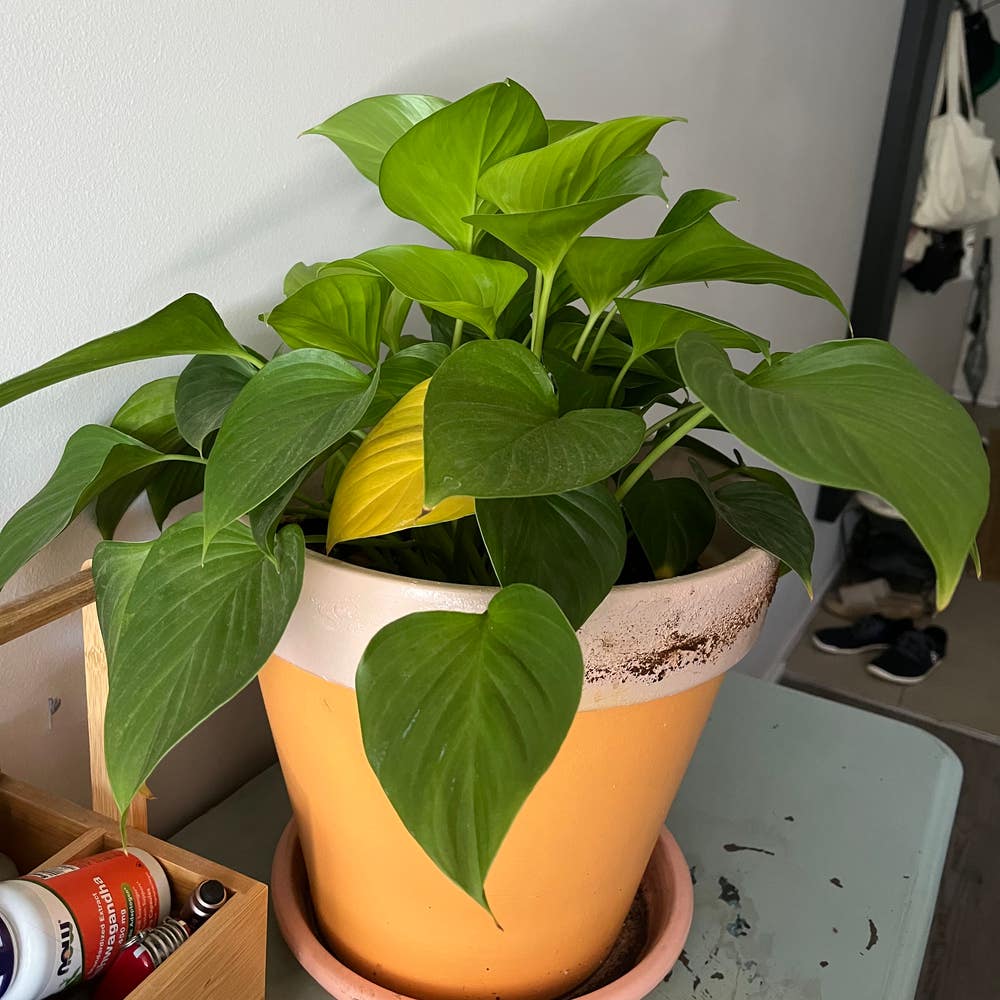
🔍 Homalomena hastata Explained: Key Information
Homalomena hastata
By the Greg Editorial Team
Feb 27, 2025•12 min read
This article was created with the help of AI so we can cover more plants for you. May contain errors. See one? Report it here.
Elevate your indoor garden with the stunning Homalomena hastata, a low-maintenance air-purifying gem! 🌱
- 🌱 Homalomena hastata thrives in bright, indirect light and humid conditions for optimal growth.
- 💧 Water when the top inch of soil is dry to prevent root rot.
- 🌿 Low maintenance and non-toxic, making it perfect for beginners and pet owners.
How to Grow
🌍 Choosing a Location
For your Homalomena hastata, the right location is crucial. Indoors, aim for bright, indirect light while steering clear of direct sunlight, which can scorch the leaves.
Outdoors, look for shaded areas that boast high humidity. This plant thrives in environments that mimic its natural tropical habitat.
🏗️ Soil Preparation
Next up is soil preparation. A well-draining mix rich in organic matter is ideal for promoting healthy growth.
Aim for a soil pH between 6.0 and 7.0, which is slightly acidic to neutral. This balance helps the plant absorb nutrients effectively.
🌱 Planting Techniques
When it comes to planting, size matters. Use a container that is at least 6-8 inches in diameter for young plants to give them room to grow.
Make sure to plant at the right depth; the root ball should sit level with the soil surface to encourage healthy root development.
💧 Watering Requirements
Watering is a key aspect of care. Check the top inch of soil; if it feels dry, it's time to water.
Be cautious of overwatering, as this can lead to root rot. Ensure your pot has proper drainage to keep your plant happy.
🌿 Fertilizing Schedule
Fertilizing will help your plant thrive. Use a balanced, water-soluble fertilizer to provide essential nutrients.
Aim to fertilize every 4-6 weeks during the growing season for optimal growth and vitality.
✂️ Pruning Methods
Pruning is essential for maintaining your plant's health. Remove any dead or yellowing leaves as needed to encourage new growth.
Always use clean, sharp scissors to prevent damage and reduce the risk of disease.
🌈 Ongoing Care Tips
Finally, consider ongoing care tips. Homalomena hastata loves humidity, so keep levels above 50% for best results.
Maintain temperatures between 18°C to 27°C (65°F to 80°F) to create a comfortable environment for your plant.
With these guidelines, you'll be well on your way to cultivating a thriving Homalomena hastata. Next, let’s explore how to propagate this beautiful plant!
Propagation
🌱 Methods of Propagation
Propagation is an exciting way to expand your collection of Homalomena hastata. There are two primary methods: division and cuttings, both of which are moderately easy and rewarding.
Division (difficulty: moderate)
- Timing: The best time to divide your plant is in spring or early summer when it's actively growing.
- Steps: Carefully separate the root ball into sections, ensuring each section has both roots and leaves. This will help each new plant thrive.
- Replanting: Once divided, replant each section immediately in suitable soil to encourage quick establishment.
Cuttings (difficulty: moderate)
- Selecting Cuttings: Choose healthy stems that have at least two leaves. This ensures that the cutting has enough energy to root successfully.
- Rooting Medium: Use a mix of perlite and peat moss for optimal drainage and moisture retention. This combination creates a perfect environment for rooting.
- Rooting Time: Expect rooting to take about 4-6 weeks in a warm, humid environment. Keep an eye on your cuttings, and soon you'll see new growth!
With these propagation methods, you can easily multiply your Homalomena hastata and share the joy of plant care with others. Next, let’s explore the fascinating lifecycle of this resilient plant.
Lifecycle
Lifecycle Stages 🌱
The lifecycle of Homalomena hastata begins with germination, where seeds typically sprout within 2-3 weeks under optimal conditions. Following this, the seedling stage lasts about 4-6 weeks, marking the initial growth phase.
Vegetative Growth 🌿
During the vegetative growth phase, the plant experiences rapid leaf development over several months. This is when you’ll see your plant really start to thrive and fill out.
Flowering 🌸
Flowering is a rare occurrence for indoor plants, usually happening only in mature specimens. If you’re lucky enough to witness it, consider it a special treat!
Lifespan and Growth Timeline ⏳
With proper care, Homalomena hastata can live for several years. It typically takes about 1-2 years to reach its full size, so patience is key.
Growth Rate 📈
Expect a moderate growth rate, with the plant growing approximately 6-12 inches per year under ideal conditions. This steady growth makes it a rewarding addition to your indoor garden.
As you nurture your Homalomena hastata through its lifecycle, you'll gain a deeper appreciation for its growth and beauty. Next, let’s explore how to care for this stunning plant effectively.
Size
Mature Height and Spread 🌱
Homalomena hastata typically reaches a mature height of 2 to 3 feet. Its spread can expand to about 1 to 2 feet wide, making it a striking addition to any indoor space.
Growth Habits and Rate 📈
This plant exhibits an upright growth habit, showcasing large, lush foliage that adds vibrancy to your environment. Factors such as light, humidity, and soil quality significantly influence its overall size and growth rate.
Size Variability Based on Conditions 🌦️
It's important to note that size can vary based on environmental conditions. In lower light or drier settings, you may find that your Homalomena grows smaller than expected, so ensure optimal conditions for the best results.
Understanding these size characteristics can help you create the perfect environment for your Homalomena hastata. Next, let’s explore its root system and how it contributes to the plant's overall health.
Roots
Root System Characteristics 🌱
Homalomena hastata features a fibrous root system that spreads horizontally. This shallow depth allows the plant to adapt easily to container growth, making it a great choice for indoor gardening.
Common Root-Related Issues ⚠️
One of the most common problems is root rot, which occurs due to overwatering. Symptoms include mushy roots that can be easily identified; healthy roots, on the other hand, are firm and white, while unhealthy ones appear brown and mushy.
Managing Rootbound Conditions 🪴
Recognizing when your plant is rootbound is crucial. If you see roots growing out of drainage holes or circling the pot, it’s time to act.
To remedy this, simply repot your Homalomena hastata into a larger container with fresh soil. This will give the roots more space to grow and thrive.
By keeping an eye on the root system, you can ensure your plant remains healthy and vibrant.
Benefits
Top 5 Benefits 🌟
Air Purification
Homalomena hastata is a champion at filtering indoor air pollutants. This plant helps create a healthier living environment by removing toxins from the air.
Aesthetic Appeal
With its lush, vibrant foliage, this plant adds a touch of nature to any space. Its striking appearance can enhance the visual interest of your home or office.
Low Maintenance
If you're looking for a plant that doesn't demand constant attention, Homalomena hastata is a perfect choice. It thrives with minimal care, making it ideal for busy lifestyles.
Humidity Enhancement
This plant naturally increases humidity levels, which is beneficial in dry environments. It can help create a more comfortable atmosphere, especially during winter months.
Cultural Significance
In various cultures, Homalomena hastata is appreciated for its beauty and symbolism of prosperity. Adding this plant to your collection can bring a sense of cultural richness to your space.
These benefits make Homalomena hastata a fantastic addition to any indoor garden. Whether you're a seasoned plant enthusiast or a beginner, this plant offers both beauty and practicality.
Next, let's explore the concept of companion planting and discover which plants thrive alongside Homalomena hastata.
Companion Plants
🌱 Concept of Companion Planting
Companion planting is all about creating a harmonious garden environment. It enhances diversity, improves pest management, and boosts overall plant health.
🌿 Best Companion Plants
When it comes to Homalomena hastata, consider pairing it with ferns, peace lilies, and pothos. These plants share similar care needs and thrive in high humidity, making them ideal companions.
🚫 Plants to Avoid
On the flip side, steer clear of cacti and succulents. These plants prefer drier conditions and can compete for moisture, which isn't ideal for your Homalomena.
By choosing the right companions, you can create a thriving indoor garden that benefits all your plants. This thoughtful approach not only enhances aesthetics but also fosters a healthier growing environment.
Toxicity to Humans
🛡️ Safety for Humans
Homalomena hastata is not classified as toxic by major poison control centers. This means you can enjoy this beautiful plant without worrying about harmful effects on your health.
⚠️ Potential Minor Issues
While generally safe, mild skin irritation can occur from excessive contact with the plant. Additionally, ingesting large quantities may lead to minor digestive discomfort, so it's wise to exercise caution and seek medical advice if you experience unusual symptoms after contact or ingestion.
This plant is a great choice for indoor spaces, allowing you to enjoy its lush foliage without the stress of toxicity. As you consider adding it to your home, remember to keep an eye on how you and your family interact with it, ensuring a safe and enjoyable experience.
Next, let's explore how this plant interacts with our furry friends, focusing on its toxicity to dogs.
Toxicity to Dogs
🐶 Safety for Dogs
Homalomena hastata is considered nontoxic to dogs. Major pet poison control centers do not classify it as harmful, making it a safe choice for homes with furry friends.
⚠️ Minor Issues from Excessive Consumption
While generally safe, consuming large quantities may lead to mild gastrointestinal upset. It's always a good idea to monitor your dog's behavior after they interact with the plant.
🏡 Tips for Introducing to Homes with Dogs
To keep your plant safe, place it out of reach of curious dogs. Additionally, keep an eye on your pet's interest in the plant to prevent any unwanted nibbling.
With these precautions, you can enjoy the beauty of Homalomena hastata without worrying about your canine companions. Next, let’s explore its safety for our feline friends.
Toxicity to Cats
Safety for Cats 🐱
Homalomena hastata is considered nontoxic, meaning it won't harm your feline friends. Veterinary organizations do not classify it as a toxic plant, so you can breathe a sigh of relief.
Minor Issues from Excessive Consumption 🍽️
While it's safe, excessive consumption can lead to mild gastrointestinal upset. If your cat munches on a large quantity, keep an eye out for any signs of discomfort.
Tips for Introducing to Homes with Cats 🏡
To keep your plant safe, place it out of reach of curious cats. It's also wise to monitor their behavior around the plant, watching for any unusual interest or nibbling.
As you enjoy your Homalomena hastata, rest assured that your furry companions can coexist with this beautiful houseplant without worry.
Problems
Common Problems 🌱
Incorrect Watering
Watering is a crucial aspect of plant care. Yellowing leaves often signal overwatering, while wilting indicates underwatering.
To remedy this, adjust your watering frequency based on the moisture level of the soil. Always check the top inch of soil before adding more water.
Incorrect Light Conditions
Light conditions can make or break your plant's health. Too much light can cause leaf burn, while too little can lead to leggy growth.
If you notice these symptoms, relocate your plant to a spot with the right light levels. Aim for bright, indirect light for optimal growth.
Incorrect Temperature
Temperature plays a significant role in your plant's well-being. Leaf drop or stunted growth can occur if the temperature strays from the ideal range.
To keep your Homalomena hastata thriving, maintain temperatures between 18°C to 27°C (65°F to 80°F). This will help ensure steady growth and vibrant foliage.
Diseases
Diseases can be a real headache for plant owners. Common issues include powdery mildew, rust, and root rot.
To combat these problems, improve air circulation around your plant and avoid overwatering. Regularly inspect your plant for signs of distress.
Leaf Issues
Leaf problems can manifest in various ways, such as scorching, yellowing, or fuzzy growth. These symptoms often indicate underlying care issues.
Adjust your care practices based on what you observe. A little attention can go a long way in restoring your plant's health.
Transition to Next Section 🚀
By addressing these common problems, you can ensure your Homalomena hastata remains healthy and vibrant. Next, let's explore potential pest issues that may arise and how to effectively manage them.
Bugs
🐜 Potential Pest Issues
Homalomena hastata is generally known for its moderate pest resistance. However, it can still fall victim to certain pests that may affect its health.
🔍 Identification and Treatment of Specific Pests
Spider Mites
- Identification: Look for fine webbing and stippled leaves, which indicate a spider mite infestation.
- Treatment: Increase humidity around the plant and apply miticides to eliminate these pests.
Scale Insects
- Identification: Small, brown bumps on stems and leaves are telltale signs of scale insects.
- Treatment: Manually remove these pests and use insecticidal soap to prevent further issues.
Mealybugs
- Identification: These pests appear as white, cottony masses on leaves.
- Treatment: Use alcohol swabs to wipe them off and follow up with insecticidal soap for thorough eradication.
Aphids
- Identification: Small, green or black insects often found on new growth signal an aphid problem.
- Treatment: Neem oil or insecticidal soap can effectively manage these pests.
Whiteflies
- Identification: Tiny white insects that fly around the plant when disturbed are whiteflies.
- Treatment: Use yellow sticky traps to catch them and apply insecticidal soap for control.
By keeping an eye out for these pests and acting quickly, you can ensure your Homalomena hastata remains healthy and vibrant. Next, let’s explore what animals might be interested in munching on your plant.
What Eats
Common Animals 🦌
Homalomena hastata can attract a variety of hungry critters. Watch out for deer, rabbits, squirrels, and rodents, as they may find your plant irresistible.
Signs of Animal Presence and Damage 🐾
Keep an eye out for signs of these visitors. Chewed leaves, droppings, or tracks near your plant can indicate that animals are munching on your beloved Homalomena.
Deterrent Methods 🚫
To protect your plant, consider using deterrent methods.
- Chemical methods: Commercial repellents can effectively keep animals at bay.
- Organic methods: Planting deterrent species or using physical barriers can also help safeguard your plant from unwanted nibblers.
By being proactive, you can enjoy the beauty of your Homalomena without the worry of it becoming a snack for local wildlife.
⚠️ Safety First
This content is for general information and may contain errors, omissions, or outdated details. It is not medical, veterinary advice, or an endorsement of therapeutic claims.
Always consult a qualified healthcare professional before using any plant as food, medicine, or supplement.
Never eat any plant (or feed one to pets) without confirming its identity with at least two trusted sources.
If you suspect poisoning, call Poison Control (800) 222-1222, the Pet Poison Helpline (800) 213-6680, or your local emergency service immediately.
Spotted an error? Please report it here.
Nurture your Homalomena hastata to thrive beautifully 🌿 with Greg's tailored watering reminders and care tips, ensuring it remains a vibrant air-purifier in your home for years to come!