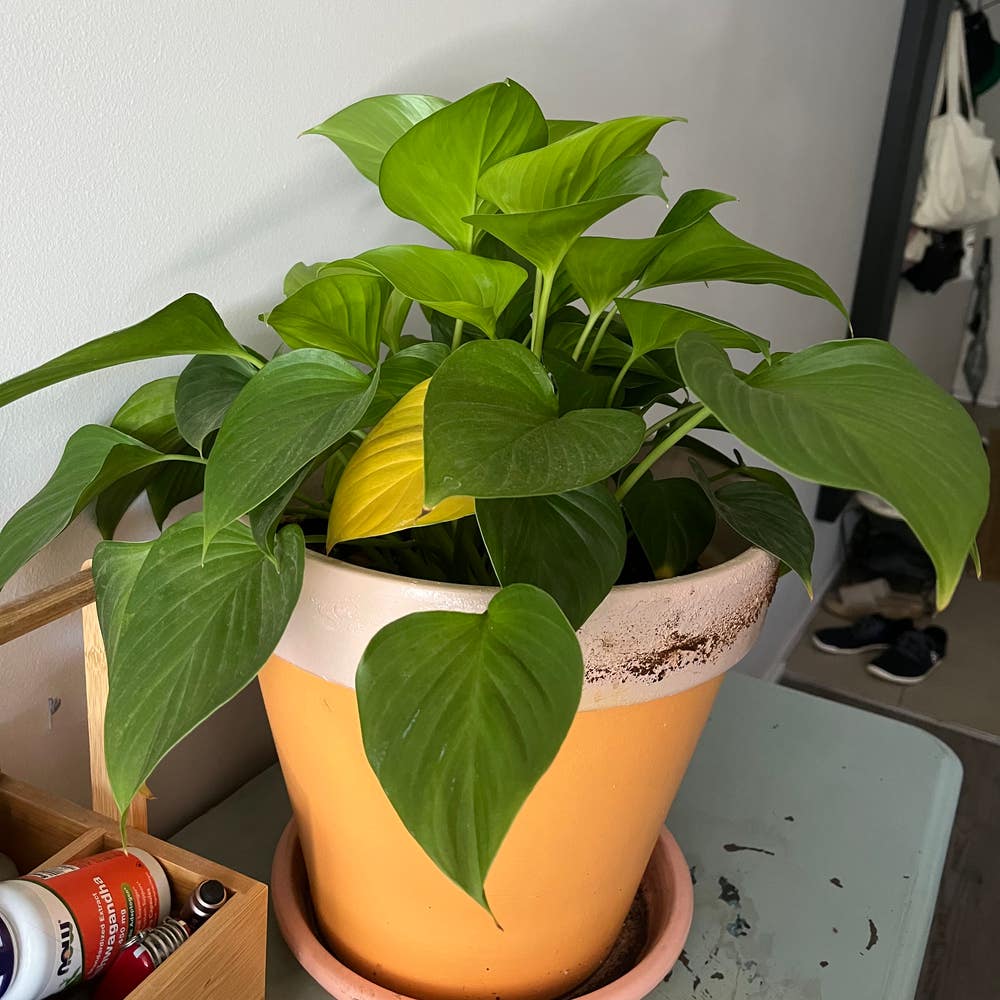
💡 Everything You Need to Know About Homalomena gillii
Homalomena gillii
By the Greg Editorial Team
Feb 27, 2025•12 min read
This article was created with the help of AI so we can cover more plants for you. May contain errors. See one? Report it here.
- 🌱 Homalomena gillii thrives in indirect light and high humidity—perfect for indoor spaces!
- 🌡️ Optimal temperature range is 18°C to 27°C (65°F to 80°F) for healthy growth.
- 💧 Water when the top inch of soil is dry to prevent root rot.
How to Grow
Choosing a Location 🌱
Homalomena gillii thrives in indirect light, making it perfect for indoor spaces. Avoid direct sunlight, as it can scorch the leaves.
High humidity is crucial for this plant, ideally around 60% or more. Maintaining a temperature range of 18°C to 27°C (65°F to 80°F) will keep your plant happy and healthy.
Soil Preparation 🪴
For optimal growth, use a well-draining potting mix enriched with organic matter. This ensures the roots have the nutrients they need without becoming waterlogged.
Aim for a slightly acidic to neutral soil pH, ideally between 6.0 and 7.0. Always ensure your pots have drainage holes to prevent water accumulation.
Planting Techniques 🌍
When planting outdoors, space your Homalomena gillii 12-18 inches apart. This allows each plant enough room to grow and flourish.
Plant at the same depth as it was in the nursery pot to avoid disturbing the roots. This simple step can make a big difference in your plant's success.
Watering Requirements 💧
Water your plant when the top inch of soil feels dry to the touch. This helps prevent overwatering, which can lead to root rot.
When watering, do so thoroughly until excess water drains out of the bottom. This ensures the roots receive adequate moisture without sitting in water.
Fertilizing Schedule 🌿
Use a balanced liquid fertilizer, such as NPK 20-20-20, to nourish your plant. Fertilize every 4-6 weeks during the growing season for best results.
This regular feeding will support healthy growth and vibrant foliage, keeping your Homalomena gillii looking its best.
Pruning and Ongoing Care ✂️
Regularly trim off any yellowing or damaged leaves to promote new growth. This simple maintenance task can significantly enhance your plant's appearance.
Keep an eye out for pests and diseases, as early detection is key. A little vigilance goes a long way in maintaining a thriving plant.
With these tips, you’re well on your way to successfully growing your Homalomena gillii. Next, let’s explore how to propagate this beautiful plant for even more greenery!
Propagation
🌱 Methods of Propagation
Homalomena gillii can be propagated through two main methods: division and cuttings. Both techniques are straightforward and can lead to healthy new plants.
📋 Step-by-Step Instructions for Each Method
1. Division
- Start by carefully removing the plant from its pot.
- Gently separate the root ball into sections, ensuring each has roots.
- Replant each section in its own pot, giving them space to thrive.
2. Cuttings
- Take a healthy stem cutting, about 4-6 inches long.
- Place the cutting in water or moist soil and wait for roots to develop, which typically takes 2-4 weeks.
🌤️ Ideal Conditions for Successful Propagation
For cuttings, a warm and humid environment is essential to encourage root growth. Meanwhile, divisions thrive best in well-draining soil to prevent waterlogging and promote healthy root systems.
With these propagation methods, you can easily expand your collection of Homalomena gillii. Whether you choose to divide existing plants or take cuttings, you'll be rewarded with new greenery to enjoy. Next, let’s explore the lifecycle of this fascinating plant.
Lifecycle
Lifecycle Overview 🌱
Understanding the lifecycle of Homalomena gillii is essential for successful cultivation. It begins with germination, where seeds sprout in just 2-3 weeks under optimal conditions.
Seedling Stage 🌿
Following germination, the plant enters the seedling stage, which lasts about 4-6 weeks. During this time, the young plant establishes its roots and begins to grow leaves.
Vegetative Growth 🌳
Next comes the vegetative growth phase, a period of rapid growth that can last several months. This is when the plant truly starts to flourish, developing its characteristic lush foliage.
Flowering 🌸
Mature plants will typically flower in late summer. This stage is a beautiful reward for your care, showcasing the plant's potential.
Duration to Reach Maturity ⏳
On average, Homalomena gillii takes approximately 1-2 years to reach maturity. With the right conditions, you can enjoy a thriving plant in no time.
Growth Rate 📈
The growth rate is moderate, but optimal conditions can lead to faster growth. Providing adequate light, humidity, and nutrition will significantly enhance your plant's development.
As you nurture your Homalomena gillii, keep an eye on its lifecycle stages. This awareness will help you provide the best care possible, ensuring a vibrant and healthy plant. Next, let’s explore how to manage its size effectively.
Size
Mature Dimensions 🌱
Homalomena gillii typically reaches a mature height of 1 to 3 feet, making it a striking addition to any indoor or outdoor space. Its mature spread can range from 1 to 2 feet wide, allowing it to fill out beautifully without overwhelming its surroundings.
Growth Rate and Size Variability 📏
This plant has a moderate growth rate, which can be influenced by factors like light, humidity, and nutrition. Depending on the pot size and overall growing conditions, you may notice variability in its size, so providing optimal care can lead to a more robust plant.
In summary, understanding the size and growth characteristics of Homalomena gillii can help you create the perfect environment for it to thrive. Next, let’s explore the fascinating lifecycle of this plant and how it progresses from seed to maturity.
Roots
Characteristics of the Root System 🌱
Homalomena gillii features a fibrous root system that is essential for its stability and nutrient uptake. These roots are shallow and spread out, allowing the plant to efficiently absorb moisture and nutrients from the soil.
Common Root-Related Issues ⚠️
Root health is crucial for the overall vitality of your plant. Two common issues are root rot, which occurs from overwatering and poor drainage, and rootbound conditions, where roots fill the pot and restrict growth.
Visual Cues for Healthy vs. Unhealthy Roots 👀
Healthy roots are typically white, firm, and spread throughout the soil, indicating a thriving plant. In contrast, unhealthy roots may appear brown, mushy, or emit a foul smell, signaling that something is wrong.
Tips for Managing Root Health 🛠️
To keep your Homalomena gillii thriving, repot it every 1-2 years to prevent rootbound conditions. Additionally, ensure that your pots have proper drainage to avoid waterlogging, which can lead to root rot.
Understanding and managing the root system of your plant is vital for its health and longevity. With the right care, your Homalomena gillii will flourish, setting the stage for the next section on the benefits of growing this beautiful plant.
Benefits
🌱 Top 5 Benefits of Growing Homalomena gillii
1. Air Purification
Homalomena gillii is a champion at cleaning the air. Its lush foliage effectively removes toxins, making your indoor space healthier.
2. Aesthetic Appeal
With its large, glossy leaves, this plant adds a touch of elegance to any decor. It’s a stunning focal point that can elevate your home’s ambiance.
3. Low Light Tolerance
This plant thrives even in low-light conditions, making it perfect for spaces that don’t get much natural sunlight. You can enjoy its beauty without worrying about finding the perfect spot.
4. Humidity Enhancement
Homalomena gillii naturally increases humidity levels, which is especially beneficial in dry environments. This can help create a more comfortable atmosphere for both you and your other plants.
5. Cultural Significance
In Southeast Asian cultures, Homalomena gillii is cherished for its beauty and symbolism. Growing this plant connects you to a rich cultural heritage while enhancing your living space.
These benefits make Homalomena gillii not just a plant, but a valuable addition to your home. Whether you're looking to purify the air or simply beautify your surroundings, this plant checks all the boxes.
Next, let's explore the ideal companion plants that can thrive alongside Homalomena gillii, enhancing your indoor garden even further.
Companion Plants
Explanation of Companion Planting 🌱
Companion planting is a gardening technique that enhances plant diversity and promotes healthier growth. By strategically placing plants together, you can improve pest management and overall plant health.
List of Compatible Companion Plants 🌿
- Peace Lily: This plant shares similar care needs and thrives in high humidity, making it a perfect match for Homalomena gillii.
- Pothos: Known for its adaptability, Pothos flourishes in similar light conditions and contributes to air purification.
- Ferns: These lush plants not only provide humidity but also add visual appeal to your indoor or outdoor space.
Plants to Avoid Planting Near 🚫
- Cacti: These desert dwellers prefer dry conditions and can compete for resources, making them unsuitable companions for Homalomena gillii.
By choosing the right companions, you can create a thriving environment for your Homalomena gillii, enhancing both its beauty and health. Next, let's explore the potential irritants this plant may pose to humans and pets.
Toxicity to Humans
⚠️ Potential Irritants
Homalomena gillii can cause irritation primarily through its leaves and sap. Symptoms may include skin rashes, itching, mild gastrointestinal upset, or eye irritation.
🏥 Guidance on When to Seek Medical Care
If you experience persistent or worsening symptoms, it's wise to seek medical care. Generally, irritation is self-limiting, but it's better to be safe.
🧤 Tips for Safe Handling
To minimize risk, always wear gloves when handling this plant. After contact, make sure to wash your hands thoroughly to remove any residue.
By taking these precautions, you can enjoy the beauty of Homalomena gillii while keeping irritation at bay. Now, let’s explore how this plant can impact your furry friends!
Toxicity to Dogs
Potential Irritants 🌿
Homalomena gillii can pose some risks to our furry friends. The leaves and sap may cause irritation, leading to symptoms like drooling, pawing at the mouth, mild vomiting, or skin irritation.
Guidance on When to Seek Veterinary Care 🩺
If your dog shows any of these symptoms, keep an eye on them. Seek veterinary care if the symptoms persist or worsen, although irritation is usually self-limiting.
Toxicity Level ⚠️
Fortunately, Homalomena gillii is not considered severely toxic to dogs. However, it can cause mild to moderate irritation, so it's best to keep it out of reach of curious pups.
Understanding these aspects can help you create a safer environment for your pets while enjoying the beauty of your plants. Now, let’s explore how to manage common problems that may arise with your Homalomena gillii.
Toxicity to Cats
Potential Irritants 🐱
Homalomena gillii can be a concern for our feline friends. The leaves and sap of this plant may cause irritation, leading to symptoms such as drooling, pawing at the mouth, mild vomiting, or skin irritation.
Guidance on When to Seek Veterinary Care 🩺
If your cat shows any of these symptoms, monitor their condition closely. Seek veterinary care if symptoms persist or worsen, although irritation is typically self-limiting.
Toxicity Level ⚠️
Fortunately, Homalomena gillii is not considered severely toxic to cats. However, it can cause mild to moderate irritation, so it's best to keep this plant out of reach of curious paws.
By being aware of these potential issues, you can enjoy your Homalomena gillii while keeping your feline companions safe. Next, let’s explore how to manage common problems that may arise with this beautiful plant.
Problems
Common Problems Faced 🌱
Maintaining a healthy Homalomena gillii can be tricky. Here are some common issues to watch for:
1. Incorrect Watering
Watering is crucial for your plant's health.
- Overwatered: Look for yellowing leaves and soggy soil.
- Underwatered: Signs include wilting and dry leaf edges.
2. Incorrect Light Conditions
Light plays a significant role in growth.
- Signs of too much light: Leaf burn from direct sunlight.
- Signs of too little light: Leggy growth and sparse leaves.
3. Incorrect Temperature
Temperature fluctuations can stress your plant.
- Cold drafts: May cause leaf drop.
- Extreme heat: Can stunt growth and lead to wilting.
4. Diseases
Watch out for diseases that can affect your plant's vitality.
- Powdery mildew: Look for white powdery spots on leaves.
- Root rot: Affected plants may wilt despite adequate watering.
5. Leaf Issues
Leaf health is a direct indicator of your plant's overall condition.
- Scorching: Brown tips often result from low humidity.
- Yellowing: This can indicate a nutrient deficiency or overwatering.
By keeping an eye on these common problems, you can ensure your Homalomena gillii thrives. If you notice any of these signs, take action promptly to restore your plant's health. Next, let’s explore the fascinating world of pests that can affect your plant.
Bugs
🐜 Potential Pest Issues
Homalomena gillii can attract a few unwelcome guests. The most common pests include spider mites, scale insects, and mealybugs.
- Spider mites: Look for fine webbing and yellowing leaves.
- Scale insects: These pests leave sticky residue and create bumps on stems.
- Mealybugs: Identified by their cotton-like masses on leaves and stems.
🔍 Identification and Damage Caused by Pests
Recognizing these pests early can save your plant from significant damage.
- Spider mites cause stippling on leaves, leading to a decline in overall health.
- Scale insects weaken plants by sucking sap, which can stunt growth.
- Mealybugs can lead to leaf drop and hinder your plant's vitality.
🛠️ Effective Treatment Options
Dealing with pests doesn't have to be a nightmare. Here are some effective treatments to keep your Homalomena gillii thriving.
- Neem oil: This natural pesticide works wonders against various pests.
- Insecticidal soap: A great option for tackling soft-bodied insects.
- Regular inspection: Keep an eye on your plants for early detection and treatment.
By staying vigilant and proactive, you can protect your Homalomena gillii from these pesky invaders. Next, let’s explore how to manage common problems that may arise in your plant care journey.
What Eats
🦌 Common Animals That May Damage
When it comes to protecting your Homalomena gillii, be on the lookout for some common culprits.
Deer: These graceful creatures can leave behind chewed leaves and broken stems, signaling their presence.
Rabbits: If you notice nibbled edges and missing foliage, rabbits might be the ones enjoying your plant buffet.
Squirrels: Watch for signs like digging around the base and leaf damage, as these little bandits can be quite mischievous.
🚫 Methods for Deterring or Managing
Keeping your plant safe from these hungry visitors is essential. Here are some effective strategies:
Chemical deterrents: Consider using commercial repellents or homemade solutions to keep animals at bay.
Physical barriers: Installing fencing or netting can provide a solid defense against larger animals.
Companion planting: Incorporate strong-smelling plants nearby to naturally repel these critters.
By implementing these methods, you can enjoy your Homalomena gillii without worrying about unwelcome guests. Next, let's explore the potential pest issues that can affect your plant's health.
⚠️ Safety First
This content is for general information and may contain errors, omissions, or outdated details. It is not medical, veterinary advice, or an endorsement of therapeutic claims.
Always consult a qualified healthcare professional before using any plant as food, medicine, or supplement.
Never eat any plant (or feed one to pets) without confirming its identity with at least two trusted sources.
If you suspect poisoning, call Poison Control (800) 222-1222, the Pet Poison Helpline (800) 213-6680, or your local emergency service immediately.
Spotted an error? Please report it here.
Nurture your Homalomena gillii to flourish indoors 🌿 with Greg's tailored care reminders that keep your plant thriving and beautiful all year round!