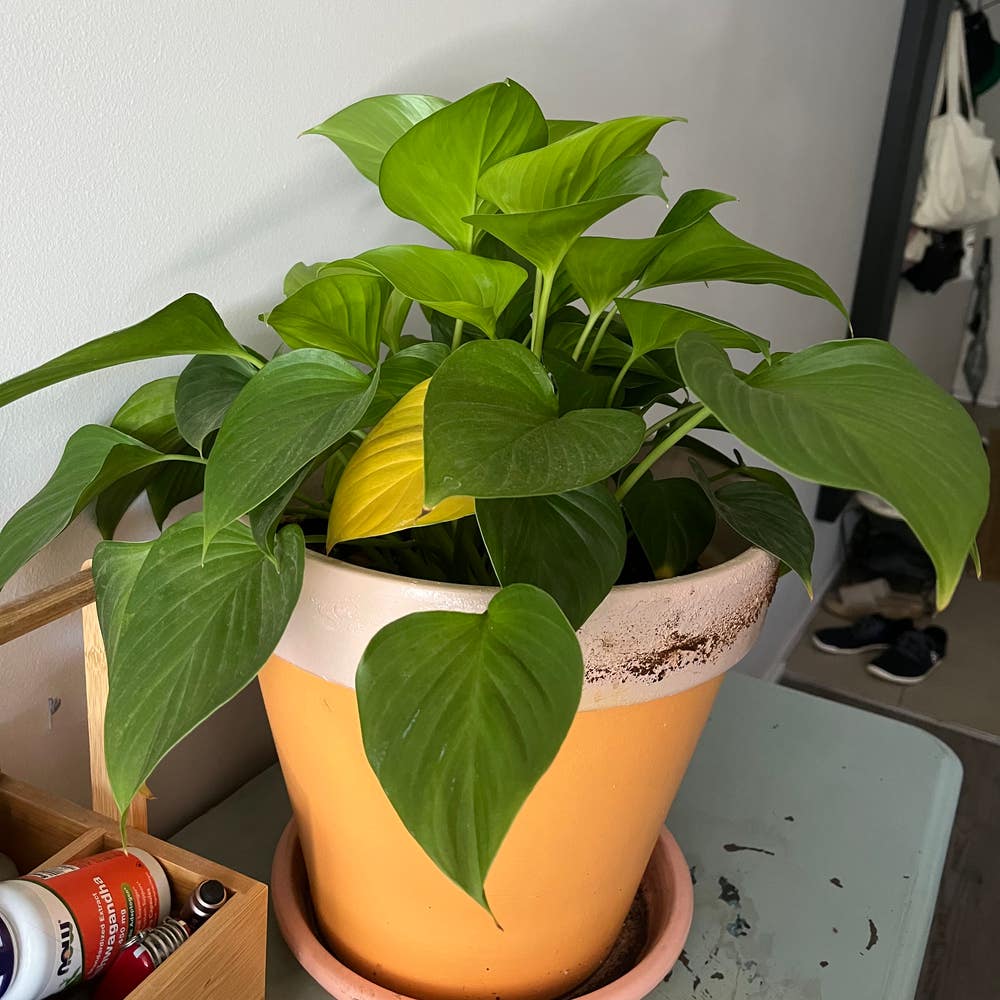
Homalomena gaudichaudii: A Comprehensive Overview 🌼
Homalomena gaudichaudii
By the Greg Editorial Team
Feb 27, 2025•10 min read
This article was created with the help of AI so we can cover more plants for you. May contain errors. See one? Report it here.
Elevate your indoor oasis with the low-maintenance beauty of Homalomena gaudichaudii! 🌿✨
- 🌞 Homalomena gaudichaudii thrives in indirect light, ideally near east or north-facing windows.
- 💧 Water when the top inch of soil is dry to prevent root rot.
- 🌱 Low maintenance and air-purifying, perfect for novice and busy plant lovers alike!
How to Grow
Choosing a Location 🌍
To thrive, Homalomena gaudichaudii prefers a cozy spot near east or north-facing windows where it can soak up indirect light. If you're placing it outdoors, choose shaded areas that shield it from harsh sunlight.
Soil Preparation 🪴
For optimal growth, use a well-draining potting mix enriched with organic matter. Aim for a soil pH between 6.0 and 7.0, which is slightly acidic to neutral.
Planting Techniques 🌱
When planting, ensure the crown of the plant is level with the soil surface. If you're planting multiple specimens, space them 12-18 inches apart to allow for healthy growth.
Watering Requirements 💧
Water your plant when the top inch of soil feels dry to the touch. Always ensure your pots have drainage holes to prevent overwatering, which can lead to root issues.
Fertilizing Schedule 🌿
During the growing season, fertilize your Homalomena monthly. A balanced, water-soluble fertilizer will provide the nutrients it needs to flourish.
Pruning Methods ✂️
Keep your plant looking its best by removing any dead or yellowing leaves as needed. Use clean, sharp scissors to make precise cuts and avoid damaging the healthy parts of the plant.
Ongoing Care Tips 🌡️
Maintain humidity levels above 50% to keep your plant happy. The ideal temperature range for Homalomena gaudichaudii is between 18°C to 27°C (65°F to 80°F), so keep it in a warm spot away from cold drafts.
With these care tips, your Homalomena gaudichaudii will thrive, bringing lush greenery into your space. Next, let’s explore how to propagate this beautiful plant!
Propagation
🌱 Division Method
Spring is the ideal time for propagating your Homalomena gaudichaudii through division. During this active growth period, carefully separate the rhizomes and replant them in new pots to encourage healthy growth.
✂️ Stem Cuttings
Another effective propagation method is taking stem cuttings. Aim for cuttings that are 4-6 inches long from healthy stems, and use a mix of peat and perlite as your rooting medium for the best results.
This straightforward approach to propagation not only expands your plant collection but also allows you to share the beauty of Homalomena with friends and family. With a little patience and care, you'll soon have new plants thriving in your home.
Next, let’s explore the lifecycle of this fascinating plant, from germination to maturity.
Lifecycle
Germination Process 🌱
Germination for Homalomena gaudichaudii seeds typically takes about 2-4 weeks. Providing warm and humid conditions is crucial for successful sprouting.
Seedling Stage 🌿
Once germinated, seedlings will need approximately 4-6 weeks to develop before they are ready for transplanting. This stage is vital for establishing strong roots and healthy foliage.
Vegetative Growth 🌳
During the vegetative growth phase, the plant focuses on developing leaves and establishing its root system. This is when you’ll see the most noticeable growth.
Flowering and Seed Production 🌸
Flowering is quite rare for this plant when kept indoors. It usually requires optimal outdoor conditions to produce flowers and seeds.
Lifespan and Growth Rate ⏳
Homalomena gaudichaudii takes about 2-3 years to reach full maturity. Under healthy conditions, it exhibits a moderate growth rate, steadily expanding its lush foliage.
This lifecycle overview highlights the importance of providing the right environment for your plant. With proper care, you can enjoy the beauty of this tropical gem for years to come.
Size
Mature Height and Spread 🌱
Homalomena gaudichaudii typically reaches a mature height of 1 to 3 feet. Its spread can expand to about 1 to 2 feet wide, making it a lovely addition to any indoor space.
Growth Rate and Size Variability 📏
The size of your plant can vary based on several factors. Light, humidity, and soil quality all play crucial roles in determining how robust your Homalomena will grow.
Maintaining optimal conditions will encourage healthy growth and a fuller appearance. So, keep an eye on these elements to ensure your plant thrives!
Roots
🌱 Root System Characteristics
Homalomena gaudichaudii features a rhizomatous root system. This type of root structure allows the plant to store nutrients and water efficiently.
📏 Depth and Spread
The roots of this plant are generally shallow, spreading horizontally. This characteristic makes it well-suited for pot cultivation, as it doesn't require deep soil.
⚠️ Common Root-Related Issues
One of the most common issues with Homalomena roots is root rot, which is primarily caused by overwatering. To prevent this, ensure that your pots have adequate drainage.
👀 Identifying Healthy vs. Unhealthy Roots
Healthy roots are firm, white, and free of mushiness. In contrast, unhealthy roots appear dark, mushy, or may emit a foul smell, indicating a problem.
🔒 Recognizing Rootbound Plants
If you notice roots growing out of drainage holes or circling the pot, your plant may be rootbound. The solution is simple: repot it into a larger container to give it more space to grow.
Understanding the root system of your Homalomena gaudichaudii is crucial for its overall health. Proper care and attention to these roots will ensure your plant thrives beautifully.
Benefits
Top 5 Benefits 🌟
Air Purification
Homalomena gaudichaudii is renowned for its ability to filter indoor air pollutants. This makes it a fantastic addition to any home, promoting a healthier living environment.Aesthetic Appeal
With its lush, vibrant foliage, this plant adds a touch of greenery to indoor spaces. Its striking appearance can elevate the decor of any room.Low Maintenance
One of the best features of Homalomena gaudichaudii is its low maintenance requirements. It thrives with minimal care, making it perfect for both novice and busy plant enthusiasts.Humidity Enhancement
This plant naturally contributes to higher humidity levels, which can be especially beneficial in dry environments. It helps create a more comfortable atmosphere for both plants and people.Cultural Significance
In various cultures, Homalomena gaudichaudii is valued for its beauty and symbolism. It often represents prosperity and good fortune, adding a meaningful touch to your plant collection.
These benefits make Homalomena gaudichaudii not just a plant, but a valuable asset to your home. Whether you're looking to improve air quality or simply enjoy its beauty, this plant has something to offer everyone.
As we explore its propagation methods next, you'll discover how easy it is to share this wonderful plant with others.
Companion Plants
🌱 Concept of Companion Planting
Companion planting is all about creating a harmonious garden environment. It enhances diversity and can help manage pests naturally, making your plant care routine easier and more effective.
🌿 Best Companion Plants
When it comes to Homalomena gaudichaudii, consider pairing it with ferns, peace lilies, and pothos. These plants share similar care requirements, ensuring a thriving indoor ecosystem.
🚫 Plants to Avoid
On the flip side, steer clear of plants that demand full sun or have high water needs. These companions can create competition for resources and may stress your Homalomena.
By choosing the right companions, you can foster a healthy and vibrant plant community. This not only benefits your Homalomena but also enhances the overall aesthetic of your space.
Toxicity to Humans
Homalomena gaudichaudii is generally safe for humans, as it is not listed as toxic by major poison control centers. However, it's always wise to exercise caution with any plant.
While rare, there can be minor issues such as mild skin irritation or digestive discomfort if large quantities are ingested.
If you experience any unusual symptoms after contact or consumption, seeking medical advice is a prudent step.
Remember, even non-toxic plants can cause reactions in sensitive individuals, so it's best to handle them with care.
Stay informed and enjoy your plant without worry!
Toxicity to Dogs
Homalomena gaudichaudii is not considered toxic to dogs, according to major pet poison control centers. This means you can enjoy this beautiful plant without worrying too much about your furry friends.
However, if your dog happens to munch on a few leaves, there could be minor issues. You might notice mild gastrointestinal upset, especially if they consume a large quantity.
🐶 Tips for Pet Owners
To keep your plant safe and your dog happy, it's a good idea to keep the Homalomena out of reach. Monitor your dog's behavior around the plant, ensuring they don't develop a habit of snacking on it.
By taking these simple precautions, you can enjoy the lush greenery of your Homalomena while keeping your canine companion safe. Now, let’s explore how to address common problems that may arise with this plant.
Toxicity to Cats
Homalomena gaudichaudii is not considered toxic to cats according to major pet poison control centers. This means you can enjoy the beauty of this plant without worrying too much about your feline friends.
However, it's important to note that excessive consumption could lead to mild gastrointestinal upset. To keep your curious cat safe, it's best to keep the plant out of reach and monitor their behavior around it.
By taking these simple precautions, you can create a harmonious environment where both your plant and your pet can thrive. If you notice any unusual symptoms in your cat after they've been near the plant, don't hesitate to consult your veterinarian for advice.
With a little care, you can enjoy the lush greenery of Homalomena gaudichaudii while ensuring your furry companion stays happy and healthy.
Problems
Common Problems 🌱
Homalomena gaudichaudii can face a few common issues that every plant parent should be aware of. Understanding these problems can help you keep your plant thriving.
Incorrect Watering: One of the most frequent mistakes is improper watering. Yellowing leaves often indicate overwatering, while wilting suggests underwatering.
Incorrect Light Conditions: This plant prefers indirect light. Too much direct sunlight can lead to leaf burn, which is a clear sign that your plant is unhappy.
Incorrect Temperature: Cold drafts can stress your plant. Maintaining a stable temperature is crucial for its overall health.
Diseases: Fungal issues like powdery mildew and root rot can plague your Homalomena. Keeping an eye on moisture levels and airflow can help prevent these diseases.
Leaf Issues: Scorching or fuzzy growth can indicate environmental stress. These symptoms often arise from fluctuating humidity or temperature levels.
By being vigilant about these common problems, you can ensure your Homalomena gaudichaudii remains healthy and vibrant. Next, let’s explore the potential pest issues that could affect your plant.
Bugs
Potential Pest Issues 🐛
Homalomena gaudichaudii is generally known for its moderate pest resistance. However, it can still fall victim to certain pests that may disrupt its growth.
Identifying Pests and Damage 🔍
Spider Mites: Look for fine webbing and stippled leaves, which indicate these tiny pests are at work.
Mealybugs: These pests appear as white, cotton-like masses on the stems and leaves, signaling an infestation.
Treatment Options 🧴
For effective pest management, consider using neem oil or insecticidal soap. Both options are safe and can help restore your plant's health without harsh chemicals.
By staying vigilant and addressing pest issues promptly, you can keep your Homalomena thriving and beautiful. Next, let’s explore what animals might be interested in snacking on your plant.
What Eats
🦌 Common Animals
Homalomena gaudichaudii can attract a few hungry visitors. Deer, rabbits, and squirrels are known to nibble on its lush leaves, turning your beautiful plant into a snack.
👀 Signs of Animal Presence
Keep an eye out for signs that these critters have paid a visit. Chewed leaves and droppings near the plant are clear indicators that your Homalomena has been targeted by local wildlife.
⚠️ Damage Caused by Animals
The impact of these munching animals can be significant. You may notice leaf loss and stunted growth, which can affect the overall health and appearance of your plant.
🚫 Deterrent Methods
To protect your beloved plant, consider implementing some deterrent methods. Using repellents, installing fencing, or setting up physical barriers can help keep these hungry animals at bay and ensure your Homalomena thrives.
With these strategies in place, you can enjoy the beauty of your plant without the worry of it becoming a meal for local wildlife. Next, let’s explore the common problems that can arise while caring for your Homalomena.
⚠️ Safety First
This content is for general information and may contain errors, omissions, or outdated details. It is not medical, veterinary advice, or an endorsement of therapeutic claims.
Always consult a qualified healthcare professional before using any plant as food, medicine, or supplement.
Never eat any plant (or feed one to pets) without confirming its identity with at least two trusted sources.
If you suspect poisoning, call Poison Control (800) 222-1222, the Pet Poison Helpline (800) 213-6680, or your local emergency service immediately.
Spotted an error? Please report it here.
Transform your space with a thriving Homalomena gaudichaudii 🌱 by using Greg's tailored care reminders to keep it flourishing in perfect conditions!