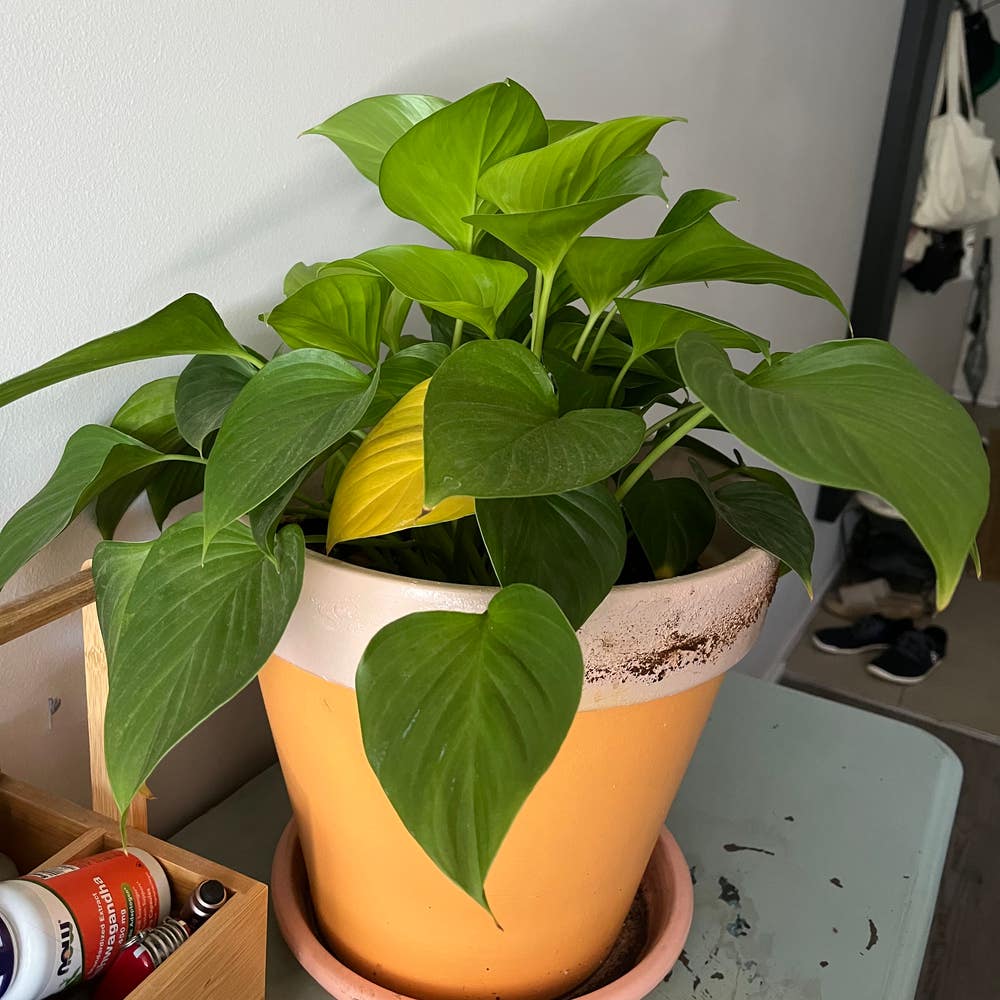
🍃 What is a Homalomena elegans? Complete Guide
Homalomena elegans
By the Greg Editorial Team
Feb 27, 2025•13 min read
This article was created with the help of AI so we can cover more plants for you. May contain errors. See one? Report it here.
Unlock the beauty of Homalomena elegans 🌿 with easy care tips that transform your space into a lush oasis!
- 🌱 Homalomena elegans thrives in low to moderate light, perfect for indoor settings.
- 💧 Consistent moisture is key; avoid overwatering to prevent yellow leaves and root rot.
- 🌿 Ideal humidity is 50-70% for optimal health and growth of your plant.
How to Grow
Choosing a Location 🌍
Finding the right spot for your Homalomena elegans is crucial. Ideally, place it in a location that offers low to moderate light, whether indoors or outdoors.
Soil Preparation 🪴
For optimal growth, use well-draining, rich soil that is high in organic matter. Aim for a soil pH between slightly acidic and neutral, ideally around 6.0 to 7.0.
Planting Techniques 🌱
Decide whether you want to plant your Homalomena in a container or directly in the ground. If you choose a container, a pot size of at least 6-8 inches in diameter is recommended for healthy growth.
Watering Requirements 💧
Maintain consistent moisture in the soil without allowing it to become waterlogged. Look out for signs of overwatering, such as yellowing leaves, or underwatering, indicated by wilting.
Fertilizing Schedule 🌿
Use a balanced, water-soluble fertilizer to nourish your plant. Fertilize every 4-6 weeks during the growing season for best results.
Pruning Methods ✂️
Pruning is essential for maintaining the shape and health of your Homalomena. Regularly remove dead or yellowing leaves to encourage new growth and keep your plant looking its best.
Ongoing Care Tips 🧼
Monitor humidity levels to keep them between 50-70%, as this is ideal for your plant. Additionally, regularly clean the leaves to prevent dust accumulation, which can hinder photosynthesis.
Outdoor vs. Container Growing 🌳
Caring for your Homalomena differs based on whether it's grown outdoors or in a container. Consider temperature and humidity control, especially for container plants, which may require more attention to environmental changes.
With these tips, you'll be well on your way to successfully growing a thriving Homalomena elegans. Next, let’s explore how to propagate this beautiful plant!
Propagation
🌱 Methods of Propagation
Propagation is an exciting way to expand your collection of Homalomena elegans. The two primary methods are division and cuttings, both of which are relatively straightforward.
Division
The best time to divide mature plants is during spring or early summer. This timing allows the plant to recover quickly and thrive.
To divide, you'll need a clean, sharp knife. Carefully separate the root clumps, ensuring each section has healthy roots, and then replant them in suitable soil.
Cuttings
For cuttings, select healthy stems that are about 4-6 inches long. This length is ideal for rooting and will give you a good chance of success.
Use a rooting medium composed of peat and perlite mix for optimal results. After planting the cuttings, provide care until roots develop, keeping the medium moist but not soggy.
📋 Step-by-Step Instructions for Each Method
1. Division
- Timing: Spring or early summer is ideal.
- Tools: Use a clean, sharp knife to avoid damaging the plant.
- Process: Separate the root clumps carefully and replant them in fresh soil.
2. Cuttings
- Selecting stems: Choose stems that are 4-6 inches long for the best chance of rooting.
- Rooting medium: A mix of peat and perlite works wonders.
- Care: Keep the cuttings in a warm, humid environment until roots develop.
With these propagation methods, you can easily grow more Homalomena elegans and enjoy their beauty in various spaces. Next, let’s explore the lifecycle of this fascinating plant!
Lifecycle
Overview of Lifecycle Stages 🌱
Understanding the lifecycle of the Homalomena elegans is essential for successful cultivation. It begins with germination, where seeds require warm temperatures and consistent moisture to sprout.
Once germinated, the plant enters the seedling stage. During this phase, young plants need bright, indirect light and regular watering to thrive.
As the plant matures, it transitions into vegetative growth. This stage is characterized by lush foliage and requires adequate nutrients and light to support robust growth.
Next comes the flowering stage. While not all Homalomena elegans produce flowers, those that do need specific conditions, such as humidity and light, to encourage blooming.
Finally, if flowering occurs, the plant may enter seed production. Collecting seeds can be done once they are fully developed, allowing for propagation of new plants.
Lifespan and Growth Timeline ⏳
The typical lifespan of a Homalomena elegans ranges from 5 to 10 years with proper care. This longevity makes it a rewarding addition to any plant collection.
Time to maturity is approximately 1 to 2 years, depending on environmental conditions and care practices.
In terms of growth speed, expect a moderate growth rate. With the right light, water, and nutrients, your plant will flourish and become a stunning centerpiece in your home or garden.
This lifecycle overview sets the stage for understanding how to care for your Homalomena elegans effectively. Next, we’ll explore its size and growth characteristics.
Size
Mature Height and Spread 🌱
The Homalomena elegans typically reaches a mature height of 1 to 3 feet. Its spread can vary from 1 to 2 feet, depending on the growing conditions and care provided.
Growth Rate and Size Variability 📈
Several factors influence the growth rate of this plant, including light, water, and nutrient availability. Environmental conditions play a significant role in size variability, so adjustments in care can lead to noticeable differences in growth.
Understanding these aspects can help you create the ideal environment for your Homalomena elegans, ensuring it thrives beautifully in your space.
Roots
🌱 Root System Characteristics
The Homalomena elegans features a fibrous root system that is both functional and efficient. This type of root structure is shallow yet extensive, allowing the plant to absorb moisture and nutrients effectively from the upper layers of the soil.
🚫 Common Root-Related Issues
One of the most common problems you might encounter is root rot, which occurs when the roots sit in waterlogged soil. Signs of root rot include a foul smell and mushy roots; prevention involves ensuring well-draining soil and avoiding overwatering.
Identifying healthy roots is crucial for your plant's well-being. Healthy roots are firm and white, while unhealthy ones appear brown and mushy. Regularly checking your plant's roots can help you catch issues early.
🌿 Recognizing Rootbound Plants and Solutions
If your Homalomena elegans is rootbound, you'll notice circling roots and stunted growth. This happens when the roots have filled the pot and have nowhere else to go.
To remedy this, consider repotting your plant into a larger container or performing root pruning. Both methods will give your plant the space it needs to thrive and continue growing beautifully.
As you care for your plant, keep an eye on its roots; they are the foundation of its health and vitality. Next, let's explore the benefits of growing this stunning plant in your home.
Benefits
Top 5 Benefits of Growing Homalomena elegans 🌿
Growing Homalomena elegans comes with a plethora of benefits that can enhance your living space and well-being. Here are the top five reasons to consider adding this beautiful plant to your collection.
1. Air Purification
One of the standout features of Homalomena elegans is its ability to purify the air. This plant effectively removes toxins, improving indoor air quality and creating a healthier environment for you and your family.
2. Aesthetic Appeal
With its lush green leaves and striking appearance, Homalomena elegans adds a touch of elegance to any space. Whether indoors or outdoors, it enhances the visual appeal of your surroundings, making it a perfect decorative choice.
3. Low Light Tolerance
Homalomena elegans thrives in low to moderate light conditions, making it an ideal plant for various environments. This adaptability means you can enjoy its beauty even in less-than-ideal lighting situations.
4. Humidity Regulation
This plant contributes to indoor humidity levels, which can be particularly beneficial in dry climates or during winter months. By maintaining a balanced humidity level, it helps create a more comfortable living space.
5. Symbolism
In many cultures, Homalomena elegans symbolizes peace and tranquility. Incorporating this plant into your home can foster a calming atmosphere, making it a meaningful addition to your decor.
These benefits make Homalomena elegans not just a plant, but a valuable asset to your home and lifestyle. As you consider growing this stunning plant, you'll find that it offers both practical advantages and aesthetic charm.
Next, let’s explore the concept of companion planting and discover which plants thrive alongside Homalomena elegans.
Companion Plants
🌱 Concept of Companion Planting
Companion planting is all about creating a harmonious garden ecosystem. By pairing plants that benefit each other, you can enhance pest management and promote garden diversity.
🌿 Best Companion Plants
When it comes to Homalomena elegans, consider ferns, peace lilies, and pothos as ideal companions. These plants not only thrive in similar conditions but also support each other’s growth through symbiotic relationships.
- Ferns: They help maintain humidity levels, which is beneficial for your Homalomena.
- Peace Lilies: These plants can share the same light and watering needs, making them great partners.
- Pothos: Known for their resilience, they can thrive in low light, complementing the Homalomena's preferences.
🚫 Plants to Avoid
While some plants are great companions, others can be detrimental. Avoid pairing your Homalomena with aggressive growers or heavy feeders, as they can compete for nutrients and space.
- Aggressive Growers: Plants like bamboo can overshadow your Homalomena, stunting its growth.
- Heavy Feeders: Plants that require a lot of nutrients may deplete the soil, leaving your Homalomena struggling.
By carefully selecting companion plants, you can create a thriving environment for your Homalomena elegans. This not only enhances its growth but also adds beauty and diversity to your space.
Next, let’s explore the potential toxicity of Homalomena elegans to humans, dogs, and cats.
Toxicity to Humans
⚠️ Potential Irritation
Homalomena elegans can cause irritation primarily through its leaves and sap. Symptoms may include skin rashes, itching, and mild gastrointestinal upset if ingested.
🧤 Exposure Methods
Exposure can occur through skin contact, ingestion of plant material, or contact with the sap. It's essential to be aware of these methods to minimize risk.
🏥 When to Seek Medical Care
If symptoms persist or worsen, it's crucial to seek medical attention. Don't hesitate to consult a healthcare professional for guidance.
🛡️ Tips for Safe Handling
To minimize irritation risk, wear gloves when handling the plant. Always wash your hands thoroughly after touching it, and keep it out of reach of children and pets to prevent accidental exposure.
Understanding these precautions will help you enjoy your Homalomena elegans safely, allowing you to appreciate its beauty without worry.
Toxicity to Dogs
Potential Irritation 🐶
Homalomena elegans can cause mild irritation in dogs, primarily from its leaves and sap. Symptoms may include drooling, pawing at the mouth, and mild vomiting.
Exposure Methods 🚫
Dogs may experience irritation through ingestion of the plant material or contact with its sap. It's essential to monitor your pet's behavior around this plant.
When to Seek Veterinary Care 🚑
If your dog shows persistent or worsening symptoms, it's wise to consult a veterinarian. Early intervention can prevent more serious issues.
Statement on Toxicity Level ⚠️
While not considered severely toxic, Homalomena elegans can cause mild to moderate irritation in dogs. Keeping this plant out of reach can help ensure your furry friend's safety.
As you consider adding this beautiful plant to your home, remember to keep an eye on your pets. Next, let’s explore how this plant can affect our feline friends.
Toxicity to Cats
Potential Irritation 🐾
Homalomena elegans can cause mild irritation in cats, primarily affecting the leaves and sap. Symptoms may include drooling, pawing at the mouth, and mild vomiting.
Exposure Methods 🐱
Cats can be exposed to the plant through ingestion of its leaves or contact with its sap. It's essential to monitor your feline friend if they show interest in this plant.
When to Seek Veterinary Care 🚑
If your cat experiences persistent or worsening symptoms, it's wise to consult a veterinarian. Quick action can help ensure your pet's well-being.
Statement on Toxicity Level ⚠️
While not considered severely toxic, Homalomena elegans can cause mild to moderate irritation in cats. Keeping this plant out of reach can help prevent any unwanted incidents.
As a responsible pet owner, it's crucial to be aware of the plants in your home. Understanding the potential risks can help you create a safe environment for your furry companions.
Problems
Common Problems Faced 🌱
1. Incorrect Watering
Watering is crucial for the health of your Homalomena elegans. Overwatering can lead to root rot, which manifests as yellowing leaves and a mushy root system. To combat this, ensure your pot has proper drainage and allow the top inch of soil to dry out before watering again.
On the flip side, underwatering can cause wilting and crispy leaf edges. If you notice these signs, increase your watering frequency, but always check the soil moisture first.
2. Incorrect Light Conditions 💡
Light plays a vital role in the growth of your plant. Insufficient light can result in leggy growth and yellowing leaves, indicating that your Homalomena isn’t getting enough energy to thrive.
To remedy this, consider relocating your plant to a spot with bright, indirect light, or supplementing with grow lights if necessary.
3. Incorrect Temperature 🌡️
Temperature fluctuations can stress your plant. Signs of temperature stress include leaf drop and wilting, which suggest that your Homalomena is either too hot or too cold.
Maintain an optimal temperature range of 65-80°F (18-27°C) to keep your plant happy and healthy.
4. Diseases 🦠
Diseases can plague your Homalomena if not monitored closely. Common issues include powdery mildew and root rot, which can be identified by white, powdery spots on leaves or a foul smell from the soil.
Treatment options include improving air circulation and ensuring proper watering practices to prevent these diseases from taking hold.
5. Leaf Issues 🍃
Leaf problems can be a telltale sign of underlying issues. Scorching and yellowing leaves often indicate environmental stress, whether from too much direct sunlight or nutrient deficiencies.
To promote leaf health, adjust light exposure and consider a balanced fertilizer to replenish nutrients.
Conclusion 📝
By staying vigilant about these common problems, you can ensure your Homalomena elegans thrives. Next, let’s explore how to effectively manage pests that may threaten your plant’s health.
Bugs
Potential Pest Issues 🐜
Homalomena elegans can face various pest issues, despite its robust nature. Understanding its resistance and susceptibility to pests is crucial for maintaining plant health.
Identification of Pests 🔍
Common pests that may invade your Homalomena include spider mites, mealybugs, and aphids. Each of these pests can cause significant damage if not addressed promptly.
Damage Caused by Pests ⚠️
Pests can lead to noticeable damage, such as leaf discoloration and stunted growth. If you notice your plant's leaves turning yellow or wilting, it might be time to investigate further.
Treatment Options 💊
Effective treatments for pest infestations include insecticidal soap and neem oil. Manual removal of pests can also be effective, especially for smaller infestations.
By staying vigilant and addressing pest issues early, you can keep your Homalomena elegans thriving. Next, let's explore what animals might pose a threat to your plant.
What Eats
🦌 Common Animals That May Eat or Damage
When growing a Homalomena elegans, be aware of potential threats from local wildlife. Deer, rabbits, and squirrels are notorious for munching on these plants, causing significant damage.
👀 Signs of Animal Presence
Identifying signs of animal activity can help you protect your plant. Look for droppings around the base of the plant or chewed leaves, which indicate that your Homalomena has attracted some unwanted attention.
🥴 Damage Description
The damage caused by these animals can vary. You might notice missing leaves, ragged edges, or even complete defoliation, which can stunt the plant's growth and overall health.
🚫 Deterrent Methods
To keep these critters at bay, consider both chemical and organic control methods. Fencing around your plants can provide a physical barrier, while repellents can deter animals from approaching.
By being proactive, you can enjoy the beauty of your Homalomena elegans without the worry of it becoming a snack for local wildlife.
⚠️ Safety First
This content is for general information and may contain errors, omissions, or outdated details. It is not medical, veterinary advice, or an endorsement of therapeutic claims.
Always consult a qualified healthcare professional before using any plant as food, medicine, or supplement.
Never eat any plant (or feed one to pets) without confirming its identity with at least two trusted sources.
If you suspect poisoning, call Poison Control (800) 222-1222, the Pet Poison Helpline (800) 213-6680, or your local emergency service immediately.
Spotted an error? Please report it here.
Nurture your Homalomena elegans to thrive beautifully 🌿 with Greg's tailored care reminders and expert tips that ensure your plant flourishes in any setting!