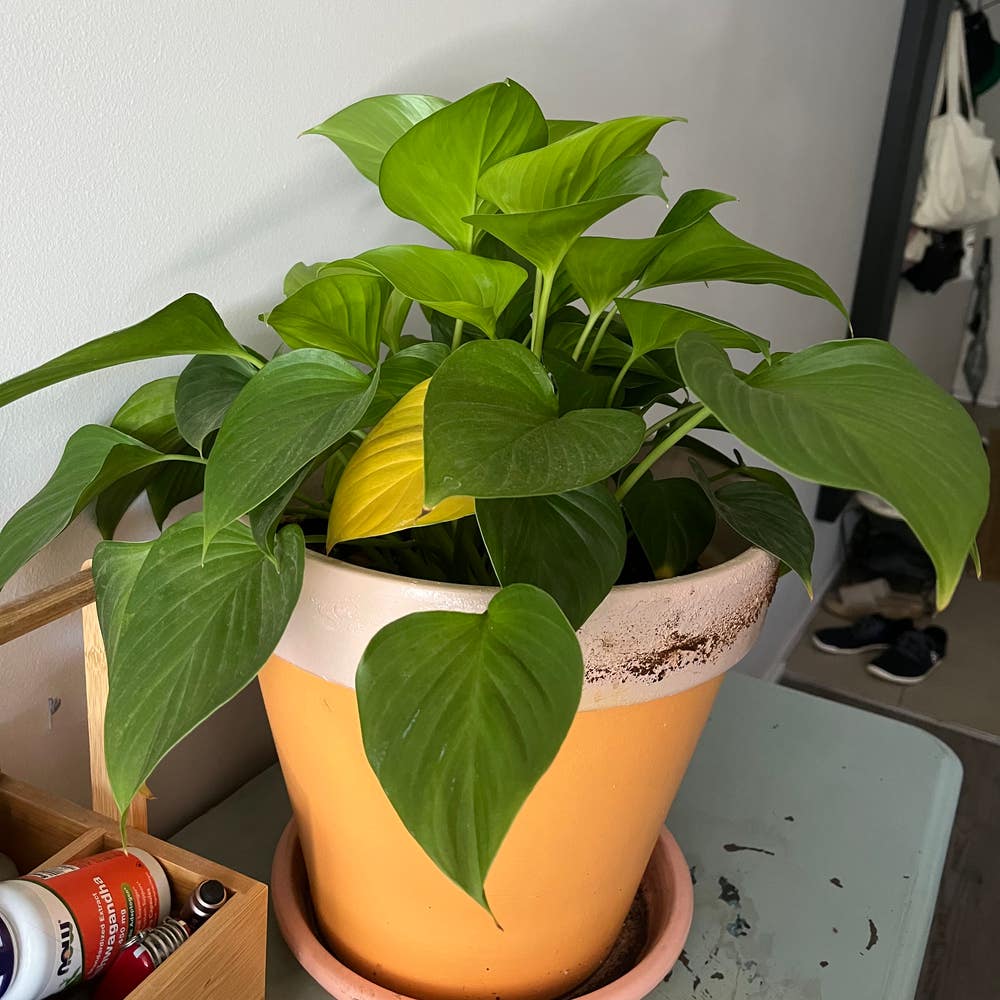
🔍 Ultimate Guide to Homalomena doctersii
Homalomena doctersii
By the Greg Editorial Team
Feb 27, 2025•11 min read
This article was created with the help of AI so we can cover more plants for you. May contain errors. See one? Report it here.
- 🌱 Homalomena doctersii thrives in humidity of 60-80% and indirect light.
- 🌡️ Ideal temperature range is 18°C to 27°C (65°F to 80°F) for optimal growth.
- 🌿 Low maintenance and air-purifying, this plant enhances indoor aesthetics and health.
How to Grow
Choosing a Location 🌞
When selecting a spot for your Homalomena doctersii, aim for indirect light. While it can tolerate low light, it thrives best in bright, filtered sunlight.
Humidity is crucial for this plant, with a preference for levels between 60-80%. Keep it in a warm environment, ideally between 18°C to 27°C (65°F to 80°F), to promote healthy growth.
Soil Preparation 🌱
For soil, choose a well-draining potting mix enriched with organic matter. The ideal pH level should be slightly acidic to neutral, ranging from 5.5 to 7.0.
Planting 🌿
When planting outdoors, space your Homalomena 12-18 inches apart to allow for growth. Ensure you plant it at the same depth as it was in the nursery pot for optimal health.
Watering 🚰
Water your plant when the top inch of soil feels dry to the touch. Be sure to water thoroughly until it drains from the bottom, ensuring the roots receive adequate moisture.
Fertilizing 🍽️
Use a balanced liquid fertilizer, such as NPK 20-20-20, to nourish your plant. Fertilize every 4-6 weeks during the growing season for the best results.
Pruning ✂️
Prune your Homalomena as needed to remove any dead or yellowing leaves. Use clean, sharp scissors to cut at the base of the leaf stem for a tidy appearance.
Ongoing Care 🛡️
Regularly monitor your plant's health by checking for pests and the condition of the leaves. In winter months, reduce watering to accommodate the plant's lower growth rate.
This comprehensive care guide will help you cultivate a thriving Homalomena doctersii. Next, let’s explore the exciting world of propagation!
Propagation
🌱 Methods of Propagation
Propagation of Homalomena doctersii can be achieved through two primary methods: division and cuttings. Both techniques are effective and can help you expand your plant collection.
📋 Step-by-Step Instructions for Each Method
1. Division
- Start by carefully removing the plant from its pot.
- Gently separate the root ball into sections, ensuring each section has roots attached.
- Replant each section in its own pot, providing them with fresh soil.
2. Cuttings
- Select a healthy stem and cut just below a node.
- Place the cutting in water or moist soil, and wait for roots to develop, which typically takes 2-4 weeks.
🌡️ Ideal Conditions for Successful Propagation
For optimal results, create a warm, humid environment for your cuttings. A simple trick is to cover them with a plastic bag or dome to retain moisture, promoting healthy root growth.
With these methods, you'll be well on your way to successfully propagating your Homalomena doctersii. Next, let’s explore the lifecycle of this fascinating plant and what to expect as it grows.
Lifecycle
Stages of Growth 🌱
Understanding the growth stages of Homalomena doctersii is essential for successful cultivation.
- Germination: This initial phase takes about 2-3 weeks from seed.
- Seedling Stage: After germination, expect 4-6 weeks until true leaves develop.
- Vegetative Growth: The plant enters a robust growth phase lasting 6-12 months, where it builds its structure.
- Flowering: While rare indoors, flowering can occur in optimal conditions, adding a delightful surprise to your plant care journey.
Lifespan and Growth Rate ⏳
With proper care, Homalomena doctersii can thrive for 5-10 years.
- Time to Maturity: It typically takes about 1-2 years to reach full size.
- Growth Rate: Expect a moderate growth rate of 6-12 inches per year, depending on environmental conditions.
Understanding these lifecycle stages helps you anticipate your plant's needs and celebrate its growth milestones. As you nurture your Homalomena doctersii, you'll witness its transformation, making the experience all the more rewarding.
Next, let’s explore how to manage its size effectively.
Size
Mature Dimensions 🌱
Homalomena doctersii can reach impressive heights of 1 to 3 feet tall, making it a striking addition to any indoor space. Its spread typically ranges from 1 to 2 feet wide, allowing it to fill out beautifully without overwhelming its surroundings.
Growth Rate and Size Variability 📈
This plant exhibits a moderate growth rate, generally growing between 6 to 12 inches per year. However, its size can vary significantly based on environmental factors such as light, humidity, and nutrient availability.
In lower light conditions, you might notice slower growth and smaller dimensions. Providing optimal conditions will ensure your Homalomena doctersii thrives and reaches its full potential.
As you nurture your plant, keep an eye on its growth patterns. Adjusting care based on its needs can lead to a more robust and vibrant specimen.
With the right attention, your Homalomena can become a stunning focal point in your home. Now that you understand its size and growth, let’s explore the fascinating lifecycle of this resilient plant.
Roots
Characteristics of the Root System 🌱
Homalomena doctersii features a fibrous root system that is both shallow and extensive. Typically, the roots grow to a depth of 6-12 inches and can spread outward up to 2 feet, allowing the plant to absorb nutrients efficiently.
Common Root-Related Issues ⚠️
Two common problems can affect the health of your plant's roots. Root rot occurs due to overwatering, resulting in mushy roots, while being rootbound happens when the roots fill the pot, restricting growth and nutrient uptake.
Visual Cues for Healthy vs. Unhealthy Roots 👀
Identifying root health is crucial for your plant's overall well-being. Healthy roots are firm and exhibit a white or light tan color, whereas unhealthy roots appear dark, mushy, or may emit a foul smell.
Tips for Managing Root Health 🛠️
To maintain robust root health, watch for signs of rootbound plants, such as roots growing out of drainage holes. If you notice this, it's time to repot your Homalomena doctersii into a larger container to give it room to thrive.
With proper attention to the roots, your plant will flourish, setting the stage for vibrant growth and longevity. Next, let’s explore the benefits of growing this remarkable plant.
Benefits
Top 5 Benefits of Growing Homalomena doctersii 🌱
Air-purifying qualities: This plant excels at removing toxins from the air, making it a fantastic choice for improving indoor air quality.
Aesthetic appeal: With its large, glossy leaves, Homalomena doctersii adds a touch of elegance to any space, enhancing your home decor effortlessly.
Low maintenance: Perfect for beginners or those with busy lifestyles, this plant requires minimal care while still thriving.
Humidity regulation: It helps maintain moisture levels in the air, creating a more comfortable environment, especially in dry conditions.
Cultural significance: Often associated with good luck and prosperity, having this plant in your home can bring positive vibes and good fortune.
These benefits make Homalomena doctersii not just a beautiful addition to your home, but also a practical one. Whether you're looking to purify the air or simply enjoy its lush appearance, this plant has something to offer everyone.
As you consider adding this gem to your collection, remember that its care is straightforward, allowing you to focus more on enjoying its presence rather than stressing over maintenance.
Next, let’s explore the best companion plants that can enhance your Homalomena doctersii experience even further!
Companion Plants
🌱 Companion Planting Benefits
Companion planting is all about growing plants together to create a thriving ecosystem. This method can enhance growth, improve pest control, and even boost the overall health of your plants.
🤝 Compatible Companion Plants
When it comes to Homalomena doctersii, several plants make excellent companions:
Peace Lily
The Peace Lily shares similar care needs and thrives in high humidity, making it a perfect match.
Pothos
Pothos not only enjoys similar light conditions but also adds a beautiful touch to your indoor space.
Ferns
Ferns help maintain humidity levels and complement the lush aesthetic of Homalomena doctersii.
🚫 Plants to Avoid
While many plants can thrive alongside your Homalomena, some should be kept at a distance.
Cacti
Cacti prefer dry conditions and can create an unfavorable environment for your moisture-loving Homalomena.
By selecting the right companions, you can create a harmonious indoor garden that enhances the beauty and health of your plants. This thoughtful approach not only benefits your Homalomena doctersii but also enriches your overall gardening experience.
Next, let's explore the potential toxicity of Homalomena doctersii to humans, dogs, and cats.
Toxicity to Humans
Potential Irritation 🌿
Homalomena doctersii can cause mild irritation due to its leaves and sap. Symptoms may include skin rashes, itching, and mild gastrointestinal upset, which can occur through skin contact, ingestion, or exposure to the sap.
Guidance on Medical Care 🚑
If symptoms persist or worsen, seek medical attention, although irritation typically resolves on its own. For safe handling, always wear gloves and wash your hands thoroughly after contact to minimize any risk.
By being aware of these potential irritations, you can enjoy your plant without worry. Next, let’s explore how this plant can affect our furry friends—dogs and cats.
Toxicity to Dogs
Potential Irritation 🐶
Homalomena doctersii can pose mild irritation to dogs, primarily through its leaves and sap. Symptoms may include drooling, pawing at the mouth, and mild vomiting.
Likelihood of Interaction 🐾
Dogs are often drawn to this plant due to its appealing texture. Their curiosity can lead to unwanted nibbling, so it's essential to monitor their interactions.
Guidance on Veterinary Care 🩺
If your dog shows persistent symptoms or if they worsen, it's wise to seek veterinary care. Generally, the irritation is self-limiting and resolves on its own, but keeping an eye on your furry friend is always a good idea.
Toxicity to Cats
Potential Irritation 🐾
Homalomena doctersii can pose mild irritation to cats. The leaves and sap may cause symptoms such as drooling, pawing at the mouth, and mild vomiting.
Likelihood of Interaction 🐱
Curiosity often drives cats to nibble on the leaves. This behavior can lead to the aforementioned symptoms, so it's essential to monitor their interactions with the plant.
Guidance on Veterinary Care 🩺
If your cat shows persistent or worsening symptoms, seek veterinary care. Generally, the irritation is self-limiting, but it's always better to be safe and ensure your furry friend is healthy.
Problems
Common Problems Faced 🌱
Growing Homalomena doctersii can be rewarding, but it comes with its share of challenges. Incorrect watering is a primary concern; overwatering can lead to root rot, while underwatering causes wilting.
Another issue is light conditions. Too much direct sunlight can scorch the leaves, while insufficient light can stunt growth. Additionally, cold drafts can negatively impact the plant's health, leading to stunted growth.
Identification and Solutions 🔍
Identifying watering issues is crucial for maintaining plant health. Yellowing leaves often indicate overwatering, while dry, crispy leaves signal underwatering.
For light-related problems, look for signs like leaf scorch or fading color, which suggest too much light exposure. To remedy these issues, allow the soil to dry out before watering again and relocate the plant to a spot with filtered light.
By staying vigilant and adjusting care practices, you can keep your Homalomena doctersii thriving. Next, let’s explore potential pest issues that may arise.
Bugs
Potential Pest Issues 🐜
While Homalomena doctersii is known for its pest resistance, it can still encounter a few unwelcome guests. Keeping an eye out for pests is essential to maintain the plant's health.
Identification and Damage 🔍
Spider Mites: Look for fine webbing on the leaves, which can lead to yellowing foliage. These tiny pests thrive in dry conditions and can quickly become a problem if not addressed.
Mealybugs: These appear as white, cotton-like masses on the stems and leaves. They can weaken the plant by sucking out its sap, leading to stunted growth.
Treatment Options 💊
To combat spider mites, increase humidity around your plant and consider using insecticidal soap. This approach helps create an environment that's less favorable for these pests.
For mealybugs, you can remove them by hand or treat the affected areas with neem oil. This natural solution is effective and safe for your plant.
By staying vigilant and addressing these issues promptly, you can keep your Homalomena doctersii thriving and beautiful. Next, let’s explore what animals might be tempted to snack on your plant.
What Eats
🦌 Common Animals That May Damage
When it comes to your Homalomena doctersii, watch out for deer and rabbits. Deer may nibble on the leaves, leaving behind irregular holes, while rabbits can munch on young leaves and stems.
🐾 Signs of Animal Presence
Keep an eye out for signs of these critters. Chewed leaves and droppings near your plant are clear indicators that animals are taking an interest in your greenery.
🚫 Deterring Methods
To protect your plant, consider using chemical deterrents like commercial repellents. Alternatively, you can plant strong-smelling herbs nearby, which can naturally deter these hungry visitors.
By taking these precautions, you can help ensure your Homalomena doctersii thrives without unwanted guests. Next, let’s explore the potential pest issues that can affect your plant.
⚠️ Safety First
This content is for general information and may contain errors, omissions, or outdated details. It is not medical, veterinary advice, or an endorsement of therapeutic claims.
Always consult a qualified healthcare professional before using any plant as food, medicine, or supplement.
Never eat any plant (or feed one to pets) without confirming its identity with at least two trusted sources.
If you suspect poisoning, call Poison Control (800) 222-1222, the Pet Poison Helpline (800) 213-6680, or your local emergency service immediately.
Spotted an error? Please report it here.
Nurture your Homalomena doctersii to thrive beautifully 🌿 with Greg's tailored care reminders and expert tips that keep your plant healthy and vibrant for years!