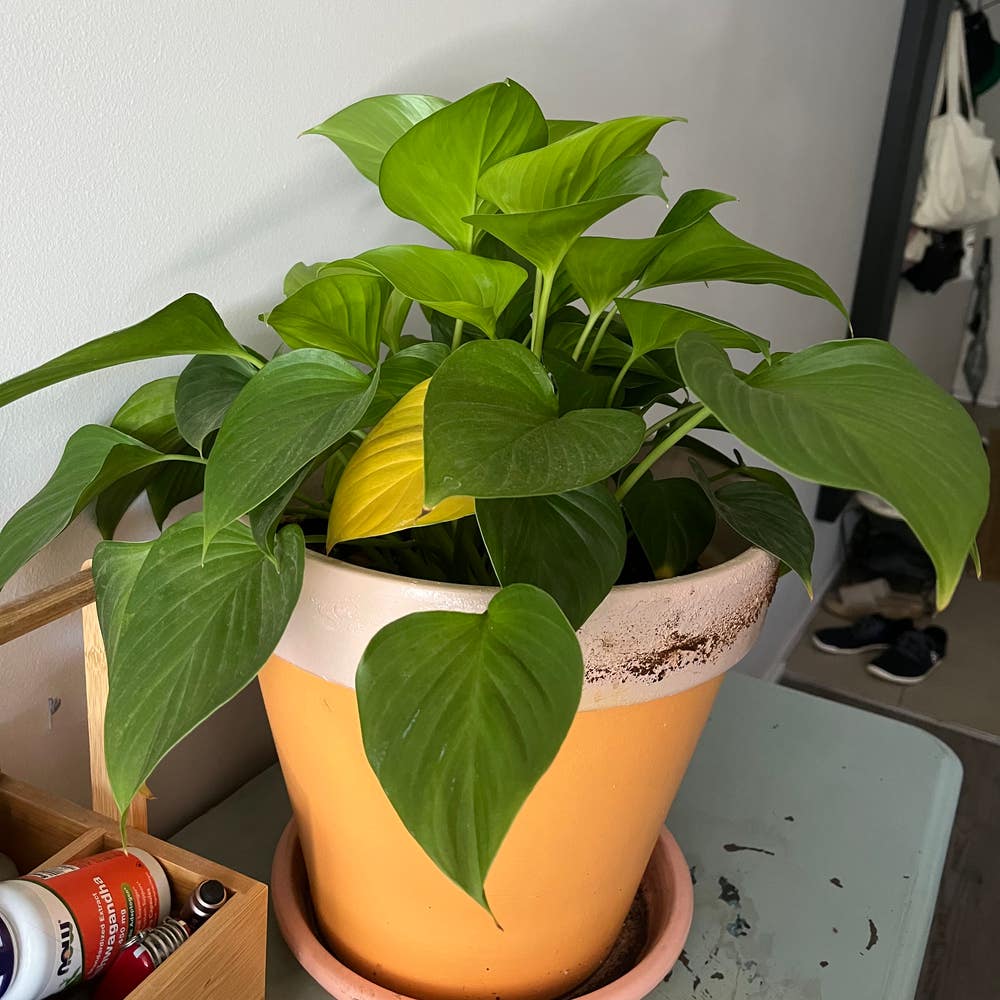
Understanding Homalomena curvata: The Basics
Homalomena curvata
By the Greg Editorial Team
Feb 27, 2025•12 min read
This article was created with the help of AI so we can cover more plants for you. May contain errors. See one? Report it here.
Elevate your home with the stunning Homalomena curvata 🌱—a low-maintenance beauty that purifies air and enhances decor!
- 🌱 Homalomena curvata thrives in bright, indirect light and high humidity for best growth.
- 💧 Water when the top inch is dry to prevent root rot and ensure health.
- 🌿 Low maintenance and air-purifying, perfect for beginners and busy lifestyles!
How to Grow
🌞 Choosing a Location
To thrive, Homalomena curvata needs bright, indirect light indoors. Direct sunlight can scorch its leaves, so find a cozy spot that offers filtered light.
Outdoors, this plant prefers shaded areas with high humidity. A sheltered nook under trees or a covered patio can provide the perfect environment.
🌱 Soil Preparation
For optimal growth, use well-draining soil rich in organic matter. This ensures that the roots receive adequate nutrients while preventing waterlogging.
Aim for a soil pH that is slightly acidic to neutral, ideally between 6.0 and 7.0. This range supports healthy root development and overall plant vitality.
🌿 Planting Techniques
When planting, choose a container that is at least 6-8 inches in diameter for young plants. This size allows for proper root expansion.
Ensure the root ball is level with the soil surface during planting. This helps the plant establish itself without the risk of rot.
💧 Watering Requirements
Water your Homalomena curvata when the top inch of soil feels dry. This prevents overwatering, which can lead to root rot.
When watering, do so thoroughly until excess water drains from the bottom. This ensures that the roots receive adequate moisture without sitting in water.
🌼 Fertilizing Schedule
Use a balanced liquid fertilizer, such as NPK 20-20-20, to nourish your plant. This type of fertilizer provides essential nutrients for healthy growth.
Fertilize every 4-6 weeks during the growing season. This regular feeding supports robust development and vibrant foliage.
✂️ Pruning Methods
Prune your plant in spring to encourage bushier growth. This is the best time to shape your Homalomena curvata.
Remove any yellowing leaves and leggy growth. This not only improves appearance but also promotes healthier new growth.
🌧️ Ongoing Care Tips
Maintain humidity levels above 50% for optimal health. Consider using a humidifier or placing a tray of water near the plant to boost moisture.
Keep temperatures within the ideal range of 18°C to 27°C (65°F to 80°F). This temperature range supports active growth and overall well-being.
With these care tips, your Homalomena curvata will flourish, bringing beauty and life to your space. Next, let's explore how to propagate this resilient plant for even more greenery!
Propagation
🌱 Methods of Propagation
Homalomena curvata can be propagated through two primary methods: cuttings and division.
Cuttings: This method involves taking 4-6 inch stem cuttings that include at least one node. The difficulty level is moderate, but with the right care, it can be quite rewarding.
Division: This is an easier method where you separate clumps of the plant during repotting. It’s a straightforward way to increase your plant collection.
📝 Step-by-Step Instructions for Each Method
✂️ Cuttings
Prepare the Pot: Start by filling a pot with moist potting mix. This will provide a nurturing environment for your cutting.
Insert the Cutting: Place the cutting into the soil, making sure the node is buried. This is crucial for root development.
Maintain Humidity: Cover the pot with a plastic bag to keep humidity high. This helps the cutting root within 2-4 weeks.
🌿 Division
Remove the Plant: Gently take the plant out of its pot. Be careful not to damage the roots during this process.
Separate the Clumps: Gently pull apart the root clumps. Each division should have a healthy portion of roots.
Replant: Place each division in its own pot filled with fresh soil. This gives them the best chance to thrive independently.
With these propagation techniques, you can easily expand your Homalomena curvata collection. Whether you choose cuttings or division, both methods can lead to successful new plants. Now that you know how to propagate, let’s explore the lifecycle of this fascinating plant.
Lifecycle
Lifecycle Stages 🌱
Homalomena curvata is a perennial plant, meaning it can live for multiple years under the right conditions. This longevity allows it to thrive and adapt over time, making it a rewarding addition to any indoor garden.
Germination Process 🌱
Germination typically takes 2-4 weeks when optimal conditions are met. Providing warmth and moisture will help kickstart this exciting phase.
Seedling Stage 🌱
Once germinated, the seedling stage lasts about 4-6 weeks until true leaves begin to develop. During this time, proper care is crucial to ensure healthy growth.
Vegetative Growth 🌱
In the vegetative growth phase, Homalomena curvata experiences rapid growth with adequate care. This is when the plant truly begins to flourish, showcasing its lush foliage.
Flowering and Seed Production 🌱
Flowering is rare for this plant in indoor settings, often producing small, inconspicuous flowers if it does. While the blooms may not be showy, they signify the plant's health and vitality.
Lifespan and Growth Rate 🌱
With proper care, Homalomena curvata can live for several years. Its moderate growth rate means it typically reaches maturity in about 2-3 years, rewarding patience with a beautiful, established plant.
This lifecycle overview highlights the importance of nurturing your Homalomena curvata through each stage. As we move forward, let’s explore how to effectively propagate this resilient plant.
Size
Mature Height and Spread 🌱
Homalomena curvata typically reaches a mature height of 1 to 3 feet. Its spread can vary from 1 to 2 feet wide, depending on the growing conditions.
Growth Rate and Time to Full Size ⏳
This plant takes approximately 2 to 3 years to reach its full size. With proper care, you can enjoy its lush foliage in just a few seasons.
Size Variability Based on Conditions 🌦️
Several factors influence the size of your Homalomena curvata. Light exposure, humidity levels, and soil quality all play crucial roles in determining how robust your plant will become.
Understanding these aspects can help you create the ideal environment for your plant's growth. By optimizing these conditions, you can ensure your Homalomena thrives and showcases its stunning foliage.
Roots
Root System Characteristics 🌱
Homalomena curvata features a fibrous root system that supports its growth and stability. This type of root structure allows the plant to absorb nutrients efficiently while anchoring it securely in the soil.
Depth and Spread of Roots 🌍
The roots of this plant are generally shallow, spreading horizontally rather than deep. This characteristic makes it essential to provide a wide pot to accommodate its growth.
Common Root-Related Issues 🚫
One of the most common problems faced by Homalomena curvata is root rot, primarily caused by overwatering. To prevent this issue, ensure proper drainage in the potting mix and avoid letting the plant sit in excess water.
Identifying Healthy vs. Unhealthy Roots 🔍
Healthy roots are firm, white, and spread throughout the soil, indicating good health and nutrient uptake. In contrast, unhealthy roots appear brown, mushy, or emit a foul smell, signaling that something is wrong.
Recognizing Rootbound Plants 🔄
You can identify a rootbound plant by observing roots growing out of the drainage holes or circling the pot. If you notice these signs, it’s time to repot your Homalomena curvata into a larger container to give it room to thrive.
Understanding the root system of your Homalomena curvata is crucial for its overall health. With proper care, you can ensure that your plant remains vibrant and flourishing. Next, let’s explore the numerous benefits of growing this beautiful plant.
Benefits
Top 5 Benefits of Growing Homalomena curvata 🌿
1. Air Purification
Homalomena curvata is a natural air purifier. It effectively filters toxins from the air, contributing to a healthier indoor environment.
2. Aesthetic Appeal
With its large, glossy leaves, this plant adds a touch of elegance to any space. Its vibrant foliage can enhance your home decor, making it a stylish choice for plant lovers.
3. Low Maintenance
This plant is perfect for beginners. It requires minimal care, making it an excellent option for those who may not have a green thumb.
4. Humidity Boost
Homalomena curvata thrives in high humidity, which can help increase moisture levels in dry environments. This is particularly beneficial during winter months when indoor air tends to be drier.
5. Symbolism
In various cultures, this plant symbolizes peace and tranquility. Having it in your home can create a calming atmosphere, promoting relaxation and well-being.
These benefits make Homalomena curvata not just a beautiful addition to your home but also a practical one. As we explore further, you'll discover how to care for this remarkable plant to maximize its advantages.
Companion Plants
🌱 Concept of Companion Planting
Companion planting is all about creating a harmonious garden environment. It enhances biodiversity and can help with pest management, making your plant care journey smoother and more rewarding.
🌼 Best Companion Plants
When it comes to Homalomena curvata, certain plants thrive alongside it. Consider these suitable companions:
- Ferns: They enjoy similar humidity levels and can create a lush, green backdrop.
- Peace Lilies: These plants share light and water needs, making them perfect partners.
- Pothos: Known for their resilience, pothos can adapt to various conditions, complementing your Homalomena beautifully.
🚫 Plants to Avoid
While some plants make great companions, others can create challenges. Steer clear of:
- Cacti: They require much less water and thrive in dry conditions, which can conflict with the needs of your Homalomena.
- Succulents: Similar to cacti, succulents prefer drier environments and can lead to overwatering issues for your Homalomena.
By choosing the right companions, you can create a thriving indoor garden that not only looks great but also supports the health of your Homalomena curvata. Next, let’s explore the potential toxicity of this plant to humans, dogs, and cats, ensuring a safe environment for your loved ones.
Toxicity to Humans
Homalomena curvata is generally safe for humans, as it is not listed as toxic by major poison control centers. However, it's wise to be cautious; consuming large quantities may lead to mild skin irritation or digestive discomfort.
Always exercise caution with any plant. If you experience unusual symptoms after contact or consumption, seek medical advice promptly.
Toxicity to Dogs
Homalomena curvata is not listed as toxic by major pet poison control centers, making it a safer choice for dog owners. However, if your furry friend decides to munch on this plant, it may lead to mild gastrointestinal upset if consumed in large quantities.
🐶 Tips for Introducing to Homes with Dogs
To ensure a harmonious coexistence, consider the following tips:
- Proper Placement: Position the plant out of reach of curious paws. High shelves or hanging planters can be effective.
- Monitor Behavior: Keep an eye on your dog’s interactions with the plant. If they show interest, redirect their attention to dog-friendly toys or treats.
By taking these precautions, you can enjoy the beauty of Homalomena curvata while keeping your canine companion safe.
As we explore further, let’s dive into the potential toxicity of this plant to cats.
Toxicity to Cats
Homalomena curvata is not listed as toxic by major pet poison control centers, making it a safe choice for cat owners. However, if your feline friend decides to munch on the leaves, it may cause mild gastrointestinal upset if consumed in large quantities.
🐾 Tips for Introducing to Homes with Cats
To ensure a harmonious living environment, consider proper placement of your plant. Keep it out of reach of curious paws and monitor your cat's behavior around it.
By taking these precautions, you can enjoy the beauty of Homalomena curvata without worrying about your furry companion's health. Now, let’s explore the common problems that may arise while caring for this lovely plant.
Problems
Common Problems Faced 🌱
Incorrect Watering
Watering is a crucial aspect of plant care. If you notice yellowing leaves, your plant may be overwatered, while wilting can indicate underwatering.
Incorrect Light Conditions
Light plays a significant role in plant health. Leaf scorch suggests too much light, whereas leggy growth indicates insufficient light.
Incorrect Temperature
Temperature fluctuations can stress your plant. Stunted growth or leaf drop often signals that the temperature is outside the ideal range.
Diseases
Homalomena curvata can face diseases like powdery mildew and root rot. To combat these issues, improve air circulation and avoid overwatering.
Leaf Issues
Leaf problems can manifest as scorching or fuzzy growth. Adjusting light and humidity levels can help restore your plant's health.
By staying vigilant and addressing these common problems, you can ensure your Homalomena curvata thrives. Next, let’s explore the potential pest issues that may arise.
Bugs
Potential Pest Issues 🐜
While Homalomena curvata is generally pest-resistant, it can still fall victim to a few common pests. Keeping an eye on your plant can help you catch any issues early.
Identification and Damage Caused by Pests 🔍
Spider Mites
Spider mites are sneaky little pests that can wreak havoc on your plant. Look for fine webbing and stippled leaves as signs of their presence.
- Treatment: Increase humidity around the plant and apply insecticidal soap to eliminate these pests.
Mealybugs
These pests appear as cotton-like masses on the leaves, making them easy to spot. They can weaken your plant by sucking out its sap.
- Treatment: Remove mealybugs by hand or use neem oil for effective control.
Aphids
Aphids can be a nuisance, leaving behind a sticky residue and causing leaves to curl. They multiply quickly, so it's essential to act fast.
- Treatment: Introduce beneficial insects like ladybugs or use insecticidal soap to manage their population.
By staying vigilant and addressing these pest issues promptly, you can keep your Homalomena curvata thriving. Next, let’s explore the common problems that may arise in your plant care journey.
What Eats
🦌 Common Animals That May Damage
Homalomena curvata can attract a variety of hungry critters. Watch out for deer, rabbits, squirrels, and rodents, as they may find your plant a tasty snack.
🕵️♂️ Signs of Animal Presence
Identifying animal damage is crucial for timely intervention. Look for signs like chewed leaves, droppings, and tracks around your plant, which indicate that your green friend has caught the attention of local wildlife.
🚫 Methods for Deterring Animals
Protecting your plant from these pests can be achieved through various methods.
Chemical Methods
Consider using commercial repellents that are designed to deter animals from munching on your plants. These products can create an unpleasant taste or smell that keeps pests at bay.
Organic Methods
For a more natural approach, plant deterrent species nearby or use physical barriers like fencing. These strategies can help create a protective buffer around your Homalomena curvata, ensuring it thrives without unwanted visitors.
With these tips, you can enjoy the beauty of your plant while keeping it safe from hungry animals. Next, let’s explore the potential pest issues that can affect your Homalomena curvata.
⚠️ Safety First
This content is for general information and may contain errors, omissions, or outdated details. It is not medical, veterinary advice, or an endorsement of therapeutic claims.
Always consult a qualified healthcare professional before using any plant as food, medicine, or supplement.
Never eat any plant (or feed one to pets) without confirming its identity with at least two trusted sources.
If you suspect poisoning, call Poison Control (800) 222-1222, the Pet Poison Helpline (800) 213-6680, or your local emergency service immediately.
Spotted an error? Please report it here.
Unlock the secret to a thriving Homalomena curvata 🌿 with Greg's tailored care reminders that ensure your plant flourishes in its perfect indoor paradise!