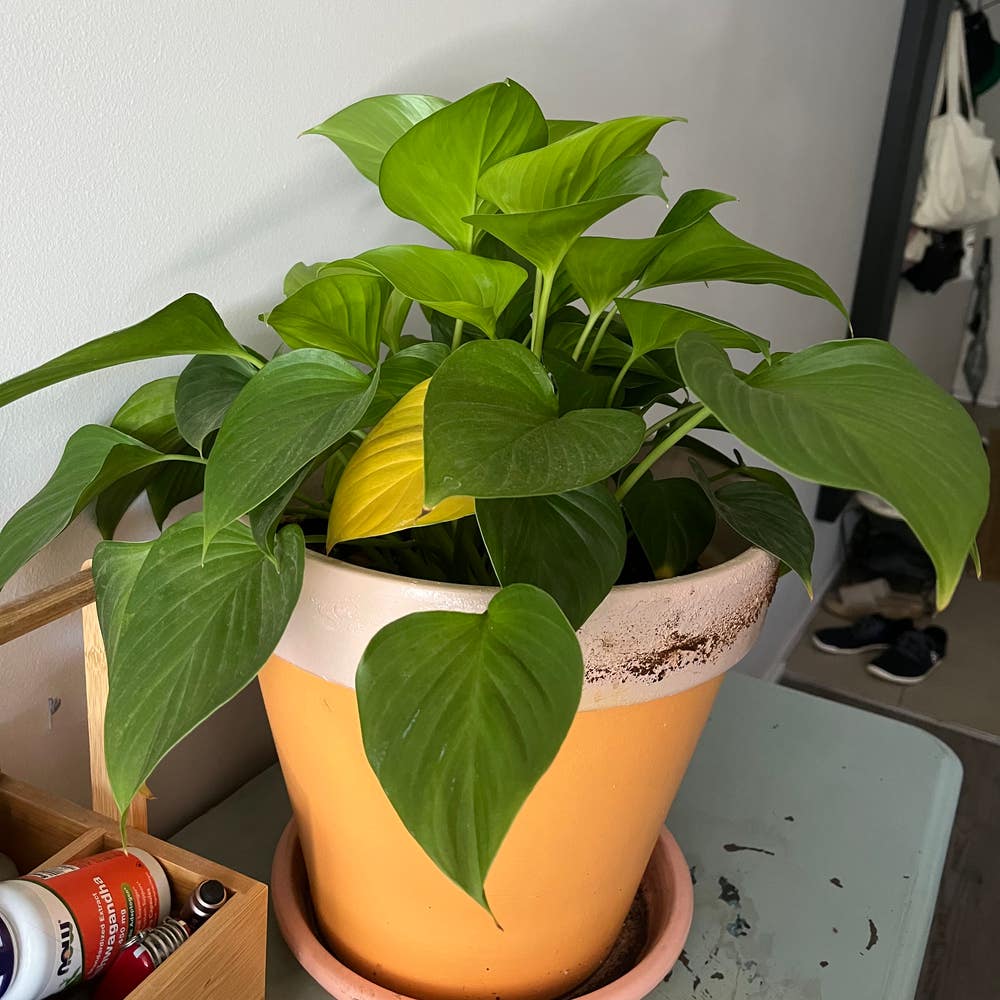
Everything You Need to Know About Homalomena corneri 🍃
Homalomena corneri
By the Greg Editorial Team
Feb 27, 2025•12 min read
This article was created with the help of AI so we can cover more plants for you. May contain errors. See one? Report it here.
Elevate your indoor oasis with the stunning Homalomena corneri 🌱—a low-maintenance beauty that purifies your air effortlessly!
- 🌞 Homalomena corneri thrives in indirect light; ideal near east or north windows.
- 💧 Water when the top inch is dry to prevent root rot and ensure health.
- 🌿 All parts are toxic; keep away from pets and children for safety.
How to Grow
Choosing a Location 🌞
To thrive, Homalomena corneri prefers a cozy spot near east or north-facing windows, where it can bask in indirect light. If you're considering outdoor placement, opt for shaded areas that receive filtered sunlight to keep your plant happy.
Soil Preparation 🌱
For optimal growth, use a well-draining potting mix enriched with organic matter. Aim for a pH level between 6.0 and 7.0, which is slightly acidic to neutral, ensuring your plant's roots can absorb nutrients effectively.
Planting Techniques 🌿
When planting, choose a container that's at least 6-8 inches in diameter for young plants. Make sure to position the root ball level with the soil surface to promote healthy growth.
Watering Requirements 🚰
Water your Homalomena corneri when the top inch of soil feels dry to the touch. Be cautious of overwatering; yellowing leaves and root rot are clear signs that your plant is unhappy.
Fertilizing Schedule 🍽️
During the growing season, feed your plant with a balanced liquid fertilizer every 4-6 weeks. Always dilute it to half-strength to prevent nutrient burn, ensuring your plant gets just the right amount of nourishment.
Pruning Methods ✂️
Spring is the perfect time to prune your Homalomena corneri, encouraging bushier growth. Focus on removing yellow or damaged leaves and trimming any leggy growth to keep your plant looking its best.
Ongoing Care Tips 🌬️
Maintaining humidity levels above 50% is crucial for your plant's health. Use a humidifier or a pebble tray to create a suitable environment, and keep temperatures between 18°C to 27°C (65°F to 80°F) for optimal growth.
With these care tips, your Homalomena corneri will flourish, bringing lush greenery into your space. Next, let’s explore how to propagate this beautiful plant!
Propagation
🌱 Division Method (difficulty: moderate)
Propagation through division is best performed in spring during repotting. This method involves carefully separating root clumps and replanting them in new pots to encourage growth.
✂️ Stem Cuttings (difficulty: easy)
For stem cuttings, select healthy stems and cut them to a length of 4-6 inches. Use a rooting medium that combines perlite and peat moss, and expect rooting to take about 2-4 weeks in a warm, humid environment.
🌿 Offsets (difficulty: easy)
Offsets are small plants that grow at the base of the parent plant. To propagate, gently twist or cut these offsets away from the parent, ensuring they have some roots attached for successful growth.
This propagation knowledge not only enhances your plant collection but also deepens your connection with Homalomena corneri. Ready to explore the lifecycle of this fascinating plant? Let's dive into its stages next!
Lifecycle
Lifecycle Stages 🌱
Homalomena corneri is a perennial plant, thriving for several years. Its lifecycle is marked by distinct stages that contribute to its growth and development.
Germination Process 🌱
Seeds of Homalomena corneri typically germinate within 2-4 weeks under optimal conditions. This quick turnaround sets the stage for the plant's journey.
Seedling Stage 🌱
The seedling stage lasts approximately 4-6 weeks before the plant transitions to vegetative growth. During this time, the young plant establishes its roots and begins to develop its first true leaves.
Vegetative Growth 🌱
In the vegetative growth phase, the plant exhibits a moderate growth rate, adding several inches each month. This is when the plant starts to fill out and showcase its lush foliage.
Flowering and Seed Production 🌱
Flowering is rare for Homalomena corneri in indoor conditions, typically occurring only in optimal outdoor settings. When it does flower, it can produce seeds, contributing to its propagation.
Lifespan and Growth Rate 🌱
The plant takes about 2-3 years to reach full maturity, showcasing its impressive growth. With a moderate growth speed of approximately 6-12 inches per year, it steadily becomes a striking addition to any space.
As we explore the lifecycle of Homalomena corneri, we can appreciate the beauty and resilience of this plant. Next, let’s delve into its size and how various factors influence its growth.
Size
Mature Height and Spread 🌱
Homalomena corneri typically reaches an average height of 1 to 3 feet. Its spread can range from 1 to 2 feet wide, depending on the growing conditions.
Growth Rate and Size Variability 📈
Several factors can influence the size of your plant. Light levels, humidity, and soil quality all play crucial roles in determining how large your Homalomena corneri will grow.
Impact of Growing Conditions on Size 🌦️
To achieve optimal growth, aim for higher humidity and provide indirect light. These conditions can significantly promote larger and healthier plants, enhancing their overall appearance.
As you nurture your Homalomena corneri, remember that the right environment can make all the difference in its size and vitality. Next, let’s explore the fascinating root system of this plant and how it contributes to its health.
Roots
Root System Characteristics 🌱
Homalomena corneri features a fibrous root system that supports its growth and stability. This type of root structure allows the plant to absorb nutrients efficiently from the soil.
Depth and Spread of Roots 📏
Typically, the roots can extend 6-12 inches deep, providing a solid foundation. They generally spread out within the top 12 inches of soil, which is crucial for accessing moisture and nutrients.
Common Root-Related Issues ⚠️
One of the most common problems is root rot, often caused by overwatering. Symptoms include mushy roots and yellowing leaves, indicating that the plant is struggling.
Identifying Healthy vs. Unhealthy Roots 🔍
Healthy roots are firm, white, and spread evenly throughout the soil. In contrast, unhealthy roots appear dark, mushy, or may even emit a foul smell, signaling a need for immediate attention.
Recognizing Rootbound Plants 🪴
If you notice roots growing out of drainage holes or circling the pot, your plant may be rootbound. The solution is simple: repot into a larger container to give the roots more space to thrive.
Understanding the root system of your Homalomena corneri is essential for maintaining its health. With proper care, you can prevent common issues and ensure your plant flourishes. Next, let’s explore the benefits of having this beautiful plant in your home.
Benefits
Top 5 Benefits 🌟
Air Purification
Homalomena corneri is celebrated for its air-purifying qualities. It effectively removes toxins from the air, making it a great addition to your indoor environment.
Aesthetic Appeal
This plant adds a touch of lush greenery to any space. Its vibrant leaves can enhance the overall aesthetic of your home or office.
Low Maintenance
One of the best features of Homalomena corneri is its low maintenance requirements. It thrives with minimal care, making it perfect for busy plant lovers.
Humidity Enhancement
Homalomena corneri helps to increase humidity levels in dry environments. This can be particularly beneficial during winter months when indoor air tends to be drier.
Symbolism
In many cultures, this plant symbolizes peace and tranquility. Having it in your space can promote a calming atmosphere, enhancing your overall well-being.
These benefits make Homalomena corneri not just a beautiful plant, but also a practical choice for improving your indoor environment. With its air-purifying abilities and low maintenance needs, it’s a fantastic option for anyone looking to enhance their living space.
Next, let’s explore the concept of companion planting and discover which plants pair well with Homalomena corneri.
Companion Plants
🌱 Concept of Companion Planting
Companion planting is all about creating a harmonious garden environment. It enhances diversity and can significantly improve pest management, making your plant care journey smoother.
🌼 Best Companion Plants
When it comes to Homalomena corneri, some plants thrive alongside it.
- Peace Lily: This beauty shares similar care needs and humidity preferences, making it a perfect match.
- Ferns: They not only provide a lush backdrop but also flourish in similar conditions, creating a vibrant indoor jungle.
🚫 Plants to Avoid
While some plants are great companions, others can be problematic.
- Cacti: These spiky friends prefer dry conditions and may compete for moisture, which can stress your Homalomena corneri.
By choosing the right companions, you can create a thriving indoor ecosystem that benefits all your plants. Next, let’s explore the toxicity of Homalomena corneri to humans, dogs, and cats, ensuring you keep your loved ones safe.
Toxicity to Humans
Toxic Parts 🌿
All parts of the Homalomena corneri plant are considered toxic, with the leaves and sap being particularly harmful. It's crucial to handle this plant with care to avoid any potential health risks.
Symptoms of Toxicity 🤢
If ingested, common symptoms include nausea, vomiting, diarrhea, abdominal pain, and dizziness. These reactions can vary in severity depending on the amount consumed.
How Poisoning Can Occur ⚠️
Poisoning can occur through the ingestion of plant parts or exposure to the sap. Even small amounts can lead to discomfort, so it's best to keep this plant out of reach of children and pets.
When to Seek Medical Care 🚑
Immediate medical attention is necessary if ingestion occurs or if severe symptoms develop. Don't hesitate to contact a healthcare professional if you suspect poisoning.
This information highlights the importance of being cautious with Homalomena corneri. Understanding its toxicity helps ensure a safe environment for everyone. Next, we’ll explore how this plant can affect our furry friends.
Toxicity to Dogs
Toxic Parts 🐶
All parts of the Homalomena corneri plant are toxic to dogs, with the leaves being particularly harmful. It's crucial to be aware of this if you have a curious pup that loves to explore.
Symptoms of Poisoning 🤢
If a dog ingests any part of this plant, you may notice symptoms such as drooling, vomiting, diarrhea, weakness, and tremors. These signs can escalate quickly, so vigilance is key.
Prevention Measures 🛡️
To keep your furry friend safe, place the plant out of reach and supervise them during outdoor time. Creating a pet-friendly environment is essential for their well-being.
Importance of Veterinary Care 🏥
If you suspect your dog has ingested Homalomena corneri, seek immediate veterinary attention. Quick action can make all the difference in ensuring your pet's health and safety.
With these precautions in mind, you can enjoy your plant while keeping your canine companion safe. Next, let's explore how this plant can affect our feline friends.
Toxicity to Cats
🐱 Toxic Parts
All parts of the Homalomena corneri plant are toxic to cats, with the leaves being particularly harmful. It's crucial to be aware of this if you have feline friends roaming around your home.
🤢 Symptoms of Poisoning
If a cat ingests any part of this plant, you might notice symptoms like drooling, vomiting, diarrhea, weakness, and tremors. These signs can escalate quickly, so vigilance is key.
🚫 Prevention Measures
To keep your cat safe, it's best to keep them indoors and supervise their outdoor time. Creating a cat-friendly environment away from toxic plants can prevent any unfortunate incidents.
🏥 Importance of Veterinary Care
If you suspect your cat has ingested Homalomena corneri, seek immediate veterinary care. Quick action can make a significant difference in your pet's recovery and well-being.
Problems
Common Problems 🌱
Incorrect Watering
Watering is crucial for the health of your Homalomena corneri. Yellowing leaves often signal overwatering, while wilting indicates that the plant is underwatered.
Incorrect Light Conditions
Light conditions can make or break your plant's vitality. Too much light can cause leaf scorch, while insufficient light leads to leggy growth as the plant stretches toward the light source.
Incorrect Temperature
Temperature fluctuations can stress your plant. Leaf drop may occur in cold drafts, while extreme heat can stunt growth, making it essential to maintain a stable environment.
Diseases
Diseases like powdery mildew and root rot can plague your Homalomena. Prevention is key; ensure proper care to keep these issues at bay.
Leaf Issues
Leaf problems can manifest as yellowing or fuzzy growth. These symptoms often indicate nutrient deficiencies or pest infestations, requiring immediate attention to restore your plant's health.
Addressing Problems 🛠️
Identifying and addressing these common issues early can save your plant from significant damage. Regular monitoring and adjustments to care routines will help keep your Homalomena corneri thriving.
Next, let’s explore the potential pest issues that can affect your plant.
Bugs
🐛 Potential Pest Issues
Homalomena corneri is generally pest-resistant, making it a robust choice for indoor gardening. However, it can still fall victim to a few common pests that may require your attention.
🔍 Identification of Common Pests
- Spider Mites: Look for fine webbing on the leaves, often a sign of these tiny pests.
- Mealybugs: These appear as cotton-like masses on stems and leaves, indicating an infestation.
⚠️ Damage Caused by Pests
Pests can cause significant damage, leading to leaf discoloration, stunted growth, and overall decline of your plant. Keeping an eye out for these signs can help you catch issues early.
🧴 Treatment Options
To combat pests, consider using neem oil or insecticidal soap, both effective and safe options. Regular inspections of your plant will help you detect any problems before they escalate, ensuring your Homalomena corneri remains healthy and vibrant.
What Eats
🦌 Common Animals
Homalomena corneri can attract a few hungry visitors. Deer are notorious for munching on these plants, leaving behind chewed leaves and broken stems.
Rabbits also find this plant appealing, often resulting in clipped leaves and stems. Keeping an eye out for these signs can help you protect your plant.
⚠️ Types of Damage
When these animals decide to feast, the damage can be significant. Browsing on the leaves and stems not only affects the plant's appearance but can also hinder its overall health.
If left unchecked, this damage can lead to stunted growth and even plant decline.
🚫 Deterrent Methods
Fortunately, there are effective ways to deter these herbivores. Fencing around your plant can create a physical barrier that keeps deer and rabbits at bay.
Additionally, using repellents can help mask the scent of the plant, making it less appealing. Companion planting with species that herbivores dislike can also provide a natural deterrent.
By employing these strategies, you can protect your Homalomena corneri and enjoy its beauty without the worry of unwanted nibblers.
⚠️ Safety First
This content is for general information and may contain errors, omissions, or outdated details. It is not medical, veterinary advice, or an endorsement of therapeutic claims.
Always consult a qualified healthcare professional before using any plant as food, medicine, or supplement.
Never eat any plant (or feed one to pets) without confirming its identity with at least two trusted sources.
If you suspect poisoning, call Poison Control (800) 222-1222, the Pet Poison Helpline (800) 213-6680, or your local emergency service immediately.
Spotted an error? Please report it here.
Unlock the secrets to thriving Homalomena corneri 🌿 with Greg's tailored care reminders and expert tips, ensuring your plant flourishes while enhancing your indoor space!