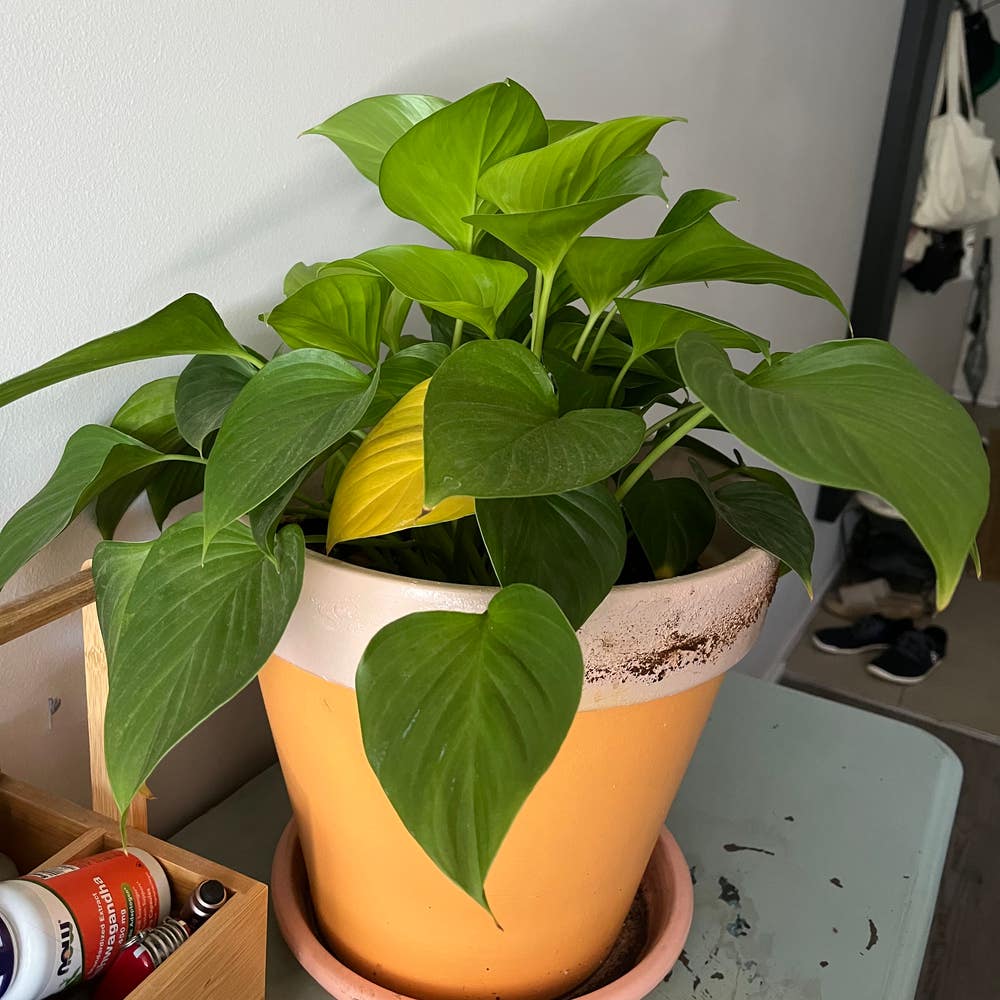
Overview of Homalomena consobrina 🪴
Homalomena consobrina
By the Greg Editorial Team
Feb 27, 2025•12 min read
This article was created with the help of AI so we can cover more plants for you. May contain errors. See one? Report it here.
Unlock the beauty of Homalomena consobrina 🌱 with expert care tips for a thriving indoor oasis!
- 🌞 Homalomena consobrina thrives in bright, indirect light—perfect for indoor spaces!
- 💧 High humidity (60%+) is essential—use a humidifier or pebble tray for best results.
- 🌱 Water when the top inch is dry—typically every 1-2 weeks to avoid root rot.
How to Grow
🌞 Choosing a Location
When it comes to light, Homalomena consobrina prefers indirect sunlight. Direct exposure can scorch its leaves, so find a spot that offers bright, filtered light.
Humidity is key for this plant; it thrives in environments with 60% humidity or higher. Consider using a humidifier or a pebble tray filled with water to maintain optimal moisture levels.
Temperature is another critical factor. Aim for a range between 18°C to 27°C (65°F to 80°F) and keep it away from cold drafts to ensure healthy growth.
🌱 Soil Preparation
For soil, a well-draining potting mix is essential. A blend that includes peat moss and perlite works wonders for aeration and moisture retention.
Don't forget about drainage! Ensure your pots have drainage holes to prevent waterlogging, which can lead to root rot.
🌿 Planting
When planting, make sure to place the Homalomena at the same depth it was in the nursery pot. This helps the plant acclimate and thrive in its new environment.
If you're planting multiple specimens, space them 12-18 inches apart. This gives each plant room to grow and flourish without competing for resources.
💧 Watering
Water your Homalomena when the top inch of soil feels dry. Typically, this means watering every 1-2 weeks, but always check the soil first.
When you do water, do it thoroughly until it drains out of the bottom. Avoid letting the plant sit in water, as this can lead to root issues.
🌼 Fertilizing
For fertilizing, use a balanced, water-soluble fertilizer with an NPK ratio of 20-20-20. This ensures your plant gets the nutrients it needs to thrive.
Fertilize every 4-6 weeks during the growing season, which is spring and summer. This will help promote healthy growth and vibrant foliage.
✂️ Pruning
Pruning is best done in spring when you can remove any dead or yellowing leaves. This keeps the plant looking its best and encourages new growth.
Use clean, sharp scissors to cut leaves at the base. This minimizes the risk of disease and promotes healthy regrowth.
🔍 Ongoing Care
Regularly monitor your plant's health by checking for signs of pests or diseases. Early detection can save your plant from serious issues.
As seasons change, adjust your care routine. Reduce watering and fertilizing during fall and winter when the plant's growth slows down.
With these tips, you'll be well on your way to nurturing a thriving Homalomena consobrina. Next, let’s explore how to propagate this beautiful plant!
Propagation
🌱 Methods of Propagation
Homalomena consobrina can be propagated through two primary methods: division and cuttings. Both techniques are effective and can help you expand your plant collection.
📝 Step-by-Step Instructions for Each Method
1. Division
- Start by carefully removing the plant from its pot.
- Gently separate the root ball into sections, ensuring each section has both roots and leaves.
- Replant each section in individual pots filled with fresh soil.
2. Cuttings
- Take a healthy stem cutting that is 4-6 inches long.
- Remove the lower leaves from the cutting and place it in either water or moist soil.
- Keep the cutting in a warm, humid environment until roots develop, which typically takes 2-4 weeks.
🌡️ Ideal Conditions for Successful Propagation
To ensure successful propagation, maintain warmth around 24°C (75°F). High humidity is also crucial, especially for cuttings, to encourage healthy root development.
With these propagation methods, you can easily multiply your Homalomena consobrina and enjoy its lush beauty in multiple locations. Next, let’s explore the lifecycle of this fascinating plant and what to expect as it grows.
Lifecycle
Lifecycle Stages 🌱
The lifecycle of Homalomena consobrina begins with germination, where seeds sprout in 2-4 weeks under optimal conditions. Following this, the seedling stage sees the development of true leaves within 4-6 weeks, marking the plant's transition to a more established form.
During the vegetative growth phase, the plant grows rapidly, typically reaching maturity in 1-2 years. While flowering is rare indoors, under ideal conditions, it may produce inflorescences, adding a delightful surprise to your plant care journey.
Growth Rate and Maturity 📈
So, how long does it take for Homalomena consobrina to reach its full glory? Generally, it takes about 1-2 years to achieve mature size. The growth rate is moderate, with the plant adding approximately 6-12 inches in height each year, making it a rewarding addition to your indoor garden.
As you nurture this beautiful plant, remember that its growth is influenced by factors like light, humidity, and care. With the right conditions, you'll witness its transformation from a tiny seedling to a lush, vibrant specimen that enhances your living space.
Next, let's explore the fascinating world of propagation, where you can multiply your Homalomena consobrina and share its beauty with others!
Size
Mature Dimensions 🌱
Homalomena consobrina is a striking plant that typically reaches a mature height of 2 to 3 feet. Its spread can extend 1 to 2 feet wide, making it a substantial addition to any indoor space.
Growth Rate and Influencing Factors 📈
This plant has a moderate growth rate, usually taking about 1 to 2 years to reach its full size. Factors such as light, water, and soil conditions play a crucial role in determining how quickly it grows.
Ensuring optimal conditions can lead to a lush, thriving plant that enhances your home. Remember, the right balance of care will help your Homalomena consobrina flourish beautifully.
As we move forward, let’s explore the fascinating world of roots and their significance in plant health.
Roots
🌱 Characteristics of the Root System
Homalomena consobrina features a fibrous root system that is essential for its stability and nutrient uptake. These roots typically grow shallow but spread wide, allowing the plant to efficiently absorb moisture and nutrients from the surrounding soil.
⚠️ Common Root-Related Issues
Root rot is a significant concern for this plant, primarily caused by overwatering. Symptoms include yellowing leaves and mushy roots, indicating that the plant is struggling.
Another issue is becoming rootbound, which occurs when the roots fill the pot. Signs of this problem include stunted growth and roots growing out of the drainage holes.
👀 Visual Cues for Healthy vs. Unhealthy Roots
Healthy roots are firm, white, and spread throughout the soil, indicating a thriving plant. In contrast, unhealthy roots appear brown, mushy, or foul-smelling, signaling that immediate action is needed.
🛠️ Tips for Managing Root Problems
To prevent root rot, ensure proper drainage and avoid overwatering your Homalomena consobrina. If you notice rootbound issues, repot the plant into a larger container as soon as roots become visible.
Understanding the root system and its needs is crucial for maintaining the health of your Homalomena consobrina. With proper care, you can enjoy a vibrant and flourishing plant that enhances your indoor space.
Next, let's explore the benefits of having this beautiful plant in your home.
Benefits
Top 5 Benefits of Homalomena consobrina 🌿
1. Air Purification
Homalomena consobrina is a champion at improving indoor air quality. It filters out toxins, making your home a healthier place to breathe.
2. Aesthetic Appeal
This plant adds a touch of lush greenery to any space. Its vibrant leaves can enhance the beauty of your home or office.
3. Low Light Tolerance
One of the best features of Homalomena consobrina is its ability to thrive in low-light conditions. This versatility makes it perfect for various settings, even those with limited natural light.
4. Humidity Enhancement
Homalomena consobrina helps increase humidity levels in your home. This is especially beneficial for other houseplants that thrive in moist environments.
5. Cultural Significance
In many cultures, this plant is associated with good luck and prosperity. Having it in your space can bring a sense of positivity and well-being.
These benefits make Homalomena consobrina not just a plant, but a valuable addition to your indoor environment. Whether you're looking to purify the air or simply beautify your space, this plant has you covered.
Next, let’s explore how to propagate this wonderful plant to share its benefits with others.
Companion Plants
🌱 Companion Planting
Companion planting is a gardening technique where different plants are grown together to enhance growth and deter pests. This method can lead to healthier plants and a more vibrant garden.
🌿 Compatible Companion Plants
When it comes to Homalomena consobrina, several plants make excellent companions:
- Peace Lily: Shares similar care needs and thrives in high humidity, making it a perfect match.
- Pothos: Enjoys similar light and humidity levels, complementing the Homalomena beautifully.
- Ferns: These plants not only help maintain humidity but also add visual diversity to your indoor space.
🚫 Plants to Avoid
While some plants thrive alongside Homalomena consobrina, others can create challenges:
- Cacti: These prefer dry conditions and may compete for moisture, which can stress your Homalomena.
- Heavy Feeders: Plants like tomatoes can deplete soil nutrients, leaving your Homalomena lacking essential resources.
By carefully selecting companion plants, you can create a thriving indoor garden that supports the health and beauty of your Homalomena consobrina. Next, let’s explore the potential toxicity of this plant to humans and pets, ensuring safe handling practices.
Toxicity to Humans
Potential Irritation 🌿
Homalomena consobrina can cause irritation if its leaves or sap come into contact with skin. It's essential to handle this plant with care to avoid any adverse reactions.
Symptoms of Irritation 🚨
If irritation occurs, you might experience skin rashes, itching, mild gastrointestinal upset, or eye irritation. These symptoms can be uncomfortable but are generally not severe.
Guidance on Medical Care 🩺
If symptoms persist or worsen, it's advisable to seek medical care. However, most irritations resolve on their own with minimal intervention.
Tips for Safe Handling 🧤
To ensure safe handling, always wear gloves when working with this plant. After contact, wash your hands thoroughly to prevent any irritation.
By taking these precautions, you can enjoy the beauty of Homalomena consobrina without worry. Now, let’s explore how to keep this stunning plant thriving in your home!
Toxicity to Dogs
Potential Irritation 🐶
Homalomena consobrina can cause mild irritation in dogs due to its leaves and sap. It's essential to be aware of this if you have a curious pup that likes to explore plants.
Symptoms of Discomfort 🤢
If your dog comes into contact with the plant, you might notice symptoms such as drooling, pawing at the mouth, mild vomiting, or skin irritation. These signs can be concerning, but they are usually not severe.
Guidance on Veterinary Care 🩺
If your dog's symptoms persist or worsen, it's wise to seek veterinary care. Generally, the irritation resolves on its own, but keeping an eye on your furry friend is always a good idea.
As a responsible pet owner, it's crucial to ensure that your home environment is safe for your pets. Consider placing your Homalomena consobrina in areas that are out of reach or using barriers to prevent any unwanted nibbling.
Toxicity to Cats
Potential Irritation 🐾
Homalomena consobrina can cause mild irritation in cats. The leaves and sap may lead to discomfort if ingested or if they come into contact with the skin.
Symptoms of Discomfort 😿
If your cat has had a run-in with this plant, watch for symptoms like drooling, pawing at the mouth, mild vomiting, or skin irritation. These signs indicate that your feline friend may be experiencing some discomfort.
Guidance on Veterinary Care 🩺
If symptoms persist or worsen, it's wise to seek veterinary care. Fortunately, most cases of irritation resolve on their own with proper care and attention.
Keeping your cat safe around houseplants is essential, and knowing which plants to avoid can help prevent any unwanted incidents.
Problems
Common Problems 🌱
Maintaining a healthy Homalomena consobrina can be tricky, especially when it comes to watering.
Incorrect Watering:
- Overwatered: If you notice yellowing leaves and root rot, it's a sign you're giving your plant too much water.
- Underwatered: On the flip side, wilting and crispy leaf edges indicate that your plant is thirsty.
Incorrect Light Conditions:
- Too much light can lead to leaf scorch, while too little light results in leggy growth. Finding the right balance is crucial for your plant's health.
Incorrect Temperature:
- Extreme temperatures can cause leaf drop or stunted growth. Keep your plant in its ideal temperature range to avoid these issues.
Diseases:
- Watch out for powdery mildew, which appears as white, powdery spots on leaves. Treat this with fungicides to keep your plant thriving.
Leaf Issues:
- Yellowing leaves often signal a nutrient deficiency or overwatering. Regularly check your plant's leaves for these signs to address problems early.
By being aware of these common problems, you can take proactive steps to ensure your Homalomena consobrina remains healthy and vibrant. Next, let's explore the potential pest issues that could affect your plant.
Bugs
🐜 Potential Pest Issues
Homalomena consobrina is generally a tough plant, showing moderate resistance to pests. However, it can still fall victim to a few common insects that might disrupt its growth.
🔍 Identification and Damage
Spider Mites
- Signs: Look for fine webbing and stippled leaves. If you spot these, treat your plant with insecticidal soap to eliminate the mites.
Scale Insects
- Signs: Sticky residue and small bumps on leaves indicate scale presence. You can remove these pests by hand or apply neem oil for effective control.
Mealybugs
- Signs: Cotton-like masses on stems are a telltale sign of mealybugs. Use alcohol-soaked cotton swabs to wipe them off and keep your plant healthy.
Aphids
- Signs: Distorted leaves and sticky residue suggest an aphid infestation. Control these pests with insecticidal soap for a quick resolution.
By keeping an eye out for these pests and their signs, you can maintain the health of your Homalomena consobrina. Regular monitoring is key to preventing infestations and ensuring your plant thrives.
Next, let’s explore what animals might be attracted to your Homalomena consobrina and how to deter them effectively.
What Eats Homalomena consobrina
🦌 Common Animals
Homalomena consobrina can attract a variety of herbivores. Common culprits include deer, rabbits, squirrels, and rodents, all of which may find the plant's lush foliage appealing.
👀 Signs of Animal Presence
If your plant is being targeted, you might notice some telltale signs. Look for chewed leaves, droppings scattered around, and tracks that indicate animal activity nearby.
🚫 Deterrent Methods
To protect your precious plant, consider implementing a few deterrent strategies. Physical barriers like fencing can keep larger animals at bay, while repellents can discourage smaller pests. Companion planting with less palatable species can also help create a natural defense around your Homalomena consobrina.
By staying vigilant and proactive, you can ensure your plant thrives without unwanted visitors. Next, let's explore the potential pest issues that can affect your plant's health.
⚠️ Safety First
This content is for general information and may contain errors, omissions, or outdated details. It is not medical, veterinary advice, or an endorsement of therapeutic claims.
Always consult a qualified healthcare professional before using any plant as food, medicine, or supplement.
Never eat any plant (or feed one to pets) without confirming its identity with at least two trusted sources.
If you suspect poisoning, call Poison Control (800) 222-1222, the Pet Poison Helpline (800) 213-6680, or your local emergency service immediately.
Spotted an error? Please report it here.
Nurture your Homalomena consobrina to new heights 🌱 with Greg's tailored care reminders and expert tips, ensuring it thrives in your home’s unique environment!