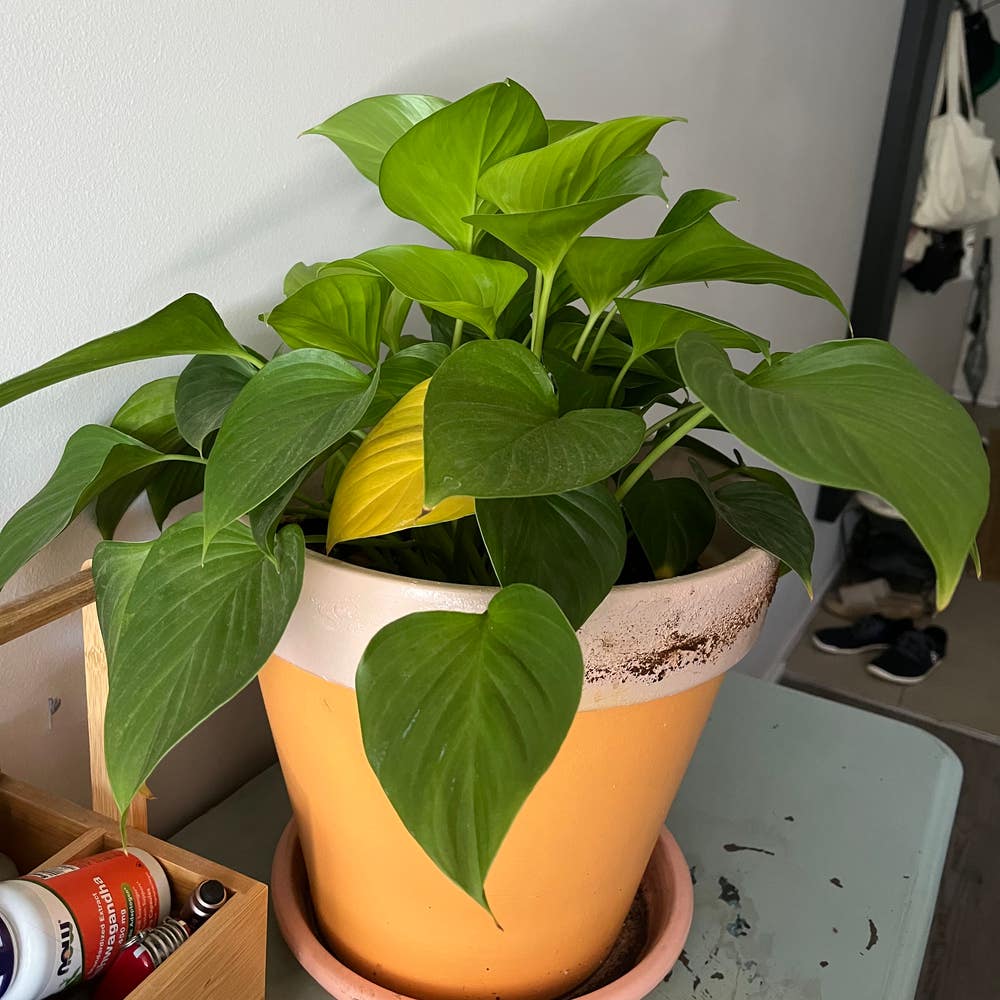
🍃 Introduction to Homalomena confusa
Homalomena confusa
By the Greg Editorial Team
Feb 27, 2025•12 min read
This article was created with the help of AI so we can cover more plants for you. May contain errors. See one? Report it here.
Elevate your indoor garden with the stunning Homalomena confusa, a low-maintenance beauty that purifies air! 🌿
- 🌱 Homalomena confusa thrives in bright, indirect light and high humidity for optimal growth.
- 🌡️ Ideal temperature range is 18°C to 27°C (65°F to 80°F) for healthy development.
- 🐾 All parts are toxic to pets and humans, so handle with care!
How to Grow
Choosing a Location 🌞
Homalomena confusa thrives in indirect light, making it perfect for bright indoor spaces. While it can tolerate lower light conditions, optimal growth occurs in bright, filtered light.
Humidity is key for this plant; it loves high humidity levels. Consider using a humidifier or a pebble tray filled with water to create a suitable environment.
Temperature is another crucial factor. This plant prefers a cozy range between 18°C to 27°C (65°F to 80°F) to flourish.
Soil Preparation 🌱
For soil, a well-draining potting mix is essential. Look for a blend that includes organic matter to provide nutrients.
Don't forget about drainage! Ensure your pots have drainage holes to prevent waterlogging, which can harm the roots.
Planting 🌼
When planting, make sure to place the plant at the same depth as it was in the nursery pot. This helps maintain its health and stability.
If you're planting multiple Homalomena confusa, space them 12-18 inches apart. This gives each plant room to grow and thrive.
Watering 🚰
Water your plant when the top inch of soil feels dry, typically every 1-2 weeks. This keeps the roots happy and healthy.
When watering, do it thoroughly until water drains out of the bottom. This ensures the entire root system gets the moisture it needs.
Fertilizing 🍽️
Use a balanced, water-soluble fertilizer for feeding your plant. This provides the nutrients necessary for robust growth.
Fertilize every 4-6 weeks during the growing season, which is spring and summer. This schedule helps your plant reach its full potential.
Pruning ✂️
Pruning is best done in spring when you can remove any dead or yellowing leaves. This keeps your plant looking its best.
Use clean, sharp scissors to cut leaves at the base. This promotes healthy growth and prevents disease.
Ongoing Care 🛡️
Regularly check your plant for signs of pests or disease. Early detection is key to maintaining its health.
As seasons change, adjust your care routine. Reduce watering in winter when growth slows to avoid overwatering.
With these tips, your Homalomena confusa will thrive, bringing beauty and life to your space. Next, let’s explore how to propagate this lovely plant!
Propagation
🌱 Methods of Propagation
Homalomena confusa can be propagated through two primary methods: division and cuttings. Both techniques are moderately easy and can help you expand your plant collection.
📋 Step-by-Step Instructions for Each Method
1. Division:
- Start by carefully removing the plant from its pot.
- Gently separate the root ball into sections, ensuring each has roots attached.
- Replant each section in its own pot, providing enough space for growth.
2. Cuttings:
- Cut a healthy stem that is 4-6 inches long.
- Remove the lower leaves to expose the node.
- Place the cutting in water or moist soil and wait for roots to develop, which typically takes 2-4 weeks.
🌟 Best Practices for Successful Propagation
To ensure successful propagation, always use sterile tools to prevent disease. Additionally, maintaining high humidity around your cuttings will encourage healthy root development.
By following these methods and tips, you can easily propagate your Homalomena confusa and enjoy the satisfaction of nurturing new plants. Next, let’s explore the lifecycle of this fascinating plant and what to expect as it grows.
Lifecycle
🌱 Overview of Lifecycle Stages
The lifecycle of Homalomena confusa begins with germination, where seeds sprout in just 2-3 weeks under optimal conditions. Following this, the seedling stage sees the development of true leaves within 4-6 weeks, setting the stage for robust growth.
🌿 Vegetative Growth
During the vegetative growth phase, this plant thrives in warm, humid environments, showcasing rapid growth. It's a time when you can really see the plant's potential, as it can grow significantly if conditions are right.
🌸 Flowering
While flowering is rare indoors, under ideal conditions, you might witness the plant producing inflorescences. This adds a unique charm to your indoor garden, even if it’s not a common occurrence.
⏳ Lifespan
Homalomena confusa is typically a perennial plant, boasting a lifespan of several years. With proper care, it can be a long-lasting addition to your home.
📅 Growth Timeline
Expect this plant to reach its full size in approximately 2-3 years. Its moderate growth rate allows it to grow up to 12-24 inches per year, making it a rewarding choice for plant enthusiasts.
As you nurture your Homalomena confusa, understanding its lifecycle will help you provide the best care possible. Next, let's explore how to manage its size effectively.
Size
Mature Height and Spread 🌱
Homalomena confusa typically reaches a mature height of 1 to 3 feet. It can spread about 1 to 2 feet wide, making it a lovely addition to any indoor space.
Growth Rate and Time to Reach Full Size ⏳
This plant has a moderate growth rate and generally takes about 2 to 3 years to reach its full size. With the right conditions, you can enjoy its lush foliage in no time.
Factors Affecting Size 📏
Several factors can influence the size of your Homalomena confusa:
- Light: Providing more light can enhance growth and lead to larger leaves.
- Water: Consistent moisture is key; it promotes healthier, bigger foliage.
- Nutrients: Regular fertilization can significantly impact the overall size and health of the plant.
By optimizing these conditions, you can ensure your plant thrives and reaches its full potential.
As you nurture your Homalomena confusa, keep an eye on these factors to enjoy a vibrant and flourishing plant. Next, let’s explore the fascinating root system that supports this beauty.
Roots
Characteristics of the Root System 🌱
Homalomena confusa features a fibrous root system that is essential for its growth. These roots typically grow shallow but spread widely, allowing the plant to absorb nutrients efficiently.
Common Root-Related Issues ⚠️
Root health is crucial for the overall well-being of your plant. Be mindful of root rot, which occurs from overwatering and leads to mushy roots, and rootbound conditions, where roots fill the pot, stunting growth.
Visual Cues for Healthy vs. Unhealthy Roots 👀
Identifying root health is straightforward. Healthy roots are firm, white, and spread throughout the pot, while unhealthy roots appear brown, mushy, or may even emit a foul smell.
Tips for Managing Root Health 🛠️
To maintain robust roots, repot your Homalomena confusa every 1-2 years to prevent rootbound conditions. Additionally, ensure your pot has proper drainage to avoid the risk of root rot, keeping your plant thriving.
With a solid understanding of root health, you can ensure your Homalomena confusa flourishes. Next, let's explore the numerous benefits this plant brings to your home.
Benefits
Top 5 Benefits of Homalomena confusa 🌿
1. Air Purification
Homalomena confusa is a natural air purifier. It helps improve indoor air quality by filtering out harmful toxins, making your home a healthier place to live.
2. Aesthetic Appeal
With its lush, attractive foliage, this plant enhances any home decor. Its vibrant leaves can brighten up your space and add a touch of nature indoors.
3. Low Maintenance
This plant is perfect for beginners. Its easy care requirements mean you can enjoy its beauty without a lot of fuss.
4. Humidity Boost
Homalomena confusa thrives in high humidity, making it an excellent choice for dry environments. It can help increase humidity levels, benefiting both the plant and your indoor air quality.
5. Cultural Significance
In some cultures, this plant is valued for its beauty and symbolism. It can serve as a meaningful addition to your home, representing growth and vitality.
These benefits make Homalomena confusa not just a plant, but a valuable companion in your living space. Whether you're looking to purify the air or simply enjoy its beauty, this plant delivers on all fronts.
Next, let’s explore how to effectively propagate this lovely plant to share its benefits with others.
Companion Plants
🌱 Explanation of Companion Planting
Companion planting is all about growing different plants together to reap mutual benefits. This method can enhance growth, improve pest management, and create a more vibrant garden environment.
🌿 List of Compatible Companion Plants
- Peace Lily: This plant shares similar care needs and thrives in high humidity, making it a perfect partner for Homalomena confusa.
- Pothos: Known for its adaptability, Pothos thrives in similar light conditions and adds a splash of visual diversity to your plant collection.
- Spider Plant: Not only does it help improve air quality, but it also shares light requirements, making it an excellent companion.
🚫 Plants to Avoid
- Cacti: These plants prefer dry conditions and may compete for resources, making them unsuitable companions for Homalomena confusa.
By choosing the right companions, you can create a thriving indoor garden that benefits all your plants. This thoughtful approach not only enhances aesthetics but also promotes healthier growth and resilience against pests.
Toxicity to Humans
🧪 Identification of Toxic Parts and Compounds
Homalomena confusa is not just a pretty face; all parts of this plant are toxic, with the leaves and sap being particularly harmful. It's essential to handle this plant with care to avoid any potential health risks.
🤢 Symptoms of Toxicity
If ingested, symptoms can range from nausea and vomiting to more severe issues like abdominal pain, dizziness, and confusion. Being aware of these signs can help you act quickly if exposure occurs.
🚑 Guidance on Seeking Medical Care
In case of ingestion or if symptoms develop after contact, seek immediate medical attention. It's better to be safe and get checked out than to risk your health.
Toxicity to Dogs
Identification of Toxic Parts and Symptoms 🐶
Homalomena confusa is toxic to dogs, with the leaves and sap posing the greatest risk. If ingested, your furry friend may show symptoms such as drooling, vomiting, diarrhea, and weakness.
How Poisoning Can Occur ⚠️
Poisoning can happen if a dog ingests any part of the plant or comes into contact with its sap. It's important to be vigilant, especially if your pet is curious and tends to nibble on plants.
Prevention Measures 🛡️
To keep your dog safe, supervise their outdoor time and ensure that Homalomena confusa is out of reach. Consider placing the plant in an area that your pet cannot access, reducing the risk of accidental ingestion.
By taking these precautions, you can enjoy the beauty of this plant while keeping your canine companion safe.
Toxicity to Cats
Identification of Toxic Parts and Symptoms 🐾
Homalomena confusa is toxic to cats, with the leaves and sap being particularly harmful. If your feline friend comes into contact with this plant, watch for symptoms such as drooling, vomiting, diarrhea, and tremors.
How Poisoning Can Occur ⚠️
Poisoning can happen if a cat ingests any part of the plant or comes into contact with its sap. It's crucial to be vigilant, as even a small nibble can lead to distressing symptoms.
Prevention Measures 🛡️
To keep your cat safe, it's best to keep them indoors and supervise their outdoor time. Consider placing the plant in an area that's out of reach or using barriers to prevent access.
By taking these precautions, you can enjoy your Homalomena confusa without worrying about your furry companion's health.
Problems
Common Problems Faced 🌱
Homalomena confusa can face several challenges that may affect its health and growth.
- Incorrect watering: Overwatering can lead to root rot, while underwatering causes wilting.
- Incorrect light conditions: Too much direct sunlight can scorch the leaves, leading to damage.
- Incorrect temperature: Exposure to cold drafts can stunt growth and weaken the plant.
- Diseases: High humidity can foster fungal issues like powdery mildew.
- Leaf issues: Yellowing leaves often indicate nutrient deficiencies or pest infestations.
Identification and Causes 🔍
Identifying these problems early is crucial for maintaining a healthy plant.
Look for symptoms such as wilting, yellowing leaves, or stunted growth to pinpoint issues.
Solutions for Each Problem 🛠️
Addressing these problems involves a few straightforward adjustments.
- Adjust watering schedule: Ensure you’re neither overwatering nor underwatering.
- Relocate to appropriate light conditions: Move the plant to a spot with indirect light.
- Monitor for pests: Regularly check for signs of pests and take action if needed.
By staying vigilant and making these adjustments, you can keep your Homalomena confusa thriving.
Bugs
🐜 Potential Pest Issues
While Homalomena confusa is generally pest-resistant, it can still fall victim to a few pesky intruders. Keeping an eye out for these common pests can help maintain your plant's health.
🔍 Identification of Pests and Damage
- Spider Mites: Look for fine webbing and stippled leaves, which indicate these tiny troublemakers are at work.
- Mealybugs: These pests appear as cotton-like masses on stems and leaves, making them easy to spot.
🧪 Effective Treatment Options
To combat these pests, consider using insecticidal soap or neem oil, both of which are effective and safe for your plant.
Regular inspections are key; catching infestations early can save your plant from significant damage.
By staying vigilant, you can ensure your Homalomena confusa remains healthy and thriving.
What Eats
🦌 Common Animals That May Damage
Homalomena confusa can attract a variety of animals, including deer, rabbits, squirrels, and rodents. These creatures may find the plant's lush foliage appealing, leading to potential damage.
🕵️♂️ Signs of Animal Presence and Damage
Keep an eye out for signs of animal activity around your plant. Chewed leaves, droppings, or tracks near the base can indicate that your Homalomena is being targeted by hungry visitors.
🚫 Deterrent Methods
To protect your plant, consider using chemical repellents or organic solutions like garlic spray. Additionally, physical barriers such as fencing or netting can effectively keep these animals at bay and ensure your plant thrives undisturbed.
By taking these precautions, you can enjoy the beauty of your Homalomena confusa without the worry of unwanted nibblers.
⚠️ Safety First
This content is for general information and may contain errors, omissions, or outdated details. It is not medical, veterinary advice, or an endorsement of therapeutic claims.
Always consult a qualified healthcare professional before using any plant as food, medicine, or supplement.
Never eat any plant (or feed one to pets) without confirming its identity with at least two trusted sources.
If you suspect poisoning, call Poison Control (800) 222-1222, the Pet Poison Helpline (800) 213-6680, or your local emergency service immediately.
Spotted an error? Please report it here.
Nurture your Homalomena confusa to bloom beautifully 🌿 with Greg's tailored care reminders and expert tips that ensure your plant thrives in its perfect environment!