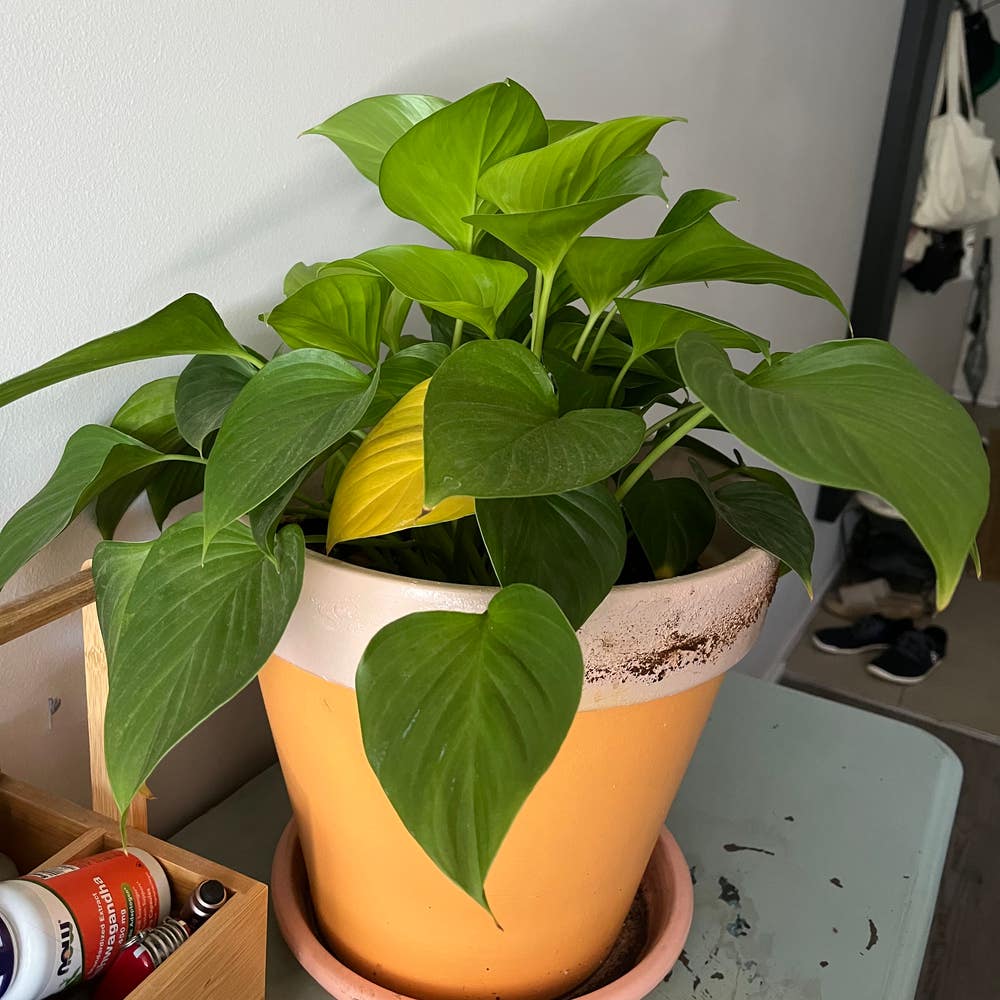
🍃 Overview of Homalomena borneensis
Homalomena borneensis
By the Greg Editorial Team
Feb 27, 2025•12 min read
This article was created with the help of AI so we can cover more plants for you. May contain errors. See one? Report it here.
- 🌱 Homalomena borneensis thrives in bright, indirect light and high humidity for optimal growth.
- 💧 Water when the top inch of soil is dry to prevent root rot.
- 🌿 Low maintenance and air-purifying, perfect for beginners and improving indoor air quality.
How to Grow
🌞 Choosing a Location
To thrive, Homalomena borneensis prefers bright, indirect light indoors, along with humidity levels above 50%. If you're considering outdoor placement, opt for shaded areas that shield the plant from direct sunlight.
🌱 Soil Preparation
For optimal growth, use well-draining soil rich in organic matter. Aim for a pH level between 6.0 and 7.0 to create a healthy environment for your plant.
🌿 Planting Techniques
When planting young Homalomena, choose a container that is at least 6-8 inches in diameter. Ensure the root ball sits level with the soil surface to promote healthy growth.
💧 Watering Requirements
Water your plant when the top inch of soil feels dry to the touch. Be cautious of waterlogging; proper drainage is essential to prevent root rot.
🌼 Fertilizing Schedule
Use a balanced liquid fertilizer, such as NPK 20-20-20, to nourish your plant. Fertilize every 4-6 weeks during the growing season for best results.
✂️ Pruning Methods
Spring is the ideal time to prune your Homalomena to encourage bushier growth. Focus on removing yellowing leaves and trimming any leggy growth to maintain a healthy appearance.
🔍 Ongoing Care Tips
Regularly check humidity levels and adjust as necessary to keep your plant happy. Additionally, keep an eye out for pests and diseases to ensure your plant remains healthy.
🌳 Outdoor vs. Container Growing
Container growing offers easier control over conditions, making it suitable for indoor environments. Conversely, outdoor growing requires shaded areas but benefits from natural humidity, which can enhance growth.
With these tips, you’re well on your way to cultivating a thriving Homalomena borneensis! Next, let’s explore how to propagate this beautiful plant.
Propagation
🌱 Methods of Propagation
Homalomena borneensis can be propagated through two primary methods: cuttings and division.
- Cuttings: This method involves taking stem cuttings with at least one node, which is moderately difficult but rewarding.
- Division: An easier method, division entails separating offsets from the main plant.
📋 Step-by-Step Instructions for Each Method
✂️ Cuttings
- Select a Stem: Cut a 4-6 inch stem that includes a node.
- Rooting: Place the cutting in water or moist soil. Roots will develop in about 2-4 weeks.
🌿 Division
- Remove the Plant: Carefully take the plant out of its pot.
- Separate the Roots: Gently divide the root ball into sections, ensuring each section has roots and leaves.
- Replant: Place the divided sections in suitable soil to encourage growth.
Propagation can be a fulfilling experience, allowing you to expand your collection or share with friends. Whether you choose cuttings or division, both methods can lead to thriving new plants.
Lifecycle
Lifecycle Stages 🌱
The lifecycle of Homalomena borneensis unfolds in distinct stages.
- Germination: This initial phase takes about 2-3 weeks from seed.
- Seedling Stage: Here, the first leaves emerge, and the plant thrives in high humidity.
- Vegetative Growth: During this period, rapid leaf development occurs and can last several months.
- Flowering: While rare in cultivation, flowering typically happens in mature plants.
- Seed Production: This stage is not commonly observed in houseplants, making it a unique aspect of their lifecycle.
Lifespan and Growth Timeline ⏳
Understanding the lifespan and growth timeline of your Homalomena can help set realistic expectations.
- Average Lifespan: Under optimal conditions, these plants can live between 5-10 years.
- Time to Maturity: It generally takes about 1-2 years for the plant to reach maturity.
- Growth Speed: Expect moderate growth, with the plant adding 6-12 inches per year.
With proper care, your Homalomena can thrive and bring beauty to your space for years to come. Next, let’s explore how to maximize its growth potential through effective care techniques.
Size
🌳 Mature Height and Spread
Homalomena borneensis can reach a mature height of 1 to 3 feet, making it a striking addition to any indoor space. Its spread typically ranges from 1 to 2 feet, allowing it to fill out nicely without overwhelming its surroundings.
🚀 Growth Rate and Size Variability
This plant exhibits a moderate growth rate, which can be significantly influenced by the amount of light and humidity it receives. Depending on these conditions, you may notice variations in size, with some plants thriving and growing larger than others.
📏 Factors Affecting Size
Light plays a crucial role in the size of your Homalomena. More light often leads to larger leaves, enhancing its lush appearance.
Humidity is another key factor; higher humidity levels can promote faster growth, allowing your plant to flourish.
By optimizing these conditions, you can enjoy a healthier, more vibrant plant that truly stands out in your home.
Roots
Root System Characteristics 🌱
Homalomena borneensis features a fibrous root system that spreads out rather than growing deep. This shallow root structure allows the plant to efficiently absorb moisture and nutrients from the upper layers of the soil.
Common Root-Related Issues 🚫
One of the most common problems is root rot, which occurs due to overwatering. This condition leads to mushy roots that can severely impact the plant's health.
Another issue is being rootbound, which happens when the roots fill the pot. This situation requires repotting to give the roots more space to grow.
Identifying Healthy vs. Unhealthy Roots 🔍
Healthy roots are typically firm, white, and spread out evenly within the soil. In contrast, unhealthy roots appear dark, mushy, or may even emit a foul smell.
Recognizing Rootbound Plants 🪴
You can identify a rootbound plant by observing roots growing out of the drainage holes. If you notice this, it's time to repot the plant into a larger container with fresh soil to promote healthy growth.
Understanding the root system of your Homalomena borneensis is crucial for its overall health. By keeping an eye on these aspects, you can ensure your plant thrives beautifully.
Next, let’s explore the benefits of having this stunning plant in your home.
Benefits
Top 5 Benefits 🌟
1. Air Purification
Homalomena borneensis is a champion at cleaning the air. It effectively removes toxins, making your indoor space healthier and more breathable.
2. Aesthetic Appeal
With its lush foliage, this plant adds a vibrant touch to any decor. Its striking appearance can elevate the ambiance of your home or office.
3. Low Maintenance
This plant is perfect for those who may not have a green thumb. It requires minimal care compared to many other houseplants, making it an ideal choice for busy individuals.
4. Humidity Boost
Homalomena borneensis thrives in humid environments, which can help increase moisture levels in dry indoor spaces. This is especially beneficial during winter months when heating systems can dry out the air.
5. Cultural Significance
In various cultures, this plant is appreciated not just for its beauty but also for its symbolism. It can represent prosperity and good fortune, making it a meaningful addition to your home.
These benefits make Homalomena borneensis a fantastic choice for both novice and experienced plant lovers. Whether you're looking to enhance your living space or improve air quality, this plant delivers on multiple fronts.
As we explore further, let’s dive into the fascinating world of companion plants that thrive alongside Homalomena borneensis.
Companion Plants
🌱 Concept of Companion Planting
Companion planting is all about creating a harmonious garden ecosystem. It enhances diversity, improves pest management, and boosts overall plant health.
🌼 Best Companion Plants
When it comes to Homalomena borneensis, certain plants thrive alongside it:
Ferns
Ferns share similar humidity and light requirements, making them ideal companions. Their lush foliage complements the aesthetic of Homalomena beautifully.
Peace Lily
The Peace Lily not only matches care needs but also adds to the visual appeal. Both plants enjoy similar watering and light conditions.
Spider Plant
Spider Plants are champions of air quality improvement and thrive under similar conditions. Their resilience makes them a great partner for your Homalomena.
🚫 Plants to Avoid
While some plants make great companions, others can hinder growth:
Cacti
Cacti are a no-go due to their different watering and light needs. They thrive in dry conditions, which can stress your Homalomena.
Heavy Feeders
Plants that are heavy feeders can compete for nutrients, leaving your Homalomena lacking. It's best to steer clear of these to ensure your plant flourishes.
By choosing the right companions, you can create a thriving environment for your Homalomena borneensis. This not only enhances its growth but also adds beauty to your indoor or outdoor space. Next, let’s explore the potential irritations this plant may cause to humans.
Toxicity to Humans
⚠️ Potential Irritation
Homalomena borneensis can cause irritation due to its leaves and sap. Symptoms may include skin rashes, itching, mild gastrointestinal upset, or eye irritation.
🧤 Guidance for Handling
To minimize risks, always wash your hands after handling the plant. If symptoms persist or worsen, seek medical care promptly.
Understanding the potential irritants in this beautiful plant allows you to enjoy its aesthetic without worry. Now, let’s explore how it interacts with our furry friends.
Toxicity to Dogs
⚠️ Potential Irritation
Homalomena borneensis can pose some risks to our furry friends. The leaves and sap of this plant may cause irritation, leading to symptoms like drooling, pawing at the mouth, mild vomiting, or skin irritation.
🐾 Guidance for Pet Owners
If your dog shows any of these symptoms, it's best to seek veterinary care, especially if the signs persist or worsen. Fortunately, most irritations are self-limiting, meaning they often resolve on their own with proper care.
By being aware of these potential issues, you can enjoy your beautiful plant while keeping your canine companion safe. Now, let’s explore how to keep your Homalomena thriving in your home!
Toxicity to Cats
⚠️ Potential Irritation
Homalomena borneensis can pose some risks to our feline friends. The leaves and sap of this plant may cause irritation, leading to symptoms such as drooling, pawing at the mouth, mild vomiting, or skin irritation.
🐱 Guidance for Cat Owners
If your cat shows any of these symptoms after contact with the plant, it's essential to seek veterinary care if the symptoms persist or worsen. Fortunately, most irritations are self-limiting and can be managed with proper attention.
By being aware of these potential issues, you can enjoy your beautiful Homalomena while keeping your curious cat safe.
Problems
Common Problems 🌱
Incorrect Watering
Watering is a critical aspect of plant care. Overwatering can lead to yellowing leaves, while underwatering causes wilting.
To remedy this, adjust your watering frequency based on the moisture level of the soil. Always check the top inch of soil before watering.
Incorrect Light Conditions
Light conditions can significantly affect plant health. Too much light can scorch leaves, while too little can result in leggy growth.
If you notice these symptoms, relocate your plant to a spot with the appropriate light levels. Finding the right balance is key to thriving foliage.
Incorrect Temperature
Temperature plays a vital role in the growth of Homalomena borneensis. Cold conditions can stunt growth and hinder overall health.
To maintain optimal growth, keep temperatures between 65°F and 85°F. This range ensures your plant remains vibrant and healthy.
Diseases
Fungal diseases can pose a threat to your plant's well-being. Symptoms like powdery mildew indicate a need for immediate attention.
To combat this, improve air circulation around the plant and avoid overhead watering. These adjustments can help prevent disease outbreaks.
Leaf Issues
Leaf problems can manifest in various ways, including scorching, yellowing, or fuzzy growth. Each symptom points to different care issues.
Adjust your care routine based on the specific leaf problem you observe. Identifying the issue early can save your plant from further stress.
Conclusion 🌼
By staying vigilant about these common problems, you can ensure your Homalomena borneensis thrives. With the right care and attention, your plant will flourish, bringing beauty and life to your space. Next, let’s explore potential pest issues that could affect your plant's health.
Bugs
🐜 Potential Pest Issues
Homalomena borneensis is known for its moderate pest resistance, but it can still fall victim to certain pests. Keeping an eye on your plant is crucial to catch any infestations early.
🔍 Identification and Treatment Options
Spider Mites
- Symptoms: Look for fine webbing and stippled leaves.
- Treatment: Increase humidity around the plant and apply insecticidal soap to eliminate these pests.
Scale Insects
- Symptoms: You may notice sticky residue on leaves and yellowing foliage.
- Treatment: Manual removal is effective, followed by the application of horticultural oil to prevent further infestations.
Mealybugs
- Symptoms: These pests appear as cotton-like masses on leaves.
- Treatment: Use rubbing alcohol on a cotton swab to remove them, and follow up with insecticidal soap for thorough treatment.
Aphids
- Symptoms: Curling leaves and sticky residue indicate an aphid problem.
- Treatment: Neem oil or insecticidal soap can help control these pests effectively.
Whiteflies
- Symptoms: Tiny white insects on the undersides of leaves are a telltale sign.
- Treatment: Yellow sticky traps can catch them, and insecticidal soap will help manage the population.
By staying vigilant and addressing these common pests promptly, you can keep your Homalomena borneensis thriving. Next, let’s explore what animals might be attracted to your plant and how to deter them effectively.
What Eats
Common Animals 🦌
Homalomena borneensis can attract a variety of animals, including deer, rabbits, squirrels, and rodents. These creatures may find the plant's lush foliage appealing, leading to potential damage.
Signs of Animal Presence 🐾
Keep an eye out for signs that animals are visiting your plant. Chewed leaves, droppings, and tracks are all indicators that your Homalomena might be a snack for local wildlife.
Deterrent Methods 🚫
To protect your plant, consider using deterrent methods.
- Chemical deterrents: Commercial repellents can effectively keep animals at bay.
- Organic methods: Planting deterrent herbs, like lavender, nearby can also help discourage unwanted visitors.
By taking these steps, you can enjoy your Homalomena without the worry of it becoming a meal for local fauna.
⚠️ Safety First
This content is for general information and may contain errors, omissions, or outdated details. It is not medical, veterinary advice, or an endorsement of therapeutic claims.
Always consult a qualified healthcare professional before using any plant as food, medicine, or supplement.
Never eat any plant (or feed one to pets) without confirming its identity with at least two trusted sources.
If you suspect poisoning, call Poison Control (800) 222-1222, the Pet Poison Helpline (800) 213-6680, or your local emergency service immediately.
Spotted an error? Please report it here.
Nurture your Homalomena borneensis into a lush beauty 🌿 with Greg's tailored care reminders and expert tips, ensuring it thrives for years as a stunning air-purifying companion!