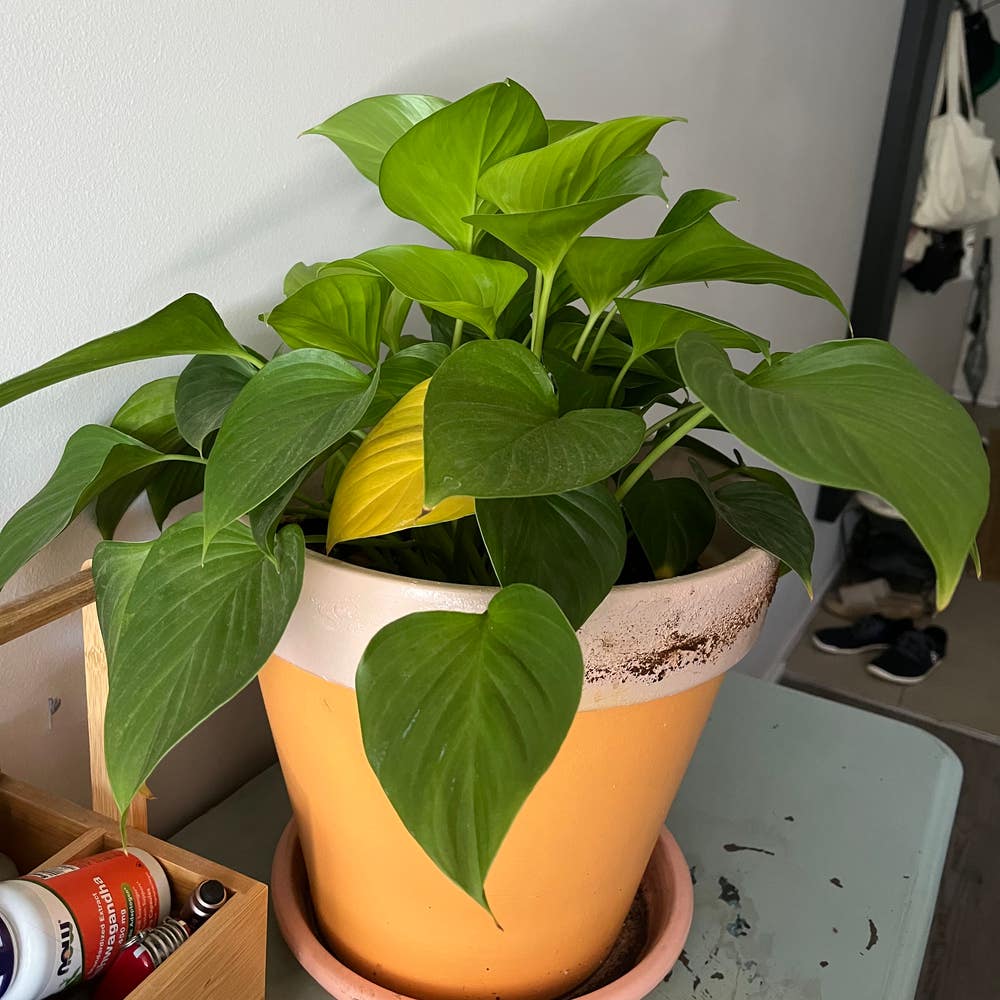
Overview of Homalomena bellula 🌸
Homalomena bellula
By the Greg Editorial Team
Feb 27, 2025•13 min read
This article was created with the help of AI so we can cover more plants for you. May contain errors. See one? Report it here.
Elevate your indoor garden with the stunning Homalomena bellula, a low-maintenance air-purifier that thrives with simple care! 🌱
- 🌞 Homalomena bellula thrives in bright, indirect light for optimal growth indoors.
- 💧 Maintain humidity above 50% to ensure this plant's health and vitality.
- 🌱 Use well-draining, organic-rich soil to prevent root rot and promote nutrient absorption.
How to Grow
🌞 Choosing a Location
To thrive, Homalomena bellula prefers bright, indirect light indoors. Aim for humidity levels above 50% to keep this beauty happy.
For outdoor placement, select shaded areas with filtered sunlight. This will mimic its natural habitat and promote healthy growth.
🌱 Soil Preparation
When it comes to soil, opt for a well-draining mix rich in organic matter. This ensures that the roots receive the nutrients they need without sitting in water.
The ideal soil pH for Homalomena bellula is slightly acidic to neutral, ranging from 6.0 to 7.0. This balance helps the plant absorb nutrients effectively.
🌿 Planting Techniques
For young plants, choose a container that is at least 6-8 inches in diameter. This gives the roots ample space to grow.
Ensure that the root ball is level with the soil surface when planting. This prevents issues with root rot and promotes healthy growth.
💧 Watering Requirements
Water your Homalomena bellula when the top inch of soil feels dry. This simple check helps maintain the right moisture balance.
Be on the lookout for signs of overwatering, such as yellowing leaves and mushy roots. Adjust your watering routine accordingly to keep your plant thriving.
🌼 Fertilizing Schedule
Use a balanced, water-soluble fertilizer to nourish your plant. This type of fertilizer provides essential nutrients for healthy growth.
Fertilize every 4-6 weeks during the growing season to support robust development. Consistent feeding can make a noticeable difference in your plant's health.
✂️ Pruning Methods
Prune your Homalomena bellula in spring to encourage bushier growth. This timing aligns with the plant's natural growth cycle.
Focus on removing yellow or damaged leaves and trimming any leggy growth. This keeps the plant looking tidy and promotes new growth.
🌧️ Ongoing Care Tips
Regularly check humidity levels and mist the leaves if necessary. This helps maintain the moisture that Homalomena bellula craves.
Additionally, rotate the plant periodically for even light exposure. This simple practice can prevent uneven growth and keep your plant looking its best.
As you care for your Homalomena bellula, remember that each step contributes to its overall health and beauty. With the right conditions and care, this plant can flourish in your home.
Next, let's explore how to propagate this stunning plant and expand your collection!
Propagation
Methods of Propagation 🌱
Propagation of Homalomena bellula can be achieved through two primary methods: cuttings and division. Both techniques are moderately easy and can help you expand your collection or share with friends.
Cuttings
- Select a Healthy Stem: Choose a stem that has at least two healthy leaves.
- Make the Cut: Cut below a node and let the cutting callous for a few hours. This step is crucial to prevent rot.
- Planting: Place the cutting in a well-draining potting mix and keep it moist.
- Root Development: Expect roots to develop in about 4-6 weeks, signaling that your propagation was successful.
Division
- Remove the Plant: Gently take the plant out of its pot, being careful not to damage the roots.
- Separate the Root Ball: Gently separate the root ball into divisions, ensuring each has at least one healthy stem and root.
- Replant: Place each division in separate containers filled with fresh soil. This method not only propagates but also rejuvenates the parent plant.
Both methods are effective and can lead to thriving new plants. With a little patience and care, you'll soon have more Homalomena bellula to enjoy or share.
Next, let’s explore the lifecycle of this fascinating plant and what to expect as it grows.
Lifecycle
Lifecycle Stages 🌱
Homalomena bellula is a perennial plant, thriving for several years with proper care. Its lifecycle is marked by distinct stages that contribute to its growth and development.
Germination Process 🌱
The germination time for Homalomena bellula seeds ranges from 2 to 4 weeks under optimal conditions. This initial phase is crucial for setting the foundation for healthy growth.
Seedling Stage 🌱
During the seedling stage, the plant showcases small, tender leaves that are particularly sensitive to environmental conditions. High humidity is essential at this point to support their delicate nature.
Vegetative Growth 🌱
The vegetative growth period lasts between 6 to 12 months, during which the plant develops its structure and foliage. Consistent care during this stage is vital for achieving robust growth.
Flowering and Seed Production 🌱
Flowering in Homalomena bellula is quite rare in cultivation. When it does occur, the plant typically produces small, inconspicuous flowers that may go unnoticed.
Lifespan and Growth Timeline 🌱
The full growth of Homalomena bellula takes approximately 2 to 3 years to reach its mature size. With a moderate growth rate, this plant rewards patience and consistent care, making it a delightful addition to any indoor garden.
As you nurture your Homalomena bellula through its lifecycle, you'll find joy in watching it thrive and adapt. Next, let’s explore the size of this beautiful plant and what to expect as it matures.
Size
Mature Height and Spread 🌱
Homalomena bellula typically reaches a mature height of 1 to 2 feet tall. Its spread is equally impressive, extending 1 to 2 feet wide, making it a lovely addition to any indoor space.
Growth Rate and Size Variability 📈
This plant has a moderate growth rate, which can vary based on environmental factors. Light and humidity play significant roles in how quickly it grows and how large it can get.
Factors Affecting Size 🌍
Several environmental conditions can influence the overall size of your Homalomena bellula. Key factors include light availability, humidity levels, and soil quality, all of which contribute to the plant's health and growth potential.
As you cultivate your Homalomena bellula, keep these size factors in mind to ensure it thrives. Next, let's explore the fascinating world of its roots and their characteristics.
Roots
🌱 Root System Characteristics
Homalomena bellula features a fibrous root system that enhances stability and nutrient uptake. This structure is essential for the plant's overall health and growth.
📏 Depth and Spread of Roots
Typically, the roots extend 6-12 inches deep, with their spread often reaching beyond the plant's canopy. This expansive root system helps the plant access water and nutrients efficiently.
⚠️ Common Root-Related Issues
One of the most common problems is root rot, which occurs due to overwatering. Symptoms include wilting and yellowing leaves, signaling that the roots are struggling.
👀 Identifying Healthy vs. Unhealthy Roots
Healthy roots are firm, white, and well-structured, indicating a thriving plant. In contrast, unhealthy roots appear dark, mushy, or foul-smelling, suggesting a need for immediate attention.
🪴 Recognizing Rootbound Conditions
If you notice roots growing out of the drainage holes or stunted growth, your plant may be rootbound. The solution is simple: repot the plant into a larger container with fresh soil to give it room to thrive.
Understanding the root system of Homalomena bellula is crucial for its care. By keeping an eye on root health, you can ensure your plant remains vibrant and flourishing. Next, let's explore the numerous benefits this beautiful plant offers.
Benefits
Top 5 Benefits 🌟
Air Purification
Homalomena bellula is a natural air purifier, effectively removing toxins from indoor air. This makes it a fantastic addition to your home, promoting a healthier living environment.
Aesthetic Appeal
With its lush, vibrant foliage, this plant enhances your indoor decor. Its striking appearance can brighten up any space, making it a favorite among plant enthusiasts.
Low Maintenance
One of the best features of Homalomena bellula is its low maintenance requirements. It thrives with minimal care, making it perfect for both novice and busy plant owners.
Humidity Enhancement
This plant contributes to a humid environment, which is beneficial for other plants in your home. By maintaining higher humidity levels, it helps create a thriving indoor ecosystem.
Cultural Significance
In various cultures, Homalomena bellula is valued for its beauty and symbolism of prosperity. Adding this plant to your collection not only enhances your space but also connects you to its rich cultural heritage.
These benefits make Homalomena bellula a standout choice for anyone looking to improve their indoor environment. Whether you're after air quality, aesthetics, or ease of care, this plant has you covered.
As we explore more about this fascinating plant, let's dive into its companion planting options next.
Companion Plants
🌱 Concept of Companion Planting
Companion planting is all about creating a harmonious garden environment. It enhances diversity, improves pest management, and boosts overall plant health.
🌼 Best Companion Plants
When it comes to Homalomena bellula, certain plants thrive alongside it:
Peace Lily
This plant shares similar care needs and humidity preferences, making it an excellent companion.
Ferns
Ferns flourish in the same shaded, humid conditions, complementing the Homalomena beautifully.
Spider Plant
Not only does the spider plant offer pest-repellent properties, but it also adds visual appeal to your indoor space.
🚫 Plants to Avoid
While some plants work well together, others do not.
Cacti and Succulents
These plants prefer drier conditions and may compete for moisture, which can stress your Homalomena.
By choosing the right companions, you can create a thriving indoor garden that benefits all your plants. Next, let’s explore the potential toxicity of Homalomena bellula to humans.
Toxicity to Humans
⚠️ Potential Irritants
Homalomena bellula can be a beautiful addition to your indoor space, but it’s important to be aware of its potential irritants. The leaves and sap of this plant may cause skin irritation for some individuals.
🤕 Symptoms of Irritation
If you come into contact with the plant, you might experience symptoms like skin rashes, itching, mild gastrointestinal upset, or even eye irritation. These reactions can vary based on individual sensitivity.
🧤 Safe Handling Tips
To minimize the risk of irritation, always wear gloves when handling the plant. Afterward, make sure to wash your hands thoroughly to remove any sap or residue.
🏥 When to Seek Medical Care
If you notice that symptoms persist or worsen, it’s best to consult a healthcare professional. Taking precautions can help you enjoy your Homalomena bellula without any discomfort.
This awareness not only keeps you safe but also allows you to appreciate the beauty of this plant fully. Next, let’s explore how this plant can affect our furry friends.
Toxicity to Dogs
Potential Irritants 🌿
Homalomena bellula can pose a risk to dogs, primarily through its leaves and sap. These parts may cause irritation if ingested or if they come into contact with your pet's skin.
Symptoms of Discomfort 🐶
If your dog has interacted with this plant, watch for signs of discomfort. Common symptoms include drooling, pawing at the mouth, mild vomiting, or skin irritation.
Safe Handling Tips 🛡️
To keep your furry friends safe, place the plant out of their reach. Always monitor your dog for any signs of irritation after exposure.
When to Seek Veterinary Care 🚑
If your dog shows persistent or worsening symptoms, it's best to consult a veterinarian. Quick action can ensure your pet remains healthy and happy.
Toxicity to Cats
Potential Irritants 🐾
Homalomena bellula can be a concern for cat owners. The leaves and sap of this plant may cause irritation if ingested or if they come into contact with your feline friend.
Symptoms of Discomfort 😿
If your cat has interacted with the plant, watch for signs of discomfort. Symptoms may include drooling, pawing at the mouth, mild vomiting, or skin irritation.
Safe Handling Tips 🛡️
To keep your cat safe, place the plant out of reach. Always monitor your pet for any signs of irritation after handling the plant.
When to Seek Veterinary Care 🚑
If your cat shows persistent or worsening symptoms, it's essential to consult a veterinarian. Quick action can help ensure your pet's well-being.
Problems
Common Problems 🌱
1. Incorrect Watering
Watering issues are a common challenge for many plant owners. If you notice yellowing leaves, it might be a sign of overwatering, while crispy edges indicate underwatering.
To remedy this, adjust your watering frequency based on the moisture level of the soil. Always check the top inch of soil before watering to ensure your plant gets just the right amount.
2. Incorrect Light Conditions
Light conditions can significantly impact the health of your Homalomena bellula. Leggy growth suggests your plant isn't getting enough light, whereas scorched leaves indicate too much direct sunlight.
To fix this, relocate your plant to a spot with appropriate light levels. Bright, indirect light is ideal for optimal growth.
3. Incorrect Temperature
Temperature extremes can lead to wilting or stunted growth. Homalomena bellula thrives in temperatures between 65°F and 80°F (18°C to 27°C).
Ensure your plant is kept within this temperature range to promote healthy growth. Avoid placing it near drafts or heat sources.
4. Diseases
Fungal diseases can plague your plant, with powdery mildew being a common issue. Look for white spots on leaves as a telltale sign of this problem.
To combat diseases, improve air circulation around your plant and avoid overhead watering. Keeping the leaves dry can help prevent fungal growth.
5. Leaf Issues
Leaf problems can manifest as yellowing or fuzzy growth. These symptoms often indicate underlying issues, such as pests or improper care.
Inspect your plant regularly for pests and adjust your care practices as needed. A little attention can go a long way in maintaining your plant's health.
Conclusion 🌿
By being aware of these common problems and their solutions, you can keep your Homalomena bellula thriving. Next, let’s explore the various pests that might threaten your plant and how to manage them effectively.
Bugs
Common Pests 🐜
Homalomena bellula can attract a few unwelcome guests. Here are the most common pests you might encounter:
Spider Mites
These tiny pests leave fine webbing and cause stippled leaves. To treat them, use insecticidal soap, which effectively eliminates these nuisances.
Scale Insects
Scale insects appear as sticky residue on leaves, often leading to yellowing. You can remove them manually or apply neem oil for a more thorough solution.
Mealybugs
Recognizable by their cotton-like masses on leaves, mealybugs can be a hassle. Treat them with alcohol-soaked cotton swabs to wipe them away.
Aphids
These small green or black insects can quickly multiply. Control them with insecticidal soap or neem oil to keep your plant healthy.
Prevention Tips 🚫
To prevent pest infestations, regularly inspect your plant for any signs of trouble. Maintaining proper care, such as appropriate watering and light conditions, can also help keep pests at bay.
Conclusion 📝
By staying vigilant and addressing pest issues promptly, you can ensure your Homalomena bellula thrives. Next, let’s explore what animals might be interested in munching on your plant.
What Eats
🦌 Common Animals
Homalomena bellula can attract a few common garden pests.
- Deer: Look for signs like chewed leaves and broken stems.
- Rabbits: They often leave clipped leaves and stems in their wake.
- Squirrels: These critters may dig around the base of the plant, causing disturbance.
⚠️ Damage Caused
These animals can cause significant damage to your plant.
Leaves may be eaten, stems can be broken, and overall plant health may decline as a result of their munching habits.
🚫 Deterrent Methods
To protect your Homalomena bellula, consider these deterrent methods:
- Chemical: Use commercial repellents designed for garden use to keep these pests at bay.
- Organic: Employ barriers like fencing or natural deterrents such as garlic or hot pepper sprays to discourage unwanted visitors.
By taking these steps, you can help ensure your plant thrives without the interference of hungry animals.
⚠️ Safety First
This content is for general information and may contain errors, omissions, or outdated details. It is not medical, veterinary advice, or an endorsement of therapeutic claims.
Always consult a qualified healthcare professional before using any plant as food, medicine, or supplement.
Never eat any plant (or feed one to pets) without confirming its identity with at least two trusted sources.
If you suspect poisoning, call Poison Control (800) 222-1222, the Pet Poison Helpline (800) 213-6680, or your local emergency service immediately.
Spotted an error? Please report it here.
Nurture your Homalomena bellula to enjoy its beauty and air-purifying benefits 🌱, and let Greg guide you with tailored care reminders to ensure your plant flourishes in your home!