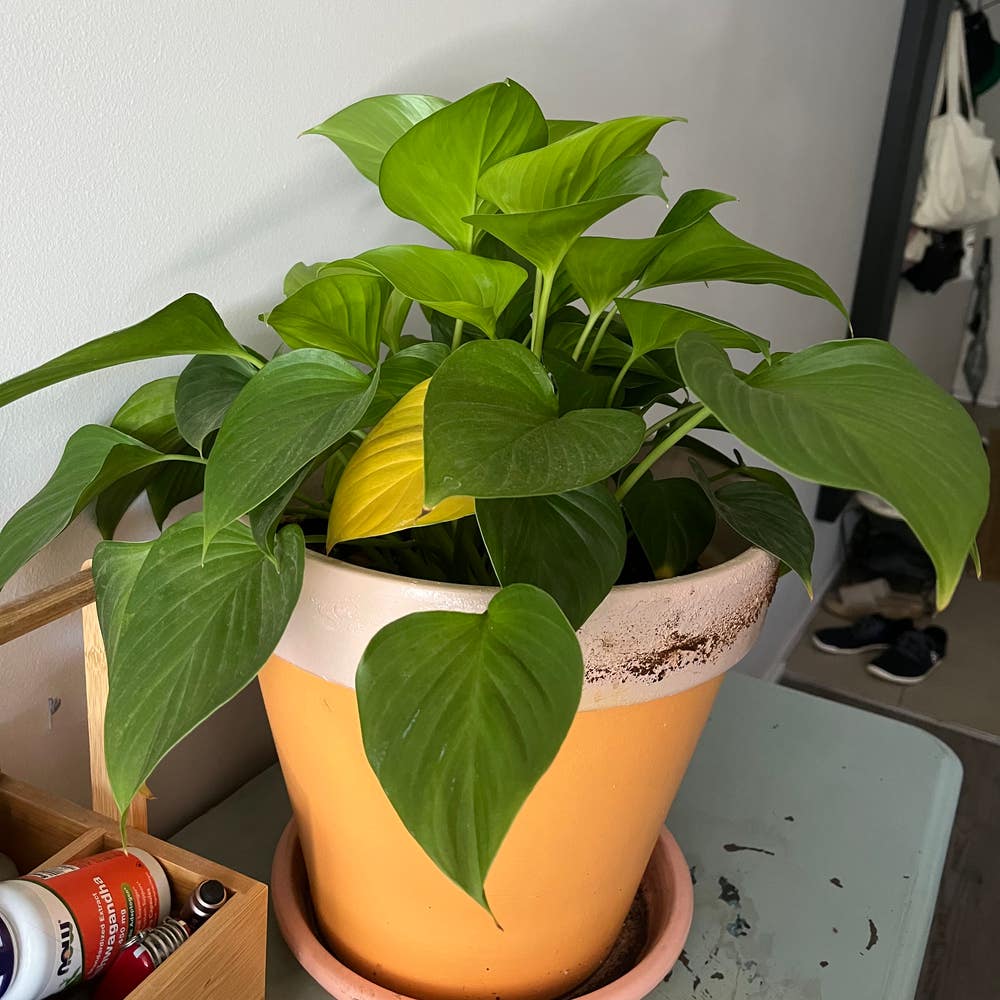
🌺 Everything You Need to Know About Homalomena atrox
Homalomena atrox
By the Greg Editorial Team
Feb 26, 2025•13 min read
This article was created with the help of AI so we can cover more plants for you. May contain errors. See one? Report it here.
- 🌱 Homalomena atrox thrives in humidity over 60% and indirect sunlight for optimal growth.
- 💧 Keep soil moist but not soggy to prevent yellow leaves and root rot.
- 🌿 Low maintenance and air-purifying, perfect for busy individuals and novice gardeners.
How to Grow
Choosing a Location 🌞
To thrive, Homalomena atrox prefers indirect sunlight or partial shade. Aim for a temperature range of 18°C to 27°C (65°F to 80°F) and maintain high humidity levels of 60% or higher for optimal growth.
Soil Preparation 🌱
This plant flourishes in well-draining soil rich in organic matter. A pH level between 5.5 and 7.0 is ideal, so consider incorporating peat moss or coconut coir to enhance moisture retention.
Planting Techniques 🌿
When planting, choose a container that is at least 6-8 inches in diameter for young plants. Ensure the root ball is level with the soil surface to promote healthy growth.
Watering Requirements 💧
Keep the soil consistently moist but avoid sogginess. Watch for signs of overwatering, such as yellowing leaves and root rot, or underwatering, indicated by wilting and dry leaf edges.
Fertilizing Schedule 🥦
Fertilize every 4-6 weeks during the growing season to support growth. A balanced liquid fertilizer with an NPK ratio of 20-20-20 is recommended for best results.
Pruning Methods ✂️
Regular pruning helps maintain the plant's shape. Focus on removing dead or yellowing leaves during the growing season for optimal health.
Ongoing Care Tips 🔍
Stay vigilant by regularly checking for pests and diseases. Rotating the plant occasionally can promote even growth and prevent leaning.
Outdoor vs. Container Growing 🌍
Container growing offers easier management of humidity and soil conditions, making it a popular choice. If you opt for outdoor growing, ensure the plant is in shaded areas protected from direct sunlight.
With these tips, your Homalomena atrox will be well on its way to thriving in your home or garden! Next, let’s explore how to propagate this beautiful plant.
Propagation
🌱 Division Method
Propagation through division is a straightforward method for Homalomena atrox. The best time to do this is during repotting in spring when the plant is actively growing.
To divide, carefully separate the root clumps and replant them in new pots. This method not only increases your plant collection but also promotes healthier growth.
✂️ Stem Cuttings
Stem cuttings are another effective way to propagate this beautiful plant. Start by selecting healthy stems that are 4-6 inches long.
Using a rooting hormone can significantly improve your success rate. After applying the hormone, place the cuttings in a well-draining potting mix to encourage root development.
🍃 Leaf Cuttings
For those looking for a challenge, leaf cuttings can be a rewarding method. Begin by cutting a healthy leaf into sections.
Next, place these cuttings in a moist medium and wait for roots to develop. This method requires patience but can yield new plants over time.
🌿 Offsets
Offsets are the easiest way to propagate Homalomena atrox. Look for offsets around the base of the plant, which are small plants that can be separated.
Gently separate these offsets and replant them in new containers. This method is quick and effective, allowing you to expand your plant collection effortlessly.
With these propagation techniques, you can enjoy the beauty of Homalomena atrox in multiple locations. Whether you choose division, stem cuttings, leaf cuttings, or offsets, each method offers a unique way to connect with your plants. Next, let’s explore the lifecycle of this fascinating species.
Lifecycle
🌱 Overview of Life Cycle Stages
Homalomena atrox is a resilient perennial plant that can thrive for several years. Understanding its life cycle stages is essential for successful cultivation.
🌱 Germination Process
Germination typically takes about 2-4 weeks under optimal conditions. Providing warmth and moisture will help kickstart this exciting phase.
🌱 Seedling Stage
Once germination occurs, the seedling stage lasts approximately 4-6 weeks. During this time, the plant develops its first true leaves, marking a significant growth milestone.
🌱 Vegetative Growth
The vegetative growth phase can last several months. This stage is crucial as the plant focuses on producing lush, green leaves that enhance its overall health.
🌱 Flowering and Seed Production
Flowering is a rare occurrence for Homalomena atrox in indoor settings. However, when grown outdoors in ideal conditions, it can produce flowers and seeds, contributing to its propagation.
🌱 Lifespan and Growth Timeline
The plant reaches full maturity in about 2-3 years. With a moderate growth rate, you can expect steady leaf production, making it a rewarding addition to your plant collection.
As you nurture your Homalomena atrox through its life cycle, you'll witness its transformation and beauty. Next, let’s explore how to effectively propagate this stunning plant.
Size
Mature Height and Spread 🌱
Homalomena atrox typically reaches a mature height of 2 to 3 feet (60 to 90 cm) and spreads about 1 to 2 feet (30 to 60 cm). This size makes it a striking addition to any indoor or outdoor space.
Growth Rate Specifics 📈
Under ideal conditions, you can expect an average growth rate of 6 to 12 inches (15 to 30 cm) per year. This moderate pace allows for steady leaf production without overwhelming the gardener.
Size Variability Based on Conditions 🌦️
Several factors can influence the size of your Homalomena atrox. Light levels, humidity, and soil quality all play crucial roles in determining how robust your plant will grow.
In optimal environments, this plant thrives, showcasing its full potential. Conversely, neglecting these conditions can lead to stunted growth and diminished size.
Understanding these variables helps you create the best possible environment for your plant. By paying attention to its needs, you can enjoy a lush, vibrant Homalomena atrox that enhances your space beautifully.
As you consider the size of your plant, think about how it will fit into your overall gardening plan. The next section will delve into the roots of this fascinating plant, exploring their characteristics and care requirements.
Roots
🌱 Root System Characteristics
Homalomena atrox features a fibrous root system that is typically shallow. This allows the roots to spread horizontally, maximizing their access to nutrients and moisture in the soil.
📏 Depth and Spread of Roots
On average, the roots of this plant reach a depth of 6-12 inches (15-30 cm). They can extend wider than the plant's canopy, which helps support its growth and stability.
⚠️ Common Root-Related Issues
Root rot is a common problem caused by overwatering, leading to mushy roots and stunted growth. Additionally, plants can become rootbound when their roots fill the pot, resulting in poor growth and nutrient uptake.
👀 Identifying Healthy vs. Unhealthy Roots
Healthy roots are firm, white, and spread throughout the soil, indicating good health. In contrast, unhealthy roots appear brown, mushy, or may emit a foul smell, signaling potential issues.
🔄 Recognizing Rootbound Plants
Signs of a rootbound plant include roots growing out of drainage holes or circling the pot. To remedy this, repot the plant into a larger container, allowing the roots to expand and thrive.
Understanding the root system of Homalomena atrox is crucial for its overall health. Proper care and attention to its roots can lead to a flourishing plant, setting the stage for the next section on its benefits.
Benefits
Aesthetic Appeal 🌿
Homalomena atrox boasts stunning foliage that can elevate the look of any indoor or outdoor space. Its lush, green leaves add a touch of elegance, making it a popular choice for plant enthusiasts.
Air Purification Properties 🌬️
This plant is not just a pretty face; it actively improves indoor air quality. By filtering out toxins, it creates a healthier environment for you and your loved ones.
Low Maintenance Requirements 🧘♀️
Perfect for busy individuals or novice gardeners, Homalomena atrox requires minimal care. Its resilience means you can enjoy its beauty without the stress of constant upkeep.
Symbolism in Culture 🎉
In various cultures, this plant symbolizes prosperity and good fortune. Having it in your home can be seen as an invitation for positive energy and abundance.
Therapeutic Benefits 🧘
Beyond its visual appeal, Homalomena atrox contributes to mental well-being. Its presence can create a calming atmosphere, making your space feel more serene and inviting.
With these benefits in mind, it's clear why Homalomena atrox is a favorite among plant lovers. Next, let’s explore the best companion plants that thrive alongside this beauty.
Companion Plants
🌱 Concept of Companion Planting
Companion planting is all about creating a harmonious garden environment. It enhances growth, improves pest management, and boosts overall garden diversity.
🌼 Best Companion Plants
When it comes to Homalomena atrox, certain plants thrive alongside it.
- Ferns: They share similar humidity needs, making them perfect companions.
- Peace Lily: This plant has comparable light and water requirements, ensuring a balanced ecosystem.
🌿 Benefits of Companion Planting
Companion planting not only promotes healthy growth but also helps reduce pest issues. By planting compatible species together, you create a more resilient garden.
🚫 Plants to Avoid
While some plants thrive with Homalomena atrox, others can hinder its growth.
- Cacti and Succulents: These prefer drier conditions, which can be detrimental to the moisture-loving Homalomena.
By choosing the right companions, you can cultivate a thriving environment for your Homalomena atrox, enhancing both its beauty and health. Next, let’s explore the potential toxicity of this plant to pets and humans.
Toxicity to Humans
Potential Irritation 🌿
Homalomena atrox can cause irritation through its leaves and sap. Symptoms may include skin rashes, itching, mild gastrointestinal upset, or eye irritation.
How Irritation Occurs ⚠️
Irritation typically occurs from contact with the sap or ingestion of any part of the plant. It's essential to be cautious when handling this beautiful plant.
When to Seek Medical Care 🚑
If you experience persistent or worsening symptoms, it's wise to consult a healthcare professional. Better safe than sorry!
Safe Handling Tips 🧤
To minimize risk, always wear gloves when handling Homalomena atrox. Afterward, wash your hands thoroughly to remove any residual sap.
By taking these precautions, you can enjoy the beauty of this plant while keeping irritation at bay. Now that you know how to handle it safely, let’s explore its toxicity to pets!
Toxicity to Dogs
⚠️ Potential Irritation
Homalomena atrox can cause irritation in dogs, particularly from its leaves and sap. Symptoms to watch for include drooling, pawing at the mouth, mild vomiting, or skin irritation.
🐾 How Irritation Can Occur
Irritation typically occurs through ingestion of the plant material or contact with its sap. It's essential to monitor your dog if they show interest in this plant.
🩺 When to Seek Veterinary Care
If your dog exhibits persistent or worsening symptoms, it's best to consult a veterinarian. Early intervention can help ensure your pet's well-being.
🐶 Statement on Toxicity Level
While Homalomena atrox is not classified as severely toxic to dogs, it can lead to mild to moderate irritation. Keeping this plant out of reach can help prevent any unwanted issues.
Understanding the potential effects of this plant on your furry friends is crucial for a safe home environment. Next, let’s explore how this plant can affect our feline companions.
Toxicity to Cats
Potential Irritation 🐾
Homalomena atrox can cause irritation in cats, primarily through its leaves and sap. Symptoms to watch for include drooling, pawing at the mouth, mild vomiting, or skin irritation.
How Irritation Can Occur 🤔
Irritation typically arises from the ingestion of plant material or contact with the sap. It's essential to monitor your cat's behavior around this plant to prevent any adverse reactions.
When to Seek Veterinary Care 🏥
If your cat shows persistent or worsening symptoms, it's wise to consult a veterinarian. They can provide guidance and treatment options to ensure your pet's well-being.
Statement on Toxicity Level ⚠️
While Homalomena atrox is not classified as severely toxic to cats, it may cause mild to moderate irritation. Keeping this plant out of reach can help avoid any potential issues.
As a responsible pet owner, being aware of the plants in your home is crucial. This knowledge helps create a safe environment for your furry friends while enjoying the beauty of your indoor garden.
Problems
🌱 Common Issues with Homalomena atrox
Growing Homalomena atrox can be rewarding, but it's essential to be aware of common problems that may arise. Understanding these issues will help you maintain a healthy plant.
💧 Overwatering
Overwatering is one of the most frequent mistakes. Look for yellowing leaves and root rot as telltale signs that your plant is getting too much water.
🚰 Underwatering
On the flip side, underwatering can also cause distress. If you notice wilting or dry leaf edges, it’s time to give your plant a drink.
☀️ Incorrect Light Conditions
Light conditions play a crucial role in the health of your Homalomena atrox. Insufficient light can lead to leggy growth, while too much direct sunlight may scorch the leaves.
🦠 Diseases
Diseases can sneak in and wreak havoc. Be on the lookout for powdery mildew, rust, and black rot, which can all affect your plant's vitality.
🍃 Leaf Issues
Leaf problems are often the first indicators of trouble. Scorching, yellowing, and fuzzy growth can signal various underlying issues that need addressing.
By staying vigilant and addressing these common problems, you can ensure your Homalomena atrox thrives. Next, let’s explore how to effectively manage pests that may also pose a threat to your plant’s health.
Bugs
🛡️ Pest Resistance
Homalomena atrox is generally pest-resistant, making it a robust choice for indoor and outdoor gardening. However, it can still fall prey to certain pests that may disrupt its health.
🐜 Common Pests
- Spider Mites: These tiny pests create fine webbing and cause stippled leaves, indicating they are feeding on your plant.
- Mealybugs: Look for cotton-like masses on leaves and stems; these pests can weaken your plant significantly.
🔍 Identification and Damage
To keep your Homalomena thriving, regularly inspect for visible signs of pests or damage. Early detection is key to preventing infestations that can lead to serious health issues for your plant.
🧪 Treatment Options
If you spot pests, don't panic! Effective treatment options include:
- Neem Oil: A natural pesticide that disrupts the life cycle of pests.
- Insecticidal Soap: This can suffocate soft-bodied insects like mealybugs.
- Beneficial Insects: Introducing ladybugs or lacewings can help keep pest populations in check.
By staying vigilant and proactive, you can ensure your Homalomena atrox remains healthy and vibrant. Next, let’s explore the potential problems you might encounter while caring for this beautiful plant.
What Eats
🦌 Common Animals
Homalomena atrox can attract a few hungry visitors. Deer are notorious for munching on these plants, leaving behind chewed leaves and broken stems.
Rabbits also find the lower leaves appealing, nibbling away and potentially causing damage to your plant's health.
🕵️♂️ Signs of Animal Presence
To identify if animals are feasting on your Homalomena, look for tracks or droppings nearby. Visible damage, such as missing leaves or broken stems, can also indicate their presence.
⚠️ Types of Damage
Animal activity can lead to significant issues. You might notice leaf loss, which can stunt growth and lead to an overall decline in the plant's health.
🚫 Deterrent Methods
Preventing these furry intruders is key to maintaining your plant's vitality. Consider using fencing to create a barrier, applying repellents to deter them, or planting deterrent plants nearby to keep them at bay.
By taking these steps, you can protect your Homalomena atrox and ensure it thrives in your care.
⚠️ Safety First
This content is for general information and may contain errors, omissions, or outdated details. It is not medical, veterinary advice, or an endorsement of therapeutic claims.
Always consult a qualified healthcare professional before using any plant as food, medicine, or supplement.
Never eat any plant (or feed one to pets) without confirming its identity with at least two trusted sources.
If you suspect poisoning, call Poison Control (800) 222-1222, the Pet Poison Helpline (800) 213-6680, or your local emergency service immediately.
Spotted an error? Please report it here.
Nurture your Homalomena atrox to bloom beautifully 🌿 with Greg's custom watering reminders and tailored care tips that ensure your plant thrives in its ideal environment!