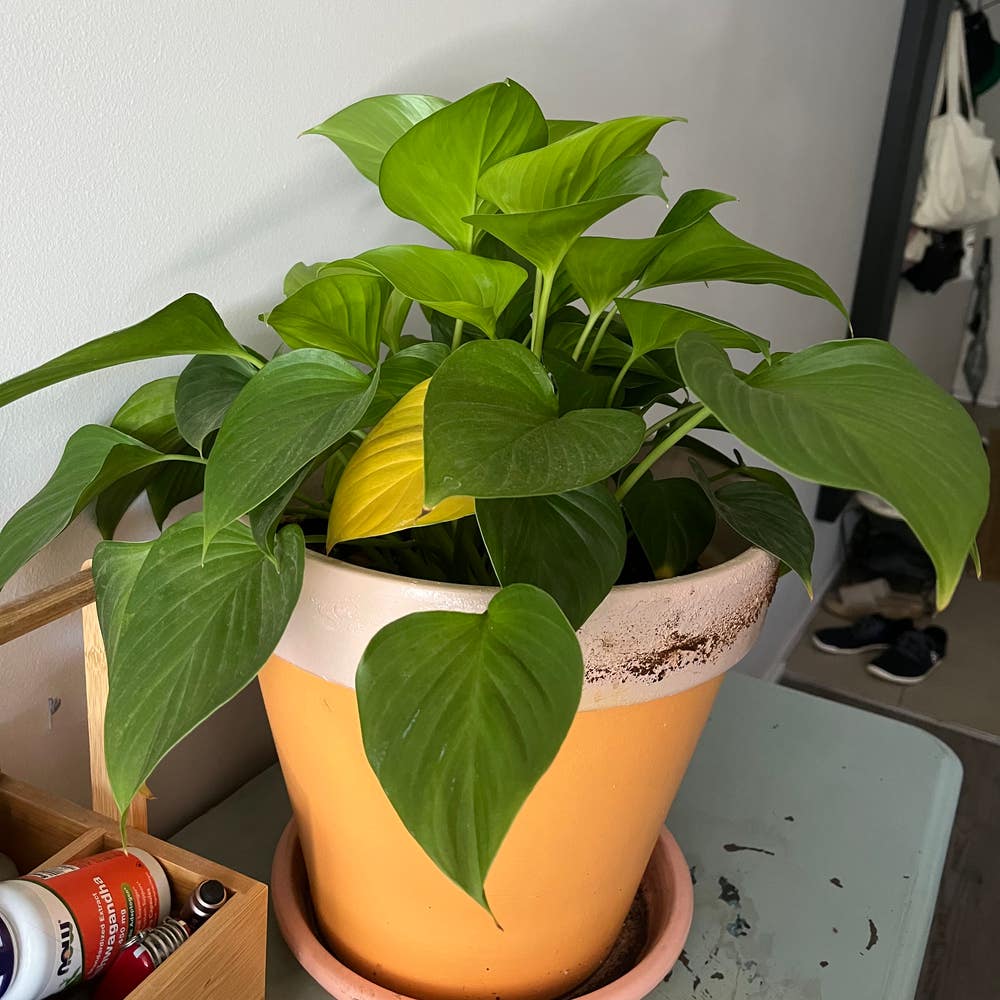
🔍 What is a Homalomena atroviridis? Complete Guide
Homalomena atroviridis
By the Greg Editorial Team
Feb 27, 2025•13 min read
This article was created with the help of AI so we can cover more plants for you. May contain errors. See one? Report it here.
- 🌱 Homalomena atroviridis thrives in humidity above 60% and indirect light.
- 🌡️ Ideal temperature for growth is 18°C to 27°C (65°F to 80°F).
- 🌿 Low-maintenance and air-purifying, this plant enhances indoor environments beautifully.
How to Grow
🌍 Choosing the Right Location
To help your Homalomena atroviridis thrive, start by selecting the right location. This plant prefers indirect light; direct sunlight can scorch its leaves.
Humidity is another key factor. Aim for a humidity level of 60% or higher, which can be achieved with a humidifier or a pebble tray.
For temperature, keep your plant in an environment between 18°C to 27°C (65°F to 80°F) for optimal growth.
🏺 Soil Preparation
Next, focus on soil preparation. Use a well-draining potting mix, ideally enriched with organic matter to support healthy growth.
The ideal soil pH for Homalomena atroviridis is slightly acidic to neutral, ranging from 6.0 to 7.0. Always ensure your pots have drainage holes to prevent waterlogging.
🌱 Planting Techniques
When it comes to planting, spacing is crucial. For outdoor planting, space your plants 12-18 inches apart to allow for their natural growth.
Plant your Homalomena at the same depth it was in the nursery pot. This helps maintain its health and stability.
💧 Watering Requirements
Watering is essential for your plant's well-being. Check the top inch of soil; when it feels dry, it's time to water, typically every 1-2 weeks.
When watering, do so thoroughly until water drains from the bottom of the pot. Avoid letting the plant sit in water, as this can lead to root rot.
🌿 Fertilizing Schedule
Fertilizing your Homalomena is important for its growth. Use a balanced, water-soluble fertilizer with an NPK ratio of 20-20-20.
Fertilize every 4-6 weeks during the growing season, which spans spring and summer. This will provide the nutrients your plant needs to flourish.
✂️ Pruning and Maintenance
Pruning is a simple yet effective way to keep your plant healthy. Aim to prune in spring, removing any dead or yellowing leaves.
Use clean, sharp scissors to cut leaves at the base. This helps prevent disease and encourages new growth.
🔍 Ongoing Care
Ongoing care is vital for your plant's longevity. Regularly check for signs of pests or disease to catch any issues early.
Be prepared to adjust light, humidity, or watering based on how your plant responds. This attentiveness will ensure your Homalomena atroviridis remains vibrant and healthy.
With these guidelines, you're well on your way to successfully growing a thriving Homalomena atroviridis. Next, let’s explore how to propagate this beautiful plant!
Propagation
🌱 Methods of Propagation
Propagation of Homalomena atroviridis can be achieved through two primary methods: division and cuttings. Both techniques are straightforward and can lead to healthy new plants.
📋 Step-by-Step Instructions for Each Method
1. Division:
- Start by carefully removing the plant from its pot.
- Gently separate the root ball into sections, ensuring each section has both roots and leaves.
- Replant each section in separate pots filled with fresh soil.
2. Cuttings:
- Take a healthy stem section measuring 4-6 inches long, cutting just below a node.
- Place the cutting in water or moist soil and wait for roots to develop, which typically takes 2-4 weeks.
🌡️ Ideal Conditions for Successful Propagation
For optimal results, provide a warm, humid environment for your cuttings. Additionally, ensure they receive indirect light to minimize stress on the new plants.
With these methods and conditions, you'll be well on your way to successfully propagating your Homalomena atroviridis. Next, let’s explore the lifecycle of this fascinating plant and what to expect as it grows.
Lifecycle
Overview of Lifecycle Stages 🌱
The lifecycle of Homalomena atroviridis begins with germination, where seeds sprout in just 2-4 weeks under optimal conditions. Following this, the seedling stage sees the development of true leaves within 4-6 weeks, marking the plant's early growth.
Vegetative Growth and Flowering 🌼
Next comes the vegetative growth phase, a period of rapid growth that can last several months. Flowering is rare in indoor conditions, typically occurring only in mature plants, while seed production is not commonly observed in cultivation.
Duration to Reach Maturity ⏳
So, how long does it take for this plant to reach its full size? Generally, it takes about 1-2 years to mature completely. Under ideal conditions, you can expect a moderate growth rate of 6-12 inches per year, making it a rewarding addition to your plant collection.
This lifecycle understanding is crucial for any plant enthusiast looking to nurture a healthy Homalomena atroviridis. Next, let’s explore the plant's size and growth characteristics to better appreciate its potential in your space.
Size
Mature Height and Spread 🌱
Homalomena atroviridis typically reaches a mature height of 2 to 3 feet. Its spread can extend from 1 to 2 feet wide, making it a lovely addition to any indoor or outdoor space.
Growth Rate and Factors Affecting Size 📈
This plant has a moderate growth rate, generally growing 6 to 12 inches per year under ideal conditions. Factors such as light, humidity, and nutrient availability can significantly influence its size, leading to variability between indoor and outdoor growth.
Understanding these aspects will help you create the perfect environment for your Homalomena atroviridis to thrive. Next, let’s explore the root system of this fascinating plant.
Roots
Description of the Root System 🌱
Homalomena atroviridis features a fibrous root system that is essential for its growth. Typically, these roots grow 6-12 inches deep and can extend laterally up to 1-2 feet, allowing the plant to absorb nutrients effectively.
Common Root-Related Issues ⚠️
Root health is crucial for the overall vitality of your plant. Overwatering can lead to root rot, characterized by mushy roots and yellowing leaves. Conversely, a rootbound condition occurs when the roots fill the pot, resulting in stunted growth and poor water retention.
Visual Cues for Healthy vs. Unhealthy Roots 👀
Identifying root health is straightforward. Healthy roots are firm, white, and spread throughout the pot, indicating a thriving plant. In contrast, unhealthy roots appear dark, mushy, or may even emit a foul smell, signaling potential problems.
Tips for Managing Root Health 🛠️
To maintain robust roots, consider repotting your Homalomena atroviridis every 1-2 years. This practice helps prevent rootbound conditions and promotes healthy growth. Additionally, ensure your pots have proper drainage to avoid the risk of root rot, keeping your plant happy and thriving.
With a solid understanding of root health, you can ensure your Homalomena atroviridis flourishes. Next, let’s explore the numerous benefits this plant brings to your home!
Benefits
Top 5 Benefits 🌟
Air purification: Homalomena atroviridis is celebrated for its ability to filter toxins from the air, making it a fantastic addition to any indoor space. This natural air purifier helps improve overall air quality, contributing to a healthier living environment.
Aesthetic appeal: With its lush, vibrant foliage, this plant adds a touch of greenery that can brighten up any room. Its striking appearance makes it a popular choice for home decor, enhancing the visual appeal of your space.
Low maintenance: This plant is resilient and easy to care for, making it perfect for both novice and experienced plant enthusiasts. Its forgiving nature means you can enjoy its beauty without the stress of constant upkeep.
Humidity enhancement: Homalomena atroviridis thrives in high humidity, which can help increase moisture levels in dry environments. This is especially beneficial during winter months when indoor air can become dry, promoting a more comfortable atmosphere.
Cultural significance: In various cultures, this plant is valued not just for its beauty but also for its symbolism of prosperity and good fortune. Incorporating it into your home can bring a sense of positivity and cultural richness.
These benefits make Homalomena atroviridis a worthy addition to your plant collection. Whether you're looking to purify the air, enhance your decor, or simply enjoy a low-maintenance companion, this plant has something to offer.
As you consider adding this vibrant plant to your home, keep in mind the ongoing care it requires to thrive.
Companion Plants
🌱 Explanation of Companion Planting
Companion planting is a gardening technique that promotes diversity and enhances pest management. By strategically placing plants together, you can create a more resilient ecosystem that benefits all involved.
🌿 List of Compatible Companion Plants
- Peace Lily: Shares similar care needs and thrives in high humidity, making it an excellent companion.
- Pothos: Enjoys similar light conditions and adds vibrant greenery to your space.
- Ferns: Help maintain humidity levels and provide a lush backdrop, enhancing the overall aesthetic.
🚫 Plants to Avoid Planting Near
- Cacti: These prefer dry conditions and may compete for moisture, which can stress your Homalomena atroviridis.
By choosing the right companions, you can create a thriving indoor garden that not only looks beautiful but also supports the health of your plants. Keep these tips in mind as you plan your plant arrangements!
Toxicity to Humans
🧐 Identification of Irritating Parts
Homalomena atroviridis can cause mild irritation, primarily from its leaves and sap. It's important to be cautious when handling this plant to avoid any discomfort.
🤕 Symptoms of Irritation
If contact occurs, symptoms may include skin rashes, itching, and mild gastrointestinal upset. While these reactions can be bothersome, they are generally not severe.
🚑 Guidance on When to Seek Medical Care
Most irritation cases are self-limiting, but if symptoms persist or worsen, it's wise to seek medical attention. Staying informed can help you manage any potential issues effectively.
🧤 Tips for Safe Handling
To minimize risk, always wear gloves when handling the plant. Afterward, wash your hands thoroughly to remove any residual sap or irritants. This simple precaution can help you enjoy your Homalomena atroviridis without worry.
As you learn about the care and handling of this beautiful plant, remember that awareness is key to a safe and enjoyable gardening experience. Next, let's explore how this plant can affect our furry friends.
Toxicity to Dogs
🐶 Identification of Irritating Parts
Homalomena atroviridis can pose mild risks to dogs, primarily through its leaves and sap. While these parts are not deadly, they can lead to some discomfort.
🤢 Symptoms of Irritation
If your dog comes into contact with the plant, watch for symptoms like drooling, pawing at the mouth, and mild vomiting. These signs indicate that your furry friend may be experiencing irritation.
🩺 Guidance on When to Seek Veterinary Care
Most cases of irritation are self-limiting, but if symptoms persist or worsen, it’s wise to consult your veterinarian. Quick action can help ensure your pet's well-being.
⚠️ Clear Statement on Toxicity Level
Overall, Homalomena atroviridis is not considered severely toxic to dogs. However, it can cause mild to moderate irritation, so it's best to keep an eye on your pet around this plant.
With proper care and awareness, you can enjoy the beauty of this plant while keeping your canine companion safe.
Toxicity to Cats
🐱 Identification of Irritating Parts
Homalomena atroviridis can be mildly irritating to cats, primarily due to its leaves and sap. It's important to be aware of these parts if you have curious feline friends.
🤢 Symptoms of Irritation
If your cat comes into contact with the plant, you might notice symptoms like drooling, pawing at the mouth, or mild vomiting. These signs indicate that your cat is experiencing some discomfort.
🩺 Guidance on When to Seek Veterinary Care
Most cases of irritation are self-limiting, but if symptoms persist or worsen, it's wise to consult your veterinarian. They can provide the best advice for your pet's health.
⚠️ Clear Statement on Toxicity Level
Overall, Homalomena atroviridis is not considered severely toxic to cats. However, it can cause mild to moderate irritation, so it's best to keep it out of reach of your furry companions.
In summary, while this plant can add beauty to your home, it's essential to monitor your pets around it. Keeping your cats safe ensures that both your plants and pets can thrive together harmoniously.
Problems
Common Problems Faced 🌱
Maintaining a healthy Homalomena atroviridis can be tricky. Here are some common issues to watch out for:
Incorrect Watering:
- Overwatered: Look for yellowing leaves and mushy roots. This often signals root rot, which can be fatal.
- Underwatered: Symptoms include wilting and dry leaf edges. Make sure to check the soil moisture regularly.
Incorrect Light Conditions:
- If your plant shows signs of leaf scorch or leggy growth, it may not be getting the right amount of light. Homalomena prefers indirect light, so adjust its location if needed.
Incorrect Temperature:
- Leaf drop or stunted growth can indicate that your plant is unhappy with its temperature. Aim for a range between 18°C to 27°C (65°F to 80°F) for optimal growth.
Diseases:
- Powdery Mildew: This appears as white, powdery spots on leaves and can be treated with fungicides or by improving air circulation.
- Root Rot: Dark, mushy roots are a clear sign of this disease, often caused by overwatering.
Leaf Issues:
- Brown tips on leaves can result from low humidity or direct sunlight. Ensure your plant is in a humid environment and shielded from harsh light.
By being vigilant about these common problems, you can keep your Homalomena atroviridis thriving. Regular monitoring and adjustments will go a long way in ensuring your plant remains healthy and vibrant.
Next Steps 🚀
If you notice any of these issues, take action quickly. Adjust watering habits, reposition your plant, or treat for diseases as necessary. Your Homalomena will thank you with lush, green foliage!
Bugs
🐜 Potential Pest Issues
Homalomena atroviridis is generally known for its moderate pest resistance, but it can still fall victim to a few pesky invaders. Staying vigilant is key to keeping your plant healthy and thriving.
🔍 Identification of Pests and Damage Caused
Spider Mites
- Signs: Look for fine webbing and stippled leaves, which indicate these tiny pests are at work.
- Treatment: Increase humidity around your plant and apply insecticidal soap to eliminate them.
Mealybugs
- Signs: Cotton-like masses on leaves are a telltale sign of mealybug infestation.
- Treatment: Remove them by hand or treat with neem oil for effective control.
Aphids
- Signs: Sticky residue on leaves and curled foliage suggest aphid activity.
- Treatment: Use insecticidal soap or introduce natural predators to manage their population.
By keeping an eye out for these common pests and taking prompt action, you can ensure your Homalomena atroviridis remains healthy and vibrant. Next, let’s explore the potential problems that can arise in your plant care journey.
What Eats
Common Animals That May Eat or Damage 🦌
Homalomena atroviridis can attract a variety of animals, including deer, rabbits, squirrels, and rodents. These creatures may find the plant's lush foliage appealing, leading to potential damage.
Signs of Animal Presence and Damage Description 🐾
Keep an eye out for signs of animal activity around your plant. Chewed leaves, droppings, and tracks are all indicators that your Homalomena may have unwelcome visitors.
Methods for Deterring or Managing These Animals 🚫
To protect your plant, consider implementing a few deterrent strategies.
- Physical barriers: Fencing can effectively keep larger animals at bay.
- Repellents: Natural options like garlic spray can deter many pests.
- Companion planting: Surrounding your Homalomena with plants that animals dislike can also help.
By taking these steps, you can safeguard your Homalomena atroviridis from potential damage and enjoy its beauty without worry.
⚠️ Safety First
This content is for general information and may contain errors, omissions, or outdated details. It is not medical, veterinary advice, or an endorsement of therapeutic claims.
Always consult a qualified healthcare professional before using any plant as food, medicine, or supplement.
Never eat any plant (or feed one to pets) without confirming its identity with at least two trusted sources.
If you suspect poisoning, call Poison Control (800) 222-1222, the Pet Poison Helpline (800) 213-6680, or your local emergency service immediately.
Spotted an error? Please report it here.
Unlock the full potential of your Homalomena atroviridis 🌿 with Greg's tailored care reminders and expert tips to keep it thriving beautifully in your home!