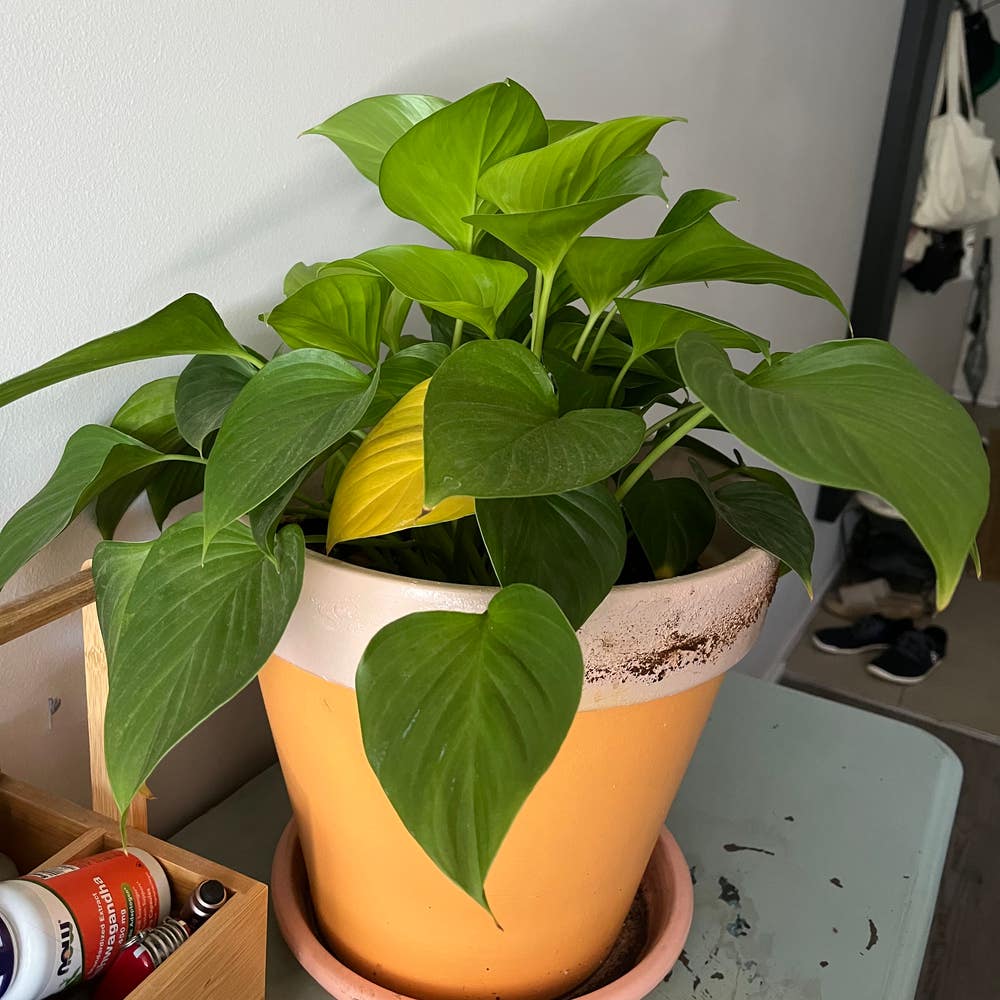
🌿 Introduction to Homalomena argentea
Homalomena argentea
By the Greg Editorial Team
Feb 27, 2025•12 min read
This article was created with the help of AI so we can cover more plants for you. May contain errors. See one? Report it here.
- 🌱 Homalomena argentea thrives in low light and high humidity, perfect for indoor spaces.
- 💧 Avoid overwatering; yellow leaves mean too much water, while wilting indicates underwatering.
- 🌿 Prune regularly and monitor for pests to maintain plant health and prevent diseases.
How to Grow
🌍 Choosing a Location
Homalomena argentea thrives in low light conditions, making it perfect for indoor spaces. It also loves humidity, so consider placing it in a bathroom or kitchen where moisture levels are naturally higher.
🌱 Soil Preparation
For optimal growth, use well-draining, rich soil with plenty of organic matter. Aim for a slightly acidic to neutral pH, ideally between 6.0 and 7.0, to keep your plant happy and healthy.
🌿 Planting Techniques
When planting, ensure the root ball is level with the soil surface to promote healthy growth. If you're planting outdoors, space your plants 12-18 inches apart to allow for good air circulation.
💧 Watering Requirements
Keep the soil consistently moist, but avoid sogginess to prevent root rot. Watch for signs of overwatering, like yellowing leaves, or underwatering, which can cause wilting.
🥬 Fertilizing Schedule
During the growing season, fertilize your Homalomena argentea monthly. A balanced, water-soluble fertilizer will provide the nutrients it needs to flourish.
✂️ Pruning Methods
Prune as needed by removing any dead or yellowing leaves. Use clean, sharp scissors to make precise cuts and prevent any potential disease spread.
🛡️ Ongoing Care Tips
Regularly check your plant for pests and diseases to catch any issues early. Maintaining humidity levels through misting or using pebble trays can also help keep your plant thriving.
🌳 Outdoor vs. Container Growing
Container growing offers the advantage of mobility and better control over soil conditions. If you choose to plant outdoors, ensure your Homalomena argentea is protected from direct sunlight and strong winds to prevent stress.
With these tips, you’re well on your way to nurturing a vibrant Homalomena argentea. Next, let’s explore how to propagate this beautiful plant!
Propagation
Methods of Propagation 🌱
Homalomena argentea can be propagated effectively through two primary methods: division and offsets. Both techniques are straightforward and can help you expand your plant collection.
Step-by-Step Instructions for Each Method 📋
1. Division
- Carefully separate the root ball into sections. This is best done during repotting when the plant is actively growing.
- Replant in fresh soil. Ensure each section has roots and a few leaves for optimal growth.
2. Offsets
- Gently twist off the offset from the parent plant. Look for small offshoots that are ready to be removed.
- Plant in a small pot with appropriate soil. Use a well-draining mix to encourage healthy root development.
Propagation not only allows you to grow more plants but also strengthens your connection to this beautiful species. With a little patience and care, you can enjoy the satisfaction of nurturing new life.
Next, let’s explore the lifecycle of Homalomena argentea and understand how it develops over time.
Lifecycle
Lifecycle Stages 🌱
Homalomena argentea is a perennial plant, meaning it can live for several years, continuously growing and thriving under the right conditions.
Germination Process 🌱
When starting from seed, expect germination to take about 2-4 weeks. This timeframe can vary based on environmental factors like temperature and moisture.
Seedling Stage 🌱
During the seedling stage, you'll notice small, tender leaves emerging. These delicate leaves are crucial for the plant's early development and overall health.
Vegetative Growth 🌱
As the plant enters vegetative growth, its growth rate is moderate, characterized by noticeable leaf expansion. This stage is essential for building a robust structure before flowering.
Flowering and Seed Production 🌱
Flowering in Homalomena argentea is rare, especially indoors. It typically occurs in ideal outdoor settings, where the plant can fully express its reproductive potential.
Lifespan and Growth Rate 🌱
With proper care, the average lifespan of Homalomena argentea ranges from 5 to 10 years. The growth rate is moderate, allowing the plant to reach its full size in about 2-3 years.
This lifecycle overview highlights the resilience and adaptability of Homalomena argentea, making it a rewarding choice for plant enthusiasts. Next, we’ll explore the size of this beautiful plant and what to expect as it matures.
Size
Mature Height and Spread 🌱
Homalomena argentea typically reaches a mature height of 1 to 3 feet, making it a versatile choice for various indoor and outdoor settings. Its spread can range from 1 to 2 feet, allowing it to fit nicely in smaller spaces while still making a statement.
Growth Habits and Rate 📈
This plant exhibits a moderate growth rate, which can be influenced by factors such as light and humidity. Providing optimal conditions will encourage more vigorous growth, resulting in lush foliage that enhances its aesthetic appeal.
Factors Affecting Size Variability 🌍
Several environmental conditions can impact the size of Homalomena argentea. Key factors include light availability, humidity levels, and soil quality, all of which play a crucial role in determining how well the plant thrives.
Understanding these aspects can help you create the ideal environment for your Homalomena argentea, ensuring it reaches its full potential. With the right care, you can enjoy a flourishing plant that adds beauty to your space.
As we explore the next section, let's delve into the roots of this fascinating plant and uncover their characteristics and importance.
Roots
Root System Characteristics 🌱
Homalomena argentea features a fibrous root system that supports its growth and stability. This type of root structure allows the plant to efficiently absorb nutrients and water from the soil.
Depth and Spread of Roots 📏
Typically, the roots of this plant extend to a depth of 6-12 inches. They can also spread wider than the plant's canopy, which helps in anchoring the plant and accessing moisture.
Common Root-Related Issues ⚠️
One of the most common problems faced by Homalomena argentea is root rot, often caused by overwatering. Signs of root rot include mushy roots that can lead to the plant's decline if not addressed promptly.
Identifying Healthy vs. Unhealthy Roots 🔍
Healthy roots are firm, white, and spread evenly throughout the soil. In contrast, unhealthy roots appear dark, mushy, or may emit a foul smell, indicating a need for immediate action.
Recognizing Rootbound Conditions 🪴
If you notice roots growing out of the drainage holes, your plant may be rootbound. The solution is simple: repot the plant into a larger container to give the roots more room to grow and thrive.
Understanding the root system of your Homalomena argentea is crucial for its overall health. By keeping an eye on root conditions, you can ensure your plant remains vibrant and flourishing.
Benefits
Top 5 Benefits 🌟
Homalomena argentea offers a multitude of advantages that make it a fantastic addition to any home or garden.
Air purification: This plant excels at removing toxins from the air, contributing to a healthier indoor environment.
Aesthetic appeal: With its striking foliage, Homalomena argentea enhances the visual appeal of any space, making it a stylish choice for decor.
Low maintenance: Perfect for busy individuals, this plant requires minimal care, allowing you to enjoy its beauty without constant attention.
Humidity regulation: It helps maintain indoor humidity levels, which can be beneficial for both plants and people, especially in dry climates.
Cultural significance: In various cultures, Homalomena argentea is valued for its beauty and symbolism, adding a layer of meaning to its presence in your home.
These benefits highlight why Homalomena argentea is not just a plant but a valuable companion in enhancing your living space.
As we explore its propagation methods next, you'll discover how easy it is to share this wonderful plant with others.
Companion Plants
🌱 Concept of Companion Planting
Companion planting is all about creating a harmonious garden environment. By pairing plants that support each other, you can enhance garden diversity and improve pest management.
🌼 Best Companion Plants
When it comes to Homalomena argentea, consider these suitable companions:
- Ferns: They thrive in similar humidity levels and can create a lush backdrop.
- Peace Lilies: These plants share care requirements and can help maintain moisture in the air.
- Pothos: Known for their adaptability, pothos can complement the aesthetic while enjoying similar light conditions.
These companions not only look great together but also help each other flourish.
🚫 Plants to Avoid
On the flip side, steer clear of cacti and succulents. Their low water needs clash with the humidity-loving nature of Homalomena argentea, leading to potential care conflicts.
By choosing the right companions, you can create a thriving indoor garden that benefits all its inhabitants. This thoughtful approach not only enhances the beauty of your space but also fosters a healthier plant ecosystem.
Toxicity to Humans
⚠️ Potential Irritation
Homalomena argentea can cause irritation due to its leaves and sap. It's essential to handle this plant with care to avoid any adverse reactions.
🤕 Symptoms of Irritation
If contact occurs, you might experience skin rashes, itching, or mild gastrointestinal upset. These symptoms can be uncomfortable but are usually not severe.
🧤 Handling Tips
To protect yourself, always use gloves when handling the plant. Afterward, make sure to wash your hands thoroughly to remove any residue.
By taking these precautions, you can enjoy the beauty of Homalomena argentea without worry. Now, let’s explore how this plant can affect our furry friends!
Toxicity to Dogs
Toxic Parts 🐶
Homalomena argentea can pose a risk to dogs, primarily through its leaves and stems. These parts contain compounds that may lead to adverse reactions if ingested.
Symptoms of Poisoning 🤢
If your dog consumes any part of this plant, watch for symptoms such as drooling, vomiting, or diarrhea. These signs indicate that your furry friend may be experiencing discomfort.
Prevention Measures 🛡️
To keep your dog safe, supervise their outdoor time and ensure the plant is out of reach. Consider relocating the plant to an area that your pet cannot access, providing peace of mind for both you and your canine companion.
By taking these precautions, you can enjoy the beauty of Homalomena argentea while keeping your dog safe from potential harm.
Toxicity to Cats
Toxic Parts 🐾
Homalomena argentea can pose a risk to our feline friends, particularly through its leaves and stems. These parts contain compounds that can lead to adverse reactions if ingested.
Symptoms of Poisoning 🤢
If a cat consumes any part of this plant, you might notice symptoms such as drooling, vomiting, or weakness. These signs indicate that your pet may be experiencing discomfort and requires attention.
Prevention Measures 🚫
To keep your curious cats safe, it's best to keep them indoors and supervise their outdoor time. Additionally, consider placing the plant in areas that are out of reach to prevent any accidental nibbling.
By taking these precautions, you can enjoy your Homalomena argentea without worrying about your furry companions. Now, let’s explore some common problems that can arise with this beautiful plant.
Problems
Common Problems 🌱
Incorrect Watering
Watering is crucial for the health of your Homalomena argentea. If you notice yellowing leaves, it may be a sign of overwatering, while wilting leaves indicate underwatering.
Incorrect Light Conditions
Light conditions play a significant role in plant health. Leaf scorch can occur if your plant is exposed to direct sunlight, leading to unsightly brown edges.
Incorrect Temperature
Temperature fluctuations can stress your plant. If you see leaf drop, it might be due to cold drafts or sudden temperature changes.
Diseases
Homalomena argentea can fall victim to various diseases. Common issues include powdery mildew, which appears as a white coating, and root rot, often caused by excessive moisture.
Leaf Issues
Leaf health is a direct reflection of your plant's overall well-being. Yellowing leaves or fuzzy growth can signal underlying problems that need immediate attention.
By keeping an eye on these common issues, you can ensure your Homalomena argentea thrives. Regular monitoring and adjustments will help you maintain a healthy, vibrant plant.
Bugs
🐜 Potential Pest Issues
Homalomena argentea is generally known for its moderate pest resistance. However, it can still attract a few common pests that may cause concern.
🔍 Identification of Pests
- Spider Mites: Look for fine webbing on leaves, which indicates their presence. These tiny pests thrive in dry conditions and can quickly multiply.
- Mealybugs: Identified by their white, cotton-like masses on stems, mealybugs can be quite damaging if not addressed promptly.
⚠️ Damage Caused by Pests
Pests can lead to various issues, including leaf damage, stunted growth, and overall decline of your plant. If left untreated, they can significantly affect the health of your Homalomena argentea.
🧴 Treatment Options
To combat these pests, consider using neem oil or insecticidal soap. Regular inspections of your plant can help catch infestations early, ensuring your plant remains healthy and vibrant.
By staying vigilant and proactive, you can keep your Homalomena argentea thriving and pest-free. Next, let's explore what animals might be interested in snacking on your beautiful plant.
What Eats
🦌 Common Animals
Homalomena argentea can attract a variety of hungry critters. The most common culprits include deer, rabbits, and squirrels, all of which may find your plant a tasty treat.
👀 Signs of Animal Presence
Keep an eye out for signs that these animals have been snacking on your plant. Chewed leaves and droppings nearby are clear indicators that your Homalomena argentea has caught the attention of some local wildlife.
🥴 Damage Description
When these animals decide to feast, they typically browse on the leaves and stems. This can lead to unsightly damage, leaving your plant looking ragged and unhealthy.
🚫 Deterrent Methods
To protect your beloved plant, consider implementing some deterrent methods. Fencing, repellents, and physical barriers can help keep these hungry visitors at bay, ensuring your Homalomena argentea thrives undisturbed.
With these strategies in place, you can enjoy the beauty of your plant without the worry of it becoming a meal for local wildlife. Next, let’s explore the potential pest issues that can affect your plant's health.
⚠️ Safety First
This content is for general information and may contain errors, omissions, or outdated details. It is not medical, veterinary advice, or an endorsement of therapeutic claims.
Always consult a qualified healthcare professional before using any plant as food, medicine, or supplement.
Never eat any plant (or feed one to pets) without confirming its identity with at least two trusted sources.
If you suspect poisoning, call Poison Control (800) 222-1222, the Pet Poison Helpline (800) 213-6680, or your local emergency service immediately.
Spotted an error? Please report it here.
Nurture your Homalomena argentea to breathe life into your space 🌱 with Greg's tailored care reminders and expert tips that guarantee your plant thrives beautifully!