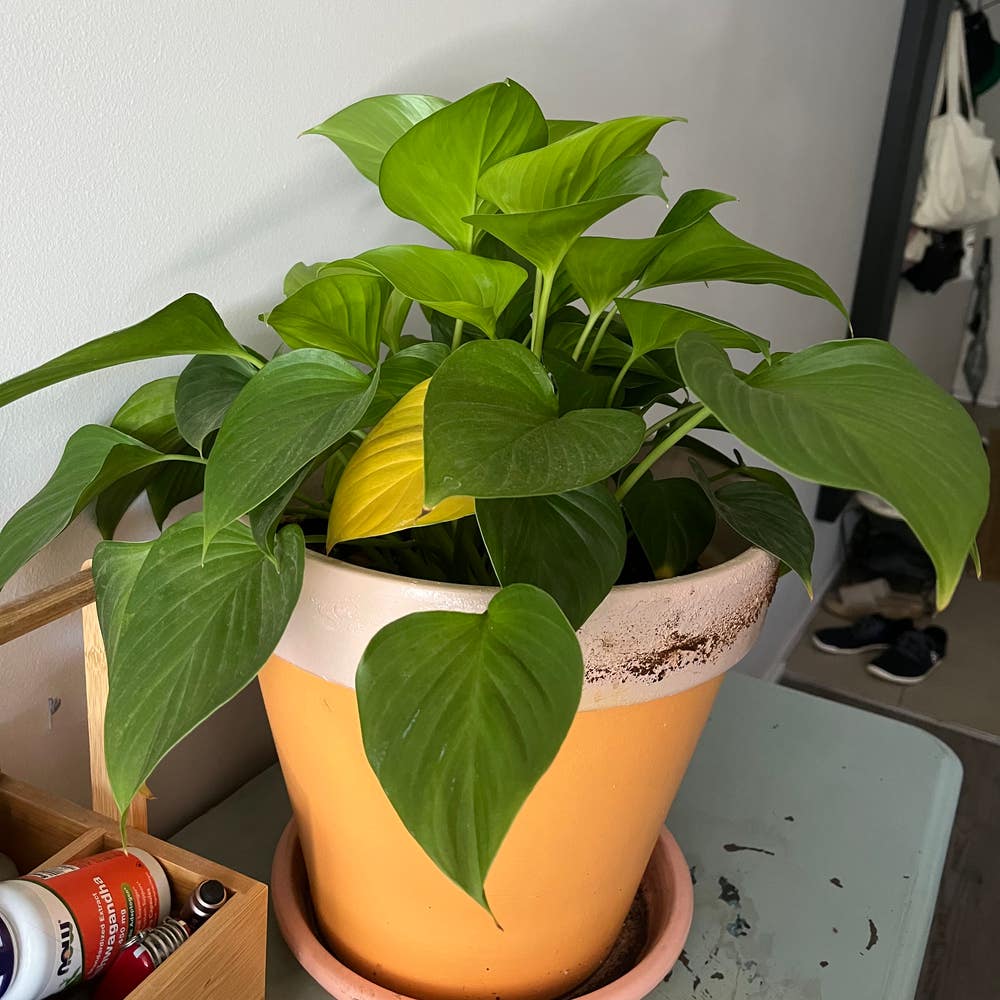
Everything You Need to Know About Homalomena agens
Homalomena agens
By the Greg Editorial Team
Feb 28, 2025•12 min read
This article was created with the help of AI so we can cover more plants for you. May contain errors. See one? Report it here.
- 🌱 Homalomena agens thrives in indirect light and humid spaces like bathrooms or kitchens.
- 💧 Consistent soil moisture is key; yellow leaves indicate overwatering issues to address.
- 🌿 Low maintenance and air-purifying, perfect for beginners and busy lifestyles.
How to Grow
Choosing a Location 🌱
Homalomena agens thrives in indirect light, making it perfect for indoor spaces. It can tolerate low-light conditions, but for optimal growth, aim for bright, filtered light.
Humidity is crucial for this tropical plant. It flourishes in humid environments, so consider placing it in a bathroom or kitchen where moisture levels are higher.
Soil Preparation 🪴
For soil, a well-draining potting mix enriched with organic matter is ideal. This ensures that the roots have access to nutrients while preventing waterlogging.
Aim for a soil pH between 6.0 and 7.0, which is slightly acidic to neutral. This range supports healthy growth and nutrient absorption.
Planting Techniques 🌿
When planting, choose a container that is at least 6-8 inches in diameter for young Homalomena agens. This size allows for adequate root development.
Ensure the rhizome is just below the soil surface when planting. This positioning helps the plant establish itself effectively.
Watering Requirements 💧
Keep the soil consistently moist, but avoid sogginess. Overwatering can lead to root rot, which is detrimental to your plant's health.
Watch for signs of overwatering, such as yellowing leaves. These indicators signal that you may need to adjust your watering routine.
Fertilizing Schedule 🌼
During the growing season, use a balanced liquid fertilizer to nourish your plant. This will support its growth and vitality.
Fertilize every 4-6 weeks from spring to fall. This regular feeding schedule helps maintain robust health.
Pruning Methods ✂️
Prune your Homalomena agens by removing dead or yellowing leaves as needed. This keeps the plant looking tidy and encourages new growth.
Use clean, sharp scissors to make cuts. This prevents damage and reduces the risk of disease.
Ongoing Care Tips 🔍
Regularly check your plant for pests and diseases. Early detection is key to maintaining its health.
Rotate the plant occasionally to promote even growth. This helps all sides receive adequate light and prevents lopsided development.
Outdoor vs. Container Growing 🌞
Container growing offers the advantage of easier humidity and soil management. It allows for greater control over the plant's environment.
If you choose to grow outdoors, protect your Homalomena agens from direct sunlight and extreme temperatures. This ensures it remains healthy and vibrant.
With these tips, you’re well on your way to successfully growing your Homalomena agens. Next, let’s explore how to propagate this beautiful plant!
Propagation
Division Method 🌱
The best time to propagate Homalomena agens is during repotting in spring or early summer. Carefully separate the rhizomes, ensuring roots remain attached to each division for successful growth.
Stem Cuttings ✂️
For stem cuttings, aim for a length of 4-6 inches, making sure to include at least one node. Use a rooting medium that combines peat and perlite for optimal results.
Offsets 🌿
Offsets are small plants that emerge from the base of the main plant. To propagate using offsets, gently detach them and replant in suitable soil to encourage growth.
Propagation is a rewarding way to expand your collection of Homalomena agens. Whether you choose division, stem cuttings, or offsets, each method offers a unique opportunity to nurture new plants.
Lifecycle
Lifecycle Stages 🌱
Homalomena agens is a perennial plant, which means it can live for several years, continuously growing and thriving. Its lifecycle includes distinct stages: germination, seedling, vegetative growth, flowering, and seed production.
Germination Process 🌱
The germination process typically takes 2-4 weeks under optimal conditions. For best results, ensure warm temperatures and consistent moisture to encourage sprouting.
Seedling Stage 🌱
Once germination occurs, the seedling stage lasts approximately 4-6 weeks. During this time, the plant develops its first true leaves, marking its transition into a more established phase.
Vegetative Growth 🌱
Following the seedling stage, the vegetative growth period can last several months. This is when the plant focuses on building a robust structure, developing leaves, and expanding its root system.
Flowering and Seed Production 🌱
Flowering usually happens under optimal conditions, typically in late summer. However, seed production is rare in cultivated varieties, making it a special event for dedicated growers.
Lifespan and Growth Timeline 🌱
With proper care, Homalomena agens can live for 5-10 years. Its growth rate is moderate, with full size typically reached in 2-3 years, rewarding patience with lush greenery and vibrant foliage.
As you nurture your Homalomena agens through its lifecycle, you'll witness its transformation and growth, making it a fulfilling experience for any plant enthusiast. Next, let's explore how to effectively propagate this beautiful plant.
Size
Mature Height and Spread 🌱
Homalomena agens typically reaches a height of 1 to 3 feet. Its spread can vary from 1 to 2 feet wide, depending on the growing conditions.
Growth Rate Specifics 📈
Under ideal conditions, you can expect an average growth rate of 6 to 12 inches per year. This moderate pace allows for steady development without overwhelming the plant.
Size Variability Based on Conditions 🌦️
Several factors influence the size of your Homalomena agens. Light levels, humidity, and soil quality all play crucial roles in determining how robust your plant will grow.
Indoor vs. Outdoor Growth 🏡
When grown indoors, the plant may be slightly smaller due to limited light and humidity. In contrast, outdoor conditions can promote more vigorous growth, provided the plant is protected from harsh elements.
Understanding these size dynamics can help you create the perfect environment for your Homalomena agens. With the right care, you’ll enjoy a lush, vibrant addition to your space.
Roots
Root System Characteristics 🌱
Homalomena agens features a rhizomatous root system, which means it grows horizontally underground. This type of root structure allows the plant to spread out while remaining relatively shallow.
Depth and Spread of Roots 📏
Typically, the roots of this plant extend to a depth of 6-12 inches. They can spread beyond the plant's canopy, making it essential to provide adequate space for growth.
Common Root-Related Issues ⚠️
One of the most common issues with Homalomena agens is root rot, often caused by overwatering and poor drainage. Signs of unhealthy roots include dark, mushy textures that indicate decay.
Identifying Healthy vs. Unhealthy Roots 🧐
Healthy roots are firm and exhibit a white or light tan color. In contrast, unhealthy roots will appear soft and may show brown or black discoloration.
Recognizing Rootbound Plants 🔗
If you notice roots growing out of the drainage holes or circling the pot, your plant may be rootbound. The solution is simple: repot into a larger container or divide the roots to promote healthy growth.
This understanding of the root system is crucial for maintaining the health of your Homalomena agens. Next, we will explore the benefits of this beautiful plant and why it deserves a place in your home.
Benefits
Top 5 Benefits 🌟
Air purification: Homalomena agens is a natural air purifier. It filters toxins from the air, improving indoor air quality and creating a healthier living environment.
Aesthetic appeal: This plant brings lush greenery and vibrant colors into your space. Its striking foliage can enhance any room's decor, making it a favorite among plant enthusiasts.
Low maintenance: Perfect for beginners, Homalomena agens requires minimal care. Its forgiving nature makes it an ideal choice for those new to plant care.
Humidity regulation: This plant helps maintain humidity levels indoors. By releasing moisture into the air, it can create a more comfortable atmosphere, especially in dry environments.
Cultural significance: In various cultures, Homalomena agens is valued for its beauty and symbolism. It often represents prosperity and good fortune, adding a meaningful touch to your home.
These benefits make Homalomena agens not just a plant, but a valuable addition to your indoor space. Whether you're looking to purify the air or simply enjoy its beauty, this plant has something to offer everyone.
As we explore more about caring for this delightful plant, you'll discover how to maximize its potential in your home.
Companion Plants
🌱 Concept of Companion Planting
Companion planting is a gardening strategy that enhances plant health and diversity. By pairing compatible plants, you can improve pest management and create a thriving ecosystem.
🌿 Best Companion Plants
For Homalomena agens, consider companions like Pothos, Peace Lily, and Ferns. These plants share similar humidity and light requirements, making them ideal partners for your Homalomena.
🚫 Plants to Avoid
Steer clear of cacti and succulents when selecting companions. Their differing water needs can lead to competition for resources, potentially harming your Homalomena's growth.
By choosing the right companions, you can create a harmonious indoor garden that flourishes together. This not only enhances the aesthetic appeal but also simplifies care routines, making plant parenting a breeze.
Toxicity to Humans
Potential Irritation 🌿
Homalomena agens can cause irritation, particularly from its leaves and sap. Symptoms may include skin rashes, itching, and mild gastrointestinal upset if ingested.
How Irritation Occurs ⚠️
Irritation typically occurs through skin exposure to the sap or by ingesting parts of the plant. It's essential to be cautious when handling this beautiful greenery.
When to Seek Medical Care 🚑
If symptoms persist or worsen, it's advisable to seek medical care. Better safe than sorry when it comes to your health!
Tips for Safe Handling 🧤
To minimize risk, wear gloves when handling the plant and wash your hands afterward. Taking these precautions can help you enjoy your Homalomena agens without worry.
Incorporating these safety tips ensures you can appreciate the beauty of your plant while keeping irritation at bay. Next, let’s explore how this plant can affect our furry friends!
Toxicity to Dogs
Potential Irritation 🐶
Homalomena agens can cause mild irritation in dogs, particularly from its leaves and sap. Symptoms may include drooling, pawing at the mouth, and mild vomiting.
How Irritation Can Occur ⚠️
Irritation typically occurs when a dog ingests plant material or comes into contact with the sap. It's essential to monitor your pet's behavior around the plant to prevent any discomfort.
When to Seek Veterinary Care 🏥
If your dog shows persistent symptoms or if they worsen, it's wise to seek veterinary care. Fortunately, Homalomena agens is not considered severely toxic to dogs, so most cases are manageable with proper attention.
By understanding the potential risks, you can enjoy your Homalomena agens while keeping your furry friend safe. Next, let’s explore how this plant can affect our feline companions.
Toxicity to Cats
Potential Irritation 🐾
Homalomena agens can cause mild irritation in cats, particularly from its leaves and sap. Symptoms may include drooling, pawing at the mouth, and mild vomiting.
How Irritation Can Occur 🤔
Irritation typically occurs through ingestion of the plant material or exposure to its sap. Cats are naturally curious, so they might nibble on the leaves or brush against the plant.
When to Seek Veterinary Care 🚑
If your cat shows persistent symptoms or they worsen, it’s wise to seek veterinary care. Fortunately, Homalomena agens is not considered severely toxic to cats, but monitoring their condition is essential.
Understanding the potential risks can help you create a safe environment for your feline friend. With proper care and attention, you can enjoy your beautiful plant while keeping your cat healthy.
Problems
Common Problems 🌱
Homalomena agens, while generally resilient, can face several common issues that affect its health. Understanding these problems early can help you maintain a thriving plant.
Identifying Symptoms 👀
Look out for signs like yellowing leaves, wilting, and stunted growth. These symptoms often indicate that your plant is not receiving the care it needs.
Solutions for Common Issues 🛠️
- Overwatering: Adjust your watering schedule and ensure proper drainage to prevent root rot.
- Incorrect light conditions: If your plant is not thriving, consider moving it to a brighter spot with indirect light.
- Temperature stress: Keep your plant in a stable environment, ideally between 65°F to 80°F.
- Fungal diseases: Combat these by using fungicides and improving air circulation around the plant.
- Leaf issues: Trim any damaged leaves and reassess your care practices to promote healthier growth.
By addressing these common problems promptly, you can ensure your Homalomena agens remains a vibrant addition to your space. Next, let’s explore the potential pests that could threaten your plant’s health.
Bugs
🐛 Potential Pest Issues
Homalomena agens can face various pest challenges. While some pests may be deterred by the plant's natural resilience, others can wreak havoc if not addressed promptly.
🔍 Identification of Specific Pests
Common pests that target this plant include:
- Spider Mites: Tiny, spider-like creatures that thrive in dry conditions.
- Mealybugs: White, cottony masses that cluster on stems and leaves.
- Aphids: Small, green or black insects that suck plant sap.
- Whiteflies: Tiny, white flying insects that can cause significant damage.
⚠️ Damage Caused by Pests
Pests can lead to several visible issues:
- Wilting: A sign that the plant is stressed and not receiving enough nutrients.
- Leaf Drop: A response to severe pest infestations, indicating distress.
- Discoloration: Leaves may turn yellow or develop spots due to sap loss.
🧪 Effective Treatment Options
To combat these pests, consider the following treatment methods:
- Insecticidal Soap: A safe and effective option for eliminating soft-bodied insects.
- Neem Oil: A natural pesticide that disrupts the life cycle of pests.
- Manual Removal: Regularly inspect your plant and remove pests by hand when possible.
By staying vigilant and addressing pest issues early, you can keep your Homalomena agens healthy and thriving. Next, let’s explore the common problems that can affect this beautiful plant.
What Eats
🦌 Common Animals
Homalomena agens can attract a variety of hungry critters. The most common culprits include deer, rabbits, squirrels, and rodents, all of which may find your plant a tasty snack.
👀 Signs of Animal Presence
Keep an eye out for telltale signs of these visitors. Chewed leaves, droppings scattered around the base, and tracks in the soil can all indicate that your plant has been targeted by wildlife.
⚠️ Types of Damage
The damage caused by these animals can be quite noticeable. You may see leaf loss, stunted growth, or even complete destruction of the plant, which can be disheartening for any plant lover.
🛡️ Deterrent Methods
Fortunately, there are several effective ways to protect your Homalomena agens. Consider using fencing to create a barrier, applying repellents that deter animals, or employing companion planting strategies to confuse and distract them.
By taking these precautions, you can help ensure your plant thrives without the threat of being eaten. With a little effort, you can enjoy the beauty of your Homalomena agens without worrying about unwanted visitors.
⚠️ Safety First
This content is for general information and may contain errors, omissions, or outdated details. It is not medical, veterinary advice, or an endorsement of therapeutic claims.
Always consult a qualified healthcare professional before using any plant as food, medicine, or supplement.
Never eat any plant (or feed one to pets) without confirming its identity with at least two trusted sources.
If you suspect poisoning, call Poison Control (800) 222-1222, the Pet Poison Helpline (800) 213-6680, or your local emergency service immediately.
Spotted an error? Please report it here.
Nurture your Homalomena agens into a lush indoor oasis 🌿 with Greg's tailored care tips and reminders, ensuring it thrives while you enjoy cleaner air and vibrant greenery!